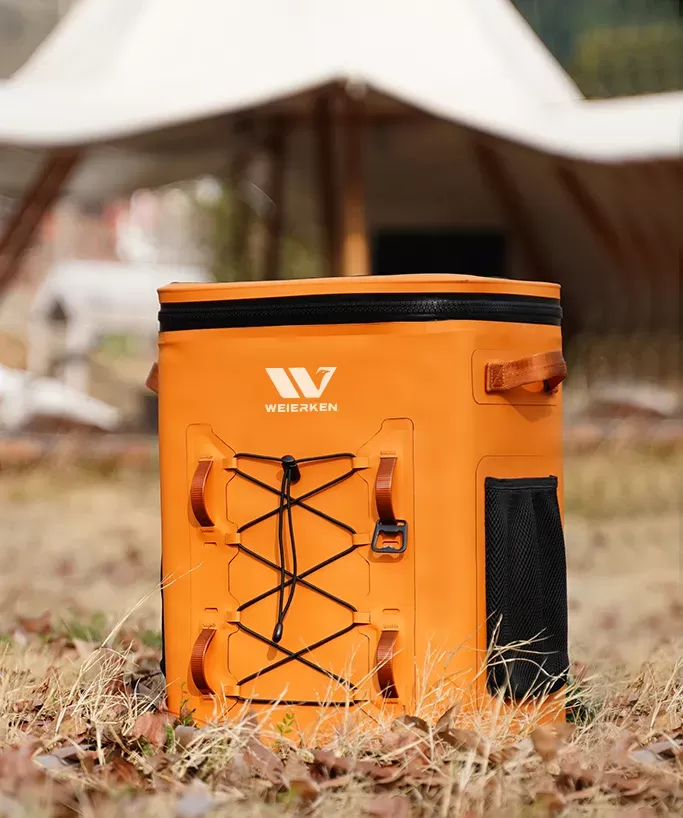

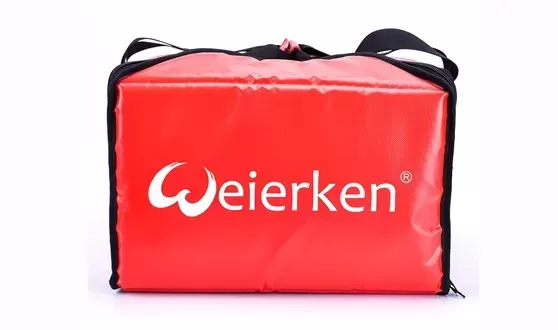
Delicate confectionery products like fresh cream cakes, mousse, and ice cream desserts require precise temperature management and careful handling during transit. Even a minor thermal failure or physical collapse during delivery can spoil the product, disappoint customers, and damage your brand's reputation.
For procurement managers and quality assurance teams, finding a reliable supplier is crucial. Conducting a systematic supplier audit is the most effective way to verify a manufacturer's capabilities before signing a contract or paying a deposit. Partnering with an audited cake delivery cooler bag maker like weierken helps businesses secure high-quality packaging and minimize delivery risks.
This guide outlines a five-step factory audit framework to help you evaluate potential partners, ensure food safety compliance, and confirm production capabilities.
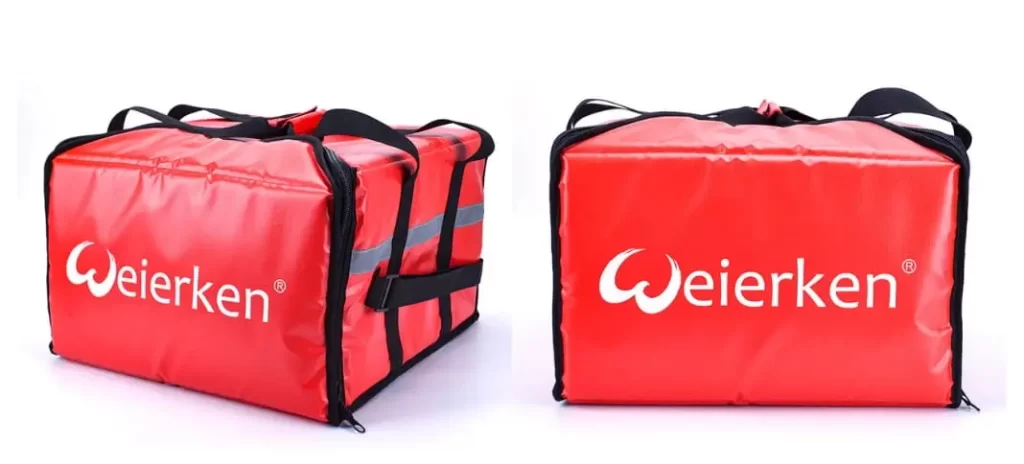
Step 1: Verify Credentials, Compliance, and Food Safety Standards
The first step of your audit should focus on verify the supplier's legal compliance, quality certifications, and food safety standards. This step helps filter out unqualified middlemen and ensures you are working with a legitimate manufacturer.
Quality Management Systems
A professional factory must have a structured quality management system. Confirm that the supplier holds an active ISO 9001 certification. This standard shows that the factory follows consistent procedures from raw material inspection through to final packaging and shipping.
Material Safety Certifications
Because delivery bags are used to transport food, verifying custom insulated bag supplier credentials is essential. Ask for recent, third-party test reports from laboratories like SGS, TÜV, or Intertek to confirm the safety of all interior materials:
Food Contact Safety: Ensure the inner lining material (typically PEVA, TPU, or aluminum foil) complies with FDA (Food and Drug Administration) or LFGB (Europe) food contact regulations.
Chemical Compliance: Verify that all outer fabrics, zippers, and foam insulation layers are free from heavy metals, lead, and restricted plasticizers (REACH and RoHS compliance).
Social Responsibility Standards
For international buyers and established brands, social compliance is increasingly important. Check if the manufacturer participates in recognized social audits, such as BSCI (Business Social Compliance Initiative) or Sedex (SMETA). These audits verify that the factory maintains fair labor practices, safe working conditions, and ethical environmental standards.
Step 2: Evaluate R&D, Prototyping, and Technical Capabilities
Your delivery requirements are unique to your product line. A reliable manufacturer must be able to translate your specific dimensions, weight requirements, and thermal needs into a functional product design.
Engineering and Blueprint Interpretation
Review the factory's technical capabilities by speaking directly with their design team. Assess their experience with complex structural features:
Anti-Tilt Systems: Can they design rigid baseboards or adjustable interior straps to keep tall, multi-tiered cakes flat?
Ice Pack Integration: Can they incorporate specialized mesh pockets or dry ice compartments to extend temperature retention?
Ergonomic Features: Can they design comfortable, balanced handles and shoulder straps that minimize movement during delivery?
Sampling Efficiency and Accuracy
A reliable heavy-duty cooler bag factory should have a dedicated prototyping department. Ask about their standard sampling timeline. A capable pattern maker should be able to produce a physical prototype within 5 to 7 business days from receiving your design files.
Examine the prototype carefully to ensure all dimensions, seam finishes, and material specifications match your design requirements before approving mass production.
Step 3: Inspect On-Site Production Capacity and Machinery
An on-site factory tour allows you to evaluate the supplier's actual manufacturing capacity, equipment quality, and workflow organization. This step helps confirm if the factory can handle your production volumes.
Workflow and Factory Layout
A well-managed factory maintains a clear, organized layout. Raw material storage, cutting stations, sewing lines, and final packaging areas should be physically separated to prevent cross-contamination and keep the workspace organized.
Production Machinery
Look for modern, automated machinery that ensures consistent production quality:
Automated Fabric Cutters: Computerized cutting tables ensure every fabric piece is cut to exact dimensions, minimizing size variations between batches.
Programmable Sewing Machines: Computerized heavy-duty stitching machines ensure consistent stitch density and precise reinforcement patterns on load-bearing handles.
High-Frequency Welding Equipment: To produce leakproof interiors, the factory should use high-frequency heat-sealing machines rather than standard sewing on the inner linings.
During factory audits, brands like weierken demonstrate these capabilities by showing their automated cutting lines and specialized heat-sealing departments in action.
Step 4: Review Quality Control (QC) Systems and Testing Procedures
Consistency is key to successful manufacturing. Your audit should carefully review the factory's quality control procedures and testing standards.
Quality Assurance Process
A reliable reliable thermal bag supplier implements quality checkpoints at every key stage of production. Ask to see their documented quality control procedures:
Incoming Quality Control (IQC): Testing fabric tear strength, zipper cycles, and foam insulation quality before materials go to the production floor.
In-Process Quality Control (IPQC): Dedicated inspectors checking stitch consistency and handle attachment directly on the assembly line.
Final Quality Control (FQC): Inspecting finished bags for stray threads, dirt, zipper function, and dimensional accuracy before packing.
Physical Performance Testing
To ensure high quality, the factory should have an on-site testing lab or work with external testing partners. Ask to see documented test results for the following physical properties:
Load-Bearing Capacity: Testing handles and straps under static and dynamic loads (often using weights up to 15–20 kg) to prevent tears.
Thermal Performance Testing: Monitoring internal temperatures in a controlled environment to verify that the insulation meets your delivery window requirements.
Zipper Durability: Testing zipper mechanisms over thousands of open-and-close cycles to ensure reliable daily use.
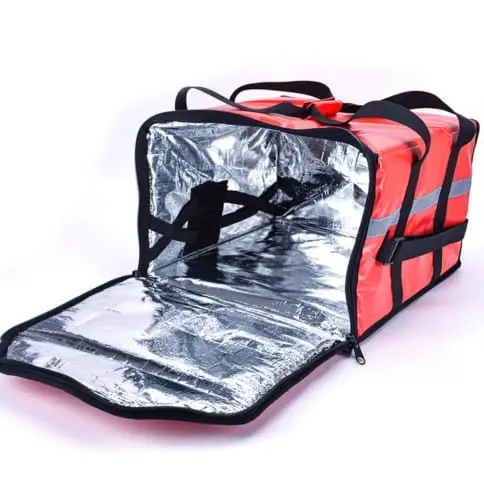
Step 5: Assess Supply Chain Stability and Capacity Scalability
The final step of your audit is to evaluate the supplier's financial stability, raw material supply chain, and ability to handle sudden increases in order volume.
Raw Material Supply Management
Ask how the manufacturer manages its raw material inventory. A reliable supplier should maintain stable relationships with core material suppliers (for Oxford fabrics, insulation foam, and zippers). This stability helps prevent production delays and protects you from sudden raw material price increases.
Production Scale and Lead Times
Understand the factory's daily and monthly production capacity. If you plan to scale your operations or run major holiday promotions, you need to know if the factory can increase its output without sacrificing quality. Confirm their average lead times during peak seasons to help you plan your inventory effectively.
Using this structured five-step audit framework helps you identify a reliable manufacturing partner and avoid production delays, material defects, and quality issues.
Frequently Asked Questions
1. What is the main benefit of a factory audit for cooler bags?
A factory audit helps you verify a manufacturer's compliance, quality control, and production capacity before making a financial commitment. This assessment reduces the risk of receiving defective products, experiencing shipping delays, or facing food safety compliance issues.
2. How long does a standard factory audit typically take?
A standard on-site factory audit usually takes one business day. This provides enough time to review compliance documents, inspect the manufacturing floor, interview technical teams, and examine quality control workflows.
3. Can we hire a third-party company to conduct the audit?
Yes. Many global procurement teams work with independent inspection agencies like SGS, QIMA, or Bureau Veritas to conduct audits. These agencies use standardized checklists and provide detailed, objective reports with photos and performance ratings.
4. What machinery is required for high-quality thermal bag manufacturing?
A modern factory should use automated fabric cutters for precision sizing, programmable sewing machines for strong joints, and high-frequency welding machines to produce leakproof, easy-to-clean inner linings.
5. What food safety regulations apply to cake delivery bags?
The interior linings must comply with food-contact regulations such as FDA standards in the United States or LFGB regulations in Europe. These certifications ensure that the materials do not transfer harmful chemicals or odors to your food products.
Partner with an Audited Manufacturing Specialist
Finding a reliable supplier is the first step toward securing your cold chain logistics. By evaluating a manufacturer's compliance, technical capabilities, quality control, and capacity, you can protect your investment and build a reliable supply chain.
As an audited cake delivery cooler bag maker, weierken offers transparent access to our production facilities, quality certifications, and testing workflows. Contact our team today to request a factory audit report, order a sample, or get a custom quote for your delivery needs.