


Milk, yogurt, and fresh cheeses require a stable environment between 0°C and 4°C. Even a brief departure from this range can trigger bacterial growth or ruin the texture of premium dairy products. For B2B buyers in the cold chain sector, choosing the right dairy insulated bag fabricator is a decision that impacts food safety and brand reputation.
Weierken has built a reputation by integrating high-end thermal science into everyday logistics tools. We don’t just make bags; we engineer thermal barriers. To achieve professional-grade results, an expert dairy insulated bag fabricator must utilize specific advanced technologies. Below are four key innovations that define modern dairy distribution.
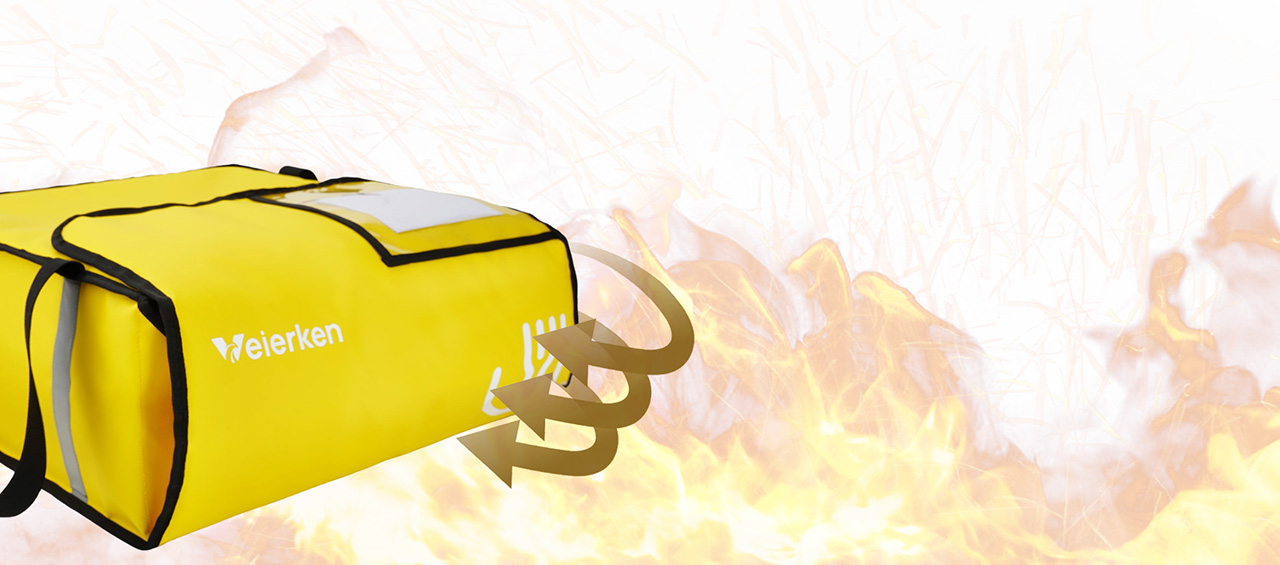
1. Vacuum Insulation Panel (VIP) Technology
Vacuum Insulation Panels represent the pinnacle of thermal efficiency in the current market. Their thermal conductivity is significantly lower than traditional materials—often five to eight times more effective than standard foam. When a dairy insulated bag fabricator uses VIP, they are choosing the highest level of protection available for long-distance transport.
The Technical Principle
A VIP consists of a core material, such as fumed silica or fiberglass, encased in a high-barrier composite film. The manufacturer removes the air to create a vacuum. This vacuum eliminates convection and gas conduction, which are the primary ways heat moves through air. Only a tiny amount of heat can pass through via radiation.
Application in Dairy Bags
The fabricator embeds these panels into the sidewalls and the base of the bag. When paired with a reflective foil layer, the VIP creates an nearly impenetrable barrier against external heat.
- Weight and Space Efficiency: Because VIP is so efficient, the bag walls can be much thinner. A VIP bag provides the same insulation as a PE foam bag three times its thickness. This saves space in delivery vehicles.
- Long-Haul Performance: In an environment of 35°C, a bag equipped with VIP and phase-change ice packs can maintain the 0-4°C range for 8 to 12 hours.
- Ideal Use Cases: These are perfect for long-distance cold chain delivery or last-mile distribution in tropical climates.
OEM and ODM Implementation
For OEM projects, a dairy insulated bag fabricator selects the specific thickness of VIP based on the client’s delivery window, such as 6 or 12 hours. For ODM clients, we can develop custom composite structures. We optimize the layout of the panels to find the best balance between weight, cost, and thermal duration for specific dairy logistics routes.
2. Phase Change Materials (PCM) for Precision Control
Traditional ice packs often fluctuate in temperature as they melt, sometimes dropping too low and freezing the milk, or rising too quickly and letting it spoil. PCM technology solves this through latent heat absorption.
The Technical Principle
PCM refers to substances like paraffin-based or salt-hydrate materials that absorb or release large amounts of energy when they change from solid to liquid. A specialized dairy insulated bag fabricator selects materials with a phase-change point exactly between 0°C and 4°C. As the external temperature rises, the PCM melts at a constant temperature, soaking up the heat and keeping the dairy products stable.
Key Benefits for Dairy
- High Precision: The temperature fluctuation is usually less than ±1°C. This is far superior to standard gel packs which can vary by ±3-5°C.
- Longer Duration: PCM has a much higher latent heat capacity than water-based ice. This means a single pre-chilling cycle lasts significantly longer.
- Sustainable ROI: These packs can be reused hundreds of times, reducing the long-term cost per delivery.
OEM and ODM Implementation
In an OEM scenario, we match the PCM capacity to the bag size to ensure the thermal window remains open throughout the delivery route. On the ODM side, we can customize the phase-change point. For example, some specialized cheeses might prefer a constant 4°C, while fresh milk needs to stay closer to 2°C. We design dedicated compartments or “ice board bins” within the bag structure to ensure the PCM packs stay in the optimal position for cooling.
Weierken continues to innovate in this space, ensuring that our PCM integration is seamless and user-friendly for delivery staff.
3. Multi-layer Composite Reflective Structures
A single layer of insulation cannot stop all three types of heat transfer: conduction, convection, and radiation. An expert dairy insulated bag fabricator uses a “sandwich” approach to build a comprehensive thermal shield.
The Technical Principle
The structure typically follows a specific order from the outside in:
- Abrasion-Resistant Outer Layer: Usually made of high-denier polyester or nylon, this layer provides water resistance and tear strength.
- High-Density Insulation Core: This is often PE or EVA foam, which blocks heat conduction.
- Reflective Aluminum Foil: This layer reflects up to 95% of radiant heat back away from the bag.
- Static Air Gap: Professional designs often include a small gap where air is trapped, utilizing air’s naturally low thermal conductivity.
- Food-Grade Inner Liner: A waterproof and oil-proof lining that is safe for food contact.
Why This Matters
By using thermal bonding or laminating processes, a dairy insulated bag fabricator ensures these layers don’t separate. This prevents “cold bridges,” which are weak spots where heat can bypass the insulation. This multi-layer approach can extend the cooling time by 100% to 200% compared to a simple single-layer bag.
OEM and ODM Implementation
For OEM orders, we produce these composite layers to strict standard specifications, ensuring consistency across thousands of units. For ODM projects, we customize the number of layers. A client might need a 3-layer lightweight bag for quick home delivery or a 5-layer heavy-duty version for industrial milk transport. We also add functional top layers for puncture resistance or greaseproofing depending on the specific dairy product being moved.

4. Seamless Heat-Press Molding Technology
Traditional sewing is a major weakness in thermal bag design. Every needle hole is a tiny vent where cold air escapes and warm air enters. Furthermore, needle holes allow moisture to seep into the insulation, which leads to mold and reduced efficiency.
The Technical Principle
Instead of sewing, a professional dairy insulated bag fabricator uses high-frequency (HF) welding or specialized heat-press molds. This process uses energy to fuse the molecules of the materials together at the seams. It creates a three-dimensional structure that is completely airtight and watertight.
Core Advantages
- Zero Leaks: The bag becomes completely waterproof, often achieving an IPX7 rating. This is essential for containing condensation or accidental milk spills.
- Structural Integrity: The fused seams are often stronger than the fabric itself. They withstand repeated folding and heavy loads without tearing.
- Hygiene: Because there are no thread lines or needle holes, there is nowhere for bacteria to hide. The smooth inner surface is easy to sanitize with standard cleaning agents.
OEM and ODM Implementation
For OEM clients, we develop custom molds based on their design drawings to ensure every bag is dimensionally perfect. For ODM brands, we design the mold from scratch. This allows for unique bag shapes, integrated ice pack slots, and innovative opening mechanisms that aren’t possible with traditional sewing.
Weierken utilizes advanced heat-pressing equipment to provide our partners with bags that are both durable and thermally superior.
Precision is the most important factor in dairy logistics. If you work with a dairy insulated bag fabricator that only uses basic sewing and standard foam, you are taking a risk with your product quality. By investing in VIP panels, PCM precision, multi-layer composites, and seamless molding, you secure your cold chain.
These technologies do more than just keep milk cold; they reduce waste, protect your brand, and lower the total cost of ownership through durability. Weierken is committed to helping B2B partners find the right balance between these advanced features and their operational budgets.
Do you need to improve your dairy delivery performance?
[Inquire Now for a Technical Consultation and Custom Quote.]
Frequently Asked Questions (FAQ)
1. Is VIP technology worth the extra cost for local delivery?
If your delivery route is under two hours, VIP might be overkill. However, for routes exceeding six hours or for deliveries in extreme heat, the reduction in spoiled product and the ability to carry more items due to thinner walls often makes the ROI very attractive.
2. Can a dairy insulated bag fabricator customize the PCM for different seasons?
Yes. You can use different PCM packs for summer and winter. In the summer, you might use a pack with a lower phase-change point to combat high ambient heat. Your dairy insulated bag fabricator can provide a range of packs for the same bag.
3. How do I clean a bag made with seamless heat-press technology?
Cleaning is simple. Because there are no stitches, you can simply wipe the interior with a damp cloth and mild detergent. The waterproof nature of the seams also allows you to rinse the interior without worrying about water getting into the insulation layer.
4. Are these advanced materials safe for direct food contact?
The inner linings used by a professional dairy insulated bag fabricator are made from food-grade TPU or PEVA. These are BPA-free and comply with FDA and LFGB standards. They are designed to be safe even if they come into contact with the primary dairy packaging.
5. How does a multi-layer structure affect the bag’s weight?
While more layers generally add weight, the use of high-tech materials like VIP and high-density EVA foam keeps the bag surprisingly light. An expert dairy insulated bag fabricator focuses on “strength-to-weight” ratios to ensure the bags are easy for delivery staff to carry.
6. Can I combine these technologies in one bag?
Absolutely. Many high-end dairy bags use a multi-layer composite structure with VIP inserts and PCM packs, all held together by seamless welding. This “total solution” approach provides the maximum possible protection for high-value dairy products.
7. Does heat-press molding limit the design of the bag?
While it requires specific molds, it actually allows for more creative shapes than traditional sewing. You can have molded compartments, reinforced corners, and integrated handles that are much more ergonomic and durable.


