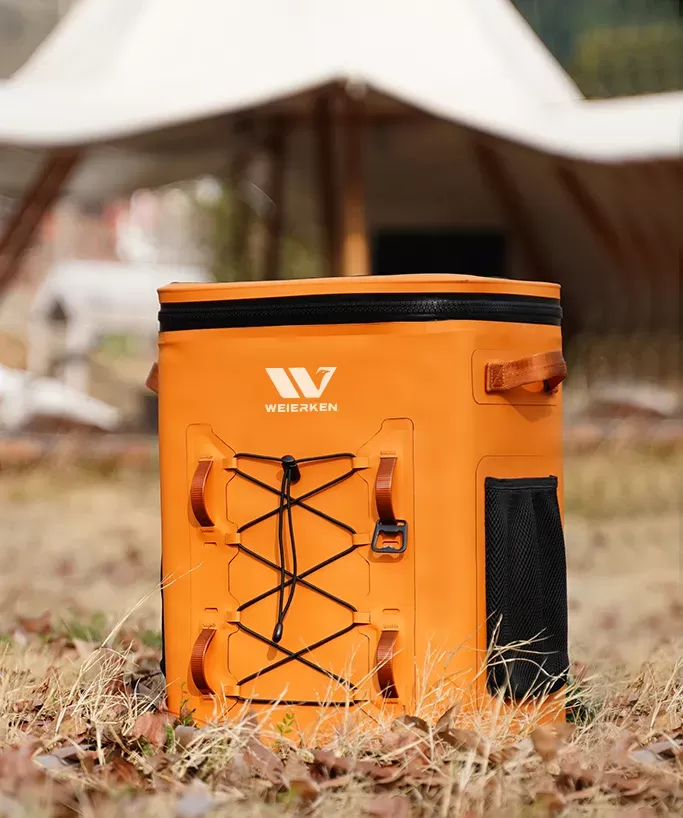

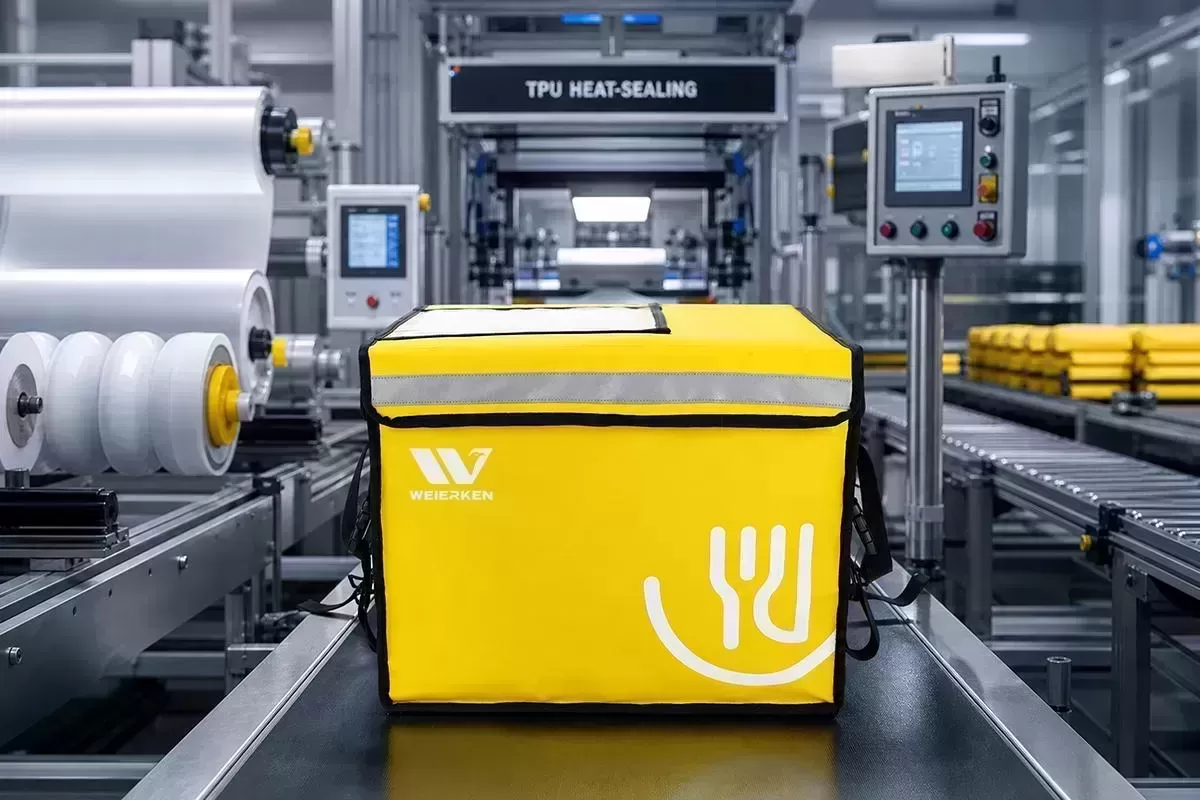
The global expansion of on-demand delivery services has turned delivery bags into essential assets for restaurants, courier fleets, and third-party logistics firms. Because delivery bags are subjected to daily wear-and-tear, procurement managers must constantly balance quality with upfront purchase costs.
Choosing an affordable delivery bag maker does not mean you have to settle for generic, low-quality gear that falls apart within a few weeks. Instead, a resourceful manufacturer can use smart design and material choices to deliver high-performance, customized bags within your budget constraints. Partners like Weierken can help you optimize your specifications, allowing you to stretch your procurement budget further.
Here are four custom features that an experienced manufacturer can integrate into your design to reduce costs while keeping performance high.
1. Flexible Thermal Zoning with Removable Dividers
Managing mixed food orders is a common challenge for delivery couriers. Keeping hot pizzas warm while ensuring cold drinks do not melt requires separate temperature zones inside the same bag.
While some high-end manufacturers build separate, permanently insulated chambers, this approach requires complex assembly and drives up costs. A smart affordable delivery bag maker can offer a much simpler, more cost-effective solution.
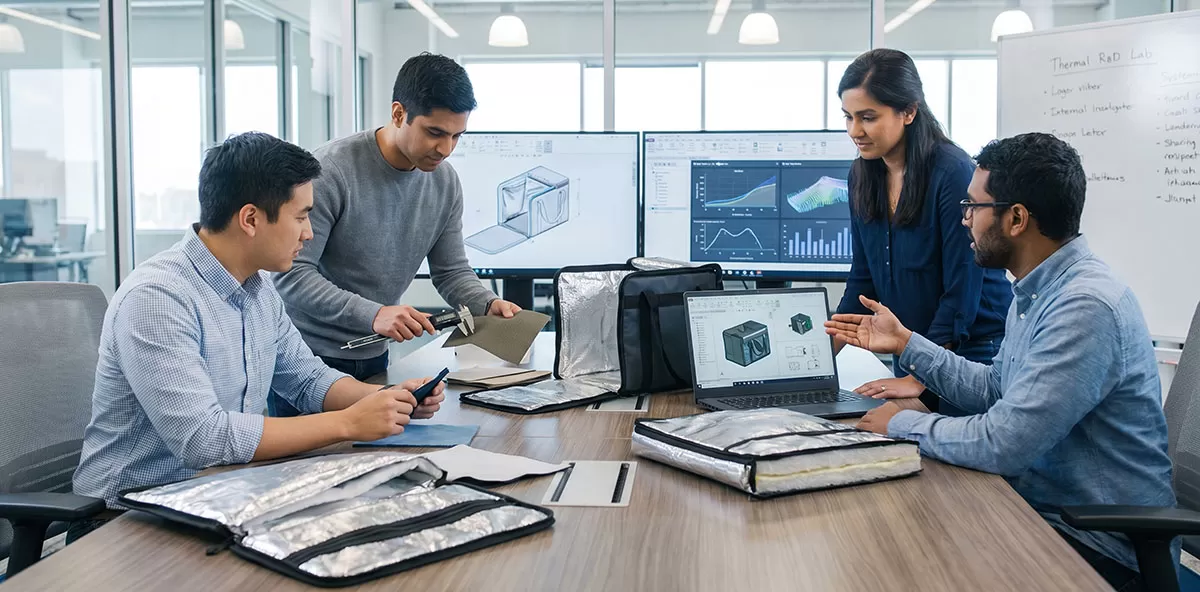
By sewing horizontal hook-and-loop (velcro) strips along the interior walls, a **custom food delivery backpack factory** can provide adjustable, removable divider panels. These panels are made from lightweight EPE foam wrapped in highly reflective aluminum foil.
Space Optimization: Couriers can quickly adjust the divider heights to match the size of each delivery order.
Dual-Temperature Control: The reflective foil lining blocks heat transfer, keeping hot food and cold items separated within a single chamber.
Cost Savings: Removable dividers require minimal assembly labor, keeping manufacturing costs much lower than multi-chamber designs.
This design allows fleet operators to purchase one versatile bag model that handles both hot food deliveries and cold grocery runs, reducing overall inventory costs.
2. Interchangeable PVC Window Pouches for Flexible Branding
Many delivery fleets operate as multi-platform subcontractors, meaning riders may deliver for different brands on the same shift. In these cases, permanently embroidered or printed logos are not practical.
Large-scale silk-screen printing also adds set-up fees and increases the factory's Minimum Order Quantity (MOQ). To solve this issue on a budget, an affordable delivery bag maker can sew clear, heavy-duty PVC window pouches onto the front and sides of the bag.
Instead of ordering separate bag runs for each brand, you can buy a single batch of unbranded **wholesale insulated courier bags**. When a rider starts a shift, they simply slide a printed paper or thin PVC sign into the clear window.
Lower Setup Costs: Eliminates setup fees for silk-screen printing and high-stitch embroidery.
Operational Flexibility: Allows you to quickly update your branding or display temporary seasonal marketing messages.
Higher Resale Value: Unbranded bags are easier to sell or reassign to other sub-fleets if your business needs change.
This simple modification reduces pre-production costs and helps keep your operations highly flexible.
3. Overlapping Storm Flaps Instead of Waterproof Zippers
Rain is a constant challenge for food delivery fleets, as wet packaging leads to customer complaints. Keeping water out of the bag's main zipper is critical to protecting the orders inside.
While airtight, waterproof zippers offer excellent moisture protection, they are expensive and prone to jamming or tearing under heavy daily use. A **budget-friendly pizza delivery bag supplier** can suggest a much more durable, mechanical solution.
By using standard, heavy-duty nylon zippers and covering them with a wide, overlapping waterproof fabric flap, you create a highly effective physical barrier against rain. These flaps are secured with simple velcro tabs to keep them flat in high winds.
This overlapping storm flap system deflects rainwater away from the zipper tracks, keeping the bag's interior dry during standard rainstorms. It also lowers material costs and reduces zipper-related warranty claims by up to 40%.
By relying on this smart design, Weierken delivers reliable weather protection without the high cost of specialized waterproof hardware.
4. Collapsible Designs Using Lightweight PP Honeycomb Boards
Shipping bulky, pre-assembled delivery bags from the factory to your warehouses creates high logistics and storage costs. If bags ship fully assembled, you end up paying to transport a lot of empty air.
To address this, a leading **durable thermal delivery bag manufacturing** partner can design a fully collapsible structure. Rather than using permanent metal frames, the bag uses removable interior support panels.
The factory can place sleeves inside the bag walls for high-strength, lightweight PP (polypropylene) honeycomb boards. These boards slide into place easily to give the bag its structural shape, and they can be removed just as quickly to fold the bag flat.
This flat-pack capability allows you to fit up to three times as many units into a single ocean container, dramatically reducing your international shipping and warehouse storage costs.
| Support Material | Unit Weight | Collapsible? | Logistics Impact |
|---|---|---|---|
| Fixed Metal Frame | Heavy | No | High CBM volume, expensive shipping and storage. |
| Fiberglass Rods | Medium | Partially | Requires assembly, moderate shipping volume. |
| PP Honeycomb Panels | Very Light | Yes (Flat-Pack) | Minimizes CBM volume, lowest shipping costs. |
Using lightweight PP honeycomb boards also reduces courier fatigue during long shifts, helping to support rider retention for your delivery fleet.
Summary: Value-Driven Engineering
Sourcing your fleet's gear from an affordable delivery bag maker does not mean you have to sacrifice performance. By replacing expensive materials with smart mechanical designs—like using storm flaps instead of waterproof zippers, and using flat-pack designs—you can get highly customized, durable **custom logistics bags** within your target budget.
When you focus your budget on durability where it matters most, such as heavy-duty fabrics and reinforced handle stitching, you can create a reliable delivery bag that performs well without breaking the bank.
At Weierken, we specialize in helping our B2B partners balance durability with smart, cost-effective design. This approach ensures your couriers stay comfortable and your deliveries stay hot, all within a reasonable procurement budget.
Frequently Asked Questions
1. How can an affordable delivery bag maker keep production costs low without reducing durability?
An experienced **affordable delivery bag maker** focuses on value-driven design rather than cheap materials. By using mechanical designs like storm flaps instead of expensive waterproof zippers, and removable PP boards instead of heavy metal frames, they can reduce production and shipping costs while keeping the bag strong and durable.
2. What materials are recommended for the internal lining of wholesale insulated courier bags?
For cost-effective **wholesale insulated courier bags**, we recommend using food-safe PEVA or thick aluminum foil linings laminated with EPE foam. These materials offer great thermal insulation, are easy to wipe clean, and are much cheaper than heavy polyurethane linings.
3. How does flat-pack packaging save shipping costs for large orders?
Assembled delivery bags contain a lot of empty space, which increases your shipping volume (CBM). Flat-pack designs allow the bags to be shipped flat, letting you fit up to three times as many bags into a single shipping container and significantly lowering your per-unit shipping costs.
4. Can we customize the sizing of a custom food delivery backpack factory design?
Yes. A professional **custom food delivery backpack factory** can adjust the bag dimensions to match your specific delivery containers, such as pizza boxes, sushi trays, or standard grocery crates. This helps prevent food from sliding around and getting damaged during transit.
5. Why are storm flaps a better choice than waterproof zippers for budget-conscious logistics fleets?
Waterproof zippers are expensive to buy and replace, and they can easily jam under heavy daily use. Storm flaps use standard, heavy-duty nylon zippers protected by a waterproof fabric cover, providing reliable rain protection at a much lower cost and with fewer maintenance issues.
Optimize Your Delivery Fleet's Gear Today
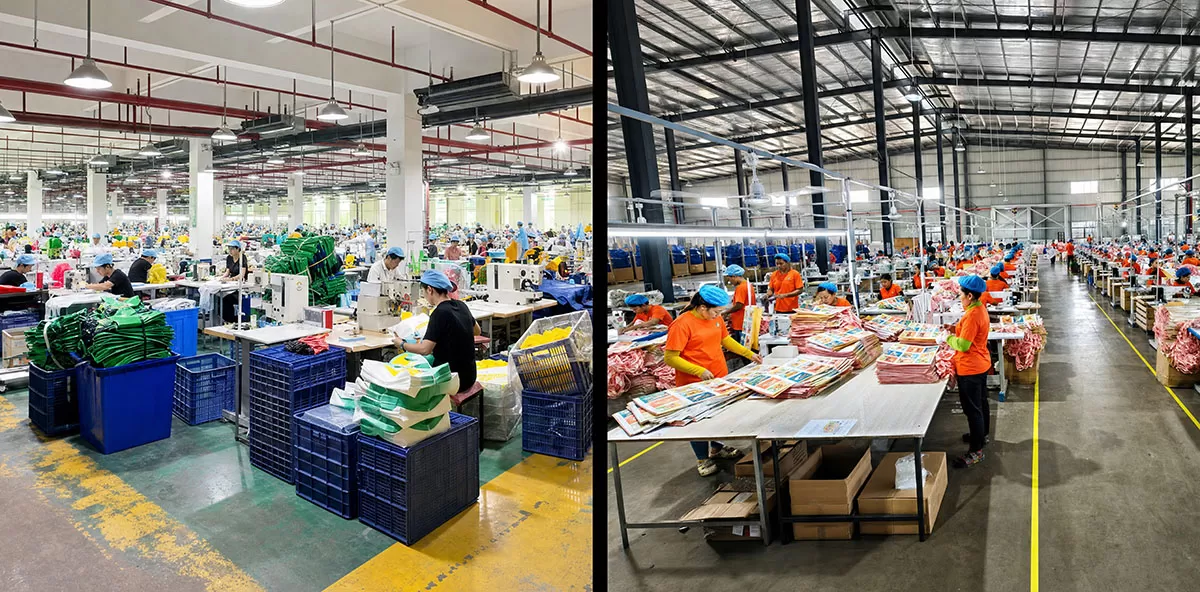
Are you looking to upgrade your logistics fleet with custom, durable, and cost-effective insulated delivery bags? The design and engineering teams at Weierken are ready to help you optimize your specifications to fit your budget.
Contact us today to discuss your project requirements, request a physical prototype, or receive a detailed production quote.