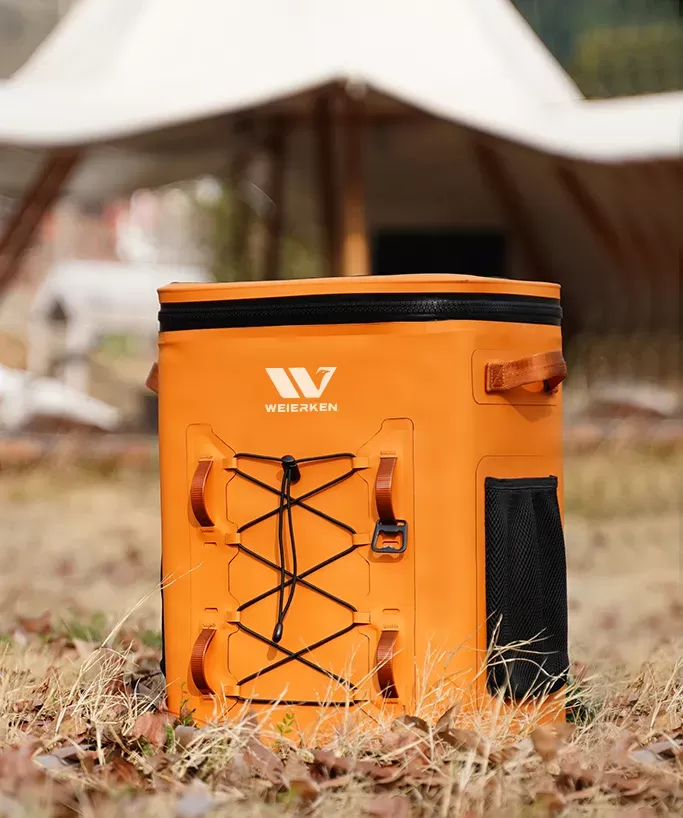

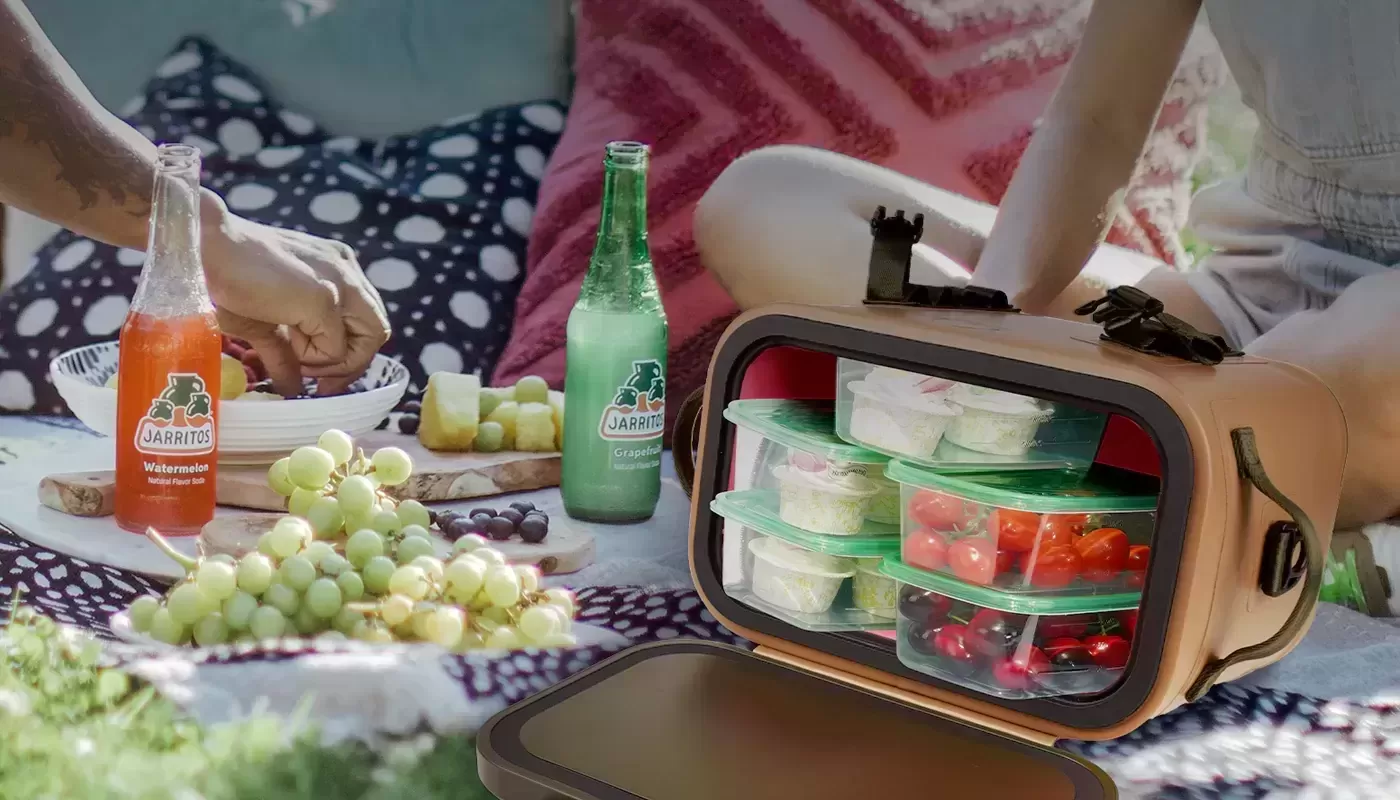
Outdoor cooking, camping trips, and family picnics are experiencing steady global growth. For outdoor lifestyle brands and retail buyers, a high-quality, insulated barbecue cooler bag is an excellent product to capture this demand. However, sourcing a bag that performs reliably under real-world conditions requires a careful evaluation of manufacturers.
Many buyers face common product defects after shipment, such as melting ice water leaking through stitched seams, broken zippers, or poor thermal retention. Finding a reliable bbq cooler bag maker requires assessing physical manufacturing processes, material safety standards, and engineering capabilities. Working with an experienced manufacturer like Weierken helps brands avoid these technical pitfalls from prototype to final shipment.
This guide explains the essential manufacturing standards you should look for when choosing an OEM partner for your next barbecue cooler bag project.
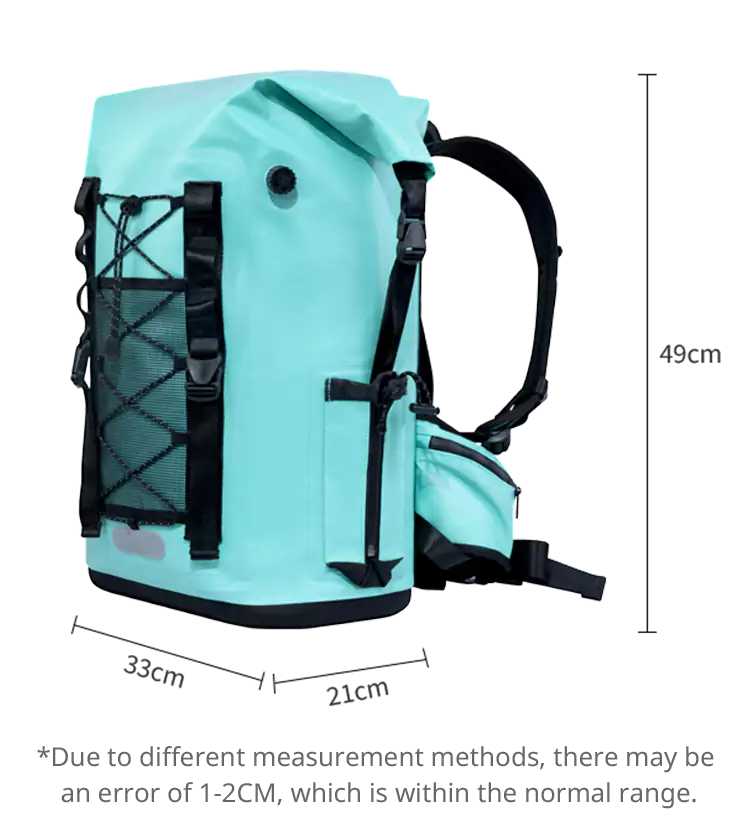
1. Leakproof Construction and Thermal Performance
The primary function of any cooler bag is keeping contents cold without letting water escape. When evaluating a potential bbq cooler bag maker, pay close attention to how they seal their inner linings.
High-Frequency Heat-Welding (Seamless Linings)
Traditional sewing needles create tiny holes in the lining material. When ice melts inside a stitched cooler bag, water inevitably seeps through these punctures and dampens the insulation layer. To prevent this, a professional leakproof BBQ cooler bag factory must use high-frequency (HF) or ultrasonic welding machines.
HF welding uses electromagnetic energy to fuse PEVA or TPU lining sheets together, creating a permanent, waterproof bond. When auditing a factory, confirm that they have dedicated HF welding stations and specialized operators who can weld complex corner joints cleanly.
PEVA Liners: A cost-effective, flexible, and popular option for consumer-grade coolers.
TPU Liners: A premium, puncture-resistant material that remains flexible in cold weather and is highly durable.
Welded Corners: Ensure the factory uses folded or reinforced welded corner patterns to handle the stress of heavy ice loads.
Insulation Materials and Thermal Retention
The thickness and type of insulation foam determine how long the bag can keep beverages and meats cold. A qualified OEM insulated cooler bag manufacturer should offer several insulation choices based on your budget and cooling targets.
Standard retail cooler bags generally use EPE (Expanded Polyethylene) pearl cotton foam, ranging from 5mm to 8mm in thickness. For premium outdoor coolers designed to hold ice for 24 to 36 hours, look for closed-cell NBR (Nitrile Butadiene Rubber) foam with a thickness of 10mm to 15mm. Closed-cell foam resists moisture absorption, maintaining its insulation performance over years of heavy outdoor use.
2. Heavy-Duty Materials and Hardware Integration
Barbecue cooler bags carry heavy loads, including ice packs, raw meats, glass bottles, and sharp metal cooking tools. The bag's outer shell must be strong enough to resist tears, while the handle stitching must handle significant weight.
Outer Shell Fabrics and Stitch Reinforcement
Your manufacturer should source durable, abrasion-resistant outer fabrics like 600D or 900D Oxford polyester coated with a water-resistant PVC or polyurethane (PU) backing. For high-end, waterproof soft coolers, double-sided TPU-coated tarpaulin is often the preferred choice.
Because these bags carry heavy weights, simple single-line stitching on handles and shoulder straps will fail over time. A reliable bbq cooler bag maker should apply heavy duty reinforcement at all load-bearing points.
Box-Stitching (X-Stitch): This pattern distributes weight across a larger surface area on straps and carry handles.
Bar-Tack Reinforcement: Tight, dense rows of zigzag stitching applied to high-stress zipper ends and strap mounts.
Webbing Quality: High-tensile nylon webbing should be used for straps to prevent fraying and tearing.
Functional Accessories and Custom Tool Storage
A great barbecue bag often incorporates specialized storage features for grilling tools. When selecting a custom picnic cooler bag supplier, look for one that can integrate functional, value-add accessories directly into your custom design.
These features can include integrated bottle openers, dedicated exterior elastic straps for barbecue tongs, and front dry storage pockets for paper towels or spices. If your design requires a waterproof outer shell, the factory must be able to source and install high-density, airtight zippers to keep water in and hot air out.
3. Food Safety, Chemical Compliance, and Certifications
Because barbecue cooler bags directly hold food, beverages, and ice, the inner lining must be completely safe for human contact. Material safety and environmental compliance are essential when importing into North American and European markets.
Your chosen food-grade safe cooler bag OEM must provide verified documentation proving their materials are safe. Do not take verbal assurances at face value; request physical certification sheets before placing your deposit.
FDA & LFGB Compliance: Confirms that PEVA and TPU linings do not leach harmful chemicals when contacting food.
BPA-Free Materials: Verifies that all plastic buckles, linings, and accessories are free from Bisphenol A.
Social Compliance Audits: Ensure the factory maintains up-to-date audits like BSCI or SMETA (Sedex) to verify fair labor standards.
ISO 9001: Proves the factory follows a structured quality management system to keep defect rates low across large production runs.
At Weierken, we conduct regular testing on our raw material batches. We ensure all linings, threads, and foams meet international consumer safety standards, helping our clients navigate customs inspections smoothly.
4. OEM Customization and R&D Capabilities
A capable manufacturer does more than just copy a blueprint; they help you optimize your design for mass production. A competent bbq cooler bag maker should have an in-house design and prototyping department to turn your concepts into shelf-ready products.
Logo Application Methods
Depending on your brand identity and outer fabrics, the factory should support several high-quality labeling and branding methods.
| Logo Technique | Best Used For | Key Advantage |
|---|---|---|
| Silk-Screen Printing | Flat polyester and nylon fabrics | Cost-effective for high-volume orders with simple, solid-color logos. |
| Heat-Transfer Printing | Complex, multi-colored artwork | Allows for gradients and highly detailed brand designs. |
| Molded Rubber Patches | Rugged outdoor soft coolers | Highly durable, three-dimensional look that resists water and dirt. |
| Embroidery | Premium picnic and canvas bags | Offers a classic, high-end appearance on woven fabrics. |
Sample Development and Technical Packs
An experienced engineering team should be able to review your CAD files or technical packs, point out potential structural weaknesses, and suggest changes to improve thermal performance. A capable factory should deliver a functional, close-to-production sample within 7 to 10 days of receiving your design files.
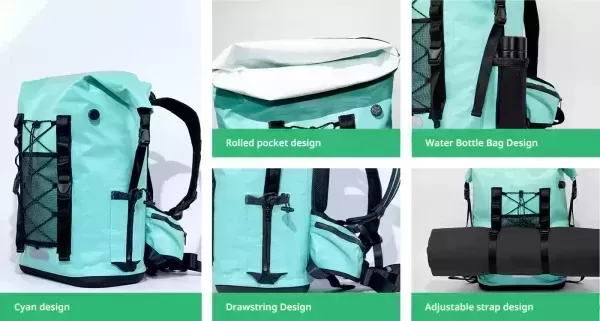
5. Managing Order Flexibility, MOQs, and Lead Times
Sourcing outdoor gear requires balancing seasonal demand with production timelines. Barbecue cooler bags sell best in spring and summer, meaning your production schedules must be planned months in advance.
To help you manage inventory risk, a flexible heavy-duty soft cooler bag wholesale supplier should offer reasonable Minimum Order Quantities (MOQs). A typical starting MOQ is around 500 to 1,000 units per style, allowing brands to test new designs without committing to excess inventory.
Standard production lead times generally range from 30 to 45 days after deposit and design approval. During peak seasons, material supply chains for specialized parts—like food-grade linings or airtight zippers—can slow down. Discussing these raw material buffers with your manufacturer ahead of time ensures you stay on schedule for your summer product launches.
At Weierken, we coordinate closely with our material suppliers to keep production timelines predictable, helping our clients avoid out-of-stock situations during their peak sales windows.
Choosing Your BBQ Cooler Bag Partner
Selecting the right bbq cooler bag maker involves looking closely at their construction methods, food-grade materials, and quality control systems. A quality bag must have reliable heat-welded seams, sturdy outer fabrics, and a fully compliant supply chain.
By conducting thorough material testing, requesting clear compliance certificates, and starting with a smaller trial order, you can build a stable, long-term sourcing partnership. We invite you to explore how our manufacturing capabilities at Weierken can help support your next product run.
Frequently Asked Questions
1. How does a leakproof BBQ cooler bag factory prevent internal water leakage?
A professional **leakproof BBQ cooler bag factory** avoids stitched seams on the inside of the bag. Instead, they use high-frequency heat-welding machines to fuse PEVA or TPU lining sheets together, creating a seamless, water-tight basin that keeps melted ice water from leaking into the insulation.
2. What materials are recommended for a food-grade safe cooler bag OEM project?
For a **food-grade safe cooler bag OEM** project, we recommend using PEVA or TPU for the interior lining. Both materials are non-toxic, easy to clean, and free from BPA and phthalates, making them completely safe for direct food and beverage contact.
3. How long can a heavy-duty BBQ cooler bag keep ice frozen?
The ice retention time depends on the insulation foam's type and thickness. A bag using standard 5mm EPE foam generally keeps items cold for 6 to 12 hours. Premium coolers with 10mm to 15mm closed-cell NBR foam can keep ice frozen for 24 to 36 hours, even in warm outdoor temperatures.
4. What is the typical sample lead time for a custom picnic cooler bag supplier?
A professional **custom picnic cooler bag supplier** can usually deliver a prototype sample in 7 to 10 working days. If your design requires custom plastic components, unique hardware, or custom metal bottle openers, the prototyping timeline may take slightly longer.
5. Does a reliable OEM insulated cooler bag manufacturer offer flexible MOQs?
Yes. Many manufacturers offer flexible starting MOQs of 500 to 1,000 units per color for new designs. This allows brands to test the market, verify quality, and get customer feedback before placing larger, high-volume production orders.
Get a Technical Consultation for Your BBQ Cooler Bag
Are you looking to design a leakproof, durable, and food-safe barbecue cooler bag for your brand? The engineering and production teams at Weierken are ready to help you develop your custom design.
Contact us today to discuss your project requirements, request a physical sample, or get a detailed production quote.