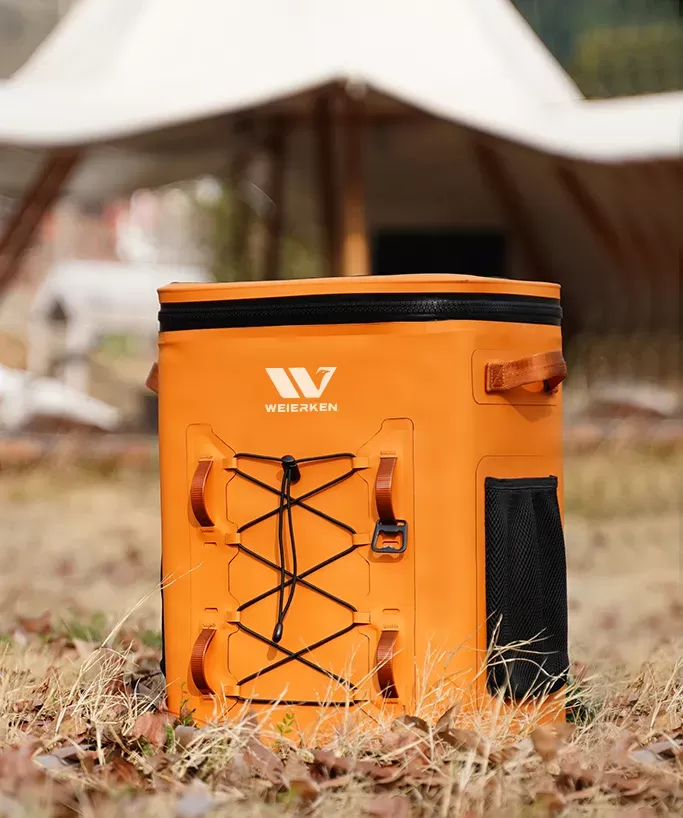

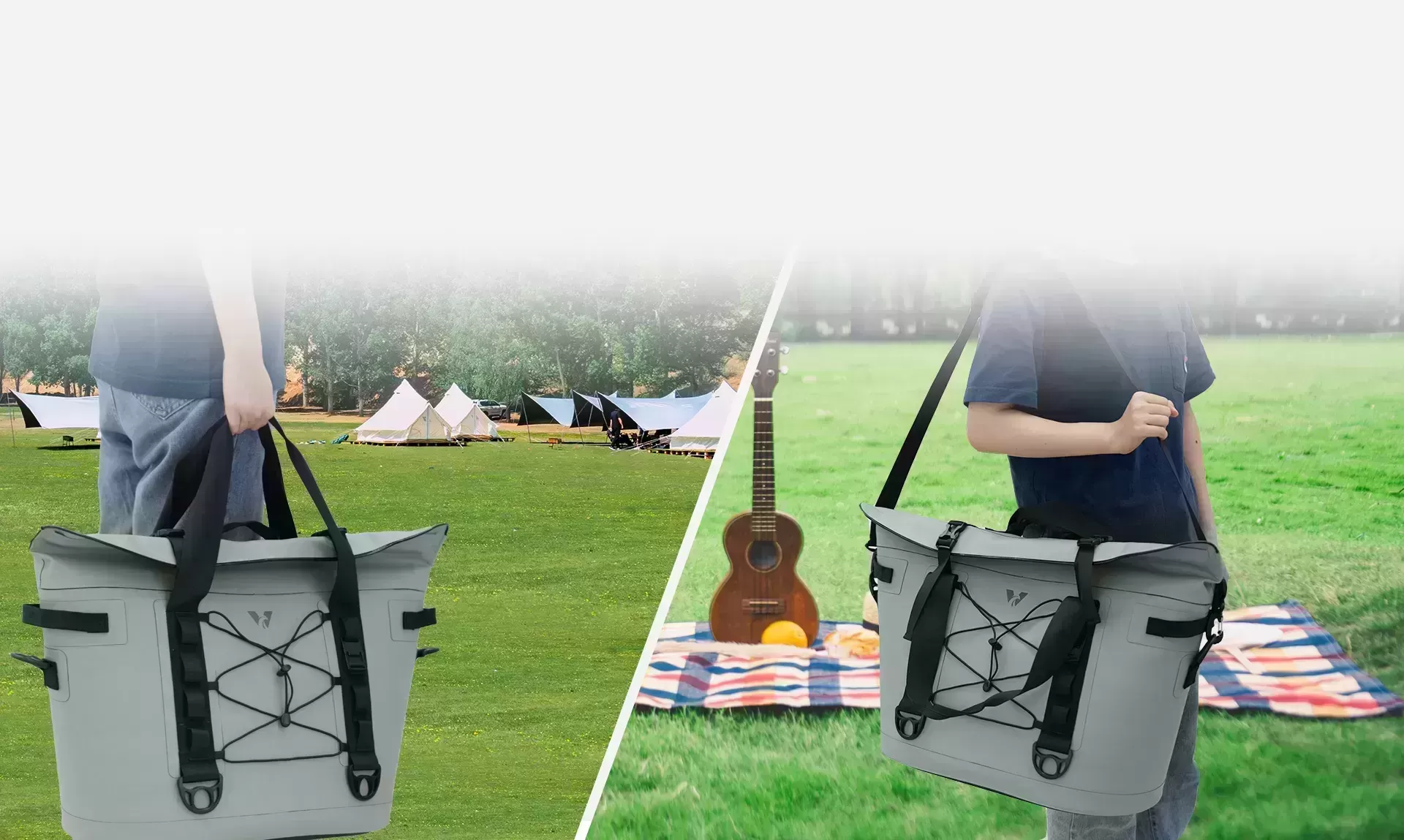
Many international retail brands and outdoor gear companies are diversifying their supply chains to manage trade tariffs. Cambodia has quickly become a key manufacturing hub for soft luggage and thermal bags. The country offers competitive labor costs and favorable export tariff structures to major Western markets.
However, moving your manufacturing operations to Southeast Asia requires careful risk management. To sell products in regions like the European Union and North America, your products must meet strict environmental laws. Selecting an unverified Cambodia cooler bag maker can lead to customs issues and product recalls if materials contain banned substances.
At weierken, we believe that environmental compliance is essential for modern business. We help our clients manage these risks by maintaining clear quality standards at our manufacturing facilities. This guide outlines the four essential eco-audits that B2B buyers should request when evaluating local suppliers.
1. Audit 1: Global Recycled Standard (GRS) Certification
Consumers increasingly expect products to use environmentally friendly materials, such as recycled polyester (rPET). This shift has led many brands to request recycled materials for their cooler bag outer fabrics.
However, false claims about recycled materials are a challenge in the textile industry. To protect your brand, a reliable Cambodia cooler bag maker should have valid Global Recycled Standard (GRS) certification.
Chain of Custody Tracking: GRS certification tracks recycled materials from the initial recycler to the final sewing facility.
Transaction Certificates (TCs): The factory must provide GRS Transaction Certificates for every shipment of fabric to verify its recycled origin.
Social and Chemical Restraints: GRS also checks that the factory meets basic labor and safe chemical guidelines during production.
Verifying these certificates ensures your bags are genuinely recycled, helping your brand avoid greenwashing risks during marketing campaigns.
2. Audit 2: Chemical Safety Compliance (REACH & California Prop 65)
Cooler bags are used to transport fresh food, drinks, and ice packs. This means the interior lining materials, such as PEVA or TPU, are in close contact with food packaging.
Poorly sourced lining polymers can contain harmful plasticizers like phthalates or heavy metals. An eco-friendly Cambodia cooler bag maker should provide clear chemical safety reports for all raw materials.
Many traditional waterproof coatings use PFAS (per- and polyfluoroalkyl substances) for water repellency. Because PFAS are persistent environmental pollutants, many regions now ban them. Ensure your local supplier uses PFAS-free water-resistant finishes on all outer fabrics.
At weierken, we test our raw materials to ensure our bags comply with REACH and California Prop 65. Sourcing from an eco-friendly cooler bag factory helps protect your business from costly product recalls and customs delays.
3. Audit 3: ISO 14001 Environmental Management System
Manufacturing thermal bags produces waste, including fabric scraps, foam off-cuts, and wastewater from printing processes. How a factory manages this waste reflects their commitment to sustainability.
An ISO 14001 audit verifies that a sustainable bag manufacturer Cambodia has a structured system to reduce its environmental footprint during daily operations.
Waste-Scrap Recycling: The factory should have clear processes to collect and recycle off-cuts of EPE/PEVA foam rather than sending them to landfills.
Wastewater Filtration: For factories with in-house printing, proper wastewater treatment is required to protect local rivers and water supplies.
Energy Efficiency: Audits check if the facility uses energy-saving equipment, such as LED lighting or rooftop solar panels, to reduce its carbon footprint.
Verifying ISO 14001 compliance ensures your production partners are committed to reducing waste and conserving energy in their facilities.
4. Audit 4: Better Factories Cambodia (BFC) & Social Compliance
In modern procurement, social responsibility is closely linked to environmental auditing. Sustainable manufacturing requires both safe working environments and fair treatment of workers.
In Cambodia, the primary standard for social compliance is the Better Factories Cambodia (BFC) program. This initiative is managed by the International Labour Organization (ILO).
A reputable Cambodia cooler bag maker must participate in BFC audits. These assessments evaluate fair wages, working hours, occupational health, and safety standards like proper ventilation and clear emergency exits.
In addition to BFC, buyers should look for globally recognized social certifications. These include SMETA (Sedex Members Ethical Trade Audit) or BSCI (Business Social Compliance Initiative) reports. These audits confirm that your supplier operates an ethical, safe, and legally compliant facility.
Strategic Sourcing: Comparing Local Suppliers
Use this table to evaluate different bag manufacturers during your vendor selection process.
| Evaluation Area | Compliance Standard | Key Verification Document |
|---|---|---|
| Material Origin | Global Recycled Standard (GRS) | Valid GRS Certificate & Transaction Certificates (TCs) |
| Chemical Safety | REACH / California Prop 65 | SGS/TÜV test reports confirming phthalate-free and PFAS-free materials |
| Factory Management | ISO 14001 Certification | ISO 14001 Audit Report with waste management plans |
| Social Responsibility | Better Factories Cambodia (BFC) / BSCI | Active BFC Registration or current BSCI/SMETA audit scores |
Frequently Asked Questions
1. Why is Global Recycled Standard (GRS) certification important for bags?
GRS certification verifies that the recycled polyester (rPET) in your bags is made from genuine post-consumer waste, such as plastic bottles. It ensures transparency throughout the entire textile supply chain.
2. What chemical risks are common in low-quality cooler bag liners?
Low-quality liners can contain phthalate plasticizers, heavy metals, or toxic PFAS coatings. These chemicals can transfer to food packaging under heat and are restricted in many global markets.
3. What is the Better Factories Cambodia (BFC) program?
BFC is an ILO-managed program that monitors working conditions in Cambodian factories. It ensures compliance with national labor laws and international standards, protecting brands from labor-related risks.
4. Can a Cambodia cooler bag maker help us avoid trade tariffs?
Yes. Cambodia benefits from favorable tariff systems, such as the Generalized System of Preferences (GSP), which can reduce import duties for major markets like Europe and Canada compared to other regions.
5. What is the typical lead time for a sustainable bag manufacturer in Cambodia?
Typical lead times range from 35 to 50 days, depending on fabric availability and order size. Sourcing custom recycled materials may add 10 to 15 days to the initial production timeline.
Build a Compliant, Resilient Supply Chain
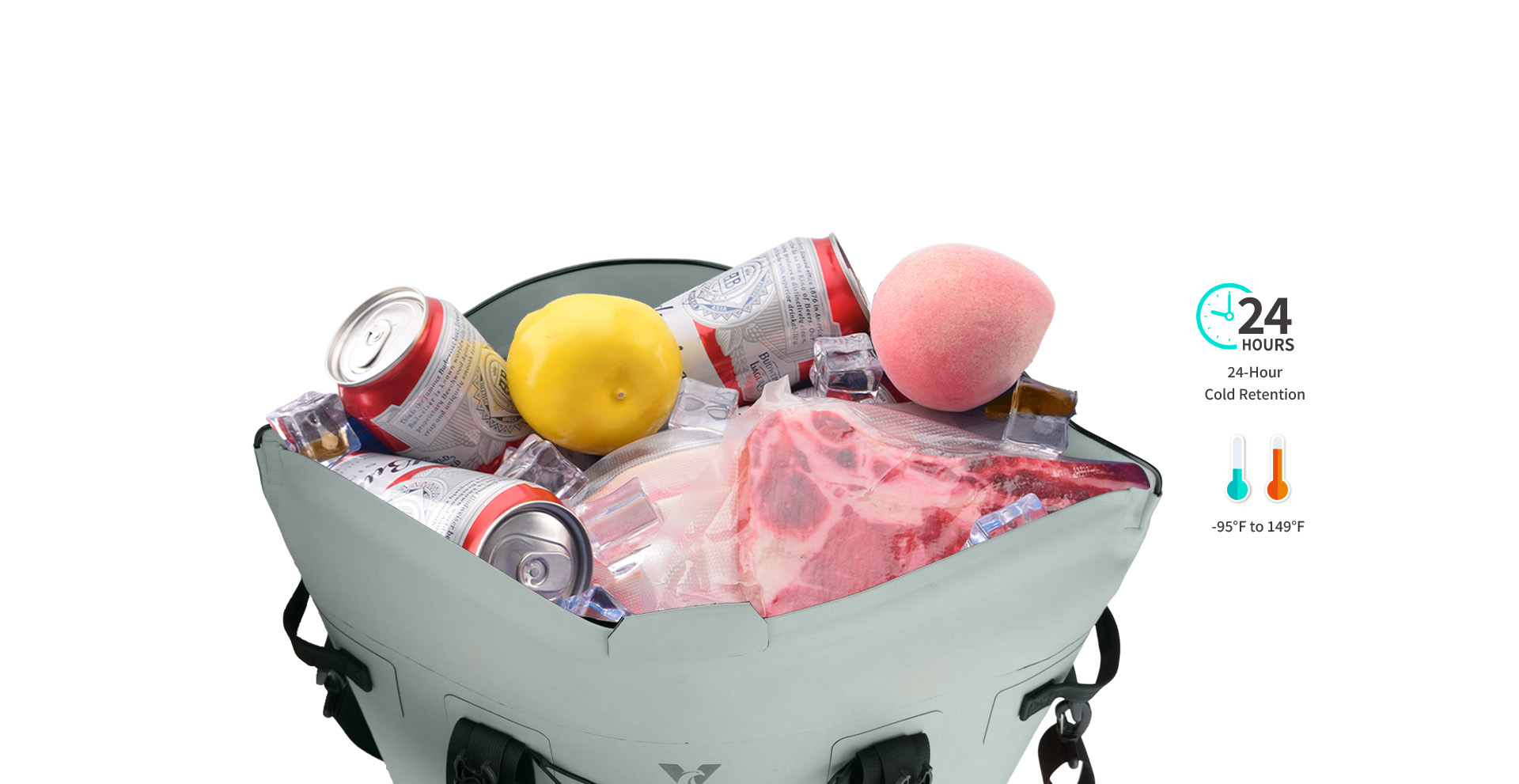
Selecting the right transport equipment is a long-term investment in your food quality and customer satisfaction. Working with an experienced Cambodia cooler bag maker helps ensure your deliveries stay fresh and secure from the kitchen to the customer's table.
At weierken, we focus on durable construction, reliable thermal efficiency, and food-safe materials. We collaborate closely with B2B buyers to design and manufacture commercial delivery solutions tailored to their operational needs.
If you are looking to build a compliant supply chain for your custom thermal bags, our team is here to assist you. Contact us today to discuss your specifications, request a sample, or get a competitive production quote.