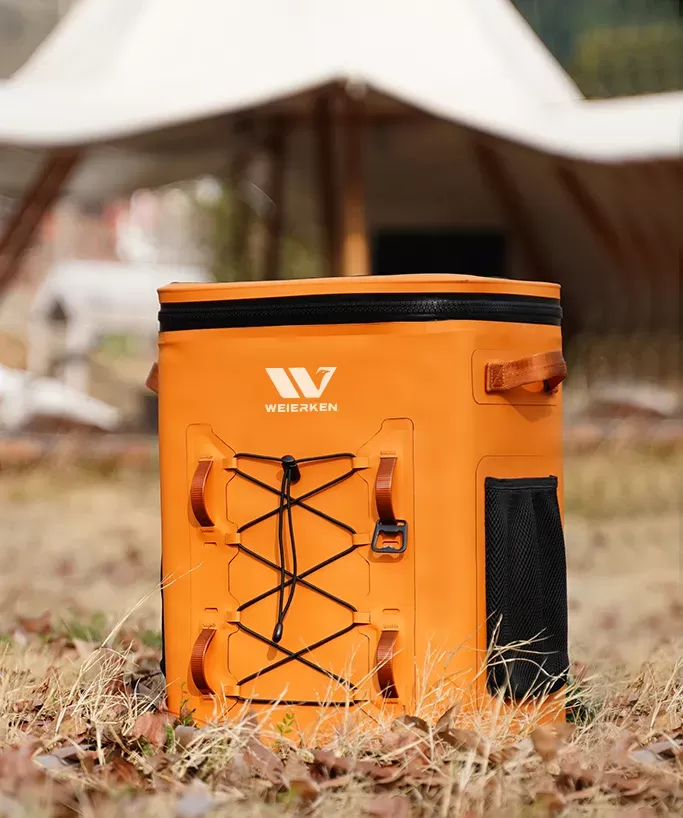

Transporting gourmet cakes is a high-stakes task. Unlike standard warm meals, cakes are highly sensitive to both temperature fluctuations and physical movement. A minor rise in temperature can melt delicate buttercream, while a small bump during transit can ruin an intricate design. Bakery owners, catering managers, and cold-chain procurement professionals face a constant challenge. They must find high-quality delivery packaging without overspending on their supply budgets.
Selecting an experienced cake thermal tote maker like Weierken is a practical step toward resolving this issue. A professional manufacturer helps you balance unit costs with structural durability, protecting your products and your brand reputation. In this guide, we will break down the essential factors of thermal bag construction. Our goal is to help you make an informed purchasing decision that aligns with your operational budget.
1. The Realities of Cake Delivery Logistics
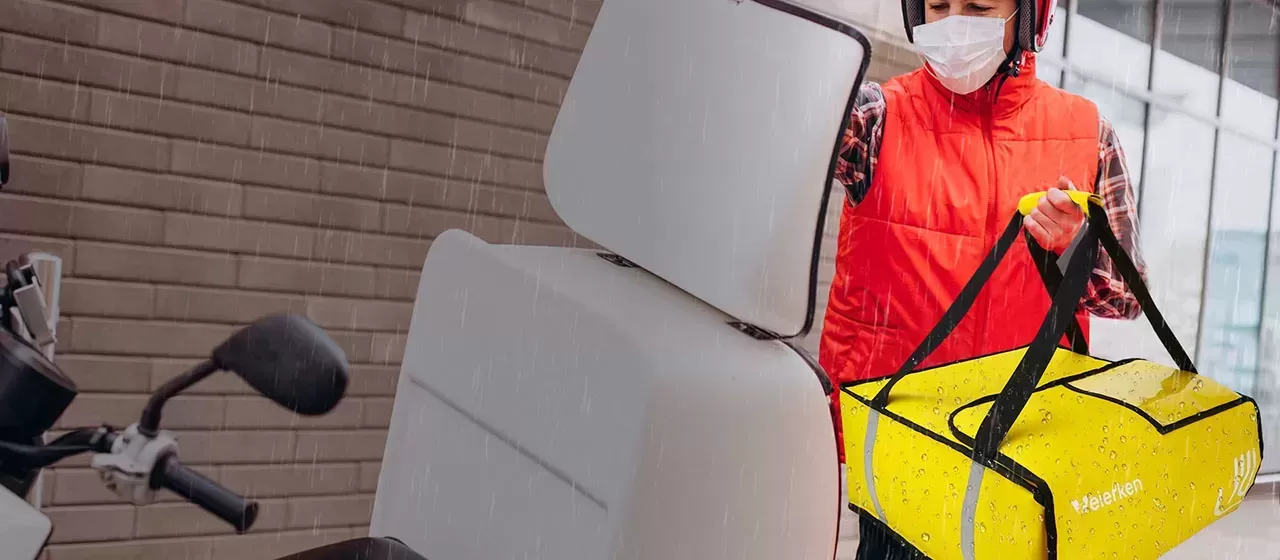
Bakery logistics require precise environmental control. Standard courier bags often fail because they lack the rigid structure needed to keep cake boxes level. When a bag sags, the cake slides, leading to damaged edges and customer complaints. These delivery failures lead to expensive refunds and damage your brand image.
Sourcing low-cost packaging might seem like an easy way to save money. However, cheap bags often wear out quickly, requiring frequent replacements. By working with a dedicated cake thermal tote maker, you can design bags that withstand daily wear while keeping temperatures stable. Investing in durable construction helps lower your long-term operating costs.
Weierken works closely with commercial bakeries to identify where standard bags fail. We focus on critical stress points, material wear, and thermal loss. This collaborative approach ensures that your custom carriers perform reliably in real-world delivery conditions.
2. Cost vs. Material: Understanding the Components
To make a cost-effective purchasing decision, you need to understand the materials used in manufacturing. The cost of wholesale insulated cake bags is directly tied to three main components: the outer fabric, the insulation core, and the inner lining.
Outer Fabrics: Durability vs. Budget
Non-Woven Fabric: This is the most budget-friendly option. It is lightweight and works well for short-distance, single-use, or promotional giveaways. However, it lacks tear resistance and is not suitable for heavy, multi-tiered cakes.
Oxford Polyester (e.g., 600D or 900D): This is the industry standard for professional delivery. It offers excellent resistance to abrasions and punctures. While it costs more initially, its long service life makes it highly cost-effective for daily deliveries.
Recycled PET (RPET): If you want to market your brand as environmentally friendly, consider sourcing from an eco-friendly cake tote supplier. RPET fabric performs similarly to standard polyester while reducing your brand's carbon footprint.
Insulation Layers: Maintaining Temperature
The middle layer of the bag determines how long it can maintain the correct temperature. This layer is typically made from Expanded Polyethylene (EPE) foam:
2mm to 3mm Foam: Best for quick, local deliveries (under 30 minutes). These bags are easy to fold and store but offer limited thermal protection.
5mm to 8mm Foam: The ideal choice for professional deliveries. This thickness keeps cakes cold for 1 to 2 hours, especially when used with gel ice packs. It also adds helpful structural rigidity to the bag.
Inner Linings: Sanitation and Leak Prevention
Aluminum Foil: This option offers good heat reflection and is cost-effective. However, it can tear over time if rubbed against sharp box corners.
PEVA or TPU (Heat-Sealed): These materials are thick, waterproof, and easy to clean. If a cake spills, the lining can be wiped down quickly. This makes it an excellent choice for a reusable custom cake thermal carrier.
3. Structural Integrity: Key Features to Look For
The way a bag is constructed is just as important as the materials used. A high-quality cake thermal tote maker focuses on structural details to ensure the bag can handle heavy loads without failing.
Reinforced Load-Bearing Points
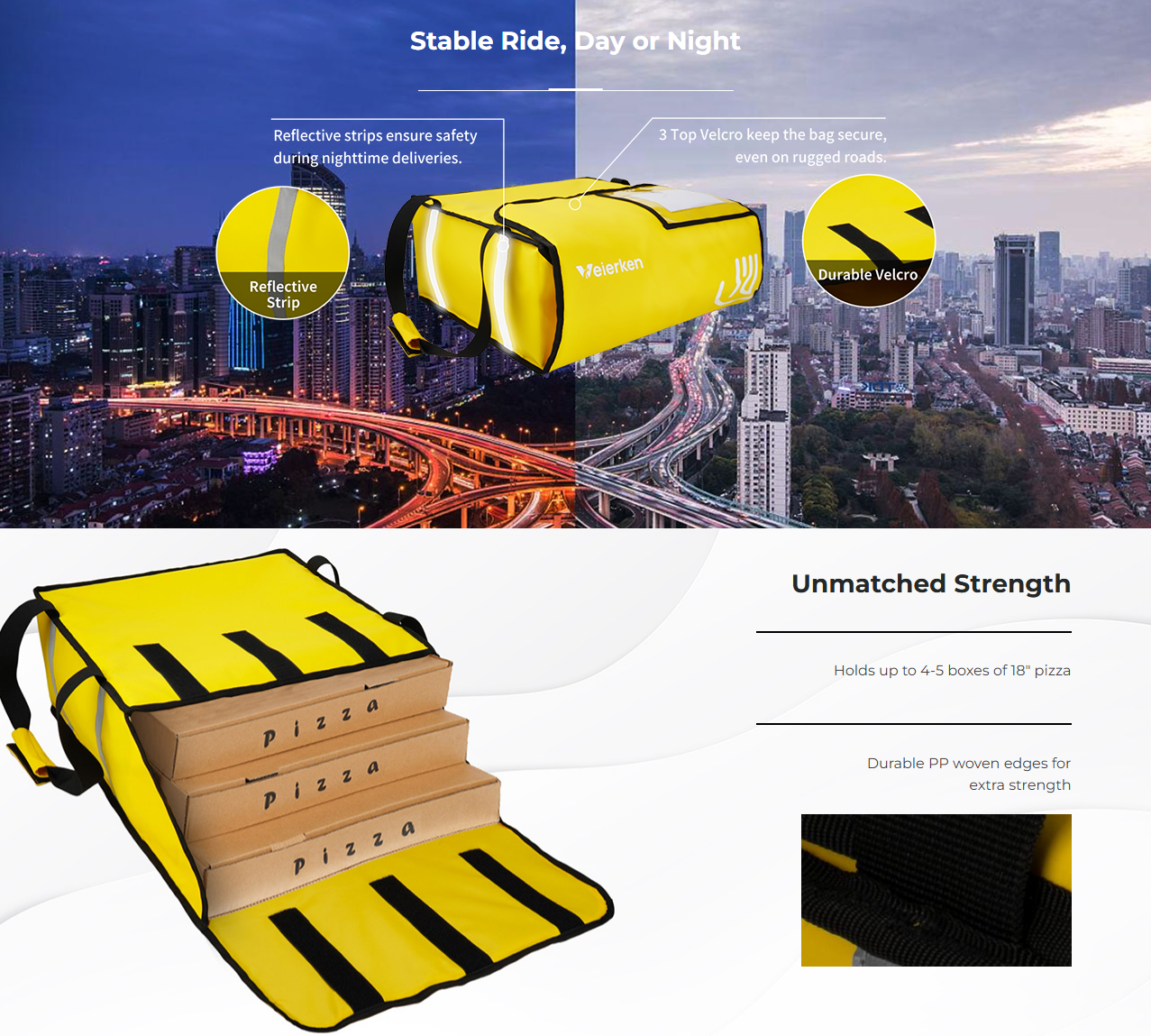
Heavy cakes place significant stress on bag handles. Standard vertical stitching can easily rip under tension. To prevent this, look for manufacturers that use "X-shaped" cross-stitching at all attachment points. Heavy-duty webbing that wraps completely around the bottom of the bag offers the best support for heavy, multi-tiered cakes.
Rigid Base Supports
A sagging bag bottom is a common cause of ruined cakes. To prevent this, professional bags include a rigid bottom insert. This is usually a removable piece of corrugated PP (polypropylene) plastic or dense cardboard wrapped in waterproof vinyl. This insert distributes the weight evenly, keeping the cake box perfectly flat during transit.
Reliable Closure Systems
Nylon Coil Zippers: These provide a secure seal that minimizes thermal loss. They are durable but add to the overall manufacturing cost.
Hook-and-Loop Fasteners (Velcro): These allow for quick opening and closing. However, they do not seal as tightly as zippers and can wear out over time.
4. Evaluating B2B Service Capabilities
Finding a supplier who offers a low unit price is only half the battle. You also need to evaluate their manufacturing capabilities, quality control standards, and business practices to ensure a smooth partnership.
Compliance and Material Safety
Because these bags transport food items, the materials must be safe. Ask potential suppliers for food-grade certifications, such as FDA or LFGB test reports, for their inner linings. A reputable heavy duty thermal bag manufacturer will readily provide this documentation.
Minimum Order Quantities (MOQs) and Pricing
Sourcing directly from a factory usually requires a minimum order. For custom-printed designs, MOQs typically range from 500 to 1,000 pieces. It is important to ask about tiered pricing, as ordering in larger quantities can significantly reduce your cost per unit.
Sampling and Production Lead Times
Before placing a large order, always request a pre-production sample. This allows you to test the bag's size, insulation performance, and stitching quality with your actual cake boxes. Standard production lead times usually run between 25 and 35 days after sample approval. Reliable manufacturers like Weierken provide clear timelines to help you plan your inventory.
5. Material and Budget Match Guide
Use this simple comparison table to match your business model with the right bag configuration:
| Business Model | Recommended Materials | Key Features | Cost Profile |
|---|---|---|---|
| High-Volume Retail Chains | Non-Woven Outer, 2mm EPE Foam, Aluminum Foil Lining | Lightweight, collapsible, low unit cost | Low (Best for budget packaging) |
| Premium Custom Bakeries | 600D Oxford Outer, 5mm EPE Foam, PEVA Lining | Waterproof, rigid base, cross-stitched handles | Medium to High (Durable for reuse) |
| Third-Party Cold-Chain Delivery | 900D Nylon Outer, 8mm EPE Foam, Heat-Sealed PVC Lining | Heavy-duty zippers, extra insulation, wipe-clean interior | High (Built for daily commercial use) |
Frequently Asked Questions
How do I choose the right size for a custom cake thermal carrier?
Measure your largest standard cake box, including any external ribbons or decorations. We recommend adding about 1 to 2 centimeters of clearance on all sides. This extra space makes it easy to slide the box in and out without scraping the cake.
Can these thermal delivery bags be washed and sanitized?
Yes. If your bag features a PEVA or TPU lining, you can easily clean it with a damp cloth and mild sanitizing spray. For the outer fabric, spot cleaning with warm water is best. Avoid machine washing, as it can damage the internal insulation layer.
What is the typical lifespan of a heavy-duty delivery bag?
With daily commercial use, a well-constructed bag made from 600D Oxford fabric and reinforced stitching will typically last between 12 and 18 months. Using removable plastic baseboards can help extend this lifespan by protecting the bottom of the bag from wear.
Do eco-friendly materials perform as well as standard plastics?
Yes. Modern recycled fabrics, like RPET, offer the same durability and water resistance as virgin polyester. Choosing recycled options helps you meet your sustainability goals without compromising on delivery performance.
How do gel ice packs improve temperature control?
Thermal bags slow down the transfer of heat, but they do not generate cold air. Adding gel ice packs to the bottom or sides of the bag helps maintain a cool environment, which is essential for keeping cream and buttercream stable during longer deliveries.
Partner with a Trusted Manufacturer
Choosing the right delivery bags requires finding the right balance between up-front costs and long-term durability. By understanding how different materials and construction methods affect performance, you can select packaging that keeps your products safe and fits your budget.
At Weierken, we manufacture dependable, high-quality thermal carriers tailored to your specific business needs. Whether you need a simple solution for a local bakery or a rugged, high-volume carrier for a large logistics network, our team is here to help. Contact us today to request a custom quote or discuss your design requirements with our team.