

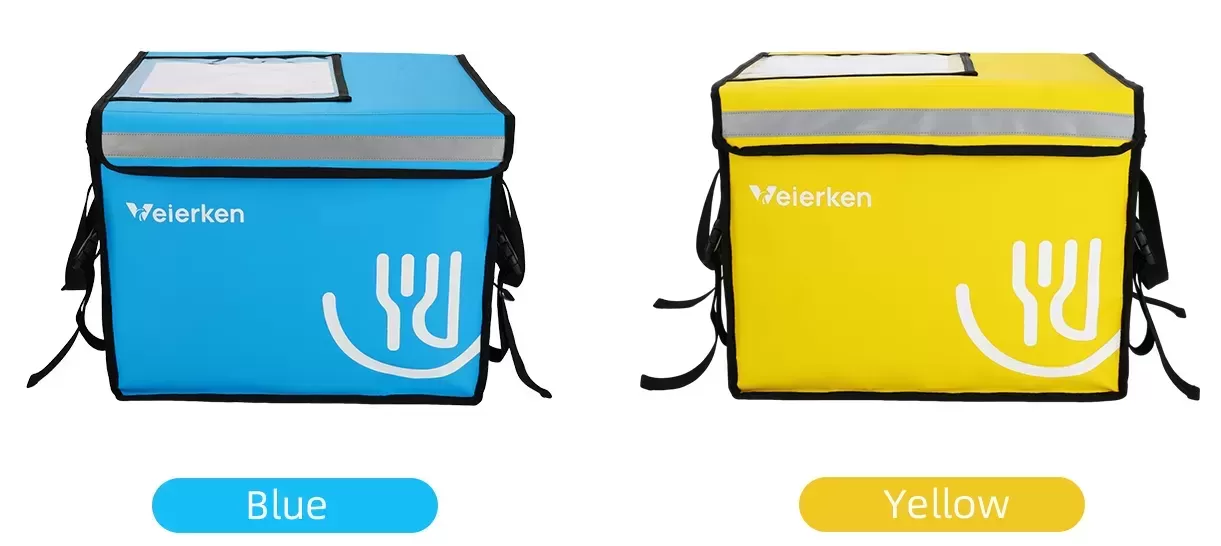
B2B procurement managers face a changing market environment. Retailers, fresh food delivery services, and corporate gift suppliers no longer focus solely on the lowest unit cost. Instead, modern sourcing strategies balance thermal performance with corporate environmental responsibility.
As an experienced reusable insulated tote maker, Weierken observes how sustainability drives modern packaging choices. Regulatory pressures on single-use plastics are tightening worldwide. Brands need packaging that protects temperature-sensitive goods while matching their corporate environmental goals.
We have analyzed current developments on our manufacturing lines. From this perspective, we compiled four key ecological design trends. These strategies help businesses protect their cold-chain integrity and improve their brand standing with consumers.
Trend 1: Mono-Material Design for Simplified Recycling
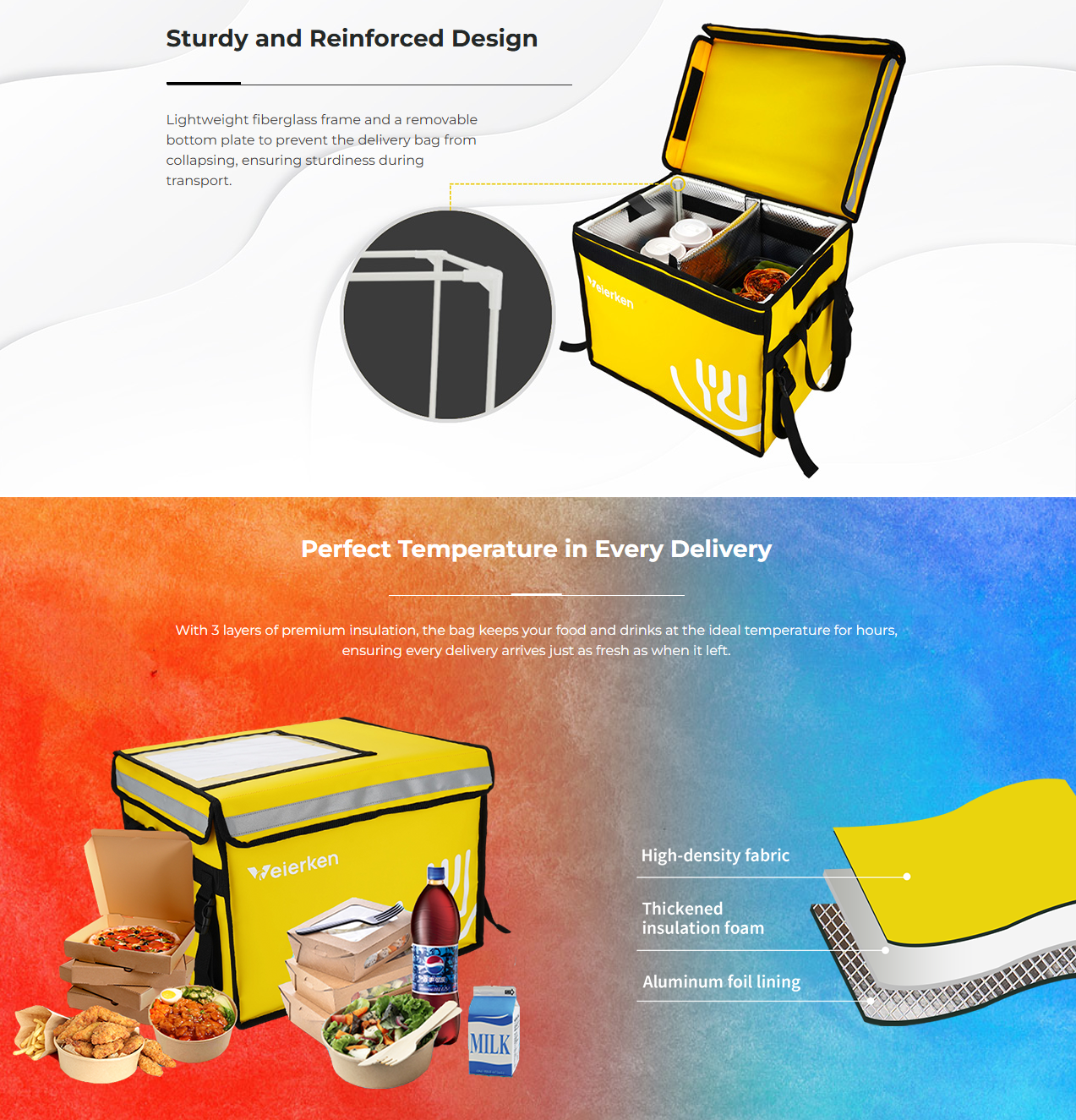
Traditional thermal bags rely on multi-material construction. They combine a polyester outer shell, an expanded polyethylene (EPE) foam core, and an aluminum foil inner lining. These layers are laminated together, making separation nearly impossible at the end of the product life cycle.
Because processing plants cannot easily separate these fused materials, most old bags end up in landfills. This limitation hinders the growth of a true circular economy in the commercial transport sector.
Using mono-material construction solves this structural issue. By utilizing a single polymer family for every component of the bag, recycling becomes straightforward. Industrial facilities can shred and pelletize the entire bag without prior disassembly.
Implementing rPET in Commercial Bags
Unified Fabric and Lining: Choosing 100% Recycled Polyethylene Terephthalate (rPET) for the outer fabric, inner lining, and binding tape simplifies the processing loop.
rPET Fiber Insulation: Replacing traditional metallic film and foam with dense, recycled polyester fiber batting maintains a consistent thermal barrier.
Recyclable Closures: Selecting polyester-based zippers and sewing threads ensures the entire container remains within the same polymer family.
For procurement officers searching for custom rPET insulated bags for business, verifying the Global Recycled Standard (GRS) certification is a necessary step. This verification ensures the material source is traceable. It also provides your compliance team with verifiable data for annual ESG reports.
Trend 2: Plant-Based and Biodegradable Insulating Media
Synthetic foam materials like EPE and cross-linked polyethylene (XPE) offer dependable temperature control. However, these petroleum-derived materials do not break down naturally. They persist in the environment for centuries if discarded incorrectly.
To reduce dependency on fossil fuels, our industry now utilizes natural fibers. Agriculture-derived materials provide excellent thermal resistance. They also naturally decompose when their service life ends.
Processed plant fibers trap air effectively to slow down heat transfer. These materials undergo natural treatments to resist moisture absorption and microbial growth. This step ensures they remain clean during cold-chain transport.
Practical Applications for Natural Insulation
Recycled Cotton Padding: This material utilizes clean textile scraps to create a soft, shock-absorbing insulation layer that works well for fragile food items.
Industrial Hemp Fibers: Hemp grows rapidly with minimal water and requires no pesticides. The resulting fibers are strong, lightweight, and highly resistant to decay.
Renewable Wool Batting: Wool fibers naturally regulate moisture and temperature, making them suitable for high-end pharmaceutical and food shipments.
Working with Weierken as your chosen biodegradable cooler bag manufacturer helps you transition away from synthetic foams. This choice fits well with organic food retailers and premium cosmetic brands. These businesses rely on plastic-free packaging to match their clean-label product positioning.
Trend 3: PFC-Free Water Repellency and Non-Toxic Coatings
Moisture control is a constant challenge in cold-chain logistics. Condensation forms as warm air meets cold surfaces. This requires water-resistant fabrics on both the exterior and interior surfaces of the container.
Historically, manufacturers used per- and polyfluoroalkyl substances (PFAS) to achieve liquid resistance. These chemical compounds repel water and oil efficiently. However, they do not break down and can accumulate in human tissue and ecosystems.
Strict global regulations now restrict the use of these persistent chemicals. Progressive manufacturers use clean alternatives. These new treatments keep the bag functional while ensuring it remains safe for food contact.
Safe and Compliant Protective Coatings
Thermoplastic Polyurethane (TPU) Linings: TPU coatings provide a reliable liquid barrier. They remain flexible in freezing temperatures and do not crack or leach chemicals.
C0 Durable Water Repellent (DWR): This plant-based exterior treatment sheds rainwater without using fluorinated compounds.
Food-Contact Polymer Films: Using certified food-safe films ensures that condensation does not transfer harmful chemical residues onto fresh produce.
When selecting a PFC-free thermal tote supplier, always request test reports verifying compliance with EU REACH and RoHS regulations. Confirming these safety standards protects your supply chain from regulatory delays. It also gives your customers peace of mind.
Trend 4: Modular and Detachable Structures to Extend Product Lifespan
Durability determines the overall environmental impact of any reusable product. In commercial food delivery, the inner lining of a thermal bag usually experiences the most wear. Spills, physical punctures, and odor accumulation often ruin the interior while the outer shell remains intact.
If the liner cannot be separated, the user must discard the entire bag. This shortens the product's useful life. It also increases replacement costs for fleet operators.
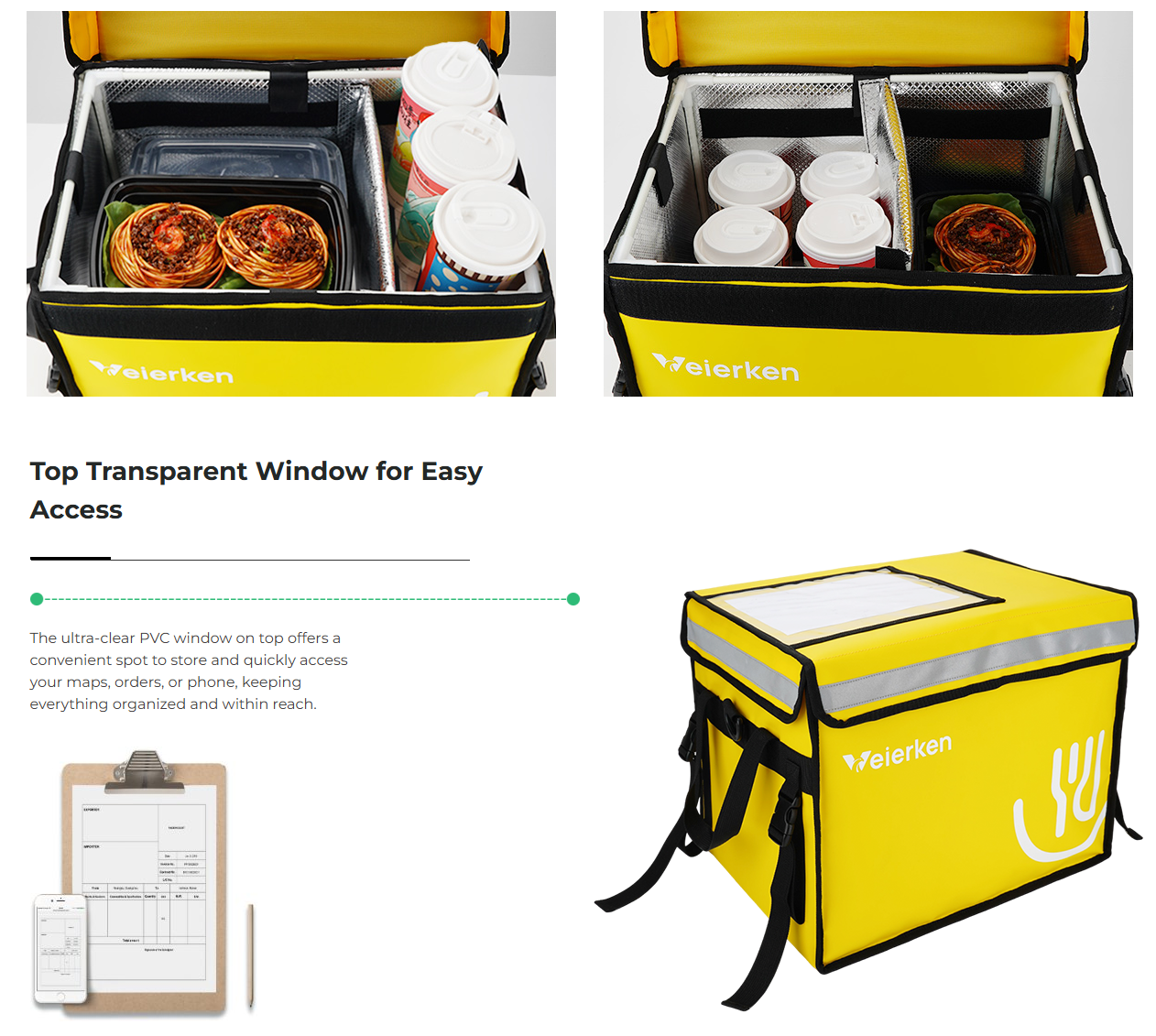
Modular design addresses this vulnerability. By making the interior thermal liner removable, operators can extend the lifespan of their delivery assets. This structural shift improves utility and reduces waste.
Key Modular Features for Commercial Fleets
Removable Inner Sleeves: Heavy-duty, leak-proof liners can attach via commercial-grade hook-and-loop fasteners. This makes them easy to pull out and clean.
Replaceable Insulation Panels: Slide-in thermal boards can be swapped out if they get bent or compressed during daily operations.
Zipped Outer Skins: Allowing the outer fabric shell to be removed means it can go straight into industrial washing machines for sanitization.
This repairable design suits high-frequency logistics, such as last-mile grocery delivery and catering operations. Buying modular options from a reusable insulated tote maker helps fleet managers lower their long-term replacement costs. It keeps transport gear in service longer, reducing waste.
Comparing Sustainable Thermal Bag Technologies
Choosing the right material combination depends on your shipping routes, budget, and environmental goals. The table below outlines how these sustainable options perform in commercial use.
| Material/Technology | Primary Environmental Benefit | Thermal Performance | Best Application Scenario |
|---|---|---|---|
| rPET Mono-Material | High recyclability; reduces plastic waste | Moderate to High | Retail grocery shopping bags, corporate gifts |
| Plant-Based Insulation | Biodegradable; uses renewable resources | Moderate | Organic food delivery, subscription meal kits |
| TPU & C0 DWR Coatings | PFC-free; non-toxic; safe for food contact | N/A (Moisture barrier) | Fresh seafood and cold beverage transport |
| Modular Construction | Extends product life; reduces waste | High | Professional catering, high-frequency logistics |
How to Verify Eco-Friendly Manufacturing Claims
Greenwashing remains a challenge in the packaging industry. B2B buyers must look past marketing terms and focus on third-party certifications. Reliable manufacturers provide verifiable documents to back up their environmental claims.
For recycled content, ask for the GRS certificate. For chemical safety and food contact, look for FDA, REACH, and OEKO-TEX approvals. These documents ensure your wholesale eco friendly cooler bags comply with international import laws and consumer safety standards.
At Weierken, we help businesses transition toward sustainable logistics. We offer clear material tracking and robust testing. This approach ensures your custom packaging performs reliably in the field while meeting your sustainability goals.
Frequently Asked Questions
1. Can rPET bags handle heavy commercial loads as well as virgin polyester?
Yes. High-quality rPET fibers match the tensile strength and durability of virgin polyester. We use reinforced stitching and heavy-duty webbing at stress points. This ensures our recycled bags perform reliably during daily commercial use.
2. How do you clean and sanitize modular insulated bags with natural linings?
For modular designs, you simply remove the inner lining. If the liner uses a waterproof TPU coating, you can wipe it down with a standard sanitizing solution. For bags with natural fiber insulation, we recommend spot cleaning or dry sanitizing to prevent the fibers from absorbing excess moisture.
3. Are PFC-free coatings as effective at resisting liquids as older chemical coatings?
Modern C0 DWR and TPU coatings provide excellent water resistance that meets commercial delivery needs. They repel water and condensation effectively under normal operating conditions. However, they do not contain the persistent fluorinated compounds found in older treatments.
4. What is the average lifespan of a modular insulated tote in a delivery fleet?
A standard thermal bag typically lasts between 6 to 12 months in high-frequency delivery networks before the liner becomes worn. A modular bag with a replaceable liner can last up to 24 months. Operators only need to swap out the inexpensive inner liner when it wears out, keeping the main bag in service.
5. Do eco-friendly insulated bags cost more than traditional options?
The initial material cost for rPET or plant-based insulation can be slightly higher than standard petroleum-based foams. However, when you consider the extended lifespan of modular designs and the reduced risk of regulatory non-compliance, sustainable solutions often lower your overall operating costs over time.
Upgrade Your Delivery Fleet with Sustainable Packaging
Your choice of thermal packaging directly affects your operational efficiency and your brand's reputation. Choosing durable, recyclable materials helps you meet consumer demand for greener shipping options without compromising temperature control.
As an experienced reusable insulated tote maker, Weierken designs and manufactures durable thermal transport solutions tailored to your operational needs. We help you balance thermal performance with real environmental compliance.