

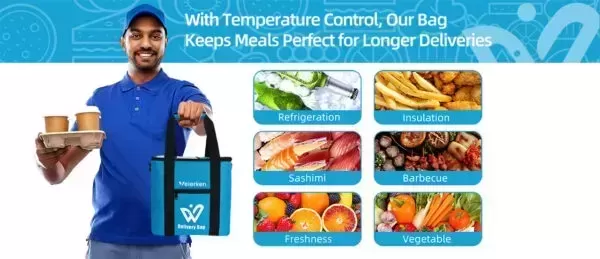
The global demand for direct-to-consumer (D2C) artisanal cheese, gourmet dairy subscription boxes, and on-demand grocery delivery continues to grow. For logistics managers and e-commerce directors, delivering cheese in optimal condition is a major challenge. Because delicate cheeses like Brie, Camembert, and fresh Mozzarella are highly sensitive to warmth, even a brief temperature spike during transit can ruin their texture.
Standard grocery cooler bags are rarely durable enough to handle daily logistics operations. They easily wear out under heavy use and lack the thermal efficiency needed for multi-stop courier routes. Partnering with a specialized cheese delivery bag maker like weierken helps businesses secure commercial-grade, insulated delivery equipment built for daily fleet use.
This article examines four core OEM services that a professional manufacturer uses to help cold chain logistics brands improve their last-mile delivery operations.
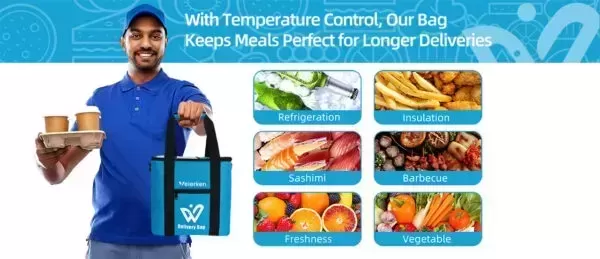
1. Tailored Thermal Insulation for Specific Transit Windows
A major challenge in last-mile logistics is managing variable transit times. A local courier completing a 30-minute delivery requires a different insulation setup than a third-party logistics (3PL) provider managing a 12-hour regional route. A professional cheese delivery bag maker designs insulation layers to meet these specific transit timelines.
During the thermal engineering phase, a custom manufacturer can adjust several key elements:
Insulation Core Thickness: Choose from 5mm to 20mm high-density EPE foam, or use rigid polyurethane (PU) panels to create a last-mile cheese delivery box that holds its shape and maintains temperature for up to 24 hours.
Phase Change Material (PCM) Pockets: Integrate specialized interior mesh pockets or securing straps to keep cooling gels and PCM packs in place, ensuring even cold distribution throughout the interior compartment.
Reflective Foil Barriers: Utilize premium multi-layer aluminum foil linings to reflect external heat away from the cargo area, protecting delicate cheeses from temperature spikes.
This customized insulation design prevents over-packaging and keeps shipping weights manageable. By tailoring the bag's thermal performance to your delivery window, you can reduce waste and lower overall delivery costs.
2. Ergonomic and Logistics-Optimized Structural Engineering
Delivery couriers handle equipment rapidly throughout their shifts, loading and unloading bags from scooters, vans, and bikes. If a delivery bag is difficult to carry or pack, it slows down delivery times and increases worker fatigue. A dedicated custom food delivery bag manufacturer focuses heavily on structural ergonomics.
To support high-volume delivery operations, an OEM manufacturer can customize several functional features:
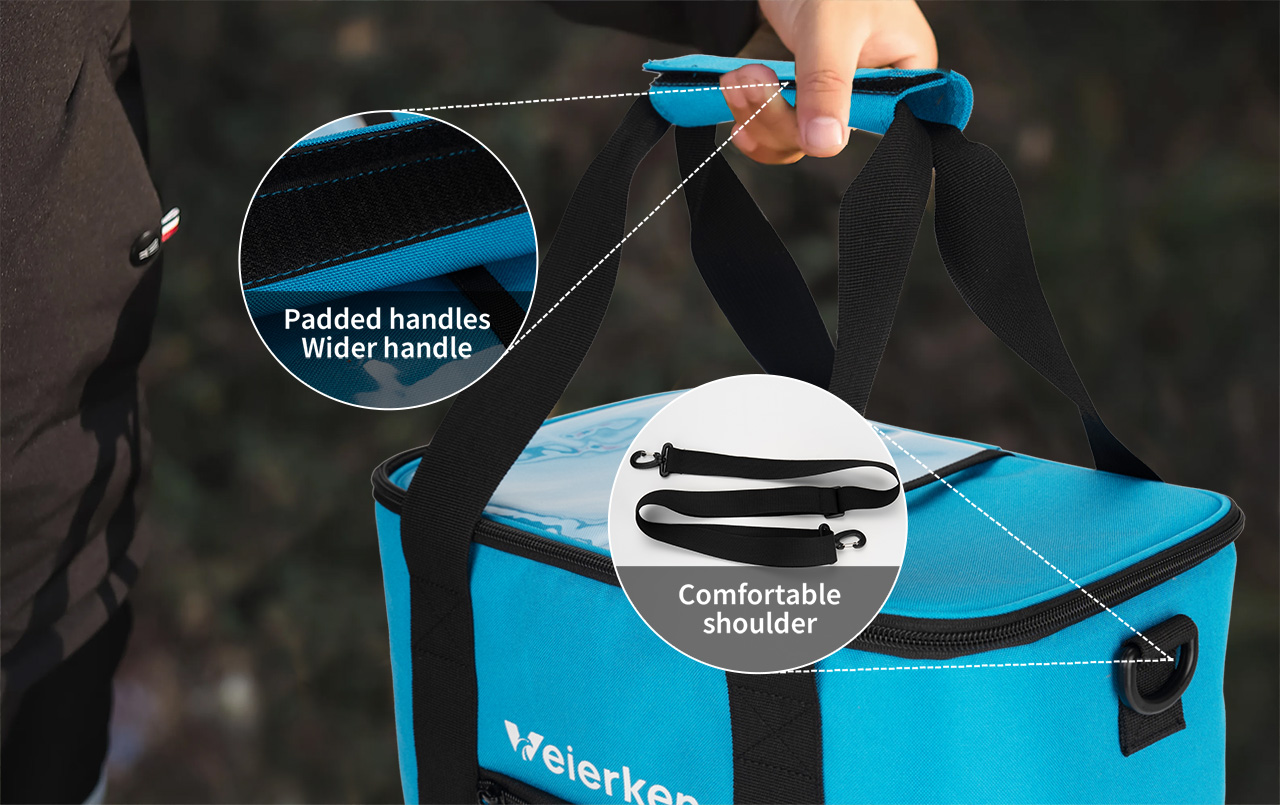
Reinforced Carry Systems: Use industrial-grade nylon webbing, box-stitched handles, and padded shoulder straps that distribute weight comfortably across the courier's shoulders.
Secure Mounting Points: Add heavy-duty D-rings, adjustable buckles, and non-slip bottom pads to secure the bag to motorcycle racks or car trunks, preventing sliding during transit.
Internal Modular Dividers: Create custom padded panels with Velcro attachments to separate heavy cheeses (like Cheddar or Gouda) from soft, delicate varieties, preventing damage from shifting cargo.
Additionally, modern logistics bags can be built with collapsible frames. This allows couriers to fold the bags flat when they are empty, saving valuable storage space in your warehouse or delivery vehicles.
3. Seamless Leak-Proof and Hygienic Interior Solutions
Dairy delivery operations require high standards of hygiene. Condensation from ice packs, damp packaging, and occasional spills can create a damp environment inside delivery bags. This moisture can lead to bacterial growth and unpleasant odors if the bag's interior is difficult to clean.
To maintain food-safe conditions, a professional insulated logistics bag OEM like weierken uses advanced manufacturing processes:
High-Frequency Welding (RF Welding): This process uses electromagnetic energy to fuse PEVA or TPU liner sheets together. This creates a seamless, 100% leak-proof thermal delivery bag that prevents liquids from leaking through traditional stitched seams.
Easy-Wipe Antibacterial Liners: Use smooth, commercial-grade TPU interior materials that resist mold and mildew. This allows delivery staff to sanitize the interior quickly with a simple disinfectant spray at the end of each shift.
Sealed External Zippers: Install waterproof, dustproof zippers to prevent rain or road grime from entering the main compartment during transit in bad weather.
Using seamless, wipeable liners makes daily maintenance simple for your delivery crew. It ensures that your delivery equipment meets local health department and food safety standards over years of continuous use.
4. Heavy-Duty Fabric Sourcing and Brand Visibility
Because delivery bags are used outdoors daily, they are constantly exposed to UV rays, rain, and abrasive surfaces. A professional manufacturer helps you select high-performance fabrics that withstand these harsh conditions while promoting your brand on the street.
When selecting materials for wholesale heavy-duty cooler bags, consider these options:
Industrial-Grade Shell Materials: Select durable fabrics like 1680D double-strand Oxford polyester or thick PVC tarpaulin. These materials resist tearing, scraping, and water penetration.
High-Visibility Safety Features: Add integrated retroreflective strips to the front and sides of the bag to improve courier safety during night or rainy-day deliveries.
Weatherproof Branding: Apply heavy-duty branding techniques such as raised rubber logo patches, UV-resistant screen printing, or high-density embroidery that remains legible after prolonged exposure to sunlight and weather.
Investing in durable, wear-resistant exterior fabrics extends the working life of your delivery fleet's equipment. It ensures that your branded delivery bags continue to look clean, professional, and presentable to your customers on every route.
For modern cold-chain logistics, your delivery bag is more than just packaging. It is a critical tool for protecting food safety, keeping delivery riders comfortable, and presenting your brand to the public. Partnering with an experienced cheese delivery bag maker like weierken allows you to design custom logistics gear tailored specifically to your daily operational needs.
From thermal testing and structural engineering to leakproof welding and durable material sourcing, our custom OEM services help you build a reliable delivery setup. This protects your artisanal cheeses and improves your delivery fleet's overall efficiency.
Optimize Your Delivery Fleet Today
Are you looking to upgrade your last-mile delivery equipment or design a custom delivery bag? Contact our technical team today to discuss your routing requirements, get material recommendations, and request a detailed wholesale quote.
Request a custom quote and order a pre-production sample today.
Frequently Asked Questions
Q1: What is the typical MOQ for custom OEM delivery bags?
Our standard minimum order quantity for fully customized delivery bags typically ranges from 500 to 1,000 units. This allows us to source specialized industrial fabrics and set up our high-frequency welding machines efficiently. We can occasionally accommodate smaller test batches for growing fleets—please contact us to discuss your needs.
Q2: Can your factory design bags to fit specific delivery vehicles?
Yes. As an experienced custom food delivery bag manufacturer, we can design bags to fit the dimensions of motorcycle racks, bicycle baskets, car trunks, or electric scooter platforms, ensuring a secure and stable ride.
Q3: How do you test the thermal performance of your delivery bags?
We test our bags in environmental chambers that simulate different seasonal temperatures. We place temperature sensors inside the bags to record internal temperature changes over time. This data helps us verify that your bag can maintain food-safe temperatures throughout your transit window.
Q4: What makes high-frequency welding better than sewing for interior liners?
Sewing punctures the liner fabric, creating thousands of tiny holes where water and moisture can leak into the insulation foam. High-frequency welding uses heat and pressure to fuse the liner sheets together without stitching, making the inner lining completely leakproof.
Q5: How do we clean and sanitize the delivery bags after daily use?
Our PEVA and TPU inner liners are designed for easy cleaning. Your team can wipe down the smooth interior surfaces using warm water, mild soap, or standard food-grade sanitizing sprays. This allows you to keep the bags clean and odor-free with minimal daily effort.
Q6: Are the outer fabrics waterproof?
Yes. We use water-resistant coatings on our 1680D Oxford fabrics and offer 100% waterproof PVC tarpaulin options. When combined with water-resistant zippers, our bags keep your deliveries dry during rainy-day routes.