

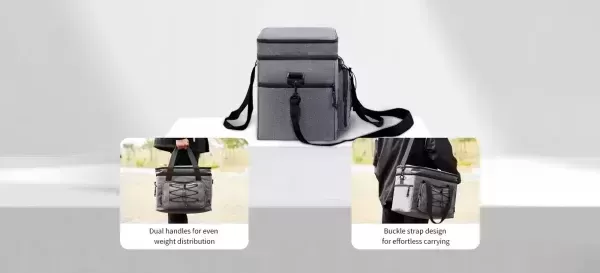
Managing a B2B supply chain in the food retail, dairy, or promotional merchandise sector requires careful planning. Delicate food items like gourmet cheese require strict temperature control during transport. A minor rise in temperature can cause cheese to sweat, release natural oils, or lose its texture entirely.
To prevent these issues, sourcing managers need reliable thermal packaging. Finding a capable cheese insulated bag maker is more than just searching for low unit prices. It requires evaluating a factory's custom design capabilities, quality control standards, and international compliance history.
For brands seeking a manufacturing partner, weierken provides verified OEM capabilities and reliable quality management. This guide explains how to audit a manufacturer and evaluate their production processes to protect your brand's reputation.
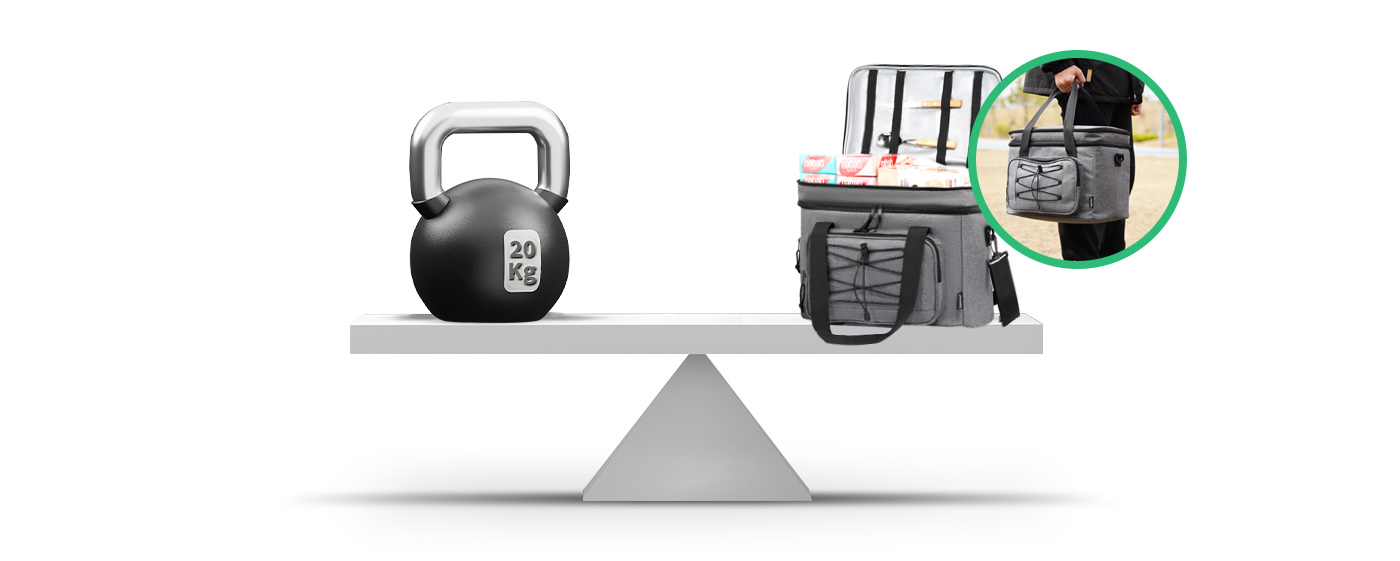
1. Why Factory Auditing Matters for B2B Buyers
For procurement officers, sourcing products from unverified factories poses operational and legal risks. A thorough cooler bag factory audit ensures that your manufacturing partner adheres to global standards for labor, safety, and quality control.
When you evaluate a potential partner, look for these key standards and certifications:
ISO 9001 Certification: This standard ensures that the factory uses consistent processes to manufacture products to a uniform standard.
Social Compliance Audits (BSCI / Sedex): A BSCI certified cooler bag factory proves that it provides fair wages, safe working conditions, and ethical treatment for its workers. This protects your brand from reputational risks.
Food-Grade Material Certifications (FDA / LFGB): Since cheese often sits near the inner liner of the thermal tote, the lining material must be safe and non-toxic. Ensure the factory provides verified test reports for its PEVA, TPU, or aluminum linings.
Working with an audited factory minimizes supply chain disruptions. It gives your legal and compliance teams confidence that your products are manufactured safely and ethically.
2. Scaling Brand Value with Insulated Bag OEM Services
Standard off-the-shelf cooler bags rarely meet the specific requirements of premium cheese brands or gourmet retailers. Partnering with a supplier that offers comprehensive insulated bag OEM services allows you to customize every aspect of the product to match your brand requirements.
A professional manufacturer should support your design team through several stages of development:
Material Selection and Thermal Engineering
Different cheeses require different levels of insulation. A reliable food-grade insulated bag manufacturer can recommend different insulation materials based on your target shipping times. Options include budget-friendly expanded polyethylene (EPE) foam or thick polyurethane (PU) walls for long-distance transport.
Leakproof Construction Methods
Melted ice or condensation can ruin the exterior of a bag and damage surrounding items. Experienced manufacturers use high-frequency welding to seal internal linings. Unlike traditional stitching, which leaves needle holes, high-frequency welding melts the PEVA sheets together to create a completely leakproof barrier.
Custom Branding and Hardware
Your packaging serves as a mobile advertisement for your brand. When creating custom design thermal bags for cheese, look for a partner that offers a range of printing options, such as durable screen printing, vibrant heat transfer, or subtle embossed leather patches. Durable zippers, custom pulls, and reinforced carry straps also help extend the useful life of the bag.
3. Supply Chain Reliability and Rigorous Quality Control
A stable supply chain requires more than just modern equipment. It relies on consistent quality control (QC) at every stage of production. At weierken, quality control begins long before the assembly lines start moving.
A reliable quality assurance process typically includes three main stages:
Incoming Quality Control (IQC): Raw materials, including fabrics, zippers, and thermal foams, are inspected for thickness, color accuracy, and tensile strength before entering production.
In-Process Quality Control (IPQC): QC inspectors check stitching strength and seam seals on the production line to catch errors early.
Final Quality Control (FQC): Finished bags are selected at random based on AQL 2.5 or AQL 4.0 standards. Inspectors conduct payload weight tests, zipper life-cycle tests, and thermal retention checks.
Working with a supplier that documents every step of the testing process ensures you receive reliable products. This reduces the risk of customer returns and protects your retail partnerships.
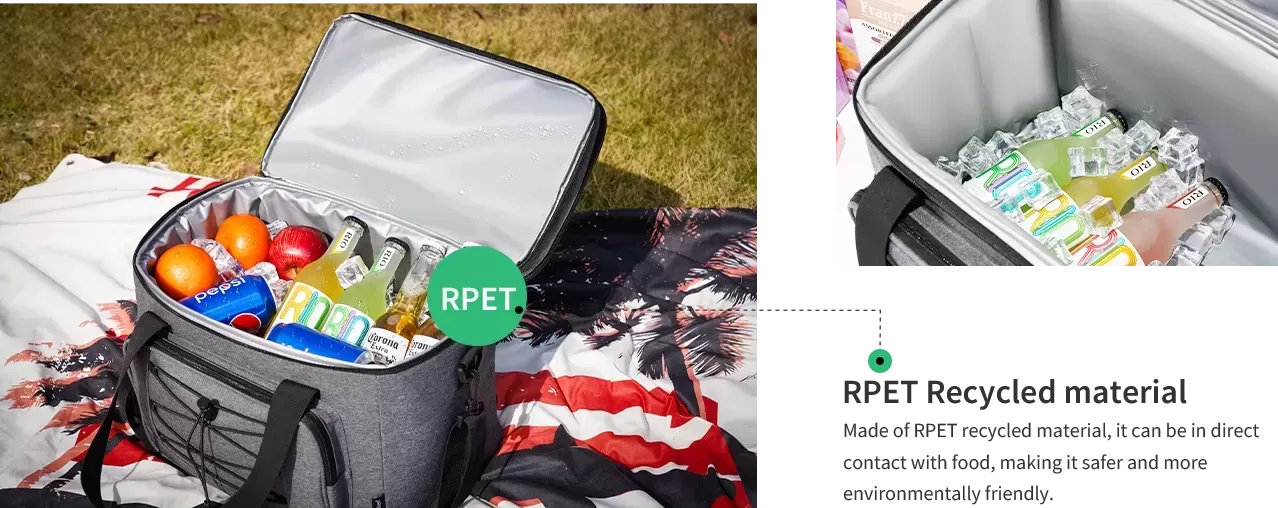
4. Procurement Officer's Guide: Vetting an Insulated Bag Maker
Before signing a supply contract, ask potential partners these operational questions to verify their reliability:
What is the lead time for custom samples?
A professional design team should be able to produce a custom prototype within 5 to 7 working days. If a factory takes weeks to deliver a simple sample, it may indicate a lack of in-house design resources.
How do you manage minimum order quantities (MOQs)?
While high MOQs lower production costs, growing brands often need smaller initial runs. Find out if the factory offers flexible ordering options, such as allowing you to split a single large order across different sizes or custom colors.
Do you have direct export experience?
International logistics can be complex. Working with an experienced exporter ensures that your customs documentation, Harmonized System (HS) codes, and export packaging are handled correctly, reducing the risk of customs delays.
Choosing a reliable cheese insulated bag maker is a key step in protecting your product quality and building brand value. By prioritizing factory compliance, verified OEM services, and strict quality control, you can source high-performing thermal packaging that protects your products.
As a trusted manufacturing partner, weierken helps brands develop custom, food-safe insulated packaging. Our audited production facilities and experienced engineering teams ensure that your orders are delivered on time and to your exact specifications.
Contact Our Project Managers Today
Ready to start your next custom thermal bag project? Contact us today to request our latest factory audit reports (BSCI/ISO), browse our OEM catalog, or receive a quick price quote for your design.
Inquire now to get a sample and start your project.
Frequently Asked Questions
Q1: What certifications should a food-grade insulated bag manufacturer have?
A reliable manufacturer should hold ISO 9001 for quality management and pass social compliance audits like BSCI or Sedex. All materials used for interior linings should have test reports verifying compliance with FDA, LFGB, or REACH standards to ensure food safety.
Q2: Can we customize the insulation thickness for different shipping durations?
Yes. Our OEM services allow you to select from various insulation materials and thicknesses, such as 3mm to 10mm EPE foam, to meet your specific temperature retention requirements.
Q3: What printing methods do you recommend for detailed corporate logos?
For simple, bold designs, we suggest screen printing for its durability and cost-effectiveness. For complex logos with gradients, heat transfer or dye-sublimation printing provides clear, accurate color reproduction.
Q4: How do you ensure the interior linings of the bags are leakproof?
We use high-frequency hot-pressing welding on our PEVA and TPU linings. This process fuses the panels together to form a seamless, watertight seal that prevents liquids from leaking through the seams.
Q5: What is your standard production lead time for bulk OEM orders?
Once you approve the design sample and pay the deposit, bulk production typically takes 30 to 45 days. This timeline can vary depending on the complexity of your custom features and the current production schedule.
Q6: Can we visit your factory or arrange an independent third-party audit?
Yes. We welcome customer visits and accommodate scheduled third-party audits from independent agencies like SGS, Intertek, or TÜV to verify our facilities, labor practices, and quality systems.