
Packaging failure is a quiet profit drain for many businesses. When a container ruptures during shipping, warehousing, or field operations, the consequences extend far beyond a ruined plastic wrapper. It leads to lost merchandise, clean-up expenses, and damaged relationships with customers. For many high-risk sectors, maintaining structural packaging integrity is a core business requirement.
Because of this, standard thin-film packaging is no longer sufficient. Companies are looking for heavy-duty options designed to withstand extreme physical strain. They are bypassing generic wholesale catalog items to work directly with specialized tear proof bag manufacturers. This direct approach allows them to secure customized materials engineered for specific industrial challenges.
At weierken, we see firsthand how custom-engineered materials protect complex B2B supply chains. Below, we look at the four major industry sectors that rely on high-strength, durable packaging solutions to protect their daily operations.
1. The Logistics and Warehousing Sector
Modern distribution hubs are high-speed environments. Packages move rapidly along complex networks of automated sorting belts, gravity chutes, and commercial transit systems. Standard paper envelopes and cheap poly mailers often fail under these conditions. Friction, sharp conveyor corners, and rough handling during transit can easily tear open low-quality packaging.
To reduce shipping losses, shipping companies use high-performance solutions designed for transport. They purchase tear proof bags for logistics to handle the heavy friction of long-distance shipping. These products are made from multi-layer co-extruded films or high-density woven polymers that resist punctures and stretching.
When high-volume shippers partner with an OEM heavy-duty bags manufacturer, they look for specific features:
High-Density Polyethylene (HDPE) Co-extrusions: These materials provide multi-directional tear resistance, ensuring that a small puncture does not turn into a long rip.
Tamper-Evident Self-Sealing Strips: These closures use heavy-duty adhesives that bond permanently to the film, preventing unauthorized access during transit.
Reinforced Padded Mailers: Combining bubble wrap linings with tear-resistant outer skins helps protect fragile items from impacts.
Using these reinforced options helps logistics companies reduce damage claims. This simple change lowers customer service complaints and cuts down on shipping overhead, protecting overall profit margins.
2. Construction and Heavy Hardware Manufacturing
The industrial hardware sector handles heavy, sharp, and irregularly shaped items. Heavy metal parts like screws, threaded bolts, drill bits, and metal brackets can easily puncture thin plastic packaging. Once a bag is punctured, the heavy weight inside causes the tear to expand rapidly, spilling pieces across the warehouse floor.
To solve this, industrial companies partner with a specialized industrial tear proof bags supplier. This ensures their heavy inventory remains safe during packaging and shipping. These parts require heavy-duty thick-gauge films with high puncture resistance rather than typical retail bags.
These companies rely on several primary packaging types to manage heavy hardware:
Woven Polypropylene (WPP) Bulk Sacks: These bags are ideal for shipping heavy loads of loose fasteners or dry construction aggregates.
Thick-Gauge Polyethylene Liners: These liners are designed for use inside corrugated boxes to prevent heavy parts from breaking through the cardboard walls.
Grommet-Reinforced Heavy Bags: These options feature metal-lined hanging holes that allow retailers to display heavy metal tools without tearing the packaging.
Working with a reliable hardware packaging bags manufacturer helps heavy industrial brands protect their products. It ensures that their heavy inventory arrives safely at construction sites and retail stores, without any lost parts.
3. Healthcare and Laboratory Waste Management
In healthcare, packaging failures are more than just a financial loss; they are a serious safety hazard. Medical facilities, research centers, and diagnostic laboratories generate hazardous waste every day. This waste includes sharp surgical tools, broken glass vials, and organic specimens that must be disposed of safely. Any tear in these bags can expose workers to infectious pathogens or toxic chemicals.
For these applications, medical facilities buy high-quality puncture resistant bags wholesale to meet strict safety and legal standards. These containment systems undergo rigorous testing to ensure they can hold heavy, sharp materials without leaking or tearing under pressure.
A reliable tear proof medical waste bags supplier must design products that meet several safety criteria:
ASTM D1709 Dart Drop Testing: This test measures the impact resistance of the film, ensuring it can withstand dropped tools without puncturing.
ASTM D1922 Elmendorf Tear Testing: This protocol measures the bag's resistance to tear propagation, verifying that minor punctures will not turn into large rips.
Airtight Liquid-Tight Seals: These high-strength bottom seals prevent liquids from leaking during transport and handling.
To meet these strict standards, manufacturers like weierken use high-performance polymers and advanced manufacturing techniques. These processes ensure that medical waste bags perform reliably, helping hospitals maintain safe and compliant operations.
4. Outdoor and Emergency Rescue Equipment
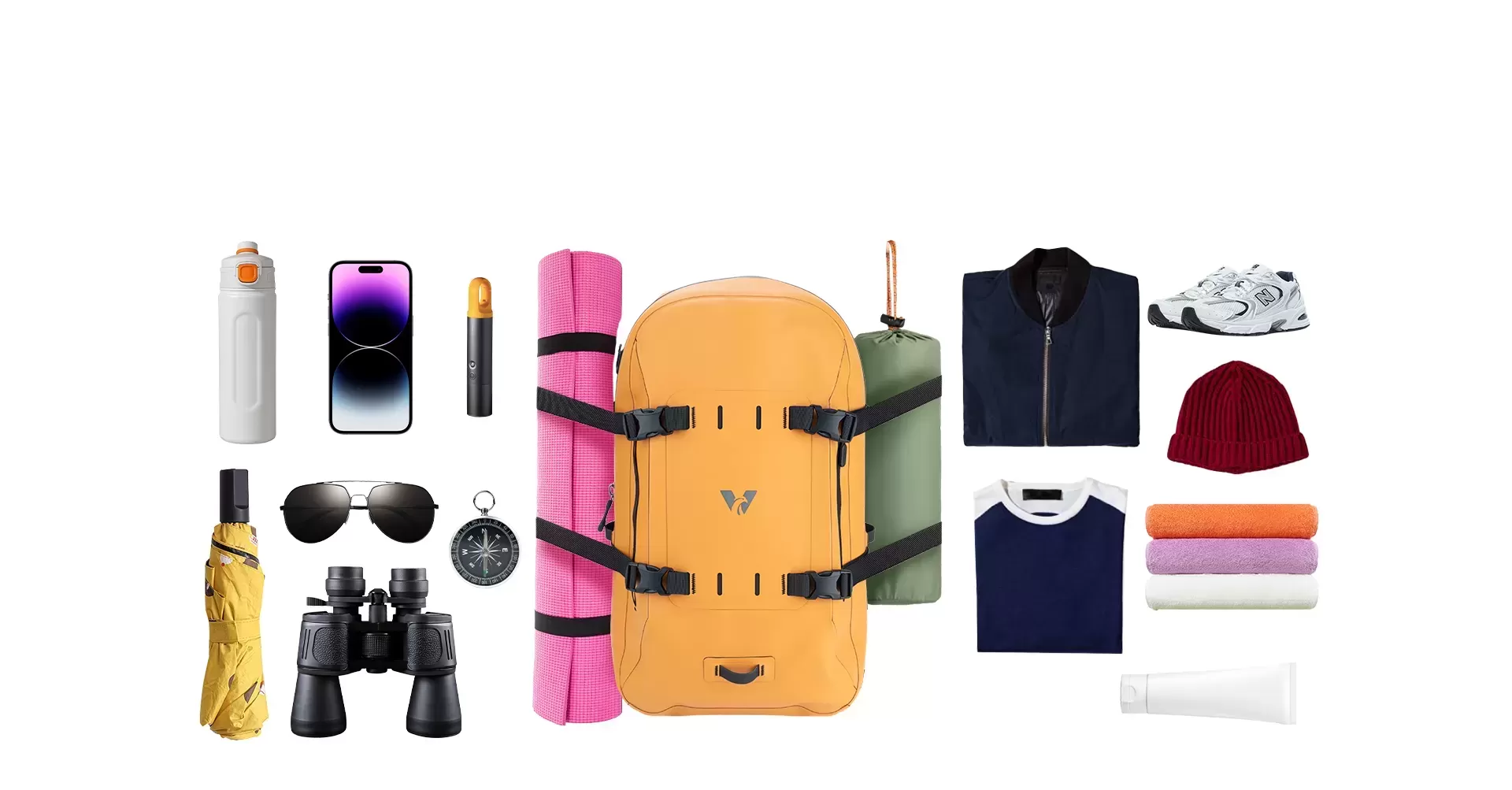
Outdoor gear, search and rescue supplies, and emergency response equipment must perform in the harshest environments. Whether dealing with heavy rain, rocky terrain, or sub-zero temperatures, transport bags must protect sensitive gear. Standard retail fabrics can quickly wear through when scraped against rock or concrete.
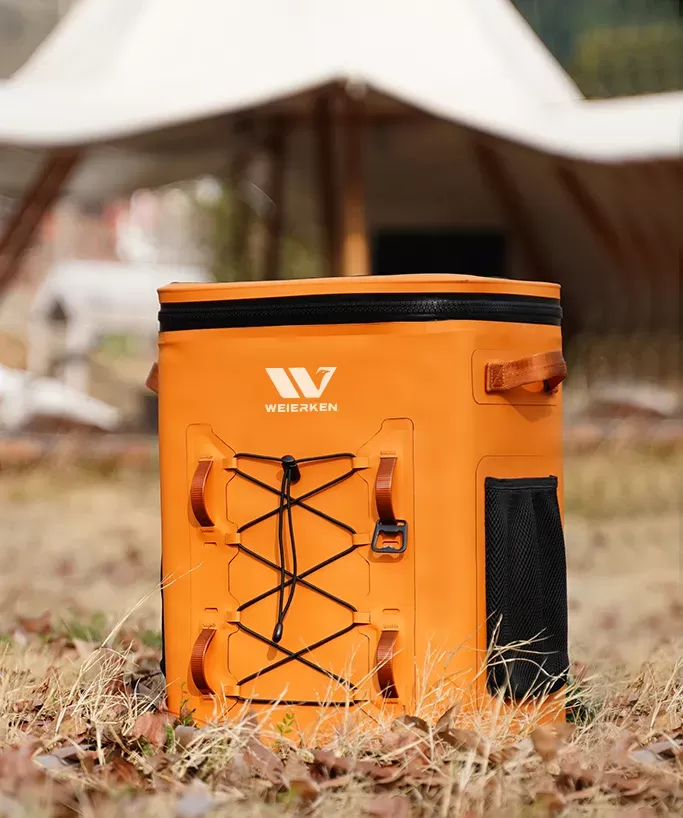
Because of this, premium outdoor brands and disaster relief agencies work with an experienced emergency gear bag manufacturer. They design specialized gear bags using heavy-duty composite materials that remain tough and reliable under high stress.
These specialized bags use high-performance materials and construction techniques to ensure durability:
TPU Laminated Fabrics: Thermoplastic Polyurethane coatings provide high abrasion resistance and remain flexible in freezing temperatures.
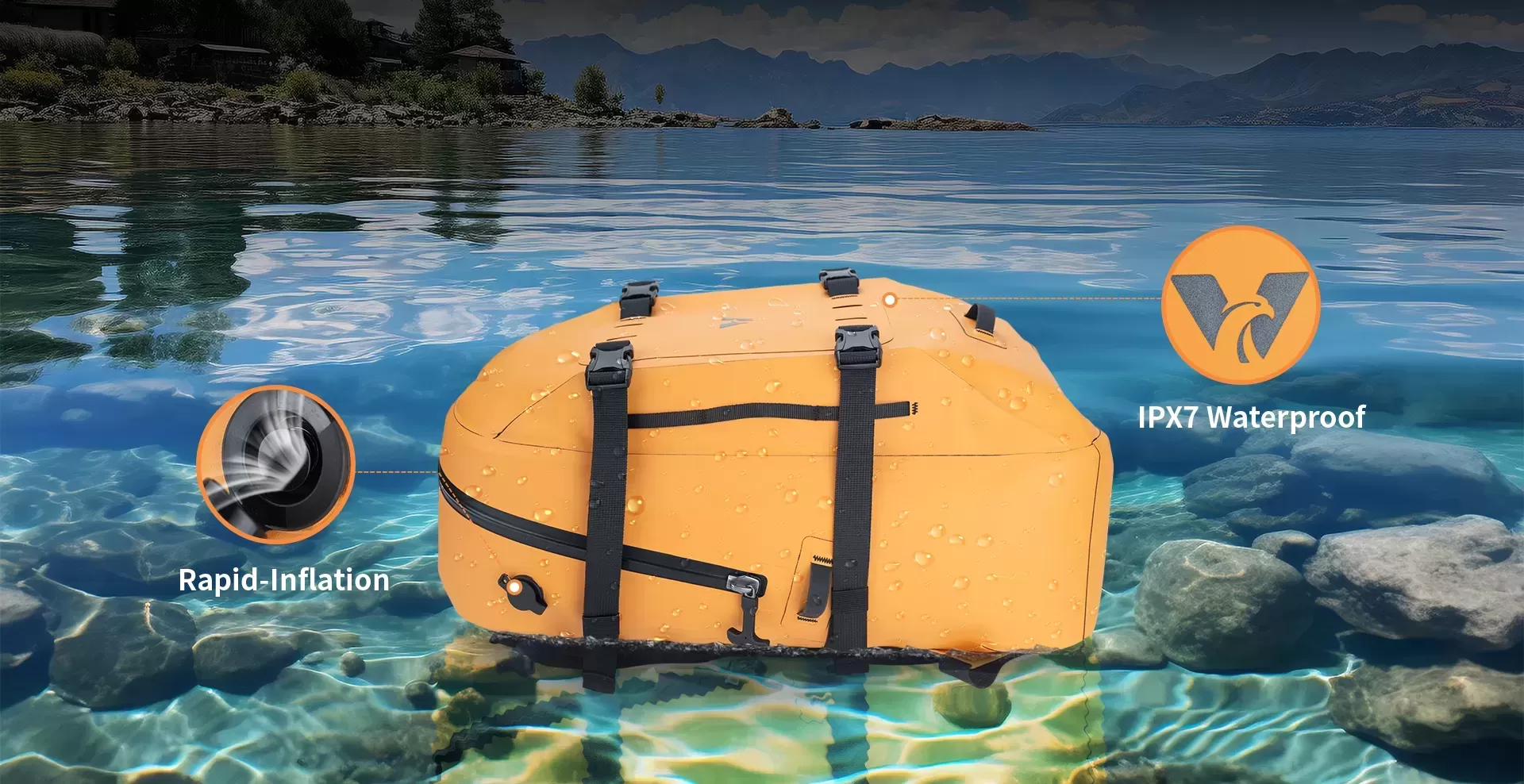
High-Frequency Welded Seams: This process fuses the fabrics together, creating strong seams that are more durable and waterproof than traditional stitching.
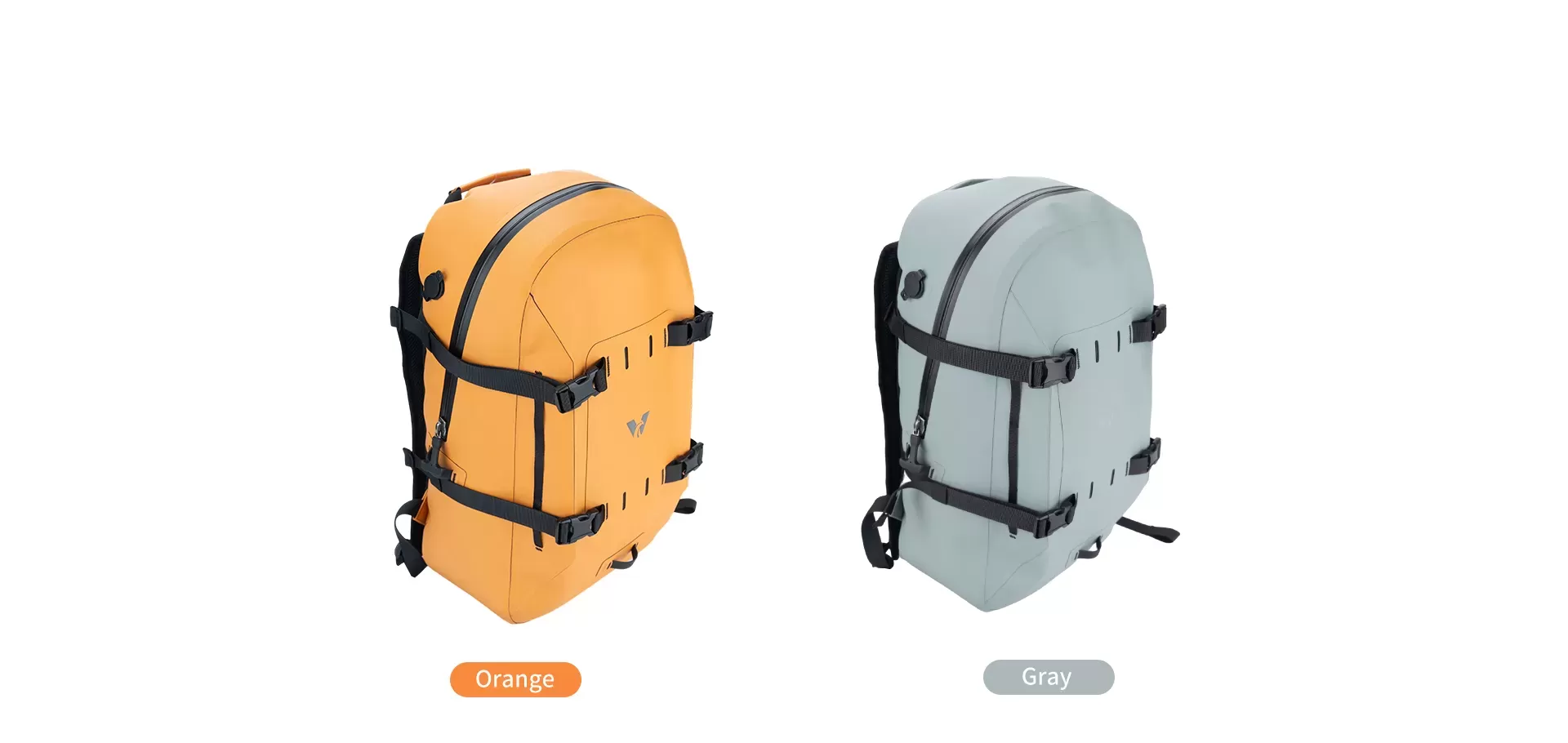
Reinforced Webbing Straps: These heavy-duty handles run completely around the bag to distribute weight evenly and prevent tear-outs under heavy loads.
Purchasing from a professional industrial tear proof bags supplier ensures that search-and-rescue teams can trust their gear in the field. This reliable equipment allows teams to focus on saving lives without worrying about torn or damaged gear bags.
Choosing a Partner to Secure Your Supply Chain
Investing in durable, high-strength packaging is a smart way to protect your business. It reduces product damage and lowers liability risks across your supply chain. When searching for tear proof bag manufacturers, look for partners who understand material science and offer clear performance testing data.
Every industry faces different challenges. Whether you need thick chemical barrier films, heavy-duty woven sacks, or waterproof gear bags, choosing the right partner is key. An experienced manufacturer will help you choose the right materials to ensure your products stay safe during transit.
As an established custom tear resistant packaging partner, weierken offers reliable, high-performance designs tailored to your business needs. We work closely with our clients to choose the right materials and design products that stand up to tough real-world conditions. Contact our team today to get a custom quote for your business.
Frequently Asked Questions
Q1: How do manufacturers test the strength of tear-resistant bags?
Manufacturers use standardized ASTM testing methods to measure durability. The Elmendorf Tear Test measures the force required to tear a pre-slit sample, while the Dart Drop Test measures puncture resistance by dropping a weighted dart onto the film.
Q2: Can tear proof bags be recycled?
Yes, but it depends on the materials used. Mono-material bags made from pure Polyethylene (PE) or Polypropylene (PP) are easily recycled. Composite multi-layer bags or those with heavy coatings are harder to recycle and may require specialized processing facilities.
Q3: What is the main difference between puncture resistance and tear resistance?
Puncture resistance is the bag's ability to withstand sharp objects, like nails or needles, without getting a hole. Tear resistance is the bag's ability to prevent an existing hole or cut from expanding under weight or tension.
Q4: What makes high-frequency welding better than standard sewing?
Standard sewing uses needles that create tiny holes in the fabric, which can weaken the material and let in water. High-frequency welding uses electromagnetic energy to fuse the materials together, creating a solid, waterproof bond that is stronger than the fabric itself.
Q5: Can I get custom sizing and branding on heavy-duty bags?
Yes. A professional OEM heavy-duty bags manufacturer can customize your order to fit your exact needs. They can customize the bag dimensions, material thickness, color, and add your brand logo or safety warnings to the packaging.
Q6: Are there eco-friendly options for industrial tear-proof packaging?
Yes, many manufacturers now offer sustainable options, including GRS-certified recycled plastics and biodegradable materials. These options help businesses reduce their environmental impact without compromising on bag strength or durability.