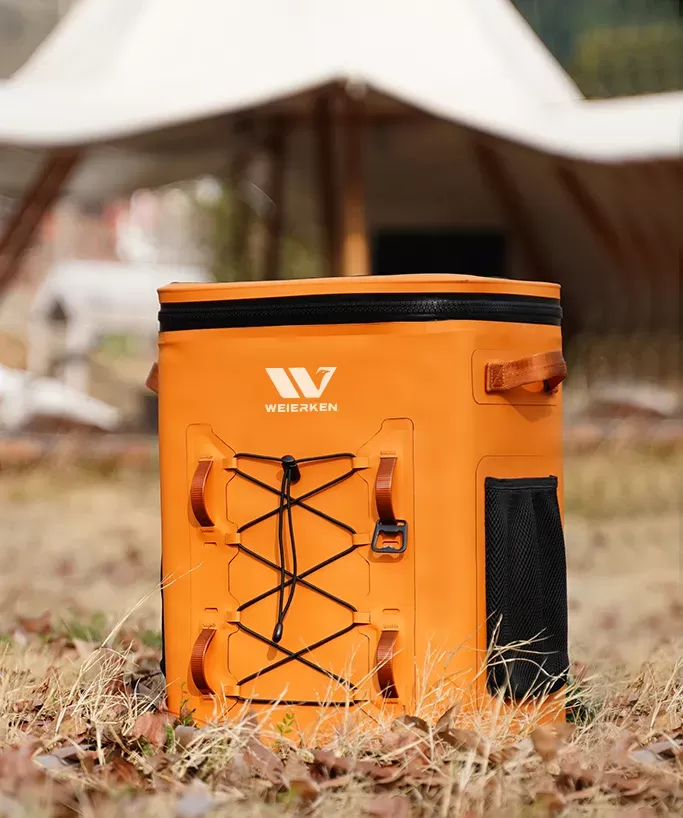

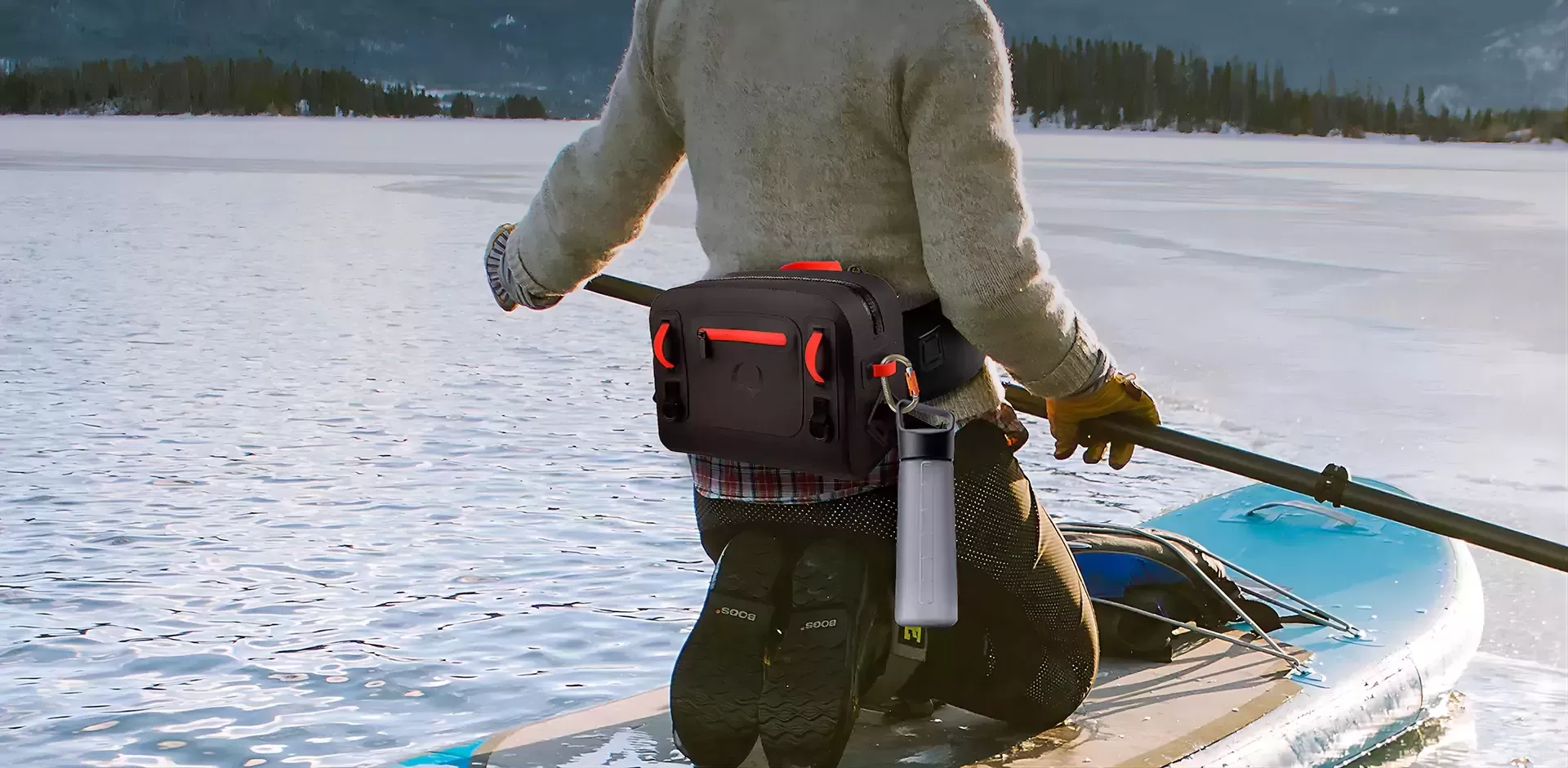
Thermoplastic Polyurethane (TPU) has rapidly gained traction in the packaging and outdoor gear industries. Brands choose it for its environmental benefits, high durability, and non-toxic properties. From heavy-duty dry sacks to transparent cosmetic pouches, TPU is replacing traditional PVC at a fast pace.
However, sourcing these products poses unique challenges for B2B procurement managers. On the surface, different products can look almost identical. Beneath that exterior, variations in material purity, welding precision, and chemical stability can make or break your product line. Identifying a reliable TPU bag manufacturer requires looking past basic catalog photos.
At weierken, we believe transparency is the foundation of successful business partnerships. To help you navigate the sourcing process and protect your supply chain, we have compiled seven essential questions. Use these to interview and evaluate your potential partners.
1. How Do You Source and Verify the Quality of Your TPU Raw Materials?
The performance of your finished product depends directly on the grade of the raw material. Some suppliers cut costs by mixing in recycled scrap or using low-grade industrial TPU. This often leads to premature yellowing, unpleasant chemical odors, or hydrolysis, where the material breaks down when exposed to moisture.
When you evaluate a custom TPU bag supplier, ask about their material classification. TPU is generally split into two main types:
Polyethylene-based (Polyether) TPU: This type offers excellent resistance to hydrolysis, microbes, and low temperatures. It is ideal for OEM TPU waterproof bags and outdoor gear used in wet environments.
Polyester-based TPU: This variant provides superior oil resistance, abrasion resistance, and tensile strength. It is commonly used for industrial covers or dry-land storage.
A reputable TPU bag manufacturer should easily explain which type fits your specific application. They must also provide official certification documents. Always ask for third-party laboratory verification, such as SGS, REACH, RoHS, or FDA compliance reports for food-grade and medical applications.
2. What Manufacturing Technology Do You Specialize In—High-Frequency Welding or Stitching?
The manufacturing method you choose determines whether your product is truly waterproof or merely water-resistant. Traditional sewing needles puncture the material, leaving thousands of microscopic holes. For high-performance gear, these holes are points of failure.
To produce a leakproof, airtight container, the factory must use advanced bonding techniques. A high-quality high-frequency welding TPU bag relies on electromagnetic energy to fuse the molecules of the overlapping sheets together. This creates a solid, uniform seam that is stronger than the surrounding material.
When discussing capabilities with a prospective TPU bags factory, clarify the following points:
What is the total capacity of their high-frequency (RF) welding machines?
Do they develop their welding molds in-house to ensure precise edge alignment?
Do they combine stitching with hot-air tape sealing for complex, multi-layered designs?
Understanding these technical capabilities helps you avoid choosing a supplier who relies on basic sewing machines for products that require complete waterproofing.
3. How Do You Mitigate Common TPU Issues, Such as Yellowing and Scratching, During Production?
Clear or light-colored TPU bags are highly vulnerable to aesthetic damage. Ultraviolet (UV) light can cause molecular degradation, turning a clear cosmetic pouch yellow within months. Furthermore, the soft surface of TPU can scratch easily during cutting, assembly, and packing.
A experienced TPU bag manufacturer takes active preventative measures on the production floor. You should ask about their preventative protocols:
Anti-UV Additives: Do they offer material grades with UV stabilizers to prolong product clarity outdoors?
Surface Protection: Do they apply protective PE films to the raw TPU rolls during the cutting and welding phases?
Anti-Static Measures: Since TPU naturally attracts dust, do they use ionization bars or dust-free workspaces for packing?
If you plan to order TPU cosmetic bag bulk shipments, these quality control measures are critical. Clean, unscratched surfaces directly protect your brand reputation at the retail level.
4. What Is Your Minimum Order Quantity (MOQ), and How Do You Handle Custom Prototyping?
Sourcing raw materials for custom colors or specific thicknesses (like 0.3mm or 0.5mm) often requires large minimum runs from TPU extrusion mills. This can drive up the MOQ for custom projects, presenting a challenge for growing brands.
When negotiating with a prospective custom TPU bag supplier, ask them to break down their MOQ structures:
Stock Material MOQ: What is the minimum run if you use colors and thicknesses they already keep in stock?
Custom Material MOQ: What is the volume requirement for custom pantone matching or custom roll widths?
Tooling Costs: What are the upfront charges for creating new RF welding molds for custom shapes?
At weierken, we suggest discussing your long-term demand forecast early. A professional partner should offer a clear sample development process, with lead times ranging from 7 to 10 days, allowing you to test prototypes before committing to mass production.
5. What Quality Control Standards and Testing Equipment Do You Implement In-House?
You cannot manage quality by visual inspection alone. B2B buyers must ensure that production batches perform consistently under real-world stress. A single burst seam in a waterproof dry bag can ruin expensive electronic gear for an end-user.
Ask the TPU bags factory if they use the following essential testing equipment in their quality control lab:
Tensile Strength Testers: These machines pull at welded seams and handle attachments to find their structural breaking points.
Airtightness and Hydrostatic Pressure Instruments: For OEM TPU waterproof bags, these units apply positive air pressure or water pressure to verify there are no slow micro-leaks.
Environmental Aging Chambers: These chambers expose material samples to extreme temperatures and high humidity. This process simulates shipping conditions in shipping containers and long-term storage in damp warehouses.
A supplier that invests in these testing instruments demonstrates a commitment to preventing defects before goods leave the factory floor.
6. Do You Offer Sustainable Alternatives, Such as GRS-Certified Recycled TPU?
Consumer demand for eco-friendly products is reshaping retail markets. More brands now require sustainable materials to meet their environmental goals. Fortunately, TPU is inherently more eco-friendly than PVC because it does not contain phthalates or heavy metals.
To take sustainability further, ask if your partner works with GRS (Global Recycled Standard) certified materials. Ask your potential eco-friendly TPU bag manufacturer how they maintain consistency when working with these alternative materials:
Can they provide valid GRS transaction certificates (TC) for each shipment?
How do they manage the slight color variations that sometimes occur in recycled resins?
Do they offer biodegradable TPU bags that break down under specific landfill conditions?
Choosing a partner who understands the mechanics of recycled polymers helps you meet your sustainability targets without compromising on durability.
7. What Is Your Production Capacity, and How Do You Guarantee On-Time Delivery?
Late shipments can disrupt seasonal marketing campaigns and cause costly retail chargebacks. To safeguard your supply chain, you must understand your partner's actual output capacity and scheduling flexibility.
A brief questionnaire can help you assess their operational capacity:
How many high-frequency welding lines and skilled operators do they run daily?
What is their average monthly output for products similar to yours?
How do they handle production spikes during peak seasons, such as the months leading up to the holidays?
Do they have redundant power systems or backup equipment to prevent delays from mechanical failures?
A professional manufacturer should provide honest lead times and maintain clear, proactive communication throughout the production cycle.
Build a Reliable Partnership for Your Brand
Finding a trustworthy TPU bag manufacturer requires looking closely at material science, assembly techniques, and quality control systems. By asking these seven questions, you can screen out unqualified factories and protect your brand from quality failures.
At weierken, we specialize in high-frequency welding, raw material sourcing, and strict quality control for custom TPU products. We focus on clear communication and reliable execution for our international partners. Contact our team today to discuss your project specifications and receive an accurate quote.
Frequently Asked Questions
Q1: Is TPU better than PVC for waterproof bags?
Yes. TPU is much more durable, remains flexible in cold weather, does not crack over time, and is free of harmful plasticizers. This makes it a safer, longer-lasting choice for outdoor products.
Q2: Can I get custom pantone colors for a TPU bag manufacturer order?
Yes. Custom colors can be matched exactly to your Pantone specifications. However, this process usually requires a larger material extrusion run, which can increase the minimum order quantity (MOQ).
Q3: What is the typical sample lead time for custom OEM TPU waterproof bags?
For standard designs using stock materials, prototyping usually takes 5 to 7 business days. If your design requires custom welded molds or specialized hardware, the process can take 10 to 15 days.
Q4: How do I identify if a supplier is using real polyether TPU?
You can ask for an official SGS or chemical composition certificate. You can also test a sample: polyether TPU will not degrade or grow mold after prolonged exposure to high humidity, whereas polyester TPU may show signs of hydrolysis.
Q5: What are the tooling costs for a new high-frequency welding TPU bag design?
Tooling fees depend on the complexity and size of your bag's seams. Simple shapes require straightforward copper molds, which are relatively inexpensive. Complex, multi-compartment designs require specialized tooling that costs more but ensures clean, consistent bonds.
Q6: Does recycled TPU perform as well as virgin TPU?
Yes, high-quality GRS-certified recycled TPU retains nearly the same tensile strength and flexibility as virgin material. It is an excellent choice for brands focused on reducing their carbon footprint.