

Finding a reliable catering thermal bag maker is a critical step for any growing food service or delivery business. Many thermal bags look identical on the surface, but their performance under daily pressure can vary dramatically. Poorly made bags suffer from broken zippers, torn seams, and rapid temperature loss within weeks of deployment.
These equipment failures do more than just cost you replacement money; they ruin your food quality and damage your reputation with customers. This is why conducting a thorough food delivery bag supplier evaluation is so important before signing a supply contract.
As an experienced catering thermal bag maker, Weierken recognizes that procurement teams need clear, objective criteria to assess manufacturing partners. Implementing a structured thermal bag factory audit ensures you select a partner capable of delivering consistent, high-performing products. Here are five essential auditing checkpoints to guide your next supplier evaluation.
1. Food-Grade Material Compliance & Safety Certification
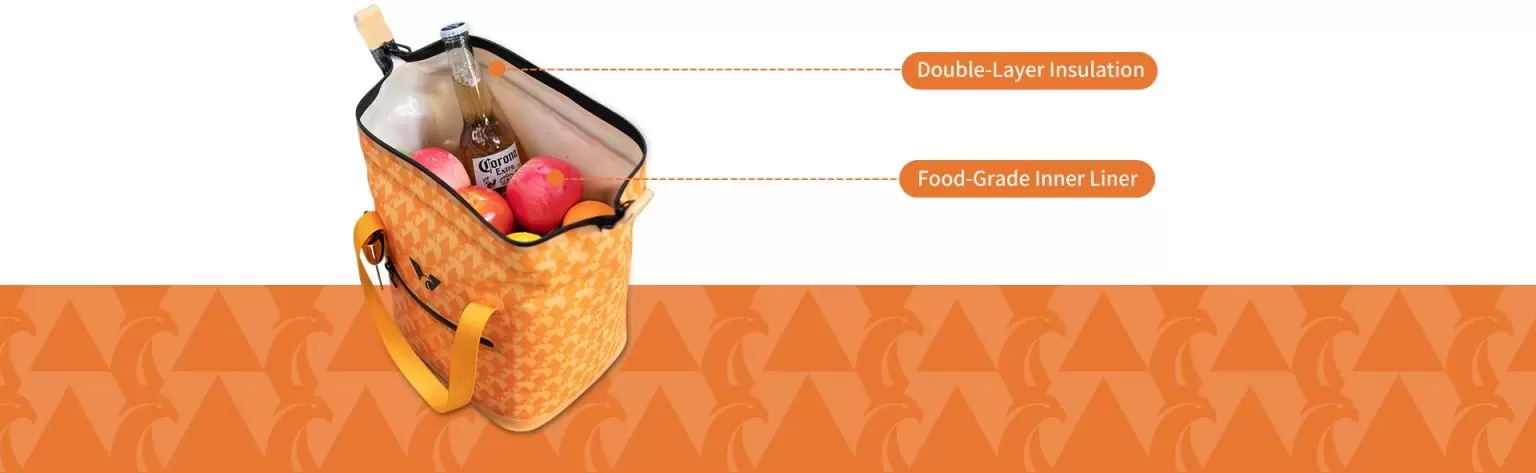
Delivery bags carry hot food containers and occasionally come into direct contact with food items. Therefore, the safety of the raw materials used in your bags is paramount. You must verify that your manufacturer uses non-toxic, food-safe linings and outer fabrics.
During your audit, pay close attention to the material safety documentation. A reputable catering thermal bag maker should easily provide third-party laboratory test reports for all material layers. This transparency is crucial for brand compliance and consumer safety.
Make sure to check for the following material certifications:
Food-grade linings: Ensure inner linings (such as PEVA or aluminum foil) comply with FDA, REACH, or RoHS standards.
BPA-free materials: Confirm that the interior foams and plastic components do not contain harmful bisphenols.
Non-toxic outer fabrics: Verify that exterior fabrics, like heavy-duty Oxford polyester or PVC, do not emit strong chemical odors or contain heavy metals.
If a supplier cannot show these certificates, you face serious compliance risks. A professional custom insulated bag manufacturer will always keep up-to-date safety files for every batch of material they source.
2. Internal Quality Control Systems and Stress-Testing Equipment
A reliable factory does not rely on visual inspections alone. They must have a robust internal quality management system, such as ISO 9001, and utilize dedicated testing machinery. These systems ensure that every batch of bags meets the same high standards.
When inspecting a catering thermal bag maker, do not just look at the assembly lines. Ask to see their testing laboratory. A factory that invests in testing equipment takes product durability seriously.
Look for these specific testing procedures during your quality control for thermal bags audit:
Zipper reciprocating tests: Machines should repeatedly open and close zippers to ensure they withstand commercial wear and tear.
Load-bearing tensile tests: Pulling machines should test the breaking point of handles, shoulder straps, and seams under heavy loads.
Salt spray testing: This test checks metal buckles, zippers, and rivets for rust and corrosion resistance, which is vital for humid or rainy delivery conditions.
At Weierken, as a dedicated catering thermal bag maker, we invest heavily in internal quality control systems. We believe that preventing manufacturing defects at the factory floor is much better than dealing with failures during active deliveries.
3. Scientific Verification of Thermal Performance
Many suppliers make unverified claims about how long their bags keep food hot or cold. A professional catering thermal bag maker does not rely on guesswork or generic statements. They use scientific methods to measure thermal retention accurately.
A reliable factory will have an in-house thermal testing chamber or partner with third-party labs to run controlled environmental tests. This allows them to monitor temperature changes over hours under simulated winter or summer conditions.
Ensure your supplier can provide the following data:
Temperature decay curves: Graphs showing how the internal temperature drops or rises over specific intervals, like 30, 60, or 90 minutes.
Insulation thickness options: Recommendations on EPE or EVA foam thickness based on your average delivery times.
Seal integrity checks: Evaluations of hook-and-loop fasteners or zippers to prevent warm air from escaping through the seams.
Before signing a contract with any catering thermal bag maker, ask to see their thermal test records. Working with a qualified commercial cooler bag manufacturer ensures your food stays at safe temperatures throughout the journey.
4. R&D Capabilities and Prototype Turnaround Times
Every food service brand has unique packaging shapes, vehicle dimensions, and delivery routines. A generic off-the-shelf bag rarely meets all these requirements. This makes the manufacturer’s research and development (R&D) capability a key checkpoint.
A capable catering thermal bag maker will have a dedicated engineering and design team. They should be able to translate your operational feedback into practical design features, such as modular interior dividers or adjustable vehicle mounting straps.
Assess their R&D department using these metrics:
In-house sample makers: Check if the factory has a dedicated team focused solely on creating prototypes quickly.
Sample turnaround speed: A professional factory should deliver a physical sample within 3 to 7 working days.
Design resources: The team should offer clear CAD blueprints or 3D renderings for your approval before starting sample production.
If a catering thermal bag maker takes weeks just to make a prototype, they may struggle to keep up with your brand's future design updates or rapid expansion plans.
5. Operational Capacity, Automation, and Social Compliance Audits
Your business needs a supplier that can handle sudden demand spikes, especially during holiday promotions or winter seasons. A reliable catering thermal bag maker must demonstrate robust capacity and modern production techniques.
When auditing a catering thermal bag maker, ask about their machinery and workforce. Look for automated equipment, such as computerized cutting machines and programmable pattern sewers. Automation increases production speed and reduces human error, leading to more consistent stitch quality.
Your capacity audit should cover these key areas:
Monthly output metrics: Confirm that the factory’s average monthly output can easily accommodate your largest recurring orders.
Raw material reserves: Ensure the factory maintains stable relationships with fabric and foam suppliers to prevent production delays.
Social compliance certifications: Look for recognized ethical audits such as BSCI, Sedex, or SA8000, which are vital for large-scale corporate procurement.
By verifying these operational details, you protect your business from sudden supply chain disruptions. You also ensure your brand works with a socially responsible partner that treats its workers fairly.
Partnering with a verified catering thermal bag maker reduces operational risk and protects your brand's delivery experience. By focusing your audit on material safety, strict quality control, thermal science, design capabilities, and capacity, you can build a secure supply chain.
As a quality-focused catering thermal bag maker, Weierken welcomes both on-site factory audits and virtual video inspections. We maintain strict compliance with food-grade standards and utilize modern, automated production to ensure your bags perform reliably under real-world conditions.
Are you looking to secure your delivery bag supply chain with a dependable manufacturer? Contact our team today to request a factory audit report, discuss custom specifications, or receive an initial quote.
Frequently Asked Questions
What certifications should a trustworthy catering thermal bag maker possess?
A reliable manufacturer should provide material safety certifications, such as FDA, REACH, RoHS, or BPA-free reports for food contact. Additionally, look for ISO 9001 certifications for quality management, and BSCI or Sedex certifications for ethical manufacturing practices.
How can I verify if a catering thermal bag maker actually tests their bags?
During your audit, ask to see their testing laboratory and look for specific equipment. A professional factory will have zipper reciprocating testers, load-bearing tensile machines, salt spray chambers, and thermal testing boxes to verify material durability and heat retention.
Why is the prototype speed of a catering thermal bag maker so important?
A fast sample turnaround, typically between 3 to 7 days, indicates a well-organized R&D department. This agility ensures that your customized design requests, logo placements, or functional updates are processed quickly, helping you launch new delivery initiatives without delays.
What is the benefit of automated machinery in thermal bag production?
Automated machinery, like computerized fabric cutters and programmable stitching machines, reduces human error. This ensures that every bag in your bulk order has uniform seam strength, accurate dimensions, and consistent aesthetic quality, which extends the average lifespan of your fleet.
How does a factory verify its heat retention claims?
Experienced manufacturers use specialized thermal chambers to test bags under controlled hot and cold temperatures. They record temperature changes over several hours using digital probes, providing you with real-world temperature decay curves rather than vague estimates.