

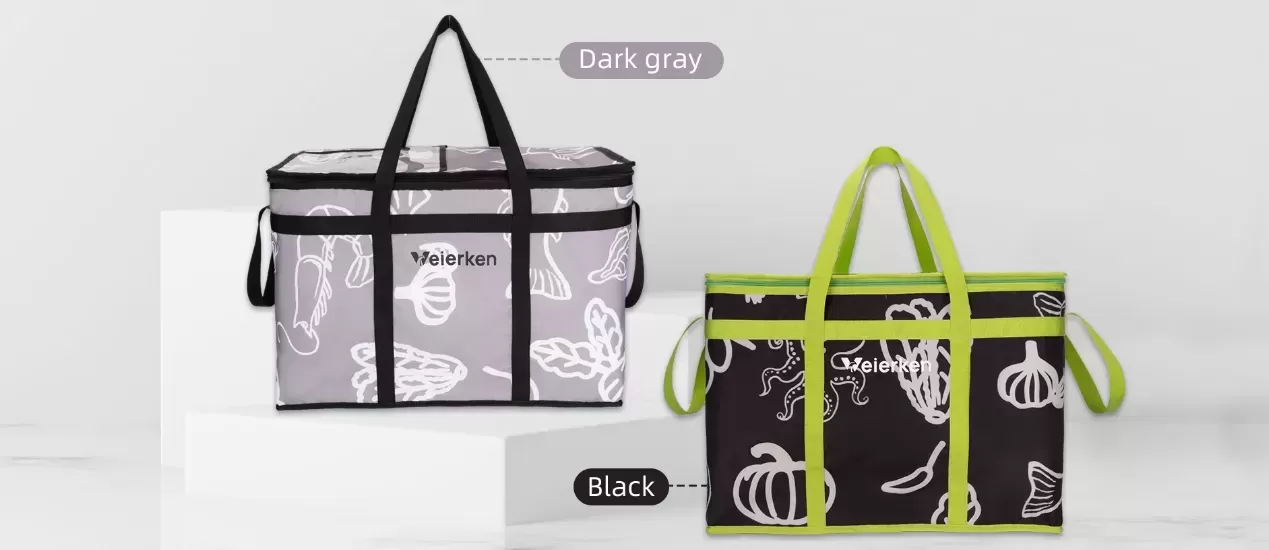
The on-demand food delivery market continues to grow rapidly. This expansion brings operational challenges that restaurant chains and logistics providers must address daily. Spilled liquids, mixed food temperatures, and courier fatigue directly affect customer satisfaction and your bottom line.
Standard off-the-shelf carrying gear often falls short under heavy commercial use. Working with a dedicated leakproof delivery bag maker like weierken allows businesses to address these specific logistical pain points. Customized equipment helps protect food quality from the kitchen counter to the customer's door.
Modern delivery bag manufacturing has evolved past simple dimensions and colors. Today, specialized manufacturers focus on advanced material science and ergonomic designs to improve daily operations. Here are five key customization trends shaping the commercial food transport sector.
1. High-Frequency Welding and Seamless Linings
Traditional stitched seams present a major issue in food logistics. Liquid from spilled soups or condensation slips through the needle holes over time. This moisture damages the internal insulation layer and creates a breeding ground for unpleasant odors and bacteria.
To solve this, a modern leakproof delivery bag maker utilizes high-frequency welding technology. This process uses electromagnetic energy to fuse internal liners without thread or needles. The result is a continuous, completely sealed inner tub that stops liquids from leaking into the bag's frame.
TPU and Heavy-Duty PEVA: Manufacturers use high-grade Thermoplastic Polyurethane (TPU) or thick PEVA materials for these seamless linings.
Easy-Clean Surfaces: Couriers can easily wipe away oil, sauce, or beverage spills with a damp cloth, reducing bag downtime.
Stain Resistance: These non-porous materials prevent stubborn grease stains from sinking into the fabric, maintaining a professional look.
Using these raw materials for waterproof catering delivery bags ensures your fleet remains hygienic. Easy cleaning routines help your business meet local food safety standards with minimal effort.
2. Modular Interior Layouts for Multi-Temperature Transport
A common delivery challenge is handling hot meals and cold beverages in a single trip. Putting a hot pizza next to an iced soda ruins both items before they reach the customer. This temperature mixing leads to negative reviews and costly redeliveries.
Brands now require a commercial thermal delivery bag that adapts to changing order profiles. Specialized manufacturers design modular interiors to solve this exact issue.
Adjustable, insulated Velcro dividers allow couriers to divide the bag's interior into distinct thermal zones. This keeps hot dishes warm on one side while keeping cold drinks chilled on the other.
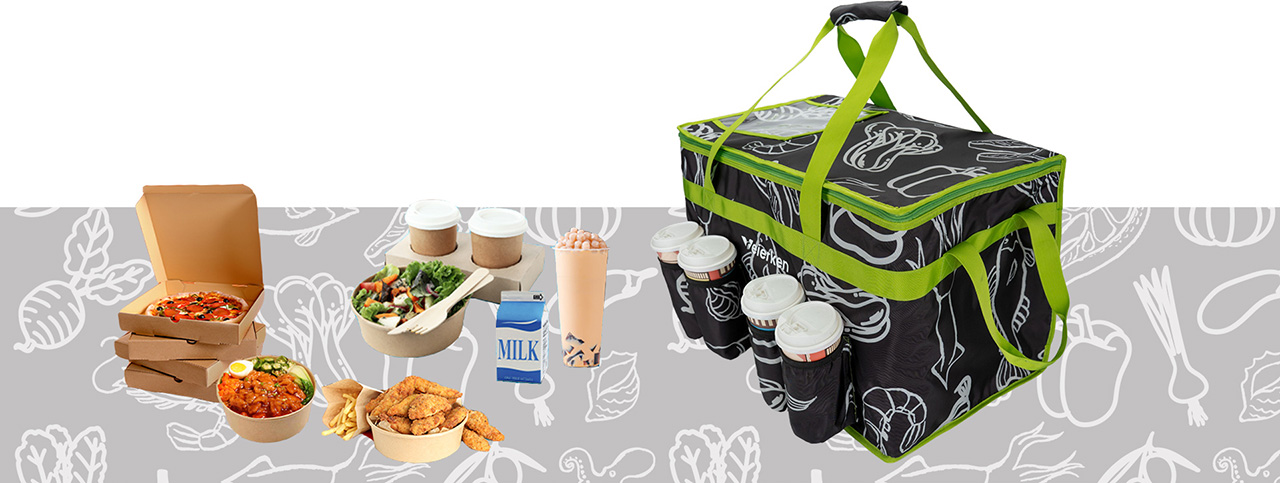
Removable Cup Holders: Custom foam inserts or fabric straps secure various cup sizes, keeping drinks upright on bumpy roads.
Adjustable Shelving: Sturdy internal boards slide into pre-set slots to support heavy catering trays without crushing lighter items underneath.
Flexible Space Allocation: Drivers can adjust the interior layout in seconds, tailoring the bag for a single large catering box or several small individual orders.
These modular upgrades reduce item movement during transit. By minimizing spills and physical damage, logistics managers can lower their overall food waste rates.
3. Sustainable Materials and Eco-Friendly Fabrics
Environmental policies and corporate social responsibility goals are changing global supply chains. Many international food platforms and restaurant groups now require green procurement standards for their delivery equipment. Traditional virgin plastics are quickly being phased out.
As an experienced leakproof delivery bag maker, weierken helps clients adopt sustainable sourcing. We integrate certified recycled materials into the core structure of our bags.
Using post-consumer recycled fabrics allows companies to meet green targets without sacrificing product durability. These materials undergo rigorous testing to ensure they perform well under daily commercial stress.
RPET Outer Shells: Woven fabrics made from recycled plastic bottles offer excellent abrasion resistance and water repellency.
Eco-Friendly Insulation: Recycled polyester fiberfill provides high thermal retention while reducing dependence on virgin petroleum products.
GRS Certification: Reliable manufacturers offer verified Global Recycled Standard (GRS) certificates to validate your eco-friendly supply chain claims.
By using sustainably built insulated food courier bags, food delivery brands can lower their environmental footprint. This alignment with green practices also helps attract eco-conscious consumers.
4. Ergonomic Systems and Enhanced Rider Safety
Couriers carry heavy loads for hours on end, often in difficult weather conditions. Poor bag design leads to back strain and fatigue, which slows down delivery times. A high-quality custom food delivery backpack must prioritize rider comfort and road safety.
Modern ergonomic bags feature load-distribution systems that shift weight away from the shoulders and lower back. Thick honeycomb mesh padding on the back panel promotes airflow, keeping riders cool during hot summer shifts.
Road visibility is another critical safety factor. Delivery bags offer a large canvas to mount safety features that protect riders during night shifts or heavy rain.
Weight-Distribution Straps: Wide, padded shoulder straps combined with adjustable chest and waist buckles help balance heavy loads.
High-Visibility Reflective Elements: Wide, retroreflective tape sewn onto the front, sides, and straps ensures visibility from 360 degrees.
Active LED Light Strips: Built-in, USB-powered LED lights provide steady or flashing illumination for extra safety in low-light environments.
Investing in user-friendly equipment helps delivery platforms keep their couriers safe. Safer, more comfortable riders work more efficiently and stay with your platform longer.
5. Smart Tech Integrations and Functional Utilities
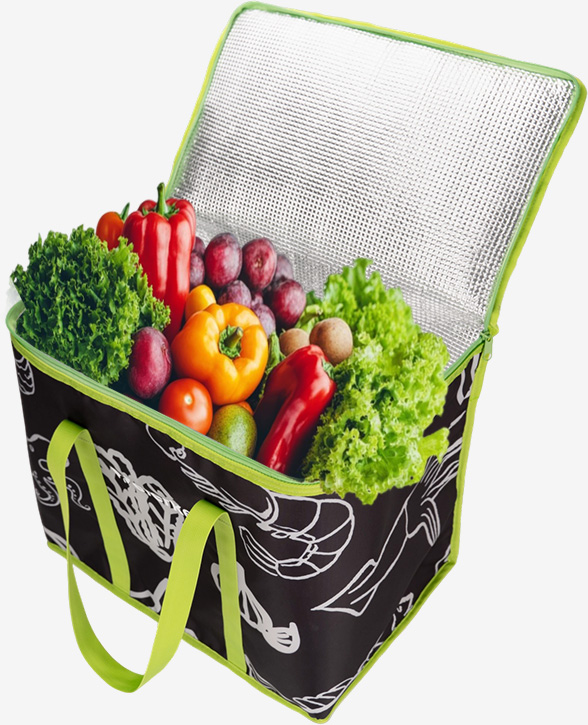
The digitization of logistics is changing delivery gear from simple carrying cases into functional tools. To maintain food quality during long journeys or freezing weather, active heating elements are becoming standard additions.
A professional commercial thermal delivery bag can be customized with internal heating wires. These elements plug directly into a courier's portable power bank or a vehicle's 12V power outlet, keeping meals hot during extended transits.
Beyond heating, small utility additions can greatly improve daily delivery operations.
External Temperature Displays: Built-in digital thermometers show the internal temperature, helping drivers monitor food safety in real time.
Clear Brand Sleeves: Heavy-duty plastic window pockets allow platforms to easily swap out printed advertisements or driver ID cards.
Integrated Power Bank Pockets: Dedicated, water-resistant pockets keep backup batteries dry while routing cables directly to heating elements or phones.
These technical features allow brands to monitor and control transit temperatures. Delivering food at the perfect temperature improves the customer experience and protects your brand's reputation.
Partner with a Quality Manufacturer
Modern delivery bags have evolved from basic polyester cases into highly engineered transport solutions. By focusing on reliable leak prevention, modular interiors, sustainable fabrics, rider safety, and smart features, businesses can optimize their delivery networks.
Working with an experienced leakproof delivery bag maker like weierken helps B2B buyers navigate these options. We design tailored solutions that balance durability, performance, and cost-efficiency to help you meet your operational goals.
Are you looking to upgrade your delivery equipment or design a custom bag for your fleet? Contact our technical team today to discuss your project requirements and receive a comprehensive manufacturing estimate.
Frequently Asked Questions
1. What makes a delivery bag truly leakproof?
True leakproofing depends on seamless interior construction. Traditional stitched seams let liquids seep through the needle holes. High-frequency welding fuses the interior materials together to form a solid, watertight tub that keeps liquids from leaking through the bag's outer layers.
2. How long can a commercial thermal delivery bag keep food hot?
A quality bag can maintain safe food temperatures (above 60°C) for 45 to 60 minutes, depending on external weather. Adding integrated USB heating elements or thick, high-density foam insulation can extend this hot holding time even longer.
3. Can we customize the bag size and logo print for our brand?
Yes. Custom manufacturers provide tailored sizing, specific pocket placements, and custom color matching. We offer screen printing, heat transfer, and rubber patch options to display your brand's logo clearly on the bag.
4. Are recycled fabrics (RPET) as durable as standard nylon fabrics?
Yes. High-quality RPET fabric matches the tear and tensile strength of virgin polyester. It undergoes the same performance testing, ensuring your eco-friendly bags withstand daily commercial wear and tear.
5. What is the average manufacturing lead time for custom delivery bags?
Lead times vary depending on design complexity and order volume. Typically, custom sample production takes 7 to 10 days. Mass production averages 30 to 45 days after the sample is approved and the deposit is received.