

Transporting delicate mousse cakes, ice cream cakes, and fresh animal cream pastries requires precise temperature management. A slight heat spike can ruin an expensive cake and destroy customer trust. Traditional packaging often falls short under real-world delivery pressures.
Bakery chains, cold-chain platforms, and packaging importers face tough challenges today. High freight rates, strict environmental regulations, and soggy cardboard boxes are constant headaches. Leading thermal packaging factories are responding with new raw materials.
Forward-thinking innovators like Weierken are re-engineering thermal packaging from the inside out. Advanced material science now allows brands to maintain strict temperature zones while shrinking bulk and meeting global sustainability mandates. Here are five material innovations transforming the industry.
1. Phase Change Materials (PCM) & Reflective Foil Composites
Standard expanded polyethylene (EPE) foam relies solely on trapped air to slow heat transfer. Once ambient heat penetrates the outer wall, internal temperatures rise quickly. Advanced manufacturers now combine microencapsulated Phase Change Materials (PCM) directly with multi-layer reflective aluminum film.
PCM microcapsules store and release thermal energy at specific target temperatures. When integrated into the inner lining, the PCM actively absorbs incoming heat, delaying temperature spikes far longer than traditional bubble or foam liners.
Key Benefits for B2B Buyers:
Extended Delivery Radius: Keeps sensitive items at 0°C to 4°C for 2 to 4 hours in 35°C ambient heat. Perfect for delicate mousse and ice cream cakes.
Reduced Dry Ice Reliance: Minimizes or replaces costly dry ice and ice packs. This cuts packing weight and bypasses hazardous shipping surcharges.
Consistent Cold Supply: Protects against unexpected delivery delays during peak urban traffic hours.
2. Bio-Based PLA & Compostable Insulation Layers
Single-use plastic bans across Europe, Australia, and North America are forcing a quick shift in packaging standards. Traditional PE linings and non-recyclable foams face heavy carbon tariffs and import restrictions. A reliable biodegradable cake thermal bag supplier must offer high-performing eco-friendly alternatives.
The modern solution combines a Polylactic Acid (PLA) non-woven exterior with a 100% industrially compostable insulation core. Some designs also blend natural bamboo fibers into the thermal core to boost structure and thermal resistance without synthetic additives.
Key Benefits for B2B Buyers:
Full ESG & Regulatory Compliance: Easily satisfies strict regulations like the EU Single-Use Plastics Directive.
Industrial Compostability: Breaks down completely in commercial composting facilities, leaving zero microplastic residue behind.
Premium Brand Positioning: Allows bakery franchises to highlight genuine green initiatives to environmentally conscious consumers.
3. Hydrophobic Anti-Condensation Nanocoatings
Cold cakes inside warm outer environments generate condensation. Water droplets accumulate on inner walls and drip onto paper cake boxes. The result is a soggy, crushed box and a disappointed customer. B2B procurement managers list "soft box damage" among their top customer complaint causes.
Top thermal packaging factories now apply non-toxic, food-grade hydrophobic nanocoatings directly to the inner foil surface. This treatment dramatically increases surface tension, causing condensation to bead up and evaporate rather than pool or soak into paper packaging.
Key Benefits for B2B Buyers:
Lower Product Loss Rates: Prevents outer paper cartons from softening and collapsing during transit.
Enhanced Food Safety Standards: Inhibits bacterial and mold growth caused by trapped moisture, fully meeting FDA and EU 10/2011 food-contact criteria.
Clean Unboxing Experience: Delivers dry, pristine packaging straight to the end customer's doorstep.
4. High-Density RPET (Recycled PET) Exterior Fabrics
Disposable single-use packaging is becoming a cost burden for high-end bakeries. Switching to reusable, heavy-duty delivery bags offers a smarter economic path. High-density RPET Oxford fabric—made entirely from recycled plastic bottles—is fast replacing standard single-use non-woven fabrics.
As an experienced OEM cake delivery cooler bags factory, Weierken utilizes GRS-certified (Global Recycled Standard) RPET materials. This durable fabric handles heavy loads, resists tear stress, and accepts sharp, vibrant dye-sublimation logos.
Key Benefits for B2B Buyers:
Heavy Load Capacity: Strong stitching and durable fabrics safely support large 5kg to 10kg multi-tiered cakes.
Secondary Revenue Source: Bakeries can sell these stylish, durable bags as branded reusable totes, turning packaging costs into profit.
High-Impact Branding: Offers superior print quality for crisp logo display across long-term daily use.
5. Ultra-Thin Aerogel & High-Density EPE Composites
Thick foam packaging protects against heat, but it eats up massive storage space. Standard thermal bags take up huge volume inside shipping containers, driving ocean freight and warehousing costs sky-high for international importers.
Aerogel—originally developed for aerospace insulation—boasts extremely low thermal conductivity. By bonding a paper-thin aerogel membrane with high-density EPE foam, manufacturers match the insulation performance of thick foam at just one-third of the total wall thickness.
Key Benefits for B2B Buyers:
Saves Shipping & Logistics Costs: Slashing bag thickness increases ocean container packing capacity by 40% to 60%.
Cuts Warehouse Overhead: Requires far less pallet space in dry storage facilities before deployment.
Sleek Modern Profile: Eliminates bulky, boxy profiles in favor of a clean, modern aesthetic for urban deliveries.
Material Innovation Comparison for B2B Buyers
| Material Combination | Primary Thermal Feature | Best Suited For | Main Commercial Advantage |
|---|---|---|---|
| PCM + Reflective Foil | Active heat absorption (0-4°C) | Ice cream & animal cream cakes | Replaces dry ice, extends range |
| PLA Bio-Cotton | 100% industrial compostability | EU/US eco-regulated markets | Avoids plastic tax, ESG compliant |
| Hydrophobic Nanocoating | Repels condensation water | Paper box cake packaging | Prevents soggy crushed packaging |
| RPET Oxford Fabric | High tensile strength & reusability | Heavy multi-tier cake transport | Reusable merch, GRS certified |
| Aerogel EPE Composite | Ultra-low conductivity at 1/3 thickness | Import/export bulk buyers | Cuts container freight fees by 50% |
---
Industry Certifications to Look For
When sourcing custom insulated cake bags wholesale, verifying material performance claims is essential. Reputable cake thermal bag manufacturers should provide clear third-party certifications, including:
Food Contact Safety: FDA, EU 10/2011, and LFGB compliance.
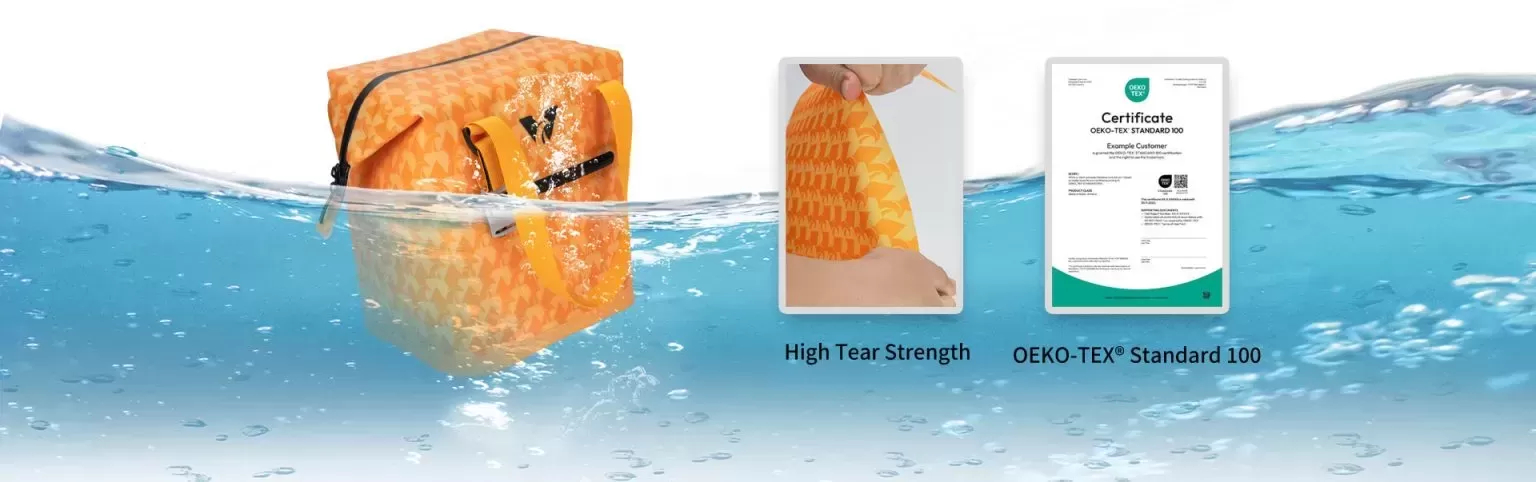
Environmental & Recyclability: GRS (Global Recycled Standard), BPI Compostable, and DIN Certo marks.
Quality & Chemical Safety: ISO9001 factory standard, REACH, and RoHS compliance reports.
Partnering with Experienced Manufacturers
Selecting the right thermal packaging partner goes beyond picking standard sizes from a catalog. True cost efficiency comes from selecting custom material layers tailored to your specific delivery times, climate challenges, and logistics routes.
Working with specialized cake thermal bag manufacturers like Weierken gives you direct access to these five material innovations. The right combination protects your pastry creations, cuts shipping overhead, and strengthens your brand in competitive markets.
Ready to Upgrade Your Packaging Strategy?
Contact our engineering team today to discuss custom sizes, review lab test data, or request a complete sample kit.
Request Free Material Swatch Kit: Test our PCM, PLA, and Aerogel samples firsthand.
Get Bulk Quote & Custom Spec: Share your dimensions and delivery requirements for a fast quote.
Frequently Asked Questions (FAQ)
1. How do PCM thermal bags differ from standard EPE foam cooler bags?
Standard EPE foam bags only slow down heat entry passively through trapped air pockets. PCM (Phase Change Material) thermal bags actively absorb thermal energy at set temperatures (such as 0°C to 4°C). This microencapsulated technology holds stable temperatures up to twice as long without extra ice packs.
2. Can these eco-friendly cake bags handle heavy multi-tiered wedding cakes?
Yes. By pairing bio-based PLA or recycled RPET outer fabrics with high-density reinforced webbing handles, these bags easily handle heavy loads between 5kg and 10kg without tearing or stretching out of shape.
3. What certifications should I request from a biodegradable cake thermal bag supplier?
You should request international certifications like BPI (Biodegradable Products Institute) or DIN Certo for industrial compostability. For recycled fabrics, ask for GRS (Global Recycled Standard) verification, alongside FDA or EU 10/2011 testing for food-contact safety.
4. How does aerogel technology cut down my ocean freight expenses?
Aerogel delivers top-tier thermal insulation at one-third the thickness of standard EPE foam. Thinner walls mean folded bags take up much less physical volume. This lets you fit 40% to 60% more finished bags inside every shipping container, significantly lowering freight cost per unit.
5. What is the typical Minimum Order Quantity (MOQ) for custom insulated cake bags wholesale?
Standard catalog items have lower MOQs, but fully customized orders (custom sizes, special material layers, and Pantone color printing) typically start at 1,000 to 3,000 units per run, depending on the custom material specs chosen.