
Global supply chains are shifting quickly toward Southeast Asia. Importers and commercial buyers actively search for reliable production hubs outside traditional supply markets. Sustainable thermal packaging is now a necessity rather than an option.
Sourcing from reliable Cambodia cooler bag manufacturers gives brands significant tax advantages and lower duty rates. Industry leaders like Weierken continue to set benchmarks in sustainable bag engineering, helping global enterprises navigate these high-growth manufacturing destinations.
This guide highlights the top six eco-friendly bag producers operating in Cambodia for 2026. We examine their sustainable materials, production capabilities, and export advantages.
Why Source Eco-Friendly Cooler Bags from Cambodia in 2026?
Cambodia has transformed into a strategic industrial hub for sewn goods and soft-sided luggage. Western buyers choose Cambodian factories to diversify risk and avoid heavy import surcharges.
Here are the top advantages of partnering with Cambodia cooler bag manufacturers:
Tariff Savings: Trade agreements offer reduced or duty-free import status to major North American and European markets.
Sustainable Material Options: Modern plants utilize Recycled Polyethylene Terephthalate (RPET), organic cotton canvas, and leakproof PEVA linings.
Competitive Labor Costs: Skilled stitchers deliver high craft standards at sustainable operational overheads.
Modernizing Port Logistics: Sihanoukville Autonomous Port expansion speeds up shipping schedules to worldwide destinations.
Top 6 Eco-Friendly Cambodia Cooler Bag Manufacturers
Selecting the right factory requires reviewing technical capabilities, environmental audits, and minimum order quantities (MOQs). Below are the top industrial producers serving global markets this year.
1. Weierken Eco-Thermal Manufacturing
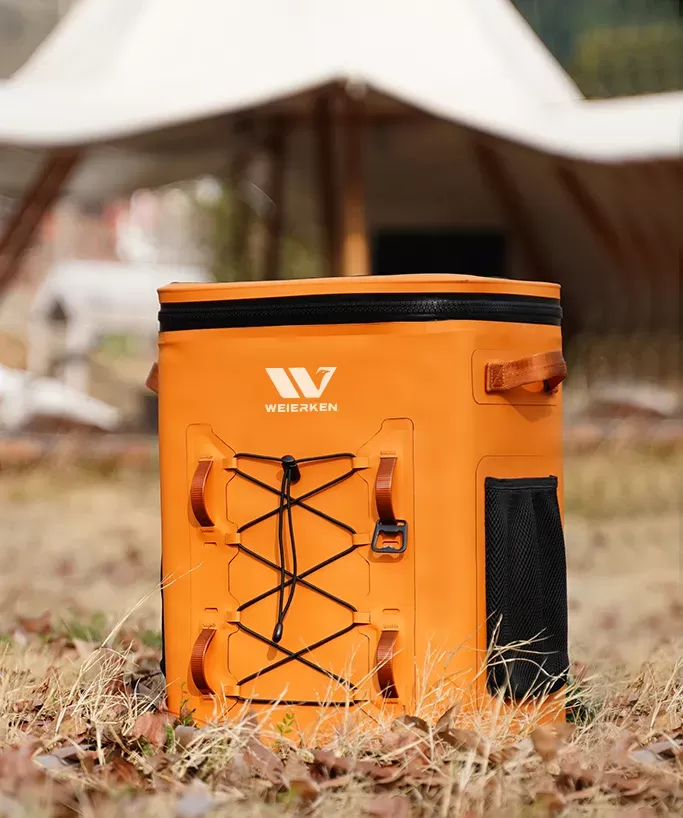
Weierken stands out as a premier global OEM and ODM partner for technical outdoor bags and thermal gear. Leveraging advanced manufacturing lines and strategic Southeast Asian production networks, the brand produces top-tier insulated bags for international enterprise clients.
The company integrates leakproof ultrasonic welding with heavy-duty eco-materials. Their technical team works directly with clients to refine specs, ensuring every bag maintains strict temperature retention standards.
Primary Products: Leakproof ice coolers, heavy-duty outdoor cooler backpacks, golf cooler bags.
Key Eco-Features: High-density RPET fabric, TPU waterproof coatings, and recyclable EPE insulation foam.
Best For: Outdoor supply brands, corporate premium lines, and high-spec custom projects.
2. Cambodia Bag Solutions Ltd.
Cambodia Bag Solutions operates a massive production plant near Phnom Penh. They focus exclusively on large-scale custom sewing and high-frequency welded bags.
The company specializes in soft-sided coolers made from post-consumer recycled fabrics. Their facility handles full OEM customization from pattern development to final quality testing.
Primary Products: RPET lunch cooler totes, soft coolers, insulated delivery bags.
Key Eco-Features: 100% GRS-certified recycled outer shells and toxic-free PEVA linings.
Best For: High-volume retail brands wanting low unit costs.
3. GreenPack Manufacturing Cambodia
GreenPack focuses strictly on sustainable, zero-plastic thermal packaging solutions. They supply international supermarket chains and food delivery platforms.
Their engineering team develops bio-based insulation foams that match standard EPE performance. This drastically lowers the overall footprint of every shipment.
Primary Products: Grocery thermal bags, wine cooler bags, meal prep totes.
Key Eco-Features: Plant-derived biodegradable thermal liners and natural hemp canvas.
Best For: Eco-focused grocery chains and organic brands.
4. Phnom Penh Textile & Bags Co.
Phnom Penh Textile operates a versatile sewing facility equipped with computerized pattern stitchers. They produce both promotional items and retail-ready soft luggage.
They maintain strict internal quality checks and offer full material traceability. Their supply chain uses locally sourced and imported sustainable raw goods.
Primary Products: Canvas lunch boxes, collapsible cooler totes, beach cooler bags.
Key Eco-Features: Unbleached organic cotton canvas and food-safe aluminum foil linings.
Best For: Mid-sized importers seeking flexible minimum order quantities.
5. Mekong Eco Logistics & Goods
Mekong Eco focuses on fair-trade certified production for ethically focused western retail brands. Their modern factory employs social compliance standards verified by third-party auditors.
They create stylish, functional soft coolers built for urban lifestyles and corporate giveaways. Their design department updates seasonal fabric collections continuously.
Primary Products: Executive cooler bags, lunch bags, insulated hydration pack sleeves.
Key Eco-Features: Recyclable webbing straps and water-based eco-pigment printing.
Best For: Corporate gifting agencies and ethical boutique brands.
6. Angkor Sustainable Bag Factory
Angkor Sustainable Bag Factory provides fast turnaround times for promotional order programs. Their streamlined assembly lines assemble durable, budget-friendly thermal bags efficiently.
The factory implements strict water recycling systems inside its print and fabric-treating facilities. This clean process reduces manufacturing waste before export.
Primary Products: Promotional cooler bags, zippered picnic totes, event beverage bags.
Key Eco-Features: Low-carbon production lines and non-toxic EVA foam insulation.
Best For: Large promotional product distributors needing quick delivery timelines.
Eco-Friendly Materials Used by Cambodia Cooler Bag Manufacturers
Material choices directly affect thermal performance and brand reputation. Leading manufacturers in the region source certified components to meet global compliance rules.
1. Recycled Polyethylene Terephthalate (RPET)
RPET comes from processed plastic bottles. It matches the durability and tear resistance of virgin polyester while keeping plastic waste out of landfills.
Engineers weave RPET into 600D or 900D fabric structures. These fabrics provide excellent abrasion resistance for outdoor coolers.
2. Thermoplastic Polyurethane (TPU) & PEVA Linings
PVC linings release harmful chemicals and break down easily over time. Modern factories replace old PVC with food-grade PEVA or TPU liners.
TPU provides flexible, airtight, and leakproof performance. It withstands extreme cold without cracking, making it ideal for high-end ice bags.
3. Recycled EPE Foam Insulation
The inner core determines how long a cooler keeps contents cold. Manufacturers place closed-cell EPE foam between the outer shell and inner lining.
Recycled EPE foam maintains precise thickness and density standards. It provides excellent thermal insulation while maintaining lightweight packability.
Key Sourcing Considerations for Importers
Sourcing directly from Cambodia cooler bag manufacturers requires evaluating several technical factors before placing a purchase order.
Factory Certifications and Audits
Ensure your chosen facility holds valid international standard certificates. Look for these crucial certifications:
Global Recycled Standard (GRS): Verifies recycled content claims across the production chain.
BSCI / SEDEX: Guarantees fair working conditions, safety protocols, and fair pay.
ISO 9001: Confirms consistent factory quality management practices.
Seam Construction and Leakproof Technology
Standard stitching creates needle holes that let melted ice leak out. High-performance bags require ultrasonic heat sealing or radio-frequency welding.
Discuss seam construction with your factory early in the design stage. Heat-welded seams are critical for heavy-duty ice retention bags.
Logistics and Freight Infrastructure
Consolidated shipments typically ship through the Sihanoukville Autonomous Port or Phnom Penh Autonomous Port. Confirm if your factory handles full Export Customs Clearance (FOB terms).
Planning vessel schedules in advance keeps your retail launch timelines on schedule.
Customizing OEM Cooler Bags: A Step-by-Step Overview
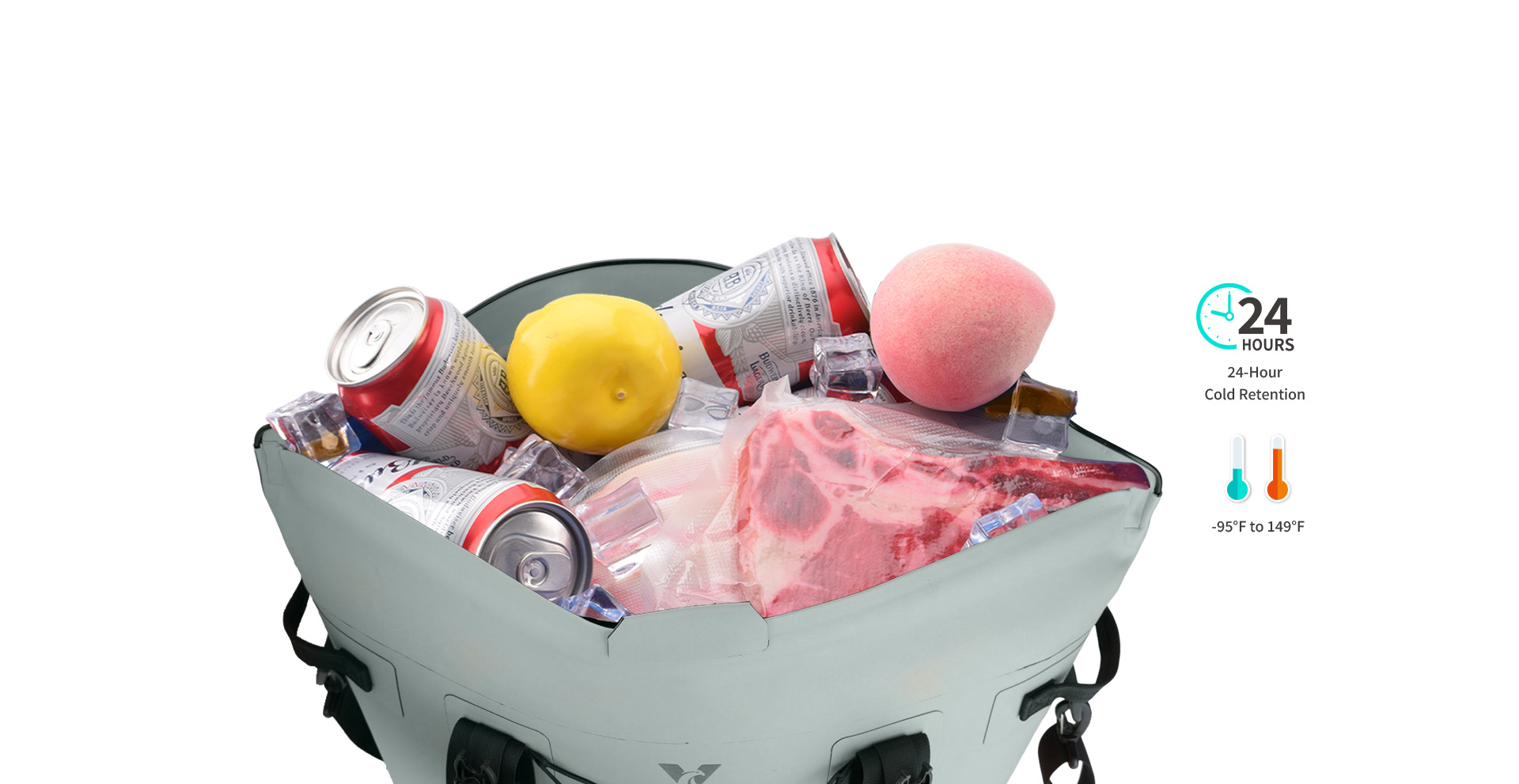
Working with an experienced manufacturer like Weierken streamlines the entire custom manufacturing process from concept sketch to container delivery.
Design Specification: Send tech packs detailing bag dimensions, target holding capacity, and eco-material requirements.
Material Sourcing: The factory sources GRS-certified outer shell fabrics, thermal foam, and food-grade interior liners.
Sample Creation: Master sample makers craft a physical prototype to test thermal retention, seam strength, and ergonomics.
Lab Testing: Samples undergo leak-proof tests, zipper pull durability trials, and chemical compliance checks.
Mass Production: Cutting, stitching, welding, and quality checks occur on specialized assembly lines.
Final Quality Inspection: Independent inspectors check finished goods against agreed AQL quality standards before packing.
Frequently Asked Questions (FAQ)
1. Why are buyers shifting cooler bag production to Cambodia?
Importers shift production to Cambodia to lower tariff costs and diversify supply chain reliance. Tariff advantages under trade schemes lower landed costs for Western buyers. Cambodian factories also offer modern equipment and skilled stitchers.
2. What materials do Cambodia cooler bag manufacturers use for eco-friendly bags?
Manufacturers use post-consumer RPET fabric, organic cotton canvas, and recycled EPE insulation foam. For leakproof inner linings, plants use non-toxic, food-grade PEVA or TPU materials instead of legacy PVC plastics.
3. How do import tariffs compare between China and Cambodia for thermal bags?
Insulated bags shipped from China often face high import duties and additional trade tariffs in North American markets. Goods exported from Cambodia generally enter with reduced tariff rates under regional trade preferences, saving importers significant capital.
4. What is the typical Minimum Order Quantity (MOQ) for custom cooler bags?
Standard factory MOQs range between 1,000 and 3,000 units per style or colorway. Larger fully customized projects using specialized dyed fabrics or custom-molded EVA bases may require higher minimum production runs.
5. Can Cambodian factories produce leakproof welded cooler bags?
Yes. Advanced manufacturing facilities feature high-frequency welding and ultrasonic seam-sealing machinery. These machines join TPU and PEVA liners seamlessly, creating 100% leakproof waterproof chambers without needle holes.
6. How long does the manufacturing lead time take for bulk orders?
Sample development usually takes 7 to 14 business days. Mass production requires 35 to 50 days after sample approval and deposit receipt, depending on material availability and current order volumes.
Start Sourcing High-Quality Eco Cooler Bags Today
Partnering with reliable Cambodia cooler bag manufacturers helps you reduce supply chain risks, lower tariff expenses, and meet strict environmental compliance goals for 2026.
Whether you need lightweight promotional lunch totes or rugged, high-performance soft coolers, partnering with an experienced global bag manufacturer like Weierken ensures your product meets world-class quality standards.
Contact our technical sourcing team today to discuss your project requirements, request a sample pack, or obtain a detailed competitive quote for your next bulk production run!