
Every procurement manager knows the nightmare: the golden sample looks flawless, but the bulk shipment arrives with weak seams, sagging bottoms, and loose threads. A single batch failure can ruin your brand reputation on Amazon, trigger retail penalties, and stall your supply chain.
Finding dependable heavy duty bag manufacturers requires looking beyond glossy brochures and Alibaba storefronts. At Weierken, we have spent years manufacturing industrial-grade gear, tactical packs, and commercial tool bags. We know exactly where unscrupulous suppliers cut corners.
In this guide, we share five insider secrets direct from the factory floor. Use these criteria to evaluate any industrial bag factory, protect your profit margins, and secure long-term product durability.
Secret 1: Decode Fabric & Stitching Standards (Beyond Denier and GSM)
Most buyers check fabric denier—like 1680D nylon or 600D polyester—and assume high numbers guarantee strength. Middlemen know this and use it to trick you. True structural integrity depends on fabric backing and thread specifications, not just raw weight.
1. PU vs. PVC Backing Coatings
Raw polyester or nylon tears easily without a backing layer. Factory technicians apply Polyurethane (PU) or Polyvinyl Chloride (PVC) to coat the back of the material:
PVC Coating: Adds weight and rigid structure at a lower cost, but it turns brittle in cold weather and emits strong chemical odors.
PU Coating: Offers superior flexibility, high tear resistance, and eco-compliance (REACH/RoHS), though it costs slightly more.
2. Thread Gauge & Seam Reinforcement
Thick fabric fails instantly if joined with weak thread. Demand high-tensile bonded nylon or polyester thread (such as V-69 or V-92 specifications). Look closely at high-stress points like handle joins and shoulder strap connections:
Box-X Stitching: Standard straight stitching tears under heavy loads. Demand a square box pattern with an inner cross stitch.
Reinforced Bartacking: Automated high-density stitch clusters must back up every zipper end and strap anchor point.
Always ask your heavy duty canvas bag manufacturer for certified third-party lab reports from SGS or TÜV. Specifically check two metrics: Tear Strength (resistance to ripping once punctured) and Tensile Strength (maximum pull force before breaking).
Secret 2: Unmask Trading Companies to Find Real Direct Factories
Nearly 90% of B2B profiles label themselves as "direct factories." In reality, many are trading companies marking up prices by 15% to 30%. Worse, they lack real control over production timelines and quality assurance.
Learning how to verify heavy duty bag manufacturers saves money and prevents disastrous shipping delays.
1. Inspect the Machinery Floor
Heavy materials require specialized equipment. A lightweight garment factory cannot properly assemble a 50-pound capacity tool bag. Ask your potential supplier to prove they own:
Computer Automated Sewing Machines: Ensures identical stitch counts and precise Box-X patterns across thousands of units.
Heavy-Duty Walking Foot Sewing Machines: Necessary to stitch through 4 to 6 layers of thick canvas or leather.
Automatic Fabric Cutting Beds: Guarantees uniform panels so seams line up under tension.
In-House Tensile Testers: Allows real-time quality control without sending every sample out.
2. The Unannounced Video Call Strategy
Skip scheduled factory tours where trading companies rent temporary space. Request an unannounced 5-minute video call during working hours. Ask the sales representative to walk down the main assembly line and show you three things:
The actual raw material warehouse.
Workers actively stitching heavy-grade fabrics on specialized machines.
The factory business license posted near the office (verify that the business scope explicitly includes "Manufacturing" or "Production," not just "Trading").
Secret 3: Establish Dynamic Stress Testing Protocols
Static weight capacity means very little. A custom bag holding 30 kg while sitting flat on a table might burst open the second a worker drops it off a truck bed or jerks it by the strap.
Work with an experienced OEM heavy duty bag factory to set strict testing protocols during the Pre-Production (PP) sample stage.
Key Stress Tests to Mandate:
Dynamic Drop Testing: Load the sample bag to its maximum rated capacity (e.g., 25 kg). Raise it 1.2 meters off the ground and drop it onto concrete 10 consecutive times. Check for split seams or bent hardware.
Jolt / Load Durability Test: Mechanically bounce the loaded bag by its main handles for 5,000 cycles. This simulates long-term travel vibrations and heavy wear.
Handle Pull-Off Test: Apply machine tension to individual straps until they detach. Measure the exact force required to ensure it exceeds safety margins.
Establish an iterative prototyping protocol. Never approve full-scale production until the factory passes every dynamic test and signs off on formal laboratory documentation.
Secret 4: Audit Sub-Suppliers for Webbing, Zippers, and Buckles
A heavy-duty bag is only as strong as its weakest component. Main body fabrics rarely fail first. Instead, cheap zipper teeth strip out, plastic buckles snap in cold weather, or webbing handles stretch and fray under load.
To maintain high standards, professional operations like Weierken maintain strict control over sub-suppliers. Demand total transparency regarding hardware components from any prospective custom heavy duty bag supplier.
Hardware Specifications Checklist:
Zippers: Specify brand-name components like YKK or SBS. For heavy utility applications, insist on #8 or #10 heavy-gauge explosion-proof nylon coil or metal zippers.
Buckles & Hooks: Avoid generic recycled plastic buckles. Demand military-grade Polypropylene or Acetal hardware from suppliers like Duraflex or UTX-Flex.
Webbing Straps: Understand the difference between Polypropylene and Nylon webbing. Polyester and Nylon offer far higher tensile strength and abrasion resistance than cheap Polypropylene straps.
Secret 5: Enforce AQL 2.5 Standards with Watertight Contracts
Verbal promises offer zero protection when a container full of defective bags hits your warehouse floor. Secure your order with a legally binding B2B manufacturing contract that includes explicit quality metrics.
1. Define Clear Quality Acceptance Limits (AQL)
Incorporate ISO-standard Acceptable Quality Limits into your purchase agreement. For industrial-grade bag manufacturing, standard thresholds include:
Critical Defects (0% Allowed): Missing safety stitching, sharp exposed metals, or failed load straps.
Major Defects (AQL 2.5): Incorrect dimensions, broken zippers, or severe loose threads.
Minor Defects (AQL 4.0): Slight cosmetic blemishes or minor color shade variations.
2. Structure Safe Payment Milestones
Never pay 100% upfront. A standard B2B payment structure uses a 30% deposit upon contract signing and a 70% balance payment. Crucially, state that the final balance will only be released after an independent third-party inspection team (like QIMA or SGS) audits the finished goods and issues a passing report.
Be clear about order volumes. Confirm the custom heavy duty bags minimum order quantity (MOQ) upfront. Make sure the factory commits in writing to those exact piece-count tiers without sacrificing quality control.
Partner with an Experienced Manufacturing Leader
Sourcing industrial-grade products does not have to feel like a gamble. When you work with Weierken, you get direct access to modern manufacturing facilities, skilled technical artisans, and strict quality engineering.
Our production capabilities cover a broad range of heavy-duty bag solutions:
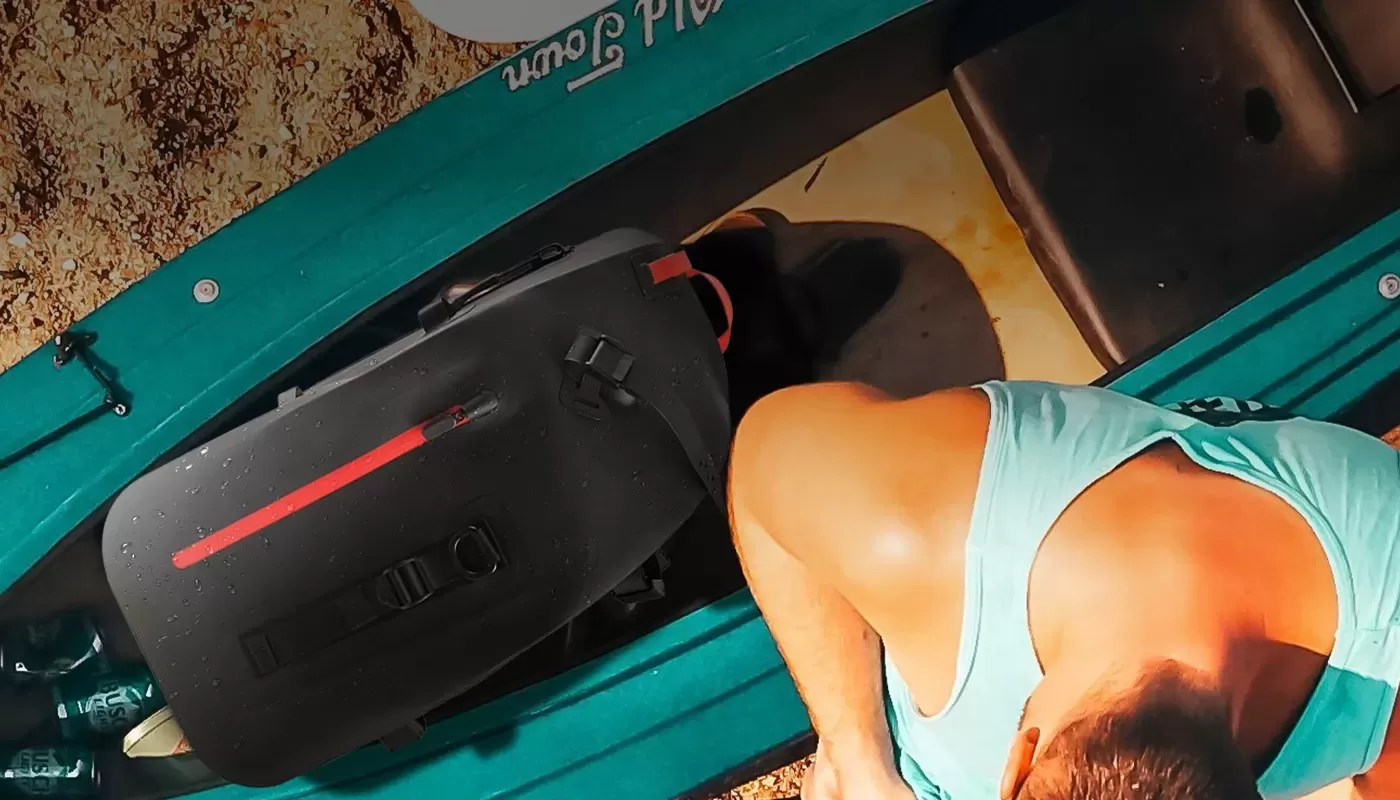
Heavy-duty canvas and high-denier nylon tool bags.
Tactical backpacks and modular gear bags.
Commercial utility bags, outdoor equipment cases, and custom OEM storage designs.
Complete international compliance support (ISO9001, BSCI, REACH).
We manage your sourcing risks from raw material selection through final AQL inspection. That way, your products arrive built to perform under extreme conditions.
Frequently Asked Questions (FAQ)
Q1: What is the standard custom heavy duty bags minimum order quantity (MOQ)?
A: Typical factory MOQs range from 500 to 1,000 units per style, depending on fabric custom colors and custom hardware requirements. At Weierken, we work with brand owners and enterprise buyers to offer flexible MOQ structures for specialized product runs.
Q2: How do I verify if a heavy duty bag manufacturer is a real direct factory?
A: Request an unannounced video call to view active assembly lines. Check for heavy-duty machinery like computer-automated Box-X sewing equipment and automatic cutting tables. You can also inspect their business registration document to confirm their licensed scope includes actual manufacturing.
Q3: What are the essential heavy duty bag material testing standards I should request?
A: Always ask for third-party lab documentation covering Fabric Tear Strength, Tensile Strength, Colorfastness under UV light, and Abrasion Resistance (Martindale or Wyzenbeek tests). Ensure the materials comply with environmental regulations like REACH or RoHS if selling in Europe or North America.
Q4: What inspection standard should I write into my B2B purchasing contract?
A: Specify the international standard AQL 2.5 (Acceptable Quality Limit) for major defects and AQL 4.0 for minor defects. Make final balance payments contingent on passing a pre-shipment inspection conducted by a certified third-party firm.
Q5: Why do sample bags pass static weight tests but fail during shipping?
A: Static tests only measure resting weight. Real-world
shipping subjects bags to dynamic shock, vibration, dropped loads, and shifting
center-of-gravity forces. You must mandate dynamic drop testing and jolt
durability testing during the sample approval stage to simulate actual field
conditions.
Ready to Build Durable Bags That Protect Your Brand?
Stop worrying about seam tears, cheap hardware, and shipping delays. Talk directly with the manufacturing experts at Weierken today. Request a quote, schedule a virtual factory tour, or request sample development for your custom project.
Request a Quote / Contact Weierken