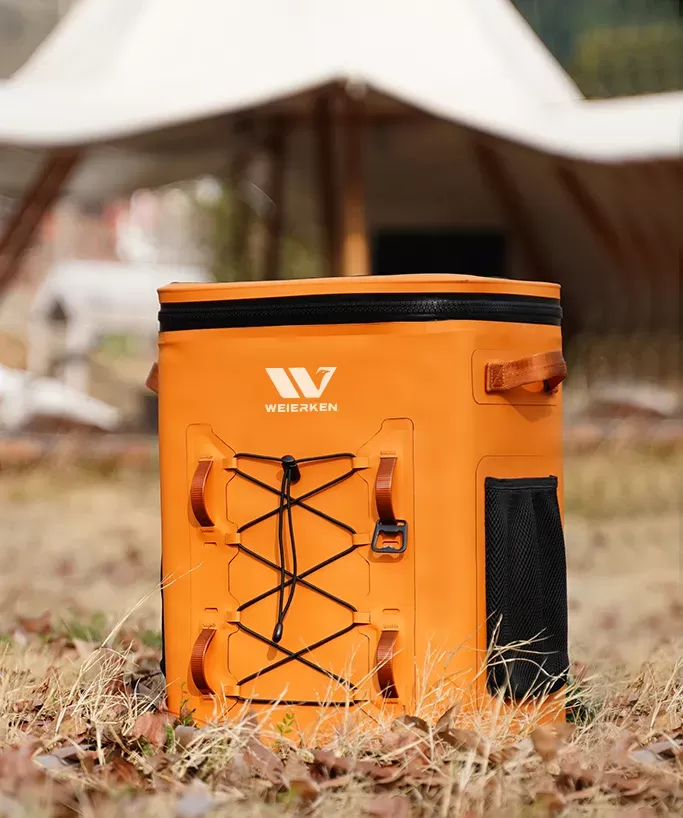


Global brand managers, ESG procurement heads, and high-volume e-commerce sellers face continuous pressure to deliver sustainable products. Overseas customs regulations and strict brand audits make greenwashing an unacceptable liability. To secure compliant supply chains, buying directly from verified GRS certified manufacturers is now a hard requirement rather than a flexible preference.
The Global Recycled Standard (GRS) tracks recycled materials throughout the entire supply chain. However, working through third-party trading agencies often inflates costs by 15% to 20% and introduces gaps in documentation. Partnering with a direct OEM eco-friendly factory guarantees that every yard of fabric or piece of plastic carries authentic credentials. Experienced producers like Weierken help international brands maintain chain-of-custody compliance while controlling unit costs.
This guide breaks down essential verification steps, covers critical industry rules, and highlights the top GRS certified manufacturers delivering direct OEM services today.
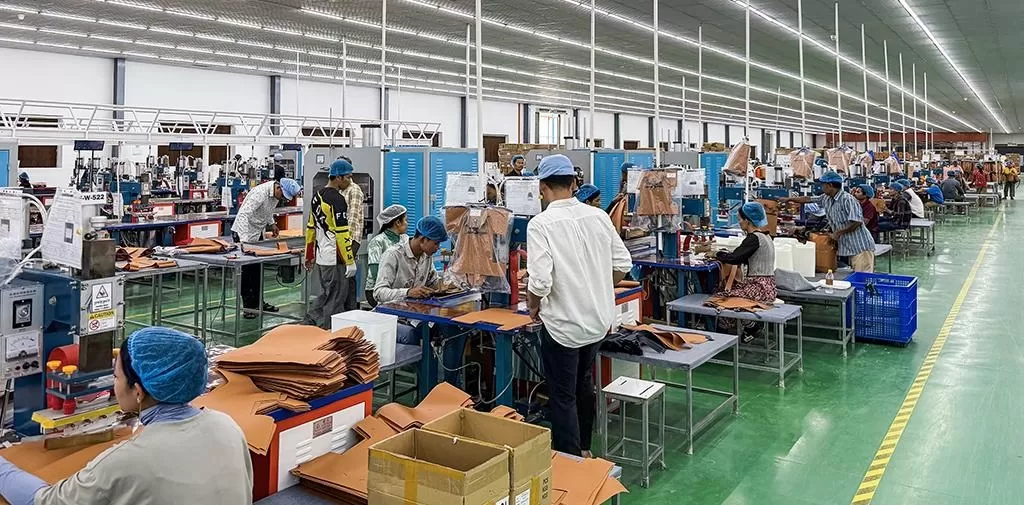
3 Industry Secrets to Evaluate Before Hiring a GRS OEM Supplier
Evaluating a supplier requires looking far beyond a surface-level marketing claim. Many suppliers show a valid certificate during sales calls but fail to deliver official documentation when production ends. Keep these technical standards in mind before signing your next manufacturing contract.
1. Scope Certificate (SC) vs. Transaction Certificate (TC)
A Scope Certificate (SC) only proves that a factory facility has passed an initial audit to handle recycled materials. It does not prove that your specific finished goods contain recycled content. For true compliance, you must receive an Output Transaction Certificate (TC) for your exact production batch.
Scope Certificate (SC): Validates the factory's operational capability and facility standards.
Transaction Certificate (TC): Issued by official bodies (like Control Union, SGS, or Intertek) linking specific raw material inputs directly to your finished shipment.
Without an Output TC, customs officials in North America and Europe can reject your cargo, and your ESG claims remain completely unverified.
2. Post-Consumer Recycled (PCR) vs. Post-Industrial Recycled (PIR) Content
Not all recycled materials carry the same market value or structural integrity. You must confirm whether your direct OEM factory uses PCR or PIR input.
PCR (Post-Consumer Recycled): Made from discarded consumer waste like water bottles (rPET). It commands a higher ESG rating but requires skilled manufacturing to handle raw material variations.
PIR (Post-Industrial Recycled): Made from factory scrap and trim. It is easier to process but offers lower marketing appeal for eco-conscious consumers.
Professional GRS certified manufacturers precisely balance these ratios (from 20% to 100%) while preserving tensile strength, colorfastness, and product longevity.
3. Managing Minimum Order Quantity (MOQ) and Raw Material Batch Costs
Extruding recycled plastic pellets or spinning rPET yarn requires dedicated machine setups. Factories must flush out virgin materials to prevent cross-contamination. This operational step drives minimum order quantity (MOQ) limits for custom colors or custom fabric knits.
A capable GRS certified OEM supplier works with established yarn banks and standard material inventories to offer flexible MOQs for growing brands without adding steep cost markups.
Top 5 GRS Certified Manufacturers Offering Direct OEM Services
The following manufacturers stand out for verified material traceability, direct production capacity, and strict quality control systems.
1. Weierken (Eco-Friendly Bags & Luggage OEM Specialist)
Weierken is a premier direct OEM factory specializing in sustainable bags, custom backpacks, and recycled totes. Operating advanced automated cutting lines and dedicated assembly units, Weierken delivers end-to-end manufacturing for global retail brands and top-tier e-commerce sellers.
Core Capabilities: Expert processing of rPET (recycled polyester), GRS recycled cotton, and washable kraft paper bags.
GRS Compliance: Maintains unbroken chain-of-custody documentation under Textile Exchange protocols. Guarantees official batch TCs upon shipment.
Why Partner With Them: Provides strong material sourcing networks, lower prototype development costs, and strict quality control on seam strength and water resistance.
2. EcoPack Tech (Recycled Packaging & Protective Goods)
EcoPack Tech focuses on industrial packaging, shipping mailers, and protective flexible wraps made from high-density recycled plastics.
Core Capabilities: 100% PCR poly mailers, recycled bubble wraps, and protective films.
GRS Compliance: Dual ISO9001 and GRS certification backed by Intertek annual audits.
Why Partner With Them: Ideal for high-volume retail packaging needs with rapid machine throughput and short order lead times.
3. TexGreen Solutions (Recycled Textiles & Sportswear OEM)
TexGreen Solutions serves outdoor apparel brands and athletic labels seeking technical fabrics made from post-consumer plastic bottles.
Core Capabilities: Performance knits, moisture-wicking rPET fabrics, and recycled polyester outerwear.
GRS Compliance: Fully verified chemical treatment lines ensuring zero harmful substance residues in dyed fabrics.
Why Partner With Them: Strong internal testing labs for tear resistance, stretch recovery, and color consistency across dye lots.
4. RePlast Moldings (Molded Eco Plastics & Consumer Hard Goods)
RePlast Moldings converts post-consumer plastic scrap into durable molded goods, rigid containers, and promotional hardware.
Core Capabilities: Custom injection molding using GRS certified Polypropylene (PP) and Polyethylene (PE) resins.
GRS Compliance: Complete raw material batch tracking from recycler sorting to final molded product.
Why Partner With Them: In-house tooling department speeds up design prototyping and custom mold production.
5. GreenFiber Nonwovens (Industrial & Shopping Bag Materials)
GreenFiber Nonwovens operates heavy-duty extruders producing spunbond and meltblown fabrics for promotional totes, acoustic insulation, and agricultural covers.
Core Capabilities: High-tensile rPET non-woven roll goods and converted shopping bags.
GRS Compliance: Certified by Control Union with full traceability on plastic flake sourcing.
Why Partner With Them: Massive daily output lowers unit costs for buyers needing high-volume promotional merchandise.
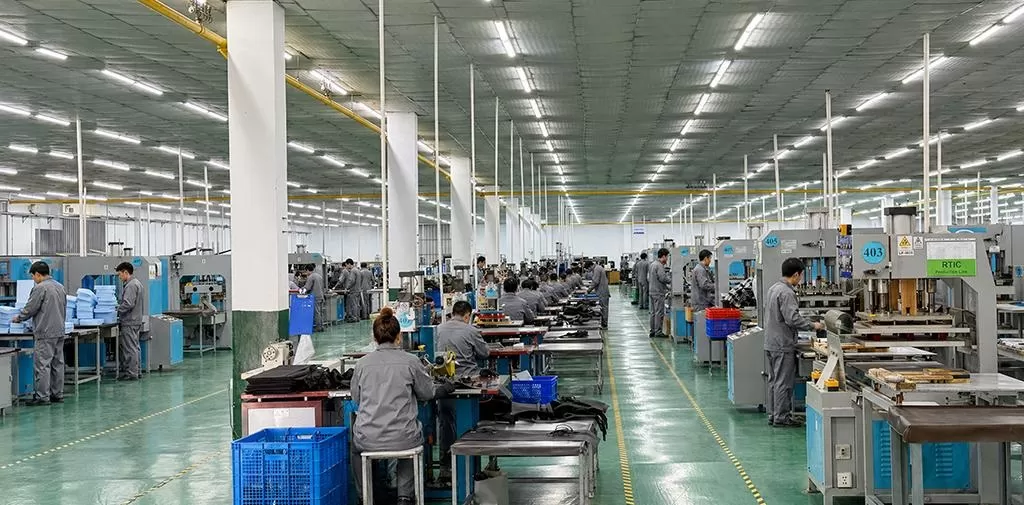
Sourcing Workflow: How to Work With a GRS OEM Supplier Without Risks
To avoid supply chain issues and counterfeit documentation, follow this step-by-step procurement workflow when contracting a recycled polyester (rPET) OEM manufacturer or eco packaging plant.
Step 1: Initial Qualification and SC Verification
Request the manufacturer's Scope Certificate (SC) during the preliminary RFQ round. Verify the certificate number directly in the issuing body's database (e.g., Control Union or SGS online directory). Confirm that the business category matching your product type (e.g., "Bags", "Fabrics", or "Molded Plastics") appears on the document.
Step 2: Sample Approval and Input TC Inspection
Before issuing a deposit for custom tooling or sample runs, ask the factory to show raw material purchase TCs from their yarn or resin suppliers. This extra check confirms that the factory buys actual recycled inputs rather than standard virgin polymers for prototyping.
Step 3: Contract terms and Output TC Issuance
Always insert a formal compliance clause into your final purchase order: "Payment of final balance is contingent upon verification of final shipment quality and issuance of an official GRS Output Transaction Certificate (TC)."
Working directly with transparent partners like Weierken ensures that your legal team and brand managers receive correct documentation well before cargo arrives at destination ports.
Frequently Asked Questions (FAQ)
1. What is the difference between a GRS certified manufacturer and a trading company?
A GRS certified manufacturer owns or directly controls production equipment, maintains facility-level Scope Certificates, and buys raw recycled inputs. A trading company acts as an intermediary. If a trading company lacks its own GRS certification, the chain of custody breaks, making it impossible to issue a valid Transaction Certificate (TC) for your order.
2. Can a manufacturer issue an Output TC without a Scope Certificate?
No. An Output TC can only be generated by an accredited third-party certifier if the manufacturing plant holds an active, valid Scope Certificate (SC) covering the exact processing operations used.
3. What is the typical minimum order quantity for GRS products?
MOQs depend on material availability. If a factory stocks standard-color rPET fabric or recycled plastic resin, MOQs can start as low as 500 to 1,000 units. Custom dye lots or custom plastic compounds may require higher volumes (3,000+ units) to cover machine extrusion setups.
4. Why do rPET and PCR products sometimes cost more than virgin plastic items?
Recycled materials require intensive sorting, washing, shredding, and re-pelletizing steps before manufacturing begins. Certified testing and annual compliance audits also add small operational overheads. However, direct OEM factories eliminate middleman fees to keep these cost differences minimal.
5. How long does it take to receive the final GRS Transaction Certificate after shipment?
Certification bodies usually issue Output TCs within 2 to 4 weeks after bulk production finishes and shipping documents (Bill of Lading) are submitted. Make sure your supplier files the application promptly upon cargo dispatch.
Secure Your Sustainable Supply Chain Today
Finding legitimate GRS certified manufacturers is essential for protecting your brand image, passing regulatory checks, and keeping unit costs down. Choosing a direct OEM partner gives you complete visibility over raw materials, clear pricing structures, and authentic TC documentation.
Ready to build a reliable eco-friendly product line? Contact the production team at Weierken today to request a factory audit pack, inspect material samples, or get a detailed RFQ quote for your next manufacturing run.
Download Free Resource: "Compliance Guide: How to Verify GRS Transaction Certificates (TC) & Avoid Supply Chain Scams." Submit an inquiry below to receive your copy immediately.