


Freshness is the lifeblood of the salad industry. When a customer opens a bowl of greens, they expect crisp leaves and chilled dressing. If the temperature fluctuates during delivery, the lettuce wilts, the dressing separates, and your brand reputation suffers. Choosing the right salad thermal tote factory is a strategic decision that directly impacts your food quality and customer satisfaction.
At weierken, we understand that a salad tote is more than just a bag. It is a portable refrigerator that must maintain a strict temperature range of 4°C to 8°C. Finding a manufacturer that can meet these technical demands requires looking beyond the surface. You need a partner that understands the science of cold chain logistics and the rigors of daily commercial use.

1. Verify Commercial-Grade Thermal Performance and Data
Many factories claim their bags are “insulated,” but “insulated” is a vague term. For commercial salad delivery, you need specific temperature attenuation data. A professional salad thermal tote factory should provide third-party laboratory test reports that show how the bag performs in real-world conditions.
Ask the factory how their bags perform in ambient temperatures of 25°C or even 35°C. For professional use, you should expect 4 to 6 hours of zero or minimal temperature decay. If the internal temperature spikes within the first hour, the bag is insufficient for a busy delivery route.
Consider the insulation materials used:
- High-Density PU Foam: This is superior to standard EPE foam. While it takes up less space, it can improve thermal retention by up to 40%.
- Radiation Layers: Ensure the interior uses a high-quality food grade lining, such as PEVA or heavy-duty aluminum foil. These materials reflect heat away and keep the cold inside.
- Condensation Management: High-quality liners prevent condensation from soaking through the insulation, which would otherwise make your salad containers soggy and weak.
At weierken, we prioritize these thermal metrics. We believe that data, not just marketing claims, should drive your purchasing decisions.
2. Inspect Food-Grade Compliance and Hygienic Sewing Processes
Salad dressings and juices often leak. If your tote has traditional sewn seams, those liquids will seep into the insulation. Over time, this leads to bacteria growth and foul odors. In the food industry, this is a massive liability.
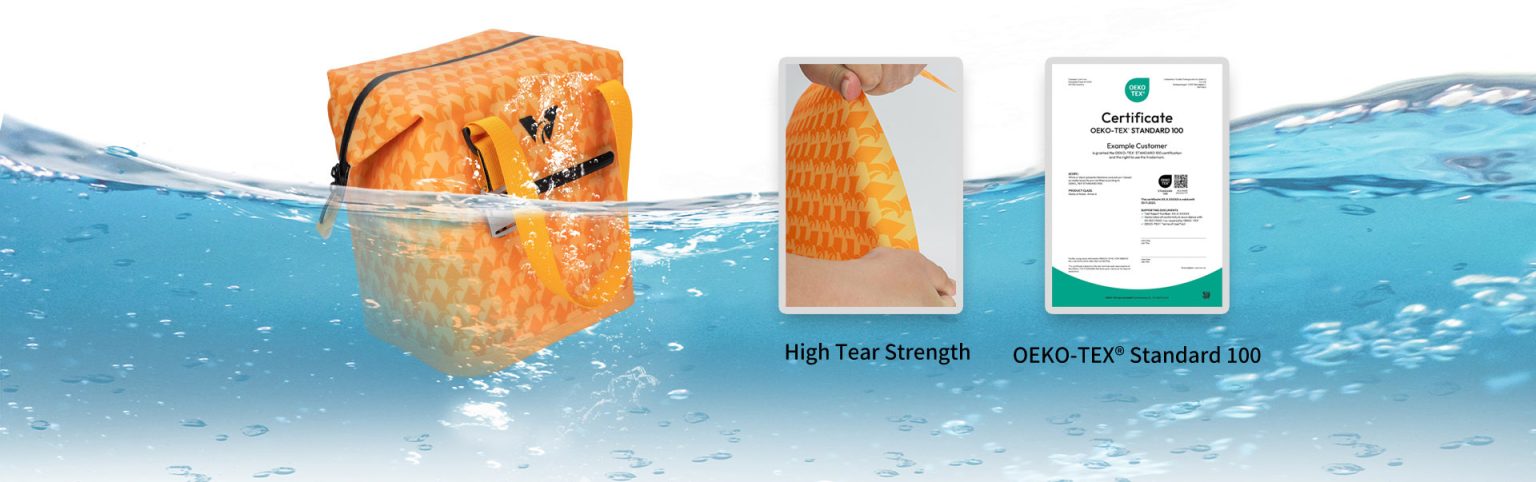
A top-tier salad thermal tote factory will offer high-frequency heat-sealing or ultrasonic welding. This creates a leak-proof cooler interior with no needle holes. This “seamless” technology ensures that any spills stay on the surface where they can be easily wiped away and sanitized.
Hygiene compliance is another non-negotiable factor. You must verify that the factory holds the necessary certifications:
- FDA and LFGB: These ensure that the materials in contact with food are safe and non-toxic.
- BPA-Free Materials: Essential for maintaining a healthy brand image and meeting modern safety standards.
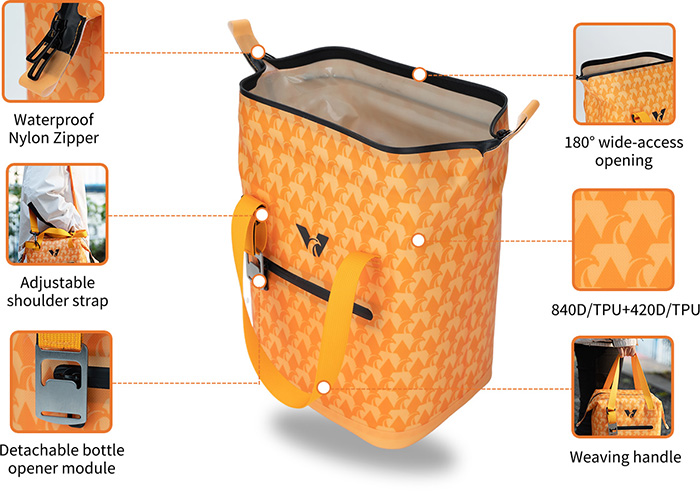
- Waterproof Zippers: Check if the factory uses airtight or water-resistant zippers. These prevent cold air from escaping and stop external moisture from entering.
If a factory cannot produce these certificates, they are likely not specialized in food-grade production. This could lead to legal issues or health department fines in regions like North America or the European Union.
3. Evaluate OEM/ODM Customization and Responsiveness
Generic bags rarely fit a brand’s unique needs. You might need a specific internal slot for gel ice packs or a rigid base plate to keep salad bowls from tipping over. A true salad thermal tote factory should offer robust OEM/ODM capabilities.
Trading companies often only offer color changes. A real factory, like weierken, can modify the physical structure and molds of the bag. This flexibility allows you to design a tote that fits your specific delivery crates or vehicle dimensions.
Customization should also include:
- Logo Durability: Ask about screen printing, heat transfer, or embroidery. For cold chain environments, you need a logo that won’t crack or peel when exposed to moisture and low temperatures.
- Low MOQ Options: For startup salad brands, a low MOQ (Minimum Order Quantity) of 300 to 500 pieces is vital. This allows you to test the market before committing to thousands of units.
- Sustainable Materials: More customers are demanding RPET materials (recycled plastic). Ask the factory if they can source certified recycled fabrics to help your brand meet its ESG goals.
The speed of their response during the prototyping phase is a good indicator of their long-term reliability. A factory that takes weeks to adjust a sample will likely struggle with mass production timelines.
4. Examine Load-Bearing and Stitching Strength Standards
Commercial delivery is rough. Drivers toss bags into cars, and couriers hang them from bike handles. A standard grocery store cooler bag will snap under this pressure. You need a bag designed for industrial-grade fatigue.
When auditing a salad thermal tote factory, ask for their dynamic load-bearing test reports. A commercial tote should handle at least 15kg to 20kg of weight without showing signs of stress. Look closely at the handle attachments. Are they simply sewn into the top seam? Or do they use “X-box” stitching and reinforced webbing that wraps around the entire body of the bag?
Key construction details to look for:
- Integrated Webbing: The straps should run all the way under the bottom of the bag to support the weight from below.
- Reinforced Hardware: If the bag uses shoulder straps, the “D-rings” or “eyelets” should be made of heavy-duty metal or high-impact plastic.
- Anti-Sagging Bottoms: A good factory uses PE plastic boards or EVA molded bases. Avoid paper-based inserts, as they soften and collapse the moment they get damp.
At weierken, we build our totes to withstand hundreds of delivery cycles. We know that a broken handle during a lunch rush is a disaster for your operations.
5. Audit Mass Production Consistency and QC Processes
The sample you receive in the mail is usually perfect. However, the 2,000 bags that arrive in your warehouse might be different. Managing mass production consistency is what separates a world-class salad thermal tote factory from a small workshop.
One of the biggest “hidden” problems in this industry is odor. Lower-quality factories use cheap glues or recycled plastics that emit a strong chemical smell. This odor can actually migrate into the food, ruining the taste of your salad. A professional factory should have a “de-gassing” or “venting” process where finished goods are aired out before final packaging.
Your quality control audit should cover:
- AQL 2.5/4.0 Standards: This is the industry benchmark for inspection. The factory should be willing to provide inspection reports for every batch.
- Third-Party Audits: A reliable supplier will welcome inspections from agencies like SGS, BV, or Intertek.
- Zipper Smoothness Tests: Every zipper should be tested for hundreds of cycles to ensure it doesn’t snag or break during a busy shift.
- Clear After-Sales Terms: If you find a batch with defective stitching, does the factory offer a refund, a credit, or a replacement? Clear terms show they stand behind their work.
FAQ: Questions to Ask Your Salad Thermal Tote Factory
Q1: Why is the choice of lining material so important for salads?
Salads often involve moisture and acidic dressings. A high-quality food grade lining like PEVA or TPU is resistant to these elements. It prevents liquids from reaching the foam insulation, which would otherwise become a breeding ground for bacteria.
Q2: Can we use RPET materials for the exterior while maintaining thermal performance?
Absolutely. We can manufacture the outer shell from RPET materials to support your sustainability goals. The thermal performance is determined by the internal foam and lining, so using recycled polyester on the outside does not compromise the cold chain.
Q3: What is the typical lead time for a custom OEM order?
For a salad thermal tote factory like weierken, prototyping usually takes 7 to 10 days. Once the sample is approved, mass production typically takes 30 to 45 days, depending on the complexity of the design and the order volume.
Q4: How do I know if the bag is truly a leak-proof cooler?
Ask the factory if they use “stitched” or “welded” seams for the interior. Only high-frequency or heat-welded seams are truly 100% leak-proof. Stitched seams will eventually leak water through the needle holes.
Q5: Can you accommodate a low MOQ for a new brand launch?
Many factories require 3,000 units, but we understand the needs of growing brands. We offer flexible low MOQ options starting at 500 pieces for certain designs, allowing you to scale your business at your own pace.
Partner with weierken for Your Salad Logistics
Finding the right salad thermal tote factory is about finding a balance between technical expertise and manufacturing scale. Your delivery bags are an extension of your kitchen. If they fail, your food fails.
At weierken, we combine years of experience with rigorous quality standards to deliver totes that perform in the toughest environments. Whether you need a high-volume wholesale partner or a custom OEM/ODM solution, we are here to help. We focus on the details—like the “X-box” stitching and the high-density insulation—so you can focus on making the best salads in the city.
Protect your freshness and your brand image. Contact weierken today to discuss your project requirements or request a custom quote. Our team is ready to engineer the perfect thermal solution for your business.


