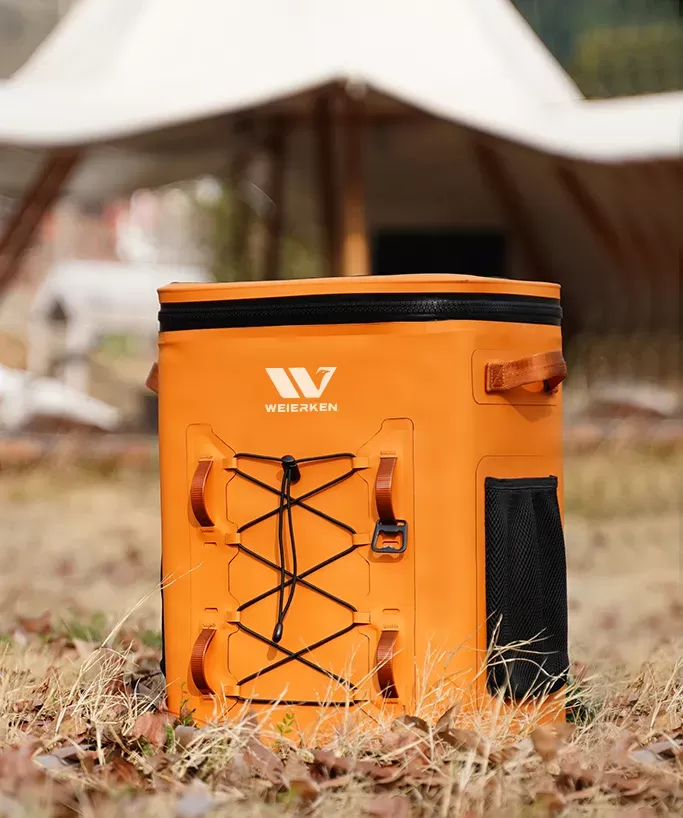

_162429.webp "5 Ways to Lower Sourcing Costs with a Reliable Melt Proof Thermal Bag Maker")
Procurement managers in the food delivery, pharmaceutical cold chain, and retail sectors face a constant challenge. They must balance initial purchasing costs with real-world product performance. Choosing the cheapest thermal bag often leads to unexpected failures during daily operations.
Standard delivery bags frequently fail when carrying extremely hot foods or when exposed to direct sunlight. The inner liners can melt, peel, or emit unpleasant chemical odors. Working with an experienced melt proof thermal bag maker like weierken helps companies avoid these pitfalls while lowering long-term operating costs.
This guide explains how selecting the right manufacturing partner allows you to optimize your supply chain, reduce product waste, and manage your procurement budget more effectively.
1. Reduce Product Damage and Customer Complaint Costs
Cheap thermal bags often use low-grade polyvinyl chloride (PVC) or thin polyethylene (PE) liners. These materials have low melting points. When hot containers straight from the kitchen touch these liners, the plastic can soften, stick, or tear. This ruins the bag and can contaminate food containers.
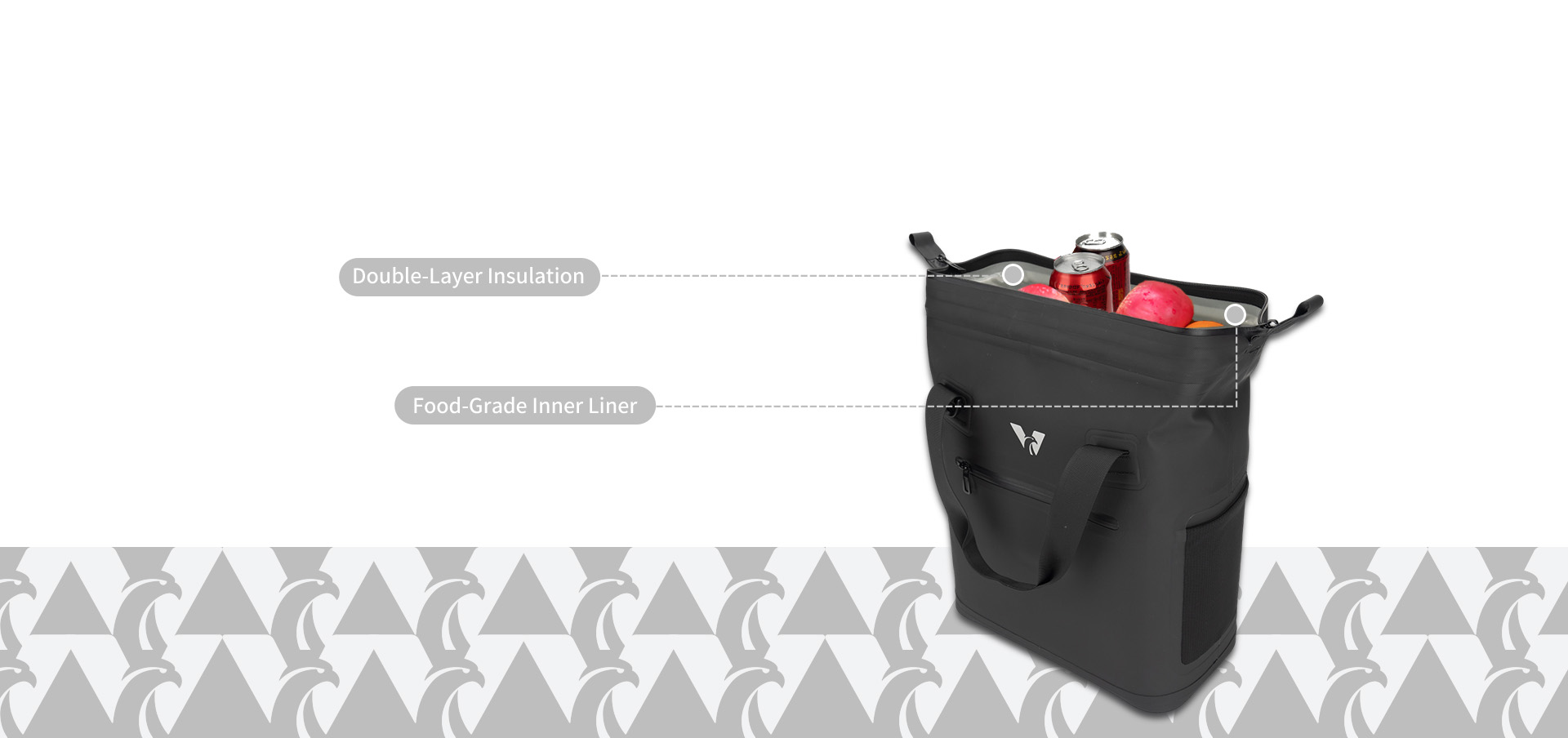
A professional melt proof thermal bag maker uses advanced, high-temperature resistant materials. These include food-grade thermoplastic polyurethane (TPU) coatings and high-density aluminum foil composite fabrics. These materials withstand temperatures ranging from 80°C to over 100°C without degrading.
Prevent liner melting: High-grade TPU keeps its structural integrity under high heat. This prevents the inner lining from sticking to hot aluminum or plastic take-out boxes.
Eliminate chemical odors: Cheap plastics release volatile organic compounds (VOCs) when heated. Food-grade, heat-resistant linings remain completely odorless at high temperatures.
Lower refund rates: Preventing damaged packaging directly reduces customer complaints, refunds, and redelivery costs.
By purchasing from a certified heat resistant thermal bag manufacturer like weierken, you protect your delivered goods. This helps maintain your brand reputation and reduces costly customer service issues.
2. Optimize Material Usage Through Factory-Direct Customization
Many buyers pay too much for over-designed bags because they buy off-the-shelf products that do not match their actual delivery conditions. A generic bag might have thick, heavy insulation designed for 4-hour transport when your average delivery route takes only 20 minutes.
A reliable melt proof thermal bag maker works closely with you to analyze your actual delivery cycles. This analysis helps determine the exact insulation thickness and thermal barrier performance your business needs.
Utilizing a experienced custom thermal bag OEM allows you to pay only for the materials your specific application requires:
Targeted insulation thickness: Choose from 2mm to 10mm of Expanded Polyethylene (EPE) or Cross-linked Polyethylene (XPE) foam based on your actual transit times.
Tailored exterior fabrics: Select durable 600D polyester, Oxford fabrics, or waterproof tarpaulin based on local weather conditions.
Optimized sizing: Custom-fit your bags to match your delivery containers. This eliminates empty air space, improves thermal performance, and reduces material costs.
Collaborating with weierken on custom designs helps eliminate unnecessary material costs while maintaining the heat resistance your deliveries require.
3. Extend Product Lifespan to Lower Repurchase Frequency
The purchase price of a thermal bag represents only a fraction of its true cost. If a cheap bag costs $10 but lasts only a month, your annual cost per bag is $120. If a high-quality, durable bag costs $25 but lasts for eight months, your annual cost drops to $37.50.
Working with an established durable cooler bag supplier helps you secure products built for heavy daily use. Professional manufacturers focus on critical stress points that direct-to-consumer brands often overlook.
A high-quality build includes several key durability features:
Reinforced stitching: Cross-stitching and heavy-duty nylon threads prevent handles and shoulder straps from tearing under heavy loads.
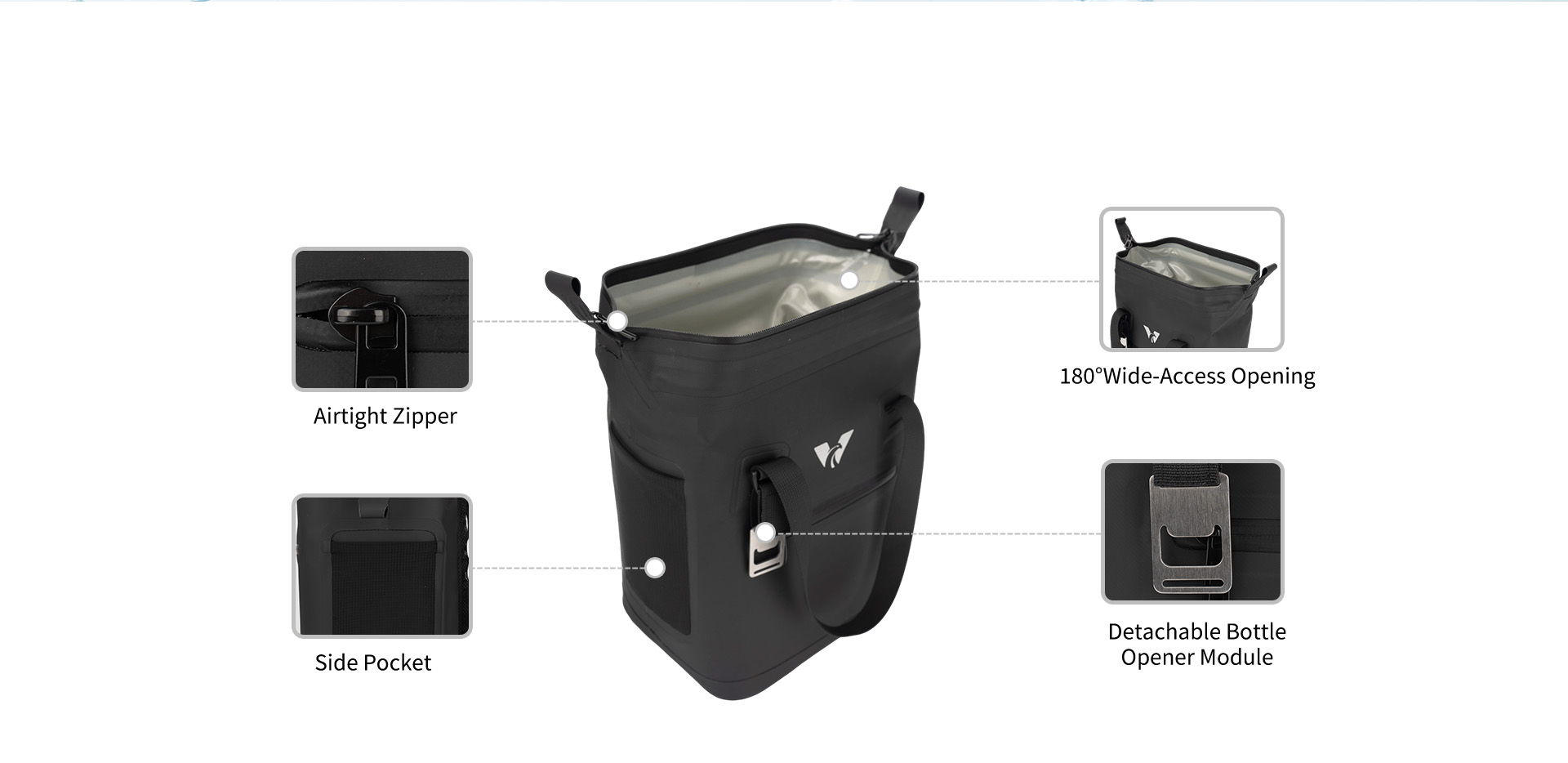
High-quality zippers: Premium water-resistant zippers or commercial-grade hook-and-loop fasteners stand up to thousands of openings and closings.
Abrasion-resistant bases: Molded plastic feet or reinforced rubber bottoms protect the bag from wear when placed on rough pavement.
Investing in durable products reduces your replenishment frequency. This frees up procurement capital for other areas of your business operations.
4. Lower MOQ Constraints and Inventory Carrying Costs
Storing bulky packaging and delivery supplies takes up valuable warehouse space. It also ties up working capital. Many traditional factories require massive Minimum Order Quantities (MOQs) that force buyers to store a year's worth of inventory.
An agile melt proof thermal bag maker understands modern inventory management. They offer more flexible purchasing programs to keep your supply chain lean.
Partnering with a flexible manufacturer provides several logistics advantages:
Flexible production runs: Access reasonable MOQs that align with your actual quarterly demand rather than forcing massive upfront commitments.
Scheduled delivery agreements: Establish blanket purchase orders with scheduled releases to keep your warehouse footprint small.
Faster production turnaround: Modern manufacturing facilities adapt quickly to seasonal demand spikes, reducing your need for safety stock.
By working with supportive manufacturers like weierken, you can keep lower inventory levels on hand. This reduces warehousing costs and improves your cash flow.
5. Optimize Packaging and Logistics Shipping Costs
Thermal bags are bulky. If shipped fully assembled, you end up paying to transport mostly empty air. This significantly increases international and domestic freight costs.
A smart melt proof thermal bag maker designs products with shipping efficiency in mind. They focus on flat-pack and collapsible structures that minimize shipping volume without compromising structural integrity or thermal performance.
Effective space-saving shipping methods include:
Collapsible structural design: Bags that fold flat easily allow more units to fit into each shipping carton.
Vacuum compression packing: Some soft-sided insulation materials can be vacuum-sealed for transport, cutting shipping volumes by up to 50%.
Optimized master carton sizing: Designing outer packaging to match standard shipping pallet dimensions eliminates wasted space in shipping containers.
When purchasing bulk insulated delivery bags, these freight-saving design features can lower your landed cost per unit by 15% to 30%.
Focus on Total Cost of Ownership
True procurement savings come from evaluating the Total Cost of Ownership (TCO), not just the initial unit price. A low-cost thermal bag that melts, tears, or requires frequent replacement quickly becomes an expensive operational burden.
Partnering with a reliable melt proof thermal bag maker like weierken helps you optimize material use, extend product lifespans, and streamline your logistics. This balanced approach protects your cargo and reduces your overall supply chain costs over time.
Are you ready to optimize your thermal packaging procurement? Contact weierken today to request a quote or discuss your custom specifications with our technical team.
Frequently Asked Questions
1. What materials make a thermal bag truly melt-proof?
Truly heat-resistant liners typically use high-grade Thermoplastic Polyurethane (TPU) or heavy-duty aluminum foil laminated with food-grade polymers. These materials can withstand temperatures up to 100°C without melting, cracking, or releasing harmful odors, unlike cheaper PVC alternatives.
2. How does custom sizing help lower my sourcing costs?
Custom sizing ensures the bag fits your specific delivery containers perfectly. This eliminates wasted interior space, which improves thermal efficiency. It also prevents you from paying for excess material and reduces the overall shipping volume of the bags during transport.
3. Can weierken provide custom branding on heat-resistant bags?
Yes, weierken offers extensive OEM and ODM services. We can print your company logo, use custom brand colors, and add specific functional elements like reflective strips, menu pockets, or custom cup holders while maintaining the bag's heat-resistant qualities.
4. What is the typical lifespan of a high-quality delivery bag?
While a cheap, non-reinforced bag might fail within 4 to 6 weeks of daily commercial use, a professionally engineered bag made with reinforced stitching, heavy-duty zippers, and premium materials easily lasts 6 to 12 months under normal operating conditions.
5. How do collapsible designs impact international shipping fees?
Because international freight is charged by volume (dimensional weight) as well as actual weight, shipping fully assembled bags is highly inefficient. Collapsible designs allow bags to fold flat, letting you fit significantly more units into a single container and reducing your per-unit shipping costs.