Diving gear is a significant investment. Scuba divers rely on their regulators, dive computers, and masks for safety and performance underwater. Naturally, the bags used to transport this equipment must offer more than just storage. They must survive extreme environments, from salty air and UV exposure to the physical strain of heavy lifting on a wet boat deck.
When you partner with a premium diving bag fabricator, you quickly realize that these specialized products carry a higher price tag than standard luggage. Understanding the cost structure helps B2B buyers, retailers, and brand owners justify their investment and choose the right manufacturing partner. At weierken, we focus on balancing technical performance with cost-efficiency to ensure your brand delivers value to the end-user.
Here are the six core cost factors that influence the quotation from a high-end diving bag fabricator.
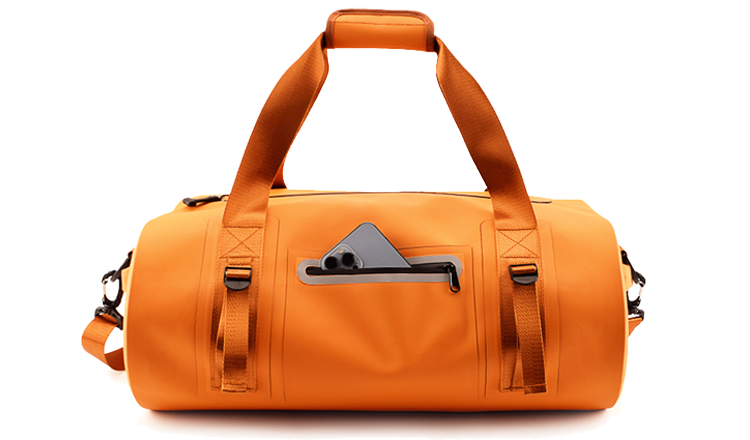
1. High-Performance Material Costs
In the world of custom diving bags, material selection is the most significant cost driver. Unlike a standard backpack made of polyester, a diving bag must be waterproof, abrasion-resistant, and chemically stable in saltwater.
Specialized Fabrics
Most premium manufacturers use Thermoplastic Polyurethane (TPU) coated nylon or heavy-duty PVC composite fabrics. TPU is particularly expensive because it offers superior hydrolysis resistance—meaning it won’t break down when constantly wet—and remains flexible in cold water. Some top-tier brands even request Cordura® or Dyneema® fabrics. These high-performance materials can cost three to five times more than standard textiles used in general bag manufacturing.
Marine-Grade Hardware
Saltwater is incredibly corrosive. A standard metal zipper or buckle will seize or rust within weeks of maritime use. A professional diving bag fabricator utilizes:
- Waterproof Zippers: Brands like YKK AquaGuard® or specialized airtight zippers feature a protective film and sealing structure. These are essential for dry bags but add significant cost.
- Corrosion-Resistant Metals: Stainless steel (316 grade) or titanium D-rings and buckles are necessary for durability. These components can cost double or triple the price of standard plated hardware.
- High-Tenacity Threads: We use bonded polyester or ePTFE (expanded polytetrafluoroethylene) sewing threads. These threads do not degrade when exposed to UV rays or moisture.
B2B Insight
Choosing cheaper materials might save money upfront, but the long-term cost of warranty claims and brand damage is much higher. A reliable diving bag fabricator helps you select the right balance of materials for your specific market segment.
2. Specialized Manufacturing Processes and Equipment
Producing a waterproof diving bag requires machinery that standard garment or bag factories simply do not possess. These technical processes increase the labor time and the capital expenditure of the diving bag fabricator.
High-Frequency (HF) Welding
For a bag to be truly waterproof, you cannot rely on traditional stitching alone. Stitching creates thousands of tiny holes in the fabric. A premium diving bag fabricator uses high-frequency welding to join fabric panels. This process uses electromagnetic energy to fuse the materials at a molecular level, creating a permanent, airtight seal. The machines are expensive, and they require highly skilled technicians to operate correctly.
Seam Taping and Heat Sealing
In designs where stitching is necessary for structural strength, the manufacturer must apply waterproof tape over the internal seams. This involves a heat-sealing machine that melts the tape onto the seam to plug the needle holes. This extra step adds both material costs and manual labor time to the production line.
Ultrasonic Cutting
To prevent the edges of synthetic waterproof fabrics from fraying, we often use ultrasonic cutting. This technology cuts and seals the edge of the fabric simultaneously using high-frequency vibrations. It ensures a clean, professional finish that won’t unravel during heavy use.
B2B Insight
At weierken, we invest in advanced welding and sealing technology to ensure every bag meets professional dive standards. These specialized processes are what separate a “water-resistant” bag from a professional-grade diving dry bag.
3. Structural Design and Engineering Development
The functional complexity of a diving bag requires more than just a simple pattern. It requires engineering. The research and development (R&D) phase is a critical part of the cost structure when working with an experienced diving bag fabricator.
Ergonomic Load Distribution
Diving equipment is heavy. A full set of gear, including weights and tanks, puts immense strain on the bag’s structure and the diver’s body. Engineers must design specialized harness systems, padded back panels, and reinforced carry handles to distribute this weight effectively.
Functional Partitioning
A well-designed bag needs dedicated compartments for different gear types:
- Padded Sections: For sensitive dive computers and regulators.
- Drainage Systems: Mesh panels or drainage eyelets to allow excess water to escape from wet fins and suits.
- Quick-Access Pockets: For masks and anti-fog solutions.
- Fin Pockets: Long, reinforced side pockets specifically shaped for various fin sizes.
Prototyping and Iteration
A professional diving bag fabricator doesn’t just make one sample. We create multiple iterations, testing them for fit and function. We might send these prototypes to professional divers for field testing in real-world conditions. This feedback loop ensures the final product is flawless but requires an initial investment in development time.
4. Testing and Certification Fees
Safety and reliability are non-negotiable in the diving industry. To prove that a bag can withstand the rigors of the ocean, it must undergo a series of rigorous tests.
Waterproof and Immersion Tests
If a bag is marketed as a “dry bag,” it should pass IPX7 or IPX8 testing. This involves submerging the bag in water for specific durations and depths to verify the integrity of the seals. A diving bag fabricator must have the internal facilities or budget for third-party labs to perform these tests.
Salt Spray and UV Aging
To ensure that hardware won’t rust and fabric won’t become brittle, we use salt spray chambers and UV aging testers. These machines simulate months of sea-side exposure in just a few days. Passing these tests is essential for any product sold to professional dive centers or coastal retailers.
Material Safety Compliance
For bags that store breathing apparatus like regulators, the materials must be non-toxic. This may require ISO 10993 testing or REACH/RoHS compliance. Obtaining official reports from agencies like SGS, BV, or TÜV is a significant but necessary expense to ensure market entry in regions like the EU and North America.
B2B Insight
Testing reports provide your marketing team with the “proof of quality” needed to sell at a premium price point. Working with a diving bag fabricator that prioritizes these standards protects you from legal liabilities.
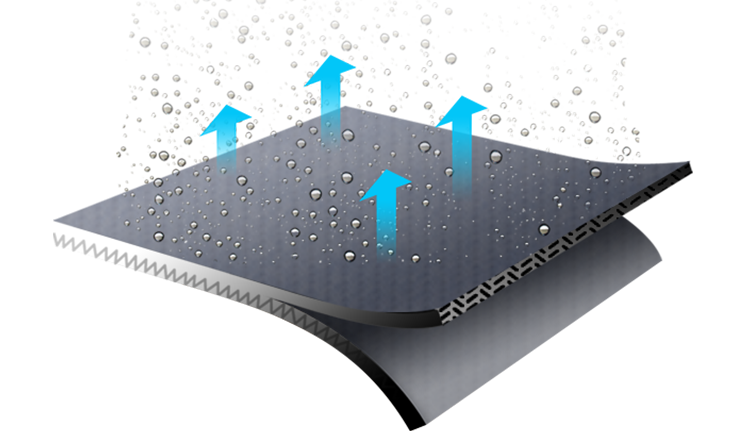
5. Level of Customization and Development Investment
The more unique your product, the higher the development cost. Most diving bag fabricators offer two main paths: OEM (Original Equipment Manufacturer) and ODM (Original Design Manufacturer).
OEM Customization
If you choose a manufacturer’s existing design and simply add your logo or change the color, the costs are relatively low. You only pay for branding plates, silk-screen printing frames, or embroidery digitizing.
ODM and Full Custom Development
If you want to create a completely new bag from scratch, the costs increase. This might include:
- Custom Molds: If your design includes unique rubber handles, 3D molded logos, or a custom-shaped hard bottom, you must pay for the steel molds.
- Technical Drawing Fees: Professional CAD (Computer-Aided Design) files are needed for precise manufacturing.
- Exclusive Sourcing: Sourcing a specific pantone-matched fabric or a unique buckle increases the procurement cost.
Intellectual Property (IP) Protection
Custom designs often involve agreements regarding who owns the patterns and molds. A reputable diving bag fabricator will respect these boundaries, but the exclusivity of the design usually comes with a commitment to higher Minimum Order Quantities (MOQs).
6. Supply Chain and Macro-Environmental Factors
Finally, external factors that the diving bag fabricator cannot control will still influence the final price. These macro-economic elements are often overlooked by buyers but are vital for long-term budget planning.
Raw Material Fluctuations
The price of TPU and PVC is closely tied to the global oil market. Because these are chemical-based polymers, any spike in energy prices reflects in the cost of the fabric. Manufacturers usually set a validity period for their quotes to account for this volatility.
Logistics and Tariffs
The cost of shipping raw materials to the factory and the final product to your warehouse adds up. Furthermore, international trade policies and import duties can change. A professional diving bag fabricator like weierken works to optimize packing volumes, fitting more bags into each container to lower your per-unit shipping cost.
Labor and Currency Exchange
Premium bags require more manual labor hours than simple totes. As labor costs rise in traditional manufacturing hubs, prices must adjust. Additionally, because most international trade is conducted in USD, fluctuations in exchange rates can affect the final invoice for buyers in different regions.
Investing in Quality with weierken
In the diving industry, a bag is more than a container; it is a piece of protective equipment. While the cost factors mentioned above—materials, specialized processes, engineering, testing, customization, and supply chain—increase the price, they also guarantee the product’s lifespan.
Partnering with a dedicated diving bag fabricator like weierken ensures that your products are built to last. We focus on transparent pricing and technical excellence, helping you navigate these cost factors to build a successful and profitable product line.
Frequently Asked Questions (FAQ)
Q1: Why is TPU preferred over PVC for diving bags?
TPU is more environmentally friendly, lighter, and more resistant to cold temperatures. Unlike PVC, it does not use plasticizers that can leak out over time, making it much more durable and flexible for long-term marine use.
Q2: What is the typical MOQ for a custom diving bag?
MoQs generally start at 500 to 1,000 pieces per style. This is because high-frequency welding machines require specific setups, and specialty fabrics often have high minimum purchase requirements from the textile mills.
Q3: Can a diving bag fabricator help with the design if I only have a sketch?
Yes. Professional fabricators like weierken have in-house R&D teams. We can take your conceptual sketches and turn them into technical CAD drawings and physical prototypes.
Q4: How do you ensure the zippers don’t fail in saltwater?
We exclusively use marine-grade zippers and often incorporate “zipper garages” or protective flaps to minimize salt crust buildup. We also recommend that users rinse their bags with fresh water, but the hardware itself is tested for salt-spray resistance.
Q5: How long does the prototyping process take?
Typically, a first sample takes 10 to 15 days. If specialized materials or custom molds are required, it may take 3 to 4 weeks to source everything needed for a functional prototype.
Q6: Does the bag come with a warranty?
As a diving bag fabricator, we provide a quality guarantee against manufacturing defects. The specific terms of the warranty are usually negotiated during the contract stage based on the intended use of the product.
Contact Us for a Technical Consultation
Are you planning to launch a new line of professional diving bags? Don’t leave your brand’s reputation to chance. Work with a diving bag fabricator that understands the technical demands of the underwater world.
Inquire with weierken today to discuss your project requirements and get a detailed cost breakdown.
[Submit an Inquiry]