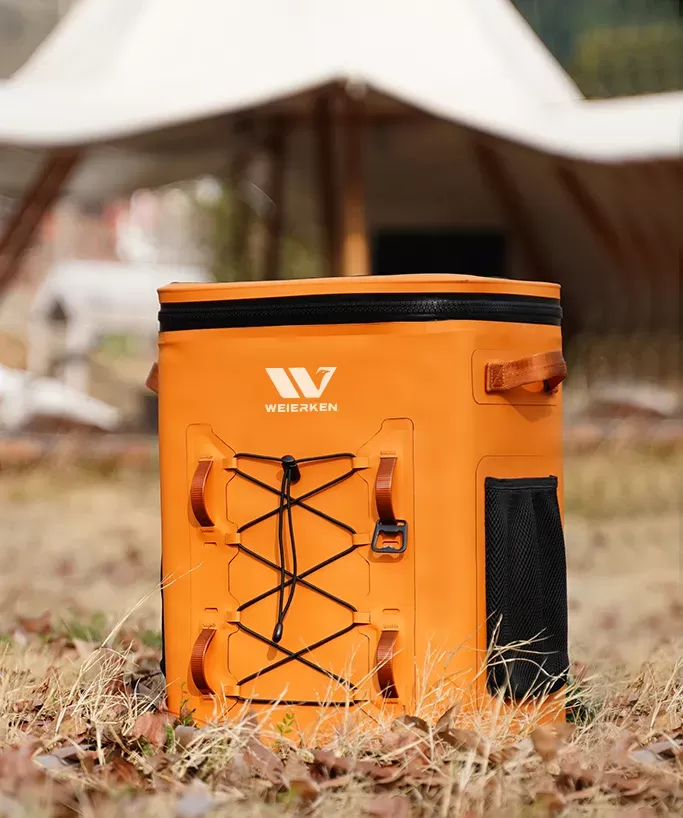

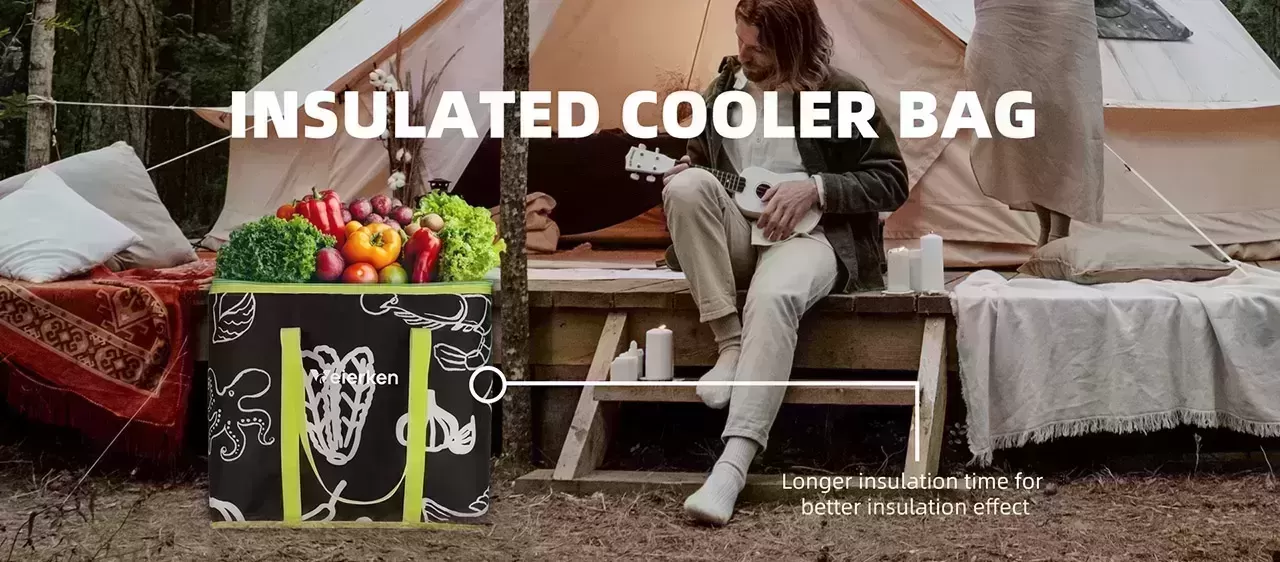
In the highly competitive logistics sector, fleet managers face continuous pressure to protect their profit margins. Every piece of equipment in the last-mile delivery cycle must perform reliably under daily wear and tear.
Delivery bags are no longer treated as simple carrying cases. Instead, they serve as critical assets that directly affect delivery times, temperature control, and rider safety.
As an experienced heavy duty delivery bag maker, Weierken closely monitors bulk order data and feedback from global fleets. In this article, we share six key equipment trends that are helping logistics companies improve their field operations.
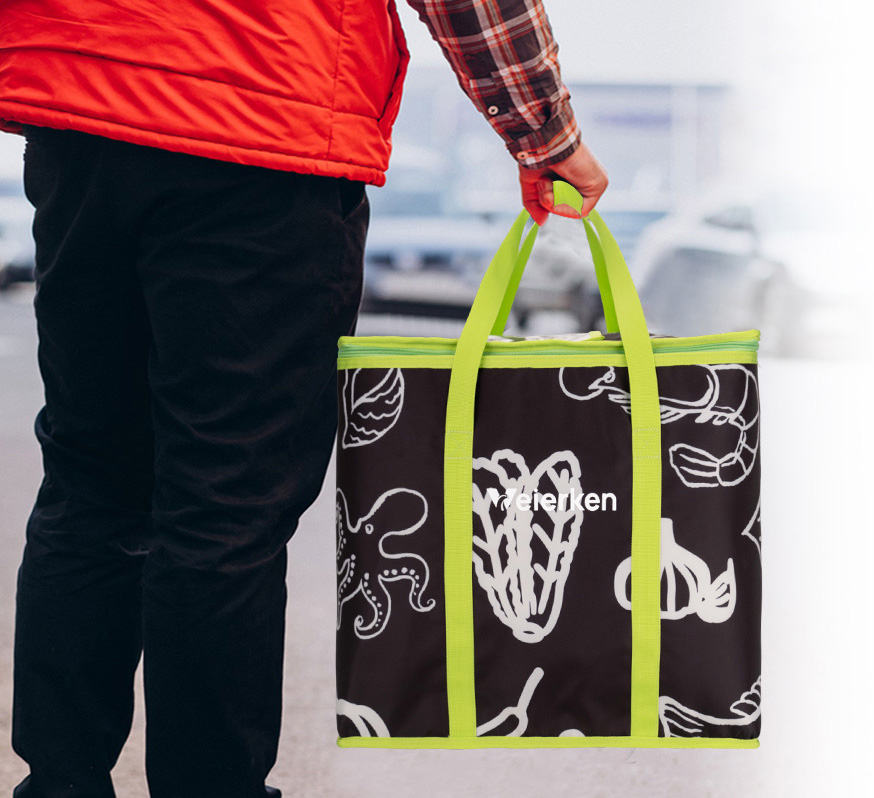
Trend 1: Shifting from Low Purchase Price to Total Cost of Ownership (TCO)
Fleet operators are moving away from cheap, disposable delivery gear. While low-cost bags seem budget-friendly initially, their frequent failures lead to unexpected expenses.
Damaged zippers, torn seams, and broken straps result in constant replacement costs. Worse, they can cause food spoilage or damaged goods, leading to expensive customer refunds.
To address this, modern procurement teams focus on minimizing the Total Cost of Ownership (TCO) by choosing high-durability materials.
High-Denier Fabrics: We construct bags using 1680D double-strand Oxford cloth or industrial-grade PVC waterproof tarpaulin to prevent punctures and tears.
Bar-Tack Stitching: We reinforce high-stress areas, such as shoulder straps and handle attachments, with tight, multi-angle stitching patterns.
Repairable Component Design: We offer replaceable hardware, such as removable straps and modular buckles, so teams can repair a bag instead of throwing it away.
By investing in products from a dedicated heavy duty delivery bag manufacturer, fleets can significantly extend the lifespan of their gear and lower their long-term equipment costs.
Trend 2: Smart Tracking and Integrated Asset Management
For large logistics operations, keeping track of physical equipment is a persistent challenge. Hundreds of delivery bags can easily go missing, get misplaced, or be taken home by riders.
To solve this issue, asset management is now built directly into the manufacturing process of commercial fleet delivery bags.
Instead of manually labeling bags after purchase, fleet managers ask manufacturers to integrate tracking hardware during production.
Embedded RFID/NFC Chips: We sew passive RFID or NFC tags directly into the seams of the bags, making them tamper-proof.
Industrial QR Codes: We heat-press high-contrast, abrasion-resistant QR codes onto the exterior fabric of the bags.
FMS Integration: These tracking elements sync with existing Fleet Management Systems to monitor bag check-outs, returns, and rider assignments.
This digital integration helps logistics operations maintain accurate inventory levels and reduces annual equipment loss.
Trend 3: Modular and Multi-Temperature Compartmentalization
Modern delivery networks must handle a wide variety of goods simultaneously. A single rider might carry hot food, cold beverages, and room-temperature groceries in one trip.
Standard insulated bags struggle to keep these items separate, which often leads to poor food quality on arrival.
To solve this, we design durable thermal bags for logistics with smart internal compartments that support different temperature zones.
Velcro-Attached Dividers: Movable, insulated panels allow riders to adjust the interior space based on their current delivery route.
Dual-Zone Thermal Barriers: High-density foam walls prevent heat from transferring between hot and cold items in the same bag.
Leak-Proof Lining: Sealed inner liners contain accidental spills, keeping other compartments dry and clean.
At Weierken, we help businesses customize these internal compartments to fit their exact delivery standards and menu sizes.
Trend 4: Vehicle-Specific Optimization
Delivery fleets use a wide range of transport options, including e-bikes, scooters, cargo motorcycles, and vans. A generic bag rarely fits these different vehicles safely.
A poorly secured delivery bag can shift during transit, distract the rider, and increase the risk of road accidents.
For this reason, fleet managers require customized mounting systems that match their specific vehicle types.
Quick-Release Hardware: We design fast-locking buckles and heavy-duty straps that secure the bag to standard vehicle racks in seconds.
Aerodynamic Engineering: We shape our larger bags to reduce wind resistance, helping riders save energy on electric vehicles.
Rigid Internal Frames: Lightweight metal or plastic supports help the bag maintain its shape and keep its center of gravity stable, even when carrying heavy loads.
Using customizable fleet delivery gear designed for specific vehicles helps speed up loading times and keeps riders safer on the road.
Trend 5: Eco-Friendly Materials and ESG Compliance
Many major logistics providers and food delivery platforms now have strict Environmental, Social, and Governance (ESG) targets to meet.
Procurement teams are actively looking for ways to reduce their environmental impact, which includes updating their delivery gear.
As a responsible heavy duty delivery bag maker, we have adapted our production lines to offer sustainable materials that do not sacrifice durability.
Recycled Polyester (RPET): We can weave the exterior shell of our bags from recycled plastic bottles, which helps reduce waste in landfills.
Non-Toxic PEVA Linings: We offer PEVA as a chlorine-free, eco-friendly alternative to traditional PVC liners.
GRS Certified Sourcing: We supply official Global Recycled Standard (GRS) documentation to help our clients verify their environmental claims.
These sustainable materials perform reliably in harsh weather conditions while helping brands meet their green corporate goals.
Trend 6: Rider Comfort and Ergonomics
High rider turnover is a significant challenge for last-mile delivery fleets. Providing comfortable, easy-to-use gear is a simple way to improve job satisfaction and rider retention.
Carrying heavy loads for hours can strain a rider's back and shoulders, leading to fatigue or injury.
As a specialized heavy duty courier backpack supplier, we focus on ergonomic designs that distribute weight evenly across the rider's body.
Ergonomic Support Systems: We feature thick, honeycomb mesh shoulder straps, adjustable chest buckles, and padded hip belts to reduce spinal pressure.
Breathable Back Panels: Molded foam channels allow air to flow between the pack and the rider's back, keeping them cool in hot weather.
High-Visibility Safety Tape: We place wide, retroreflective strips on multiple sides of our bags to keep riders visible in low-light conditions.
Investing in comfortable, highly visible gear helps fleets protect their workers and reduce the risk of on-the-job injuries.
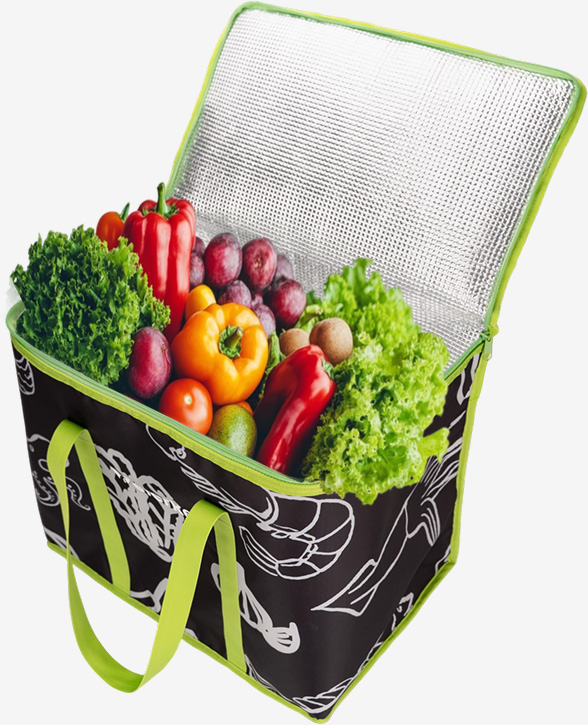
Choosing the Right Manufacturing Partner
As last-mile delivery needs continue to grow, basic off-the-shelf delivery bags are no longer enough to support efficient fleet operations.
From smart asset tracking and modular insulation to eco-friendly materials, the latest trends focus on durability, efficiency, and sustainability.
Working directly with an experienced heavy duty delivery bag manufacturer like Weierken allows you to customize your gear to match your exact business needs.
Our team is ready to help you design durable, high-performance bags that protect your products and your delivery margins.
Are you ready to upgrade your fleet's delivery gear? Contact our design team today to discuss your requirements, learn about our customization options, or request a detailed quote.
Frequently Asked Questions
1. What is the average lifespan of a professional heavy duty delivery bag?
A high-quality bag used daily by a professional fleet typically lasts between 12 and 18 months. The exact lifespan depends on the materials used, weather conditions, and how well the bags are maintained. Choosing heavy-duty fabrics like 1680D Oxford cloth helps maximize durability.
2. Can we add our custom branding and logos to the delivery bags?
Yes. We offer several customization options, including silk-screen printing, heat-transfer printing, and durable rubber patches. These methods ensure your brand logo remains visible and intact throughout daily delivery operations.
3. How do multi-temperature compartments prevent heat transfer?
We use thick, high-density closed-cell foam insulation combined with radiant heat barrier foil. When sealed with insulated dividers, these materials prevent hot and cold air from mixing inside the bag, keeping different items at their correct temperatures.
4. Do you offer waterproof options for rainy or snowy climates?
Yes. We manufacture weather-resistant bags using double-sided PVC tarpaulin and waterproof zippers. We also use heat-welded seams on select models to keep water from leaking through the stitching during heavy rain.
5. What is the typical minimum order quantity (MOQ) for custom fleet orders?
Our minimum order quantities vary depending on the level of customization and the materials required. Please contact our sales team with your design concepts, and we will provide a detailed quote and MOQ requirements for your project.