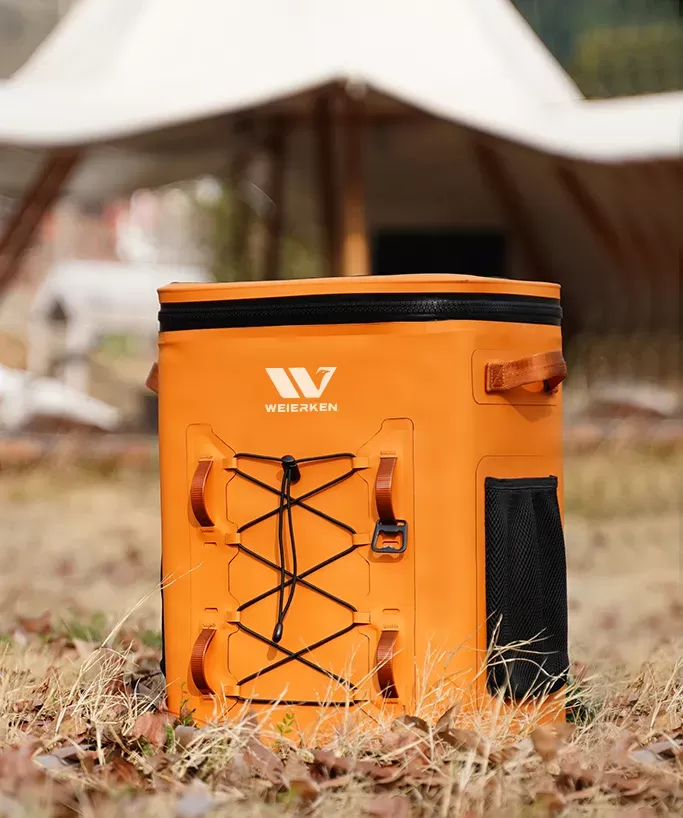

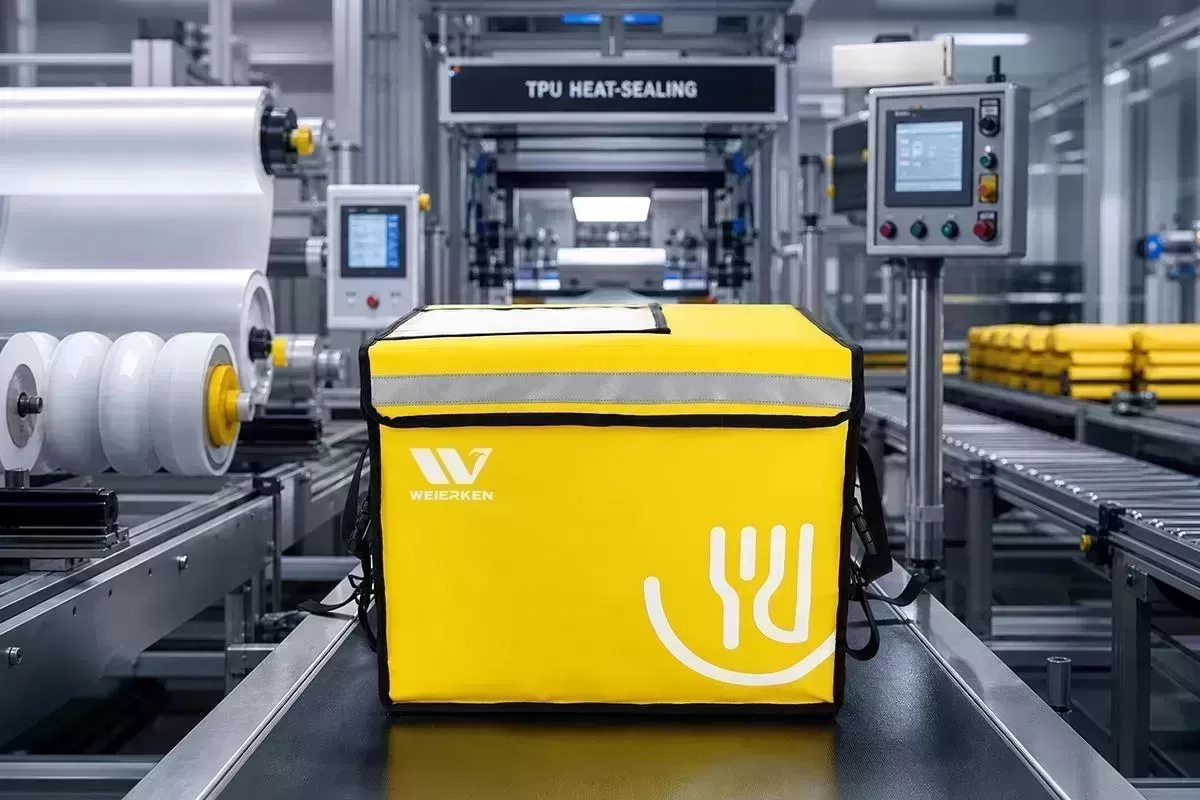
Last-mile distribution poses a major logistical challenge for ice cream brands and cold chain operators. Because dairy products are highly sensitive to temperature fluctuations, even a brief thermal spike can ruin their texture. This results in crystallization, loss of shape, and immediate customer dissatisfaction.
To prevent these issues, cold chain logistics managers must partner with a specialized ice cream delivery bag maker rather than a general-purpose bag manufacturer. A competent partner like Weierken approaches container fabrication from an engineering perspective, ensuring that the bag functions as a reliable mobile freezer.
For B2B buyers conducting a supplier evaluation, this guide outlines five rigorous technical standards to verify your partner's capabilities.
1. Thermal Resistance (R-Value) and Multi-Layer Insulation Design
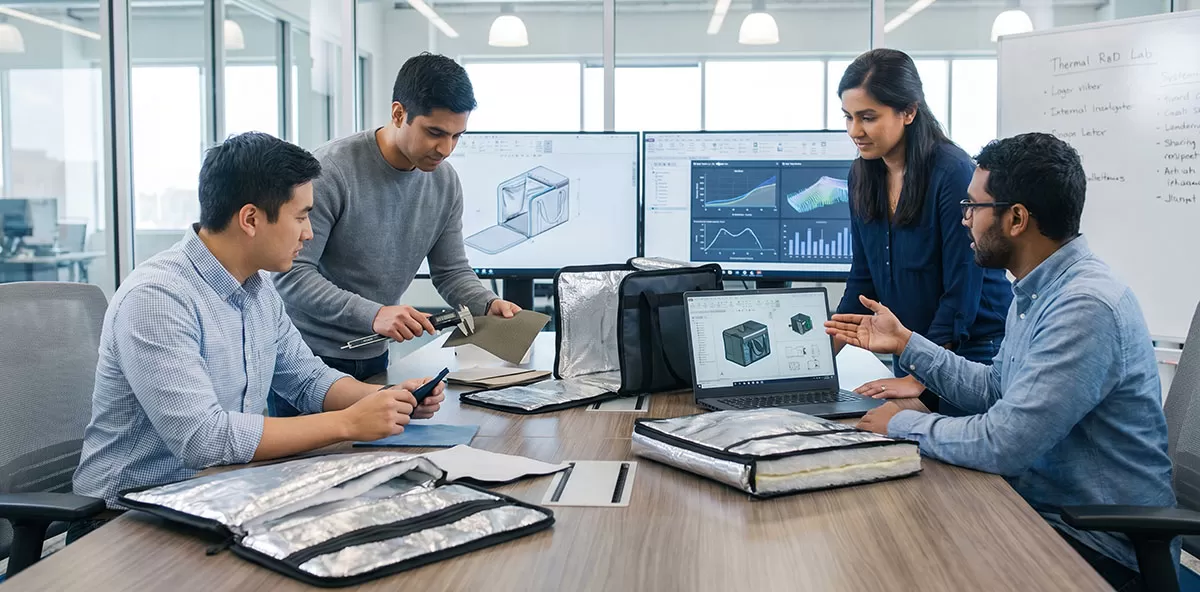
An experienced ice cream delivery bag maker does not talk in vague terms like "thick insulation." Instead, they provide specific material specifications, thermal conductivity ratings, and R-values to back up their performance claims.
Ice cream requires sustained sub-zero temperatures (ideally below -18°C). To achieve this, the bag structure must utilize a sophisticated multi-layer barrier design:
Inner Lining Materials
The interior material must reflect radiant heat away from the load. While standard cooler bags use thin plastic linings, a high-quality food-grade ice cream cooler bag factory uses thick, food-grade aluminum foil or high-reflection PEVA. These materials block heat transfer and can withstand direct contact with dry ice without cracking.
Insulation Core Thickness and Density
The middle layer is the primary barrier against heat transfer. For ice cream logistics, standard 2mm or 3mm foam is inadequate. Suppliers should use high-density, closed-cell Expanded Polyethylene (EPE) or Extruded Polystyrene (XPS) foam with a minimum thickness of 8mm to 10mm. This dense, closed-cell structure traps air pockets and slows down thermal conduction.
Thermal Bridge Prevention
Zippers and seams are major areas where heat can enter. A reliable manufacturer will design insulated interior flaps that seal behind the zipper to block cold air from escaping. Heat-sealed linings prevent melted ice or condensation from seeping into the insulation foam, which would otherwise destroy its thermal performance.
2. Regulatory Compliance and Food Safety Certifications
For commercial cold chain operations, compliance is a top priority. Raw materials that come into contact with food packaging must meet international safety standards to avoid regulatory issues or product liability claims.
When conducting an insulated bag factory audit, make sure your prospective ice cream delivery bag manufacturer can provide the following documentation:
Food Contact Safety: The inner liner and all internal components must have official compliance reports, such as FDA food-contact clearance or German LFGB testing. This ensures the bag will not leach harmful chemicals or emit strong odors that could taint dairy products.
Chemical and Environmental Regulations: For buyers in North America and Europe, materials must meet REACH and RoHS directives. These verify the absence of heavy metals, phthalates, and banned plasticizers.
Factory Management Systems: Check if the manufacturer's facility is ISO 9001 certified for quality management. Social compliance audits, such as BSCI or SMETA, also confirm ethical labor and safety practices in the factory.
Producers like Weierken maintain a complete library of test reports for their materials, giving buyers confidence that their shipments will clear customs smoothly.
3. Dedicated Customization for Ice Cream Logistics (OEM/ODM)
Standard food delivery bags are not designed for the heavy weight and extreme cold of ice cream transport. A qualified supplier must be able to produce custom insulated delivery bags for ice cream that match your specific operational workflows.
Chilled Medium Compartments
Ice cream requires active cooling elements like gel packs or dry ice. A direct-contact setup can cause freezer burn on the product packaging, while placing them too far away reduces cooling. Your manufacturer should design custom mesh pockets or adjustable interior dividers to hold these cooling elements securely in place.
Structural Rigidity and Stackability
During peak hours, delivery drivers often stack multiple bags in vehicles. Soft-sided bags can collapse under weight, crushing the ice cream containers inside. Look for a maker that reinforces the walls and base with rigid PP boards or lightweight fiberglass rods. This ensures the bag keeps its shape even when fully loaded.
4. Durability and Industrial-Grade Component Testing
Commercial delivery operations put a lot of wear and tear on equipment. Delivery bags are zipped, unzipped, lifted, and dropped hundreds of times a week. Cheap materials lead to broken zippers, torn handles, and ruined shipments.
To ensure a high return on investment for your thermal delivery bag wholesale purchase, evaluate the following structural details:
Heavy-Duty Outer Fabrics: The outer shell needs to resist punctures, tears, and water. Industrial-grade materials like 1680D Oxford polyester or heavy PVC tarpaulin are ideal for commercial use.
Stress-Point Reinforcement: Carrying handles and shoulder straps must be secured with Box-X stitching and reinforced backing plates to prevent tearing under heavy loads.
Industrial Zippers: Look for heavy-duty, water-resistant zippers, such as YKK or equivalent-grade brand-name closures, that are rated for thousands of open-close cycles.
Easy-Sanitation Linings: The inner liner should be smooth and easy to wipe down with commercial disinfectants. This helps maintain clean, hygienic conditions and prevents mold growth from spilled liquids.
5. Supply Chain Reliability and Production Capacity
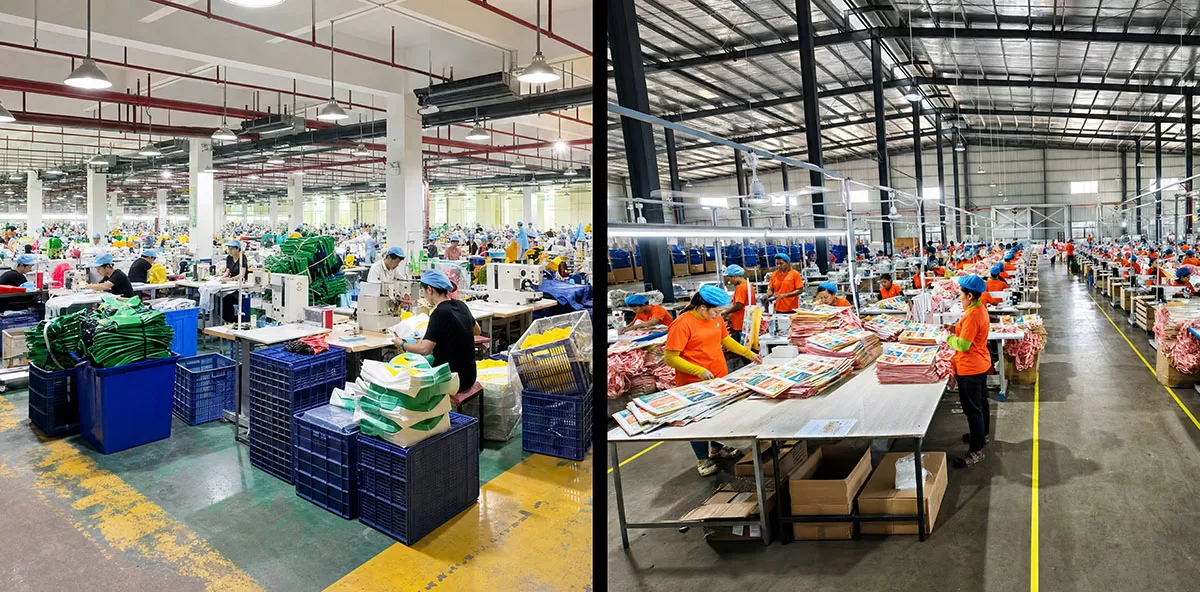
A great product design is only useful if the manufacturer can deliver consistent quality on schedule. Ice cream sales are highly seasonal, peaking sharply during the spring and summer. Your supplier must have the production capacity to keep up with these shifts.
Before signing a contract with an ice cream delivery bag maker, evaluate their supply chain capabilities:
Prototyping Speed
A professional supplier should be able to turn a design concept or sketch into a physical sample within 5 to 7 business days. This allows you to run thermal and real-world delivery tests before committing to a bulk run.
Production Capacity
Confirm the factory's monthly output capacity and check if they have dedicated assembly lines for complex commercial cold chain delivery bags. Ask how they handle sudden spikes in order volume during peak seasons.
Quality Control Protocols
A reliable supplier should perform strict incoming material inspections, in-line assembly checks, and final product testing. This includes seam strength tests and thermal retention checks before packaging.
By establishing these clear standards early on, brands like Weierken help B2B buyers avoid delivery delays and quality issues during peak sales periods.
Frequently Asked Questions
1. What thickness of insulation is recommended for ice cream delivery bags?
For ice cream and other frozen goods, we recommend a minimum insulation thickness of 8mm to 10mm. This is typically made of high-density, closed-cell EPE foam. Thinner materials (such as 2mm to 5mm) are suited for short-distance warm food transport but cannot maintain sub-zero temperatures long enough for frozen products.
2. Can dry ice be used safely inside these delivery bags?
Yes, but you must specify this to your ice cream delivery bag manufacturer during the design phase. Dry ice reaches temperatures of -78.5°C, which can cause standard PVC or low-grade PEVA linings to crack. For dry-ice setups, we use heavy-duty aluminum foil linings and custom mesh pockets to prevent direct contact with the bag's main structure.
3. What is the standard MOQ for ordering custom insulated delivery bags?
Minimum Order Quantities vary based on the level of customization and material specifications. Generally, standard custom runs start at 500 units per order. However, some factories can accommodate smaller initial runs for specialized enterprise accounts or pilot programs.
4. How do you verify if a factory uses food-safe materials?
A reputable food-grade ice cream cooler bag factory will provide certified test reports from third-party laboratories like SGS, TÜV, or Intertek. These documents confirm that the inner lining, insulation foam, and zippers comply with FDA, LFGB, or REACH food-contact standards.
5. What is the typical lifespan of a commercial delivery bag?
Under heavy daily use, a bag made from premium 1680D Oxford fabric with reinforced handles and industrial zippers should last between 12 and 18 months. Choosing cheaper materials often results in broken zippers or torn seams within 3 to 6 months, which increases replacement costs.
Ready to Secure Your Cold Chain Logistics?
Protecting your product quality requires reliable, professional delivery equipment. As an experienced ice cream delivery bag maker, Weierken specializes in designing and manufacturing high-performance thermal insulation products tailored to your business needs.
Our team is ready to assist you with material selection, custom structural design, and scaling your production. Contact us today to discuss your requirements, request a prototype, or receive a detailed quotation.