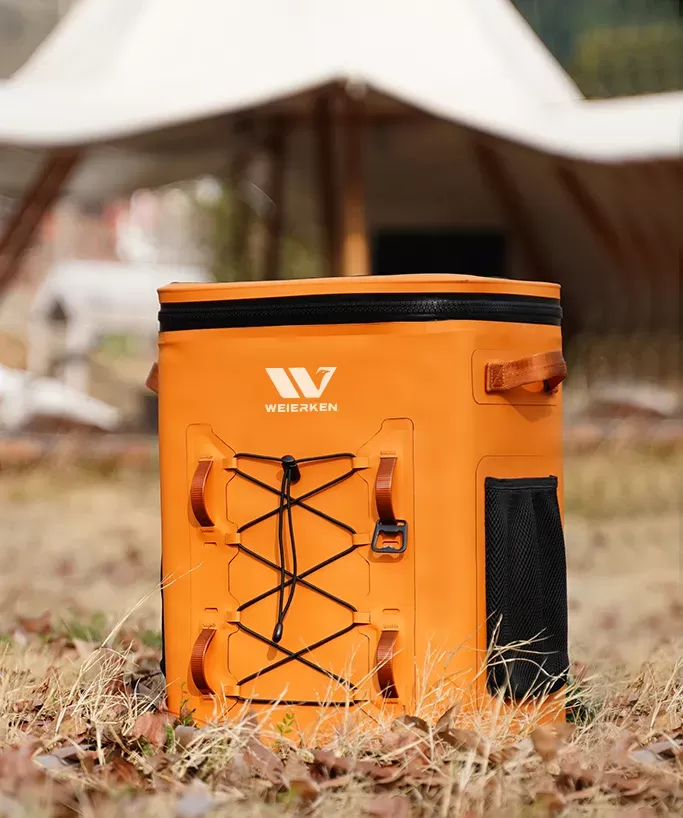

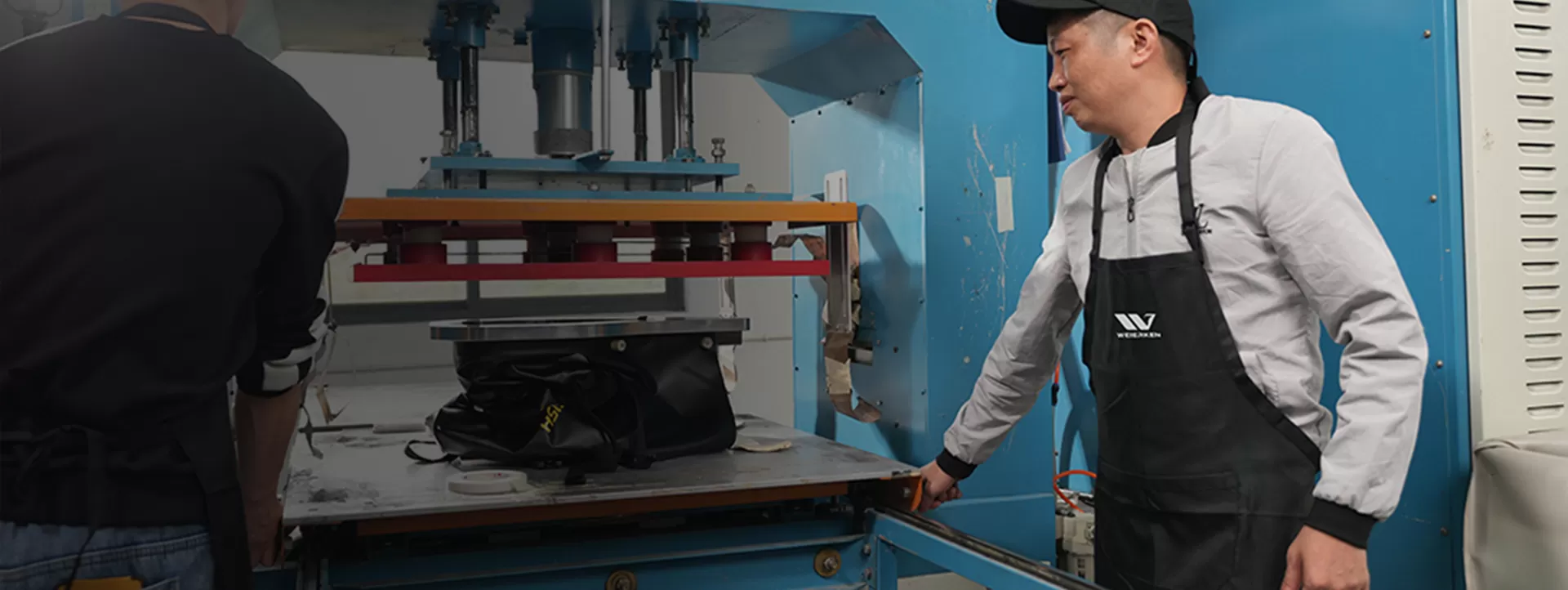
In the global luggage and backpack market, an ODM bag factory direct partner offers much more than a standard production line. These Original Design Manufacturers possess in-house design teams and extensive product libraries. By working with them, you access a wealth of pre-existing styles and creative input that a pure OEM factory simply cannot provide. This strategy allows brands to launch products faster while maintaining high quality.
However, "direct sourcing" from an ODM provider does not mean you can sit back and relax. Obtaining reliable OEM services from an ODM bag factory direct source requires a strategic approach. Experienced procurement professionals know that the line between a high-quality partner and a mediocre one is thin. Brands like weierken emphasize that successful partnerships depend on clear communication and technical verification.
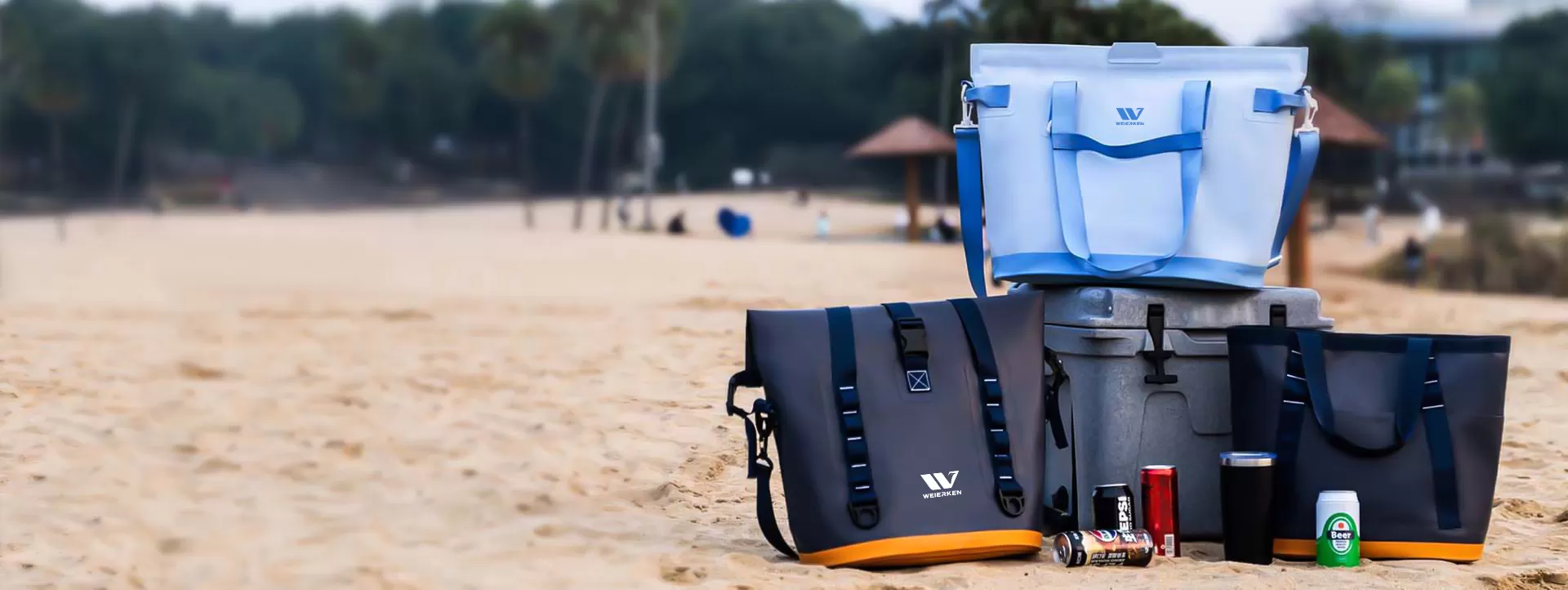
Why an ODM Bag Factory Direct is Better for Your OEM Services?
Choosing an ODM bag factory direct route provides a significant shortcut for your brand development. Traditional OEM requires you to provide every technical tech pack and blueprint from scratch. If you lack an internal design team, this becomes a major hurdle. An ODM partner fills this gap by offering ready-to-market designs that you can customize to fit your brand identity.
Direct ODM sourcing reduces prototype development costs. Since the factory has already engineered the base patterns, you spend less time on trial and error. You also benefit from their material sourcing expertise. They know which fabrics perform best for specific bag structures because they have already tested them in their own collections. This expertise ensures your custom bag production is grounded in practical manufacturing reality.
Furthermore, an ODM bag factory direct supplier like weierken offers better scalability. They understand market trends and can suggest features that increase the perceived value of your product. This collaborative environment turns a simple supplier relationship into a strategic design partnership, giving you an edge over competitors who only use basic bag manufacturers.
Tip 1: Distinguish "Real ODM" from "Copycat Factories"
Many suppliers claim to be ODM providers when they are actually just "copycat factories." They scour the market for best-selling items and replicate them without understanding the engineering behind the design. A true ODM bag factory direct partner must demonstrate original creative capabilities.
Look for these indicators of a legitimate ODM partner:
In-house Design Team: They should have dedicated designers and pattern makers. Ask to see original design certificates or appearance patents.
New Product Frequency: A real ODM factory releases new collections regularly. Ask, "How many new designs do you launch per quarter?" A standard answer should be 10 to 20 styles.
Adaptive Design Ability: They must be able to modify a design based on your brand’s specific aesthetic rather than just selling you what is on the shelf.
Ask the factory to provide three mass-produced styles they designed from scratch. Request to see the development records, from initial sketches to CAD patterns. This transparency proves they own the intellectual property and the technical know-how to support your wholesale bag manufacturing needs.
Tip 2: Embed Brand Elements Rather Than Simple Logo Placement
A reliable ODM bag factory direct supplier goes beyond "white labeling." If you simply slap a logo on a generic bag, you risk your product looking exactly like every other brand on the market. You need to integrate your brand DNA into the factory’s existing blueprints.
Work with the factory to adjust structural elements. For example, change a standard pocket flap to a shape that mirrors your logo. Request custom hardware with engraved branding or specify unique lining fabrics that feature your brand colors. These small changes create a high-end feel without the massive cost of a completely bespoke mold.
The factory should offer a "Brand Integration Plan." This plan outlines how to achieve differentiation through stitching colors, specialized zipper pulls, and functional layouts. This prevents your product from "clashing" with other clients using the same base model. It protects your brand’s unique market position while leveraging the factory’s proven designs.
Tip 3: Request a Two-Layer Menu: Selection vs. Customization
Professional ODM factories usually categorize their services into different tiers. When sourcing ODM bag factory direct, you should ask for a clear menu of options. This helps you manage your budget and production lead times effectively.
The two layers usually consist of:
Basic Level (Semi-Custom): You choose a style from their current product lookbook. You only change the color, material, and logo. This is fast and has a lower Minimum Order Quantity (MOQ).
Upgrade Level (Deep Customization): You use a base model but change the dimensions, internal compartments, or add specific features like a USB charging port or anti-theft pockets.
Request separate quotes for both levels. The factory should clearly list mold fees or development costs for the deeper customization. By seeing both prices, you can decide where to invest your capital for the best ROI. weierken often provides this tiered approach to help clients balance speed with exclusivity.
Tip 4: Validate Cooperation via Small Batch Trials
Big ODM factories often prioritize high-volume clients. As a B2B buyer, you need to ensure they will provide the same level of care to your project. Before committing to a massive order, initiate a small batch trial order of 200 to 500 units per style.
During this trial, evaluate several key performance indicators:
Sampling Responsiveness: Do they provide modified samples within the promised timeframe?
Communication Professionalism: Does their team point out flaws in your design? A good ODM bag factory direct partner will tell you if a seam is too narrow or if a corner cannot be sewn properly.
Quality Consistency: Does the bulk shipment match the approved golden sample exactly?
Think of this trial as a "test run" for a long-term relationship. It is better to discover a communication gap on a 300-piece order than on a 10,000-piece production run. If the factory handles the small order with precision, they are likely a reliable partner for your future bag supply chain needs.
Tip 5: Secure Intellectual Property and Confidentiality
The "flexibility" of an ODM factory can be a double-edged sword. Since they own the base design, they might be tempted to sell your customized version to another client. When dealing with an ODM bag factory direct, you must protect your customizations legally.
Include an "Exclusivity Clause" in your contract. While the factory owns the base patent, they must agree not to sell your specific combination of materials, colors, and functional modifications to any third party. Ensure you sign a Non-Disclosure Agreement (NDA) before the project begins.
Specify that all tech packs, CAD files, and paper patterns generated during your collaboration belong to you for the duration of the contract. This prevents your private label bags from showing up in a competitor’s catalog the following month. Protecting your IP is vital for maintaining a premium brand image.
Tip 6: Implement a Four-Stage Joint Review Process
ODM projects are more complex than standard OEM because they involve design interpretation. Misunderstandings often happen in the early stages. To avoid costly errors, set four critical review points with your ODM bag factory direct partner.
Follow this quality gate sequence:
Design Review: The factory provides 3D renderings or detailed sketches. You confirm the aesthetics and functional layout before any fabric is cut.
First Prototype Review: This is a physical sample. Focus on the ergonomics, dimensions, and carrying comfort. This is the stage for major structural changes.
Pre-Production Sample (PPS) Review: This sample uses the actual bulk materials, colors, and printing techniques. This is your final chance to catch errors before mass production.
First-Piece Inspection: Once the production line starts, have the factory send photos or videos of the first 10 finished units. This ensures the mass production quality matches the approved sample.
Write these stages into your purchase agreement. Define how many revisions are allowed at each step to avoid infinite loops and production delays. This structured approach, used by weierken, ensures that the final product aligns perfectly with your expectations.
Building a Sustainable ODM Partnership
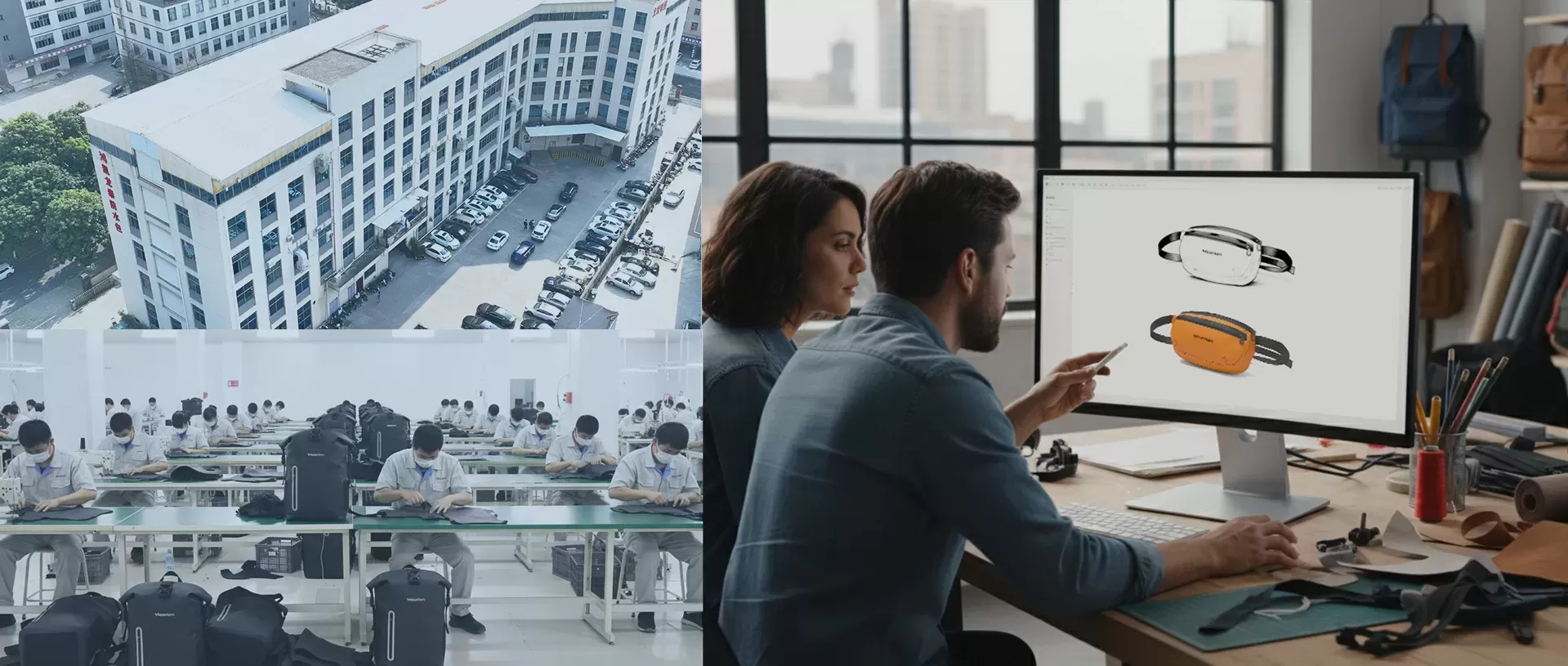
Sourcing from an ODM bag factory direct is a powerful way to grow your brand without the overhead of a massive design department. The success of this model relies on identifying real design capability, protecting your brand elements, and maintaining strict quality control protocols. By following these six tips, you minimize risk and maximize the creative output of your manufacturing partner.
Working with an expert like weierken ensures that your journey from a concept sketch to a finished bulk shipment is handled with professional care. Don't settle for a factory that just follows orders; find a partner that builds your brand alongside you.
Frequently Asked Questions (FAQ)
1. What is the main difference between OEM and ODM in the bag industry?
OEM (Original Equipment Manufacturer) means the factory builds exactly what you design. You provide the blueprints. ODM (Original Design Manufacturer) means the factory provides the designs, and you choose or customize them. Working with an ODM bag factory direct is faster for brands without their own designers.
2. How much should I expect to pay for a sample from an ODM factory?
Sample fees usually range from $50 to $200 depending on the complexity of the bag and the materials used. Most ODM bag factory direct suppliers will refund this fee once you place a bulk order that meets their MOQ requirements.
3. Can an ODM factory help with material selection?
Yes. One of the biggest advantages of an ODM bag factory direct is their material library. They can recommend fabrics like Cordura, Nylon, or recycled PET based on your target price point and durability needs.
4. How do I know if the factory's designs are original?
Ask for a design portfolio and look for consistent design language. You can also perform an image search on major B2B platforms. If the same design appears under ten different company names, it is likely a public mold rather than an original ODM design.
5. Is it possible to get an exclusive design from an ODM factory?
Yes, but it usually requires a higher MOQ or an "exclusivity fee." You can negotiate a contract where the factory agrees not to sell a specific design to anyone else in your geographic region for a set period.
6. What are the typical payment terms for ODM bag manufacturing?
Most factories require a 30% deposit to start mass production, with the remaining 70% balance paid after a successful pre-shipment inspection. Some established partners like weierken may offer more flexible terms for long-term strategic clients.
Are you looking to upgrade your product line with professional designs and reliable manufacturing? Our team at weierken specializes in providing top-tier ODM bag factory direct services. We combine creative design with rigorous production standards to help your brand succeed.
Contact us today to request a quote and learn how we can bring your next project to life.