

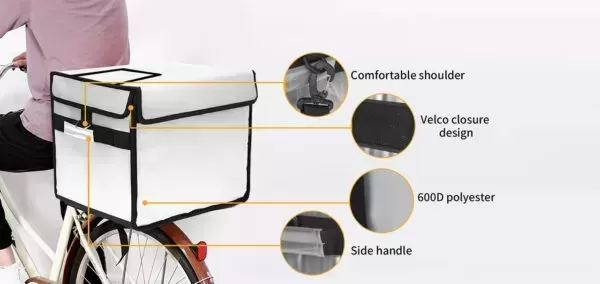
In local grocery delivery and fresh food logistics, your packaging represents your brand directly at the customer's doorstep. A thermal tote is not just a protective layer. It is a physical touchpoint that consumers see and feel during every delivery. Choosing an unreliable manufacturing partner can lead to broken zippers, temperature drops, and food safety issues.
For B2B buyers, securing a reliable supply of thermal packaging is key to protecting margins. Vetting a potential fresh food thermal tote maker requires a systematic approach. This ensures you find a partner that delivers high-quality materials, on-time shipments, and compliant manufacturing processes.
Working with a professional manufacturer like weierken simplifies your sourcing process. This step-by-step guide helps you evaluate prospective suppliers to secure your cold chain operations.
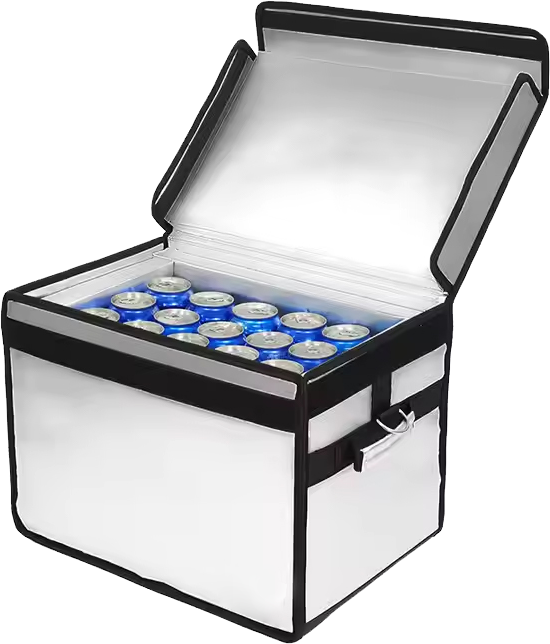
Step 1: Define Your Specific Cold Chain Requirements
Before contacting a fresh food thermal tote maker, you must define your operational needs. Different types of food require different temperature controls during transit. A bag designed for chilled dairy may not work for frozen seafood.
To help suppliers provide accurate recommendations, compile your core requirements before the first meeting:
Transit Duration: Determine if you need 1-hour local express delivery or 6-hour regional distribution.
Target Temperature Range: Specify whether you are shipping frozen goods (below -18°C), chilled items (0°C to 4°C), or ambient produce.
Load Weight Capacity: Estimate the average weight of your deliveries, such as 5kg meal kits or 15kg wholesale meat orders.
Daily Usage Frequency: Determine if your bags will be single-use or high-cycle reusable totes for closed-loop shipping.Clarifying these details helps you evaluate if a supplier has the technical ability to meet your requirements. It also helps you estimate your budget when sourcing cold chain tote bags bulk shipments.
Step 2: Evaluate Material Configurations and Insulation Efficiency
A high-quality thermal tote uses a specialized three-layer structure. Each layer has a specific function in preventing heat transfer. You should ask potential manufacturers for detailed technical specifications of each layer.
Understanding these material choices helps you choose the right balance between cost and thermal performance:
The Outer Layer: This fabric must resist moisture and tearing. Common options include non-woven polypropylene, durable Oxford fabrics, and laminated films.
The Insulation Core: The thickness and density of Expanded Polyethylene (EPE) foam determine how long the bag can hold its temperature. Common thicknesses range from 2mm for short trips to over 5mm for longer transit times.
The Inner Lining: This layer reflects heat and keeps cold air inside. Aluminum foil offers excellent heat reflection, while PEVA provides a smooth, waterproof surface that is easy to wipe down.
A qualified custom thermal bag manufacturer should provide temperature-retention test reports. These documents show how their material combinations perform in different weather conditions, helping you make an informed decision.
Step 3: Verify Food Safety and Environmental Compliance
Because delivery bags carry food, the raw materials must comply with local safety and environmental regulations. This is especially important if raw food might touch the inside of the bag. Using uncertified materials can lead to compliance issues and legal liabilities.
When vetting a fresh food thermal tote maker, ask to see their material certifications:
Food Contact Approvals: Verify that the inner liners and plastic components are certified by organizations like the FDA, LFGB, or REACH.
Non-Toxic Components: Ensure that all adhesives, dyes, and plasticizers are free from lead, heavy metals, and harmful chemicals.
Eco-Friendly Alternatives: If your brand prioritizes sustainability, ask if the supplier offers Recycled PET (rPET) fabrics or biodegradable insulation options.
Partnering with a certified fresh food packaging supplier helps ensure your deliveries meet local health and environmental standards. This compliance protects your brand and helps you build trust with eco-conscious consumers.
Step 4: Assess Customization and Prototyping Capabilities
B2B logistics often require customized designs to match specific branding and delivery models. This includes custom dimensions, unique color schemes, and specialized pockets for ice packs or shipping invoices. You should verify that your supplier can handle these design changes quickly and accurately.
Ask the manufacturer about their custom design processes and sample turnaround times. A capable partner should be able to create a prototype within 3 to 7 business days.
As an established fresh food thermal tote maker, weierken handles custom prototyping in-house. This allows us to speed up your design verification and ensure the final product matches your exact requirements.
Common Customization Features
Work with your manufacturer to incorporate features that improve delivery efficiency and brand visibility:
Reinforced Closures: Choose between industrial zippers, Velcro strips, or magnetic snaps based on how often the bags will be opened.
Interior Organizers: Add mesh pockets or dividers to keep gel ice packs separate from delicate fresh produce.
High-Visibility Printing: Use durable screen printing or rotogravure lamination to display your logo clearly on the exterior.
Comfortable Straps: Add padded shoulder straps or reinforced handles to make carrying heavy loads easier for delivery drivers.
Step 5: Audit Production Capacity and Lead Times
The fresh food and retail sectors experience significant seasonal demand spikes during holidays and promotions. Your packaging supplier must have the production capacity to keep up with these sudden increases in order volume.
To evaluate a manufacturer's supply chain reliability, ask about their facilities and production schedules:
Monthly Output Capacity: Determine the total number of thermal totes the factory can produce each month.
Factory Floor Space and Equipment: Ask about the size of their facility, the number of active production lines, and the level of automation they use.
Raw Material Storage: Verify if the factory keeps buffer stocks of common fabrics and insulation foam to prevent production delays during material shortages.
Standard Lead Times: Confirm the average turnaround times for both standard and peak-season orders.
Understanding these operational details helps you avoid delivery delays during your busiest sales periods. It ensures a steady supply of wholesale insulated tote bags when you need them most.
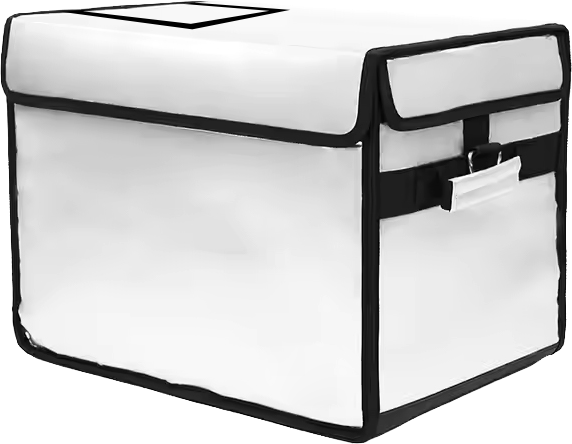
Step 6: Conduct Real-World Stress Tests with Sample Batches
Paper specifications and lab reports are helpful, but they cannot replace real-world testing. Before placing a large bulk order, you should test sample bags in your actual delivery environments.
Using a sample batch allows you to evaluate how the bags perform under the physical demands of daily shipping:
Thermal Performance Testing: Pack the sample bag with your typical food items and coolants. Leave the bag in a warm room for several hours and monitor the internal temperature over time.
Load Capacity Trials: Fill the tote to its maximum weight capacity. Lift, carry, and drop the bag repeatedly to check for weak points in the handles and seams.
Zipper and Closure Testing: Open and close the bag repeatedly to verify that the zippers and fasteners run smoothly and do not catch on the fabric.
Moisture and Leak Tests: Pour a small amount of liquid inside the bag to confirm that the heat-welded seams are completely leak-proof.
If the samples pass these practical tests, you can proceed with your bulk order with confidence, knowing the bags will perform reliably in the field.
Securing Your Cold Chain Operations
Choosing a reliable fresh food thermal tote maker requires looking beyond the initial quote. It is about finding a partner that offers consistent quality, verified food safety compliance, and the production capacity to support your business as it grows.
Following these six steps helps you find a supplier that protects your fresh food deliveries and supports your brand's reputation. weierken is committed to providing durable, custom thermal bags that keep your cold chain running efficiently.
If you are looking to upgrade your delivery packaging, our team is here to assist. Contact us to discuss your design requirements and get a professional recommendation.
Ready to find the right thermal packaging for your business? Inquire now to request custom samples and get a direct quote from our team.
Frequently Asked Questions (FAQ)
1. What materials are best for a durable fresh food thermal tote maker to use?
For durable, reusable bags, we recommend using a water-resistant Oxford fabric outer shell, a 3mm to 5mm EPE foam insulation core, and a smooth, wipeable PEVA inner lining. This combination offers excellent insulation and is easy to clean.
2. What is the typical MOQ for custom printed cold chain tote bags bulk orders?
Minimum order quantities vary depending on the bag's size, design, and materials. Sourcing standard sizes with simple logo prints usually requires lower MOQs than completely custom dimensions.
3. How do weierken's bags comply with food safety standards?
We source our raw materials from certified suppliers and use food-grade, non-toxic linings. Our finished bags undergo regular testing to ensure they meet international food contact standards, including FDA and REACH regulations.
4. How do we test the insulation capabilities of a sample tote bag?
We recommend filling the sample bag with your typical products and coolants, placing it in a temperature-controlled chamber set to your average summer heat, and using a data logger to record the internal temperature over a 4 to 12-hour period.
5. Can these thermal totes be washed and sanitized?
Yes. Totes built with PEVA or TPU linings can be wiped down quickly with standard sanitizing sprays. For heavy-duty use, we can design bags with removable inner liners that are easy to deep-clean or replace.