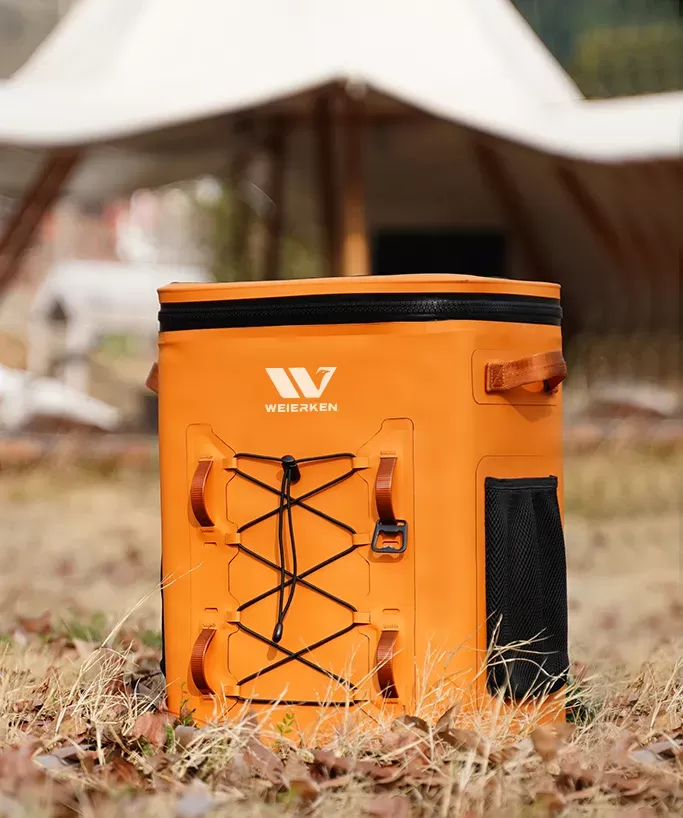

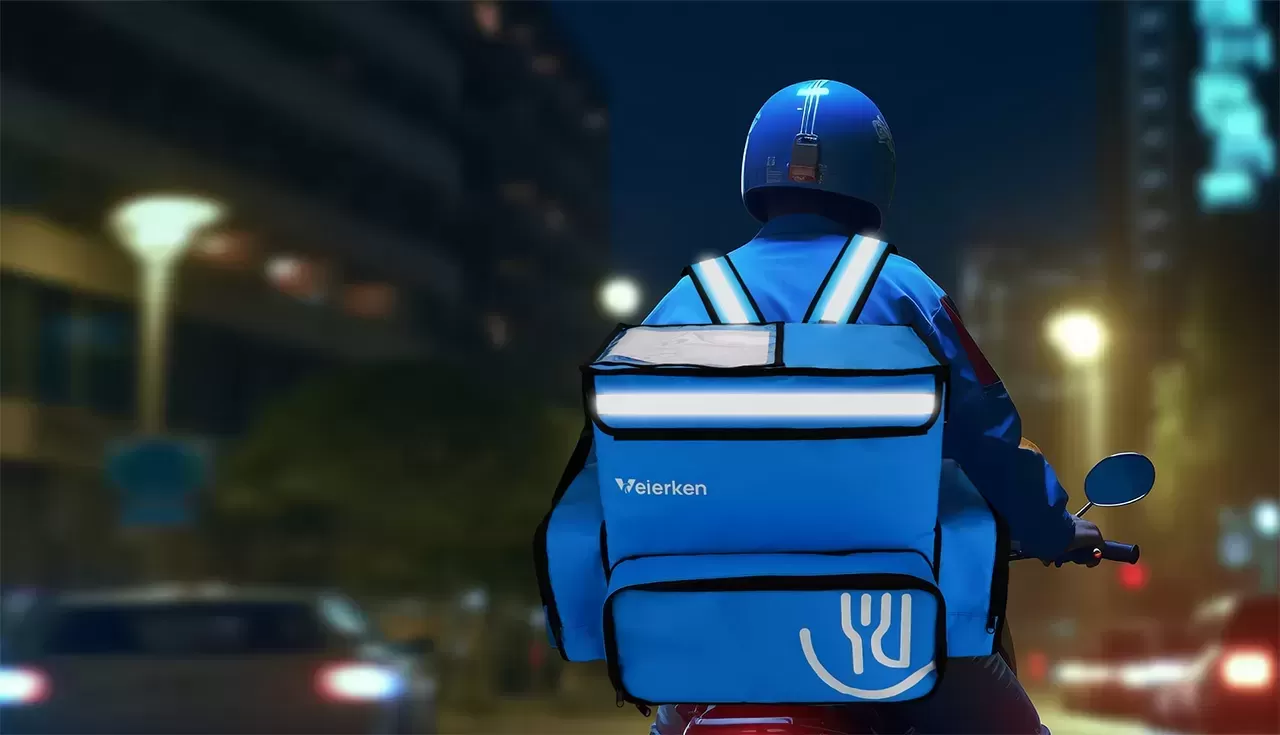
Delivering fresh meat is highly demanding. Unlike delivering standard hot meals or dry goods, raw meat requires continuous temperature control, strict hygiene, and highly durable packaging. If temperatures drop or juices leak, your business faces direct financial losses, customer complaints, and potential regulatory fines.
To secure your logistics, you must partner with a competent manufacturing partner. A specialized fresh meat delivery bag maker understands the unique needs of cold chain distribution. Choosing the wrong supplier can lead to ruined cargo and damaged brand reputation.
Before signing a supply contract, B2B procurement managers should evaluate potential partners thoroughly. At weierken, we believe that transparency and technical capability are the foundations of successful partnerships. Use these seven key questions to evaluate your next cold chain supplier.
1. What Is the Verified Temperature Retention Duration of Your Bags?
Fresh meat must remain within strict temperature limits during transit. Chilled meat typically requires temperatures between 0°C and 4°C, while frozen cuts must stay below -18°C. If your thermal bags cannot maintain these ranges, the meat will spoil quickly.
Ask the fresh meat delivery bag maker about the specific insulating materials they use. Standard bubble wrap is rarely enough for professional logistics. You should look for composite layers that block all forms of heat transfer:
Expanded Polyethylene (EPE) Foam: This lightweight material traps air, slowing down conductive heat transfer.
Polyurethane (PU) Insulation: Excellent for longer transport windows, PU offers high thermal resistance.
Vacuum Insulation Panels (VIPs): These high-end panels provide the highest thermal performance for extended multi-day shipping.
An experienced thermal meat delivery bag manufacturer should provide thermal performance charts. They must be able to customize insulation thickness based on your transit times, whether you need 2-hour local delivery or 12-hour regional shipping.
2. Are the Lining Materials Food-Grade Compliant?
During transit, raw meat or its packaging may come into direct contact with the inner lining of the delivery bag. If the lining contains toxic chemicals or heavy metals, it can contaminate the food, creating a serious safety hazard.
A reliable cold chain packaging supplier should verify that all contact materials are food-grade compliant. Ask to see official testing certificates:
FDA and EU Compliance: Verify that the inner materials meet international food contact standards.
SGS and RoHS Certifications: These tests confirm that the plastic films and foils do not contain harmful chemical residues.
Low-Temperature Flex Resistance: The lining polymer must remain flexible at freezing temperatures, ensuring it does not crack or flake over time.
When purchasing bulk insulated food bags, material safety is your first line of defense against food contamination. Ensure your supplier uses high-density PEVA or food-grade aluminum foil linings to protect your products.
3. What Leak-Proof Technology Do You Use to Prevent Meat Juice Spills?
Raw meat naturally releases liquids, commonly known as purge. Ice packs also melt and create moisture inside the delivery bag. If your thermal bags use traditional stitched seams, liquids will seep through the needle holes, contaminating delivery vehicles and causing unpleasant odors.
To avoid these issues, ask the manufacturer about their seam-sealing methods. Standard sewing is not suitable for the inner compartment of a meat delivery bag.
Advanced Heat-Sealing Methods
A professional fresh meat delivery bag maker uses specialized sealing techniques to ensure a leak-proof design:
High-Frequency Radio Welding: This process fuses polymer sheets using electromagnetic energy, creating a solid seam that is completely water-tight.
Hot-Air Heat Seaming: Fusing the material edges with controlled heat creates a seamless barrier that prevents liquid leaks.
One-Piece Inner Moldings: Some bags use a single, molded insert that eliminates seams altogether, removing any potential leak points.
Using a custom meat cooler bag factory that employs seamless welding ensures your delivery containers remain clean. This leak-proof design prevents cross-contamination and simplifies your cleanup process.
4. How Easy Are the Bags to Clean and Sanitize for Reuse?
B2B delivery operations reuse transport bags constantly. Spilled blood, grease, and condensation can foster bacterial growth if the bags are difficult to clean. This buildup of grime can damage your brand's reputation and lead to food safety issues.
A practical delivery bag design must prioritize sanitation. Look for materials and structural choices that make daily cleaning simple and quick.
For example, as a leading fresh meat delivery bag maker, weierken designs reusable bags with smooth, easy-to-wipe inner linings. We avoid unnecessary seams, folds, and deep pockets where dirt and moisture can accumulate.
Sanitation-Friendly Design Features
When reviewing product designs, look for these features that support regular cleaning:
Stain-Resistant Materials: Smooth PEVA or TPU liners can be wiped down quickly with standard sanitizing sprays.
Removable Inner Liners: Removable liners allow you to wash or replace the interior compartment without discarding the entire bag.
Anti-Microbial Coatings: Specialized coatings help prevent bacterial growth and reduce odors between deep-cleaning cycles.
5. How Is the Load-Bearing and Structural Durability Optimized for High-Frequency B2B Logistics?
Fresh meat cuts are dense and heavy. B2B delivery bags must withstand constant lifting, carrying, and stacking. Cheap handles, weak zippers, and flimsy bases will quickly wear out, leading to frequent replacement costs.
Ask the manufacturer how they reinforce high-stress areas. A durable bag must handle heavy daily use without structural failure.
Reinforcement Details to Check
Before placing a bulk order, inspect these structural points to ensure they can handle heavy loads:
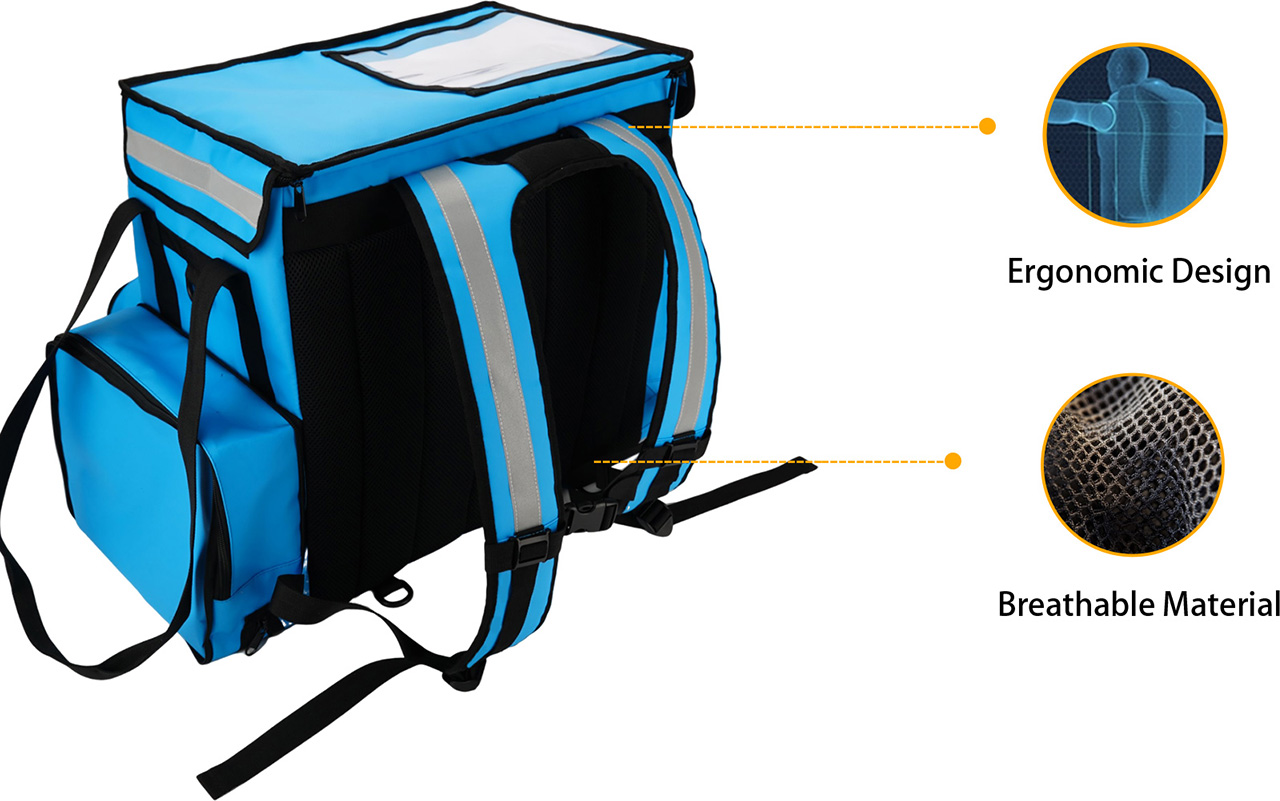
Bar-Tack Stitching: Look for heavy-duty box stitching and bar-tacking where the carrying straps attach to the bag body.
Industrial-Grade Zippers: Double-slider, water-resistant zippers with large teeth hold up much better to daily wear and tear.
Rigid Base Plates: Removable plastic or composite base boards help distribute weight evenly, preventing the bag from sagging.
Wear-Resistant Base Feet: Rubber pads or protective layers on the bottom of the bag protect the fabric when dragged across concrete floors.
Investing in durable products from an experienced thermal meat delivery bag manufacturer helps lower your replacement expenses. High-durability designs keep your delivery lines running smoothly without unexpected packaging failures.
6. What Customization Options Do You Offer, and What Is Your MOQ?
Different meat products require different packaging setups. For example, wholesale beef quarters require large, structured bags with heavy insulation, while local gourmet sausage deliveries need smaller, flexible pouches. You may also need custom pockets to keep ice packs separate from the meat.
Discuss the manufacturer's customization capabilities (OEM/ODM) to ensure they can meet your operational requirements:
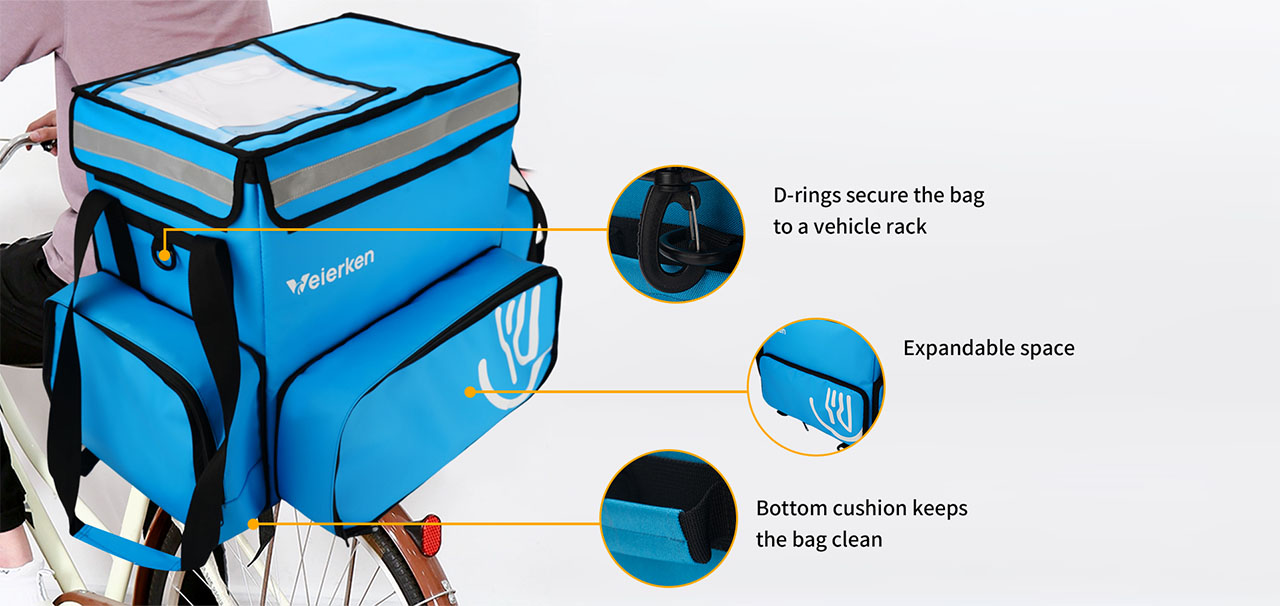
Custom Dimensions: Bags designed to fit your delivery vehicles' shelves or storage racks help optimize space.
Compartment Dividers: Internal dividers let you separate different items or hold coolant packs securely in place.
Branding and Logos: High-quality screen printing or heat-transfer printing helps display your company logo clearly.
Document Pockets: Clear plastic exterior windows are highly useful for holding delivery sheets and invoices.
Be sure to ask about the minimum order quantity (MOQ) for custom designs. A professional fresh meat delivery bag maker should provide clear MOQ tiers and prototype options to help you test the bags before committing to a large production run.
7. What Is Your Quality Control (QC) Process, and How Do You Handle Defectives?
When ordering packaging in large quantities, a small defect rate can lead to significant issues. Even a minor leak or a weak zipper can cause lost deliveries and customer disputes. You must understand your supplier's quality control standards before placing an order.
A reliable factory should monitor quality throughout the entire manufacturing process, rather than just inspecting the final products:
Incoming Material Inspections: Testing the insulation values and thickness of incoming raw materials before production begins.
In-Line Sewing and Welding Audits: Inspecting seams and joint strength at various points along the assembly line.
Finished Product Pressure Tests: Testing the water-tightness of sample bags to ensure the seams are completely leak-proof.
Clear Defective Policies: A reliable manufacturer should offer a clear warranty and replacement policy for any manufacturing defects.
Choosing a partner with a structured QC process gives you confidence that your bulk shipments will arrive as expected. This consistency is essential for maintaining a reliable cold chain.
Partnering for Reliable Cold Chain Logistics
Selecting a fresh meat delivery bag maker requires looking beyond the unit price. It is about finding a partner who can deliver reliable insulation, leak-proof designs, and long-term durability to protect your business.
Evaluating your suppliers using these seven questions helps you build a more secure cold chain. At weierken, we focus on technical design, food-safe materials, and rigorous testing to support your delivery operations.
We work closely with logistics managers, meat processors, and delivery brands to build dependable cold chain solutions. Contact our engineering team today to discuss your transport and delivery requirements.
Are you looking to upgrade your cold chain packaging? Inquire now to request custom samples and get a direct quote tailored to your business needs.
Frequently Asked Questions (FAQ)
1. Why should we choose a specialized fresh meat delivery bag maker instead of a generic bag supplier?
Specialized manufacturers understand the unique needs of raw meat transport, such as preventing fluid leaks, resisting bone punctures, and maintaining safe food temperatures. They use materials and welding techniques designed specifically for these conditions.
2. What materials provide the best cold chain protection for fresh raw meat?
The best setup uses a multi-layered design. This includes a reflective outer foil to block radiant heat, a thick inner core of EPE or PU foam to slow heat conduction, and a durable, food-grade PEVA or TPU inner lining.
3. How do you verify the leak-proof performance of your bulk insulated food bags?
We test our bags using high-pressure water-filling trials and pneumatic seal testing. These tests ensure that the heat-welded seams remain completely water-tight and airtight under load.
4. What is the typical sample delivery time for a customized order?
Creating a customized prototype typically takes between 5 and 7 business days, depending on the complexity of your design, dimensions, and material choices.
5. How does weierken ensure consistent thermal performance across large bulk shipments?
We use automated cutting, heat-welding, and assembly machinery to ensure that every bag is built to the same exact specifications. Our team also conducts regular batch testing to verify insulation values and seam strength.