


Sourcing specialized packaging for the seafood industry involves much more than picking a standard insulated bag. Seafood is a highly perishable commodity that requires strict temperature control, moisture management, and hygiene standards. Working with a professional seafood thermal tote factory ensures your product reaches the end consumer in peak condition.
Weierken has spent years refining the manufacturing process for high-performance cold chain solutions. When you decide to start an Original Equipment Manufacturer (OEM) project, you need a clear roadmap to navigate the technical requirements.
Below are the six critical steps to successfully partnering with a seafood thermal tote factory to build a product that protects your brand and your cargo.
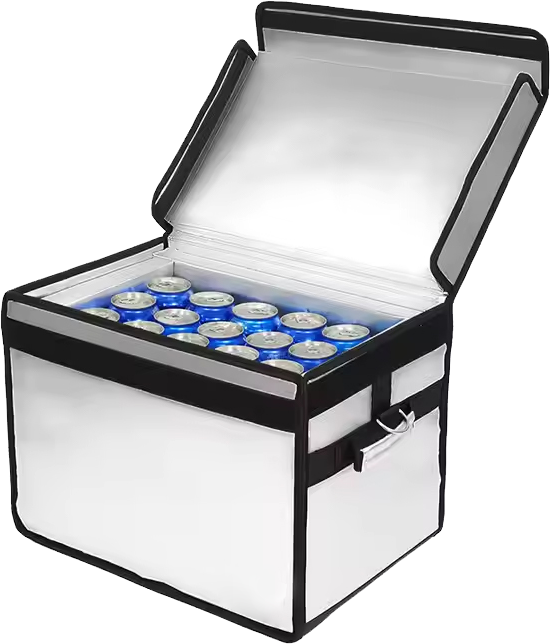
Step 1: Define Cold Chain Requirements and Thermal Performance Standards
The first conversation you have with a factory should center on the thermal window. Seafood logistics varies wildly depending on whether you are transporting live lobster, chilled salmon, or deep-frozen shrimp.
Understanding Temperature Zones
You must specify the target temperature range. Generally, seafood falls into three categories:
- Frozen (-20°C to -18°C): Requires high-density foam and radiant barriers to prevent thawing.
- Chilled (0°C to 4°C): Needs consistent insulation to manage the transition from the warehouse to the kitchen.
- Live/Fresh: Requires breathability and moisture management alongside temperature control.
Duration and Insulation Density
How long must the bag hold its temperature? A 4-hour “last mile” delivery bag requires different materials than a 24-hour cross-country shipping tote. A competent seafood thermal tote factory will offer various insulation thicknesses, typically ranging from 5mm to 20mm.
Weierken helps clients calculate the necessary foam density—whether using EPE (Expanded Polyethylene) or high-grade NBR (Nitrile Rubber)—to ensure the bag meets the specific hours of cold retention required for your logistics chain.
Step 2: Confirm Absolute Leakproof Construction
The biggest nightmare for any seafood distributor is “leaking blood water.” If ice melts and the resulting liquid seeps through the bag, it creates a foul-smelling mess in delivery vehicles and customer homes.
The High-Frequency Welding Solution
Traditional sewing creates thousands of tiny needle holes. For a truly professional product, you must work with a leakproof cooler bag manufacturer that utilizes high-frequency (HF) welding or ultrasonic heat sealing.
- Seamless Liners: HF welding fuses the internal lining panels (usually TPU or heavy-duty PEVA) into a single, liquid-tight unit.
- TPU vs. PEVA: While PEVA is cost-effective, TPU (Thermoplastic Polyurethane) offers superior puncture resistance and better performance in sub-zero temperatures.
Reinforced Closures
Even a waterproof liner fails if the zipper leaks. You should discuss adding waterproof zipper gaskets or specialized “storm flaps” that cover the zipper area. This prevents moisture from wicking out through the teeth of the zipper during movement.
Step 3: Source Certified Food-Grade Materials
Seafood often comes into direct contact with the interior of the bag. Therefore, material safety is not optional. A reputable seafood thermal tote factory must prove that every layer of the bag is safe for food contact.
Chemical Compliance
Your OEM contract should specify that the food grade thermal tote bag must be:
- BPA-Free: Ensuring no bisphenol-A migrates into the food.
- Phthalate-Free: Avoiding harmful plasticizers often found in cheap PVC.
- Lead and Cadmium Free: Crucial for international export markets.
Global Standards
Ask the factory for updated test reports from third-party labs like SGS, Intertek, or TUV. You should look for compliance with FDA (USA), LFGB (Germany), or GB 4806.7 (China) standards. At Weierken, we maintain a strict database of material certifications to give our partners peace of mind during customs inspections.
Step 4: Enhance Odor Resistance and Ease of Cleaning
Seafood carries a distinct scent that can quickly become permanent if the bag is not designed correctly. Bacteria thrive in the moist, protein-rich environment left behind by fish juices.
Antimicrobial Treatments
To solve this, request that the seafood thermal tote factory incorporate antimicrobial agents into the liner material. These additives inhibit the growth of mold and odor-causing bacteria.
Surface Engineering
The interior should be “wipe-clean” or “spray-clean.” A smooth, non-porous TPU lining allows for quick sanitation between uses. For the exterior, consider materials with a nano-coating that resists stains and salt-water corrosion. This is especially important for insulated fish bag wholesale buyers who sell to commercial fishermen or high-frequency delivery services.
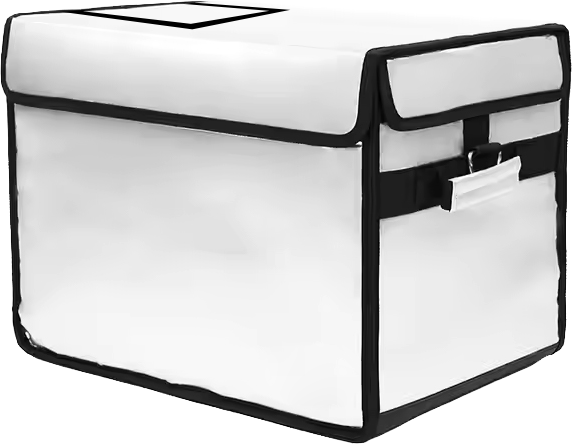
Step 5: Evaluate Mass Customization and Tooling Capabilities
Once the technical specs are set, you must assess the factory’s ability to scale. An OEM partnership is only as good as the factory’s production capacity and its ability to replicate your brand identity accurately.
Printing and Branding
A professional seafood thermal tote factory should offer multiple branding options:
- Silk Screen Printing: Best for simple, bold logos.
- Heat Transfer: Ideal for complex, multi-colored designs.
- Digital Printing: Perfect for high-resolution imagery.
Custom Molds and Structures
Sometimes a standard rectangular bag won’t work. If your seafood requires a hard-bottom tray to prevent crushing or a specific circular shape for live transport, you may need custom molds.
Discuss the Minimum Order Quantity (MOQ) and the cost of mold development early in the process. Ask about their internal design team—do they have the CAD capabilities to create a prototype based on your specific crate dimensions?
Step 6: Prototype Validation and Quality Control Loops
The final step before mass production is the “Golden Sample” validation. You should never skip a full-scale test of a physical prototype.
Physical Stress Tests
A quality seafood thermal tote factory will conduct several tests on the sample:
- Load-Bearing Test: Can the handles withstand 20kg of seafood and ice for a 12-hour period?
- Drop Test: If a delivery driver drops the bag from waist height, does the liner burst?
- Thermal Curve Test: Use a data logger to record the internal temperature over 24 hours in a controlled environment.
Final Inspection
Establish a clear Quality Control (QC) checklist. This should include zipper smoothness, stitching tension, and a visual check for any delamination in the thermal layers. Professional manufacturers like Weierken provide a full QC report before the shipment leaves the dock, ensuring that the insulated fish bag wholesale order you receive matches the prototype exactly.
Securing Your Supply Chain
Choosing the right seafood thermal tote factory is a strategic decision that affects your bottom line and customer satisfaction. By following these six steps—from defining cold chain limits to rigorous prototype testing—you mitigate the risks of spoilage, leakage, and regulatory fines.
Weierken understands the nuances of the seafood industry. We combine advanced HF welding technology with food-grade materials to create bags that perform in the harshest environments. Whether you are looking for a high-volume leakproof cooler bag manufacturer or a specialized partner for custom designs, we are here to help.
Frequently Asked Questions (FAQ)
1. What is the best material for a seafood bag liner?
For seafood, TPU (Thermoplastic Polyurethane) is generally superior to PEVA. TPU is more resistant to punctures from fish fins, stays flexible in deep-freeze temperatures, and is easier to weld for a 100% leakproof seal.
2. How do I ensure my bags are truly leakproof?
Ensure your seafood thermal tote factory uses high-frequency welding rather than traditional stitching for the interior liner. You should also request a “water fill test” on sample bags where the bag is filled with water and suspended for 24 hours to check for any moisture seepage.
3. Can I get a seafood thermal tote with my own logo for wholesale?
Yes. Most factories offering insulated fish bag wholesale services have in-house printing equipment. You will need to provide your artwork in an AI or PDF vector format.
4. What certifications should I ask the factory for?
At a minimum, ask for FDA or LFGB food-grade certificates for the lining. If you are selling in Europe, REACH compliance is also necessary to ensure no restricted chemicals are used in the plastic components.
5. How long will a seafood thermal tote keep fish frozen?
This depends on the thickness of the insulation (EPE/NBR foam) and the amount of ice or gel packs used. A standard 8mm foam bag usually keeps items frozen for 4-6 hours, while a premium 20mm bag can extend that to 12-24 hours.
6. Is there a way to prevent the “fishy smell” from lingering in the bag?
Yes. Look for a food grade thermal tote bag with an antimicrobial treated liner. Additionally, using a non-porous material like TPU allows you to bleach-clean the interior without damaging the fabric, which effectively removes odors.
Ready to Start Your Project?
Don’t settle for “good enough” when it comes to seafood safety. Partner with a manufacturer that understands the science of cold chain packaging.


