


Transporting fresh flowers requires specialized care and precision. Fragile petals, strict moisture needs, and high temperature sensitivity make floral logistics incredibly challenging. You simply cannot rely on standard shipping containers or generic bags. Finding a competent floral delivery bag fabricator is vital for florists, boutique shops, and large-scale delivery platforms. We know how frustrating it is to deal with wilted or crushed arrangements upon arrival.
A reliable manufacturing partner like weierken can help you solve these logistical headaches. Choosing the right supplier directly impacts your customer satisfaction and reduces replacement costs. Before you sign a bulk purchase agreement, you must vet your potential suppliers carefully. You need to verify their engineering capabilities, material choices, and quality control systems. Here are the 7 must-ask questions to guide your B2B procurement process.
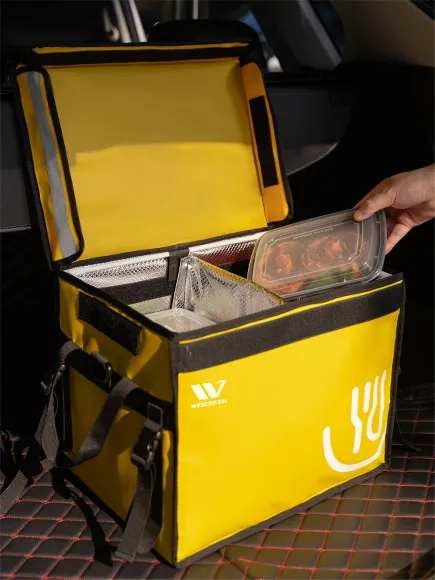
1. What Materials Do You Use? Are They Non-Toxic and Waterproof?
Why You Need to Ask This
Flowers often touch the interior walls of the bag during transit. Therefore, your floral delivery bag fabricator must use non-toxic, odorless materials. Cheap, toxic plastics can outgas harmful chemicals, which easily contaminate or damage sensitive petals.
Waterproofing is equally important for floral logistics. Excellent waterproof performance stops external moisture from ruining the outer paper packaging. It also prevents internal water from leaking out and destroying the paper bag itself.
Key Follow-Up Points
- Request a detailed material composition statement from your floral delivery bag fabricator.
- Ask for food-grade certifications (such as FDA or LFGB) to prove the inner lining is completely safe for direct contact.
- Check if they add specific anti-mildew or antibacterial agents to the fabric to prevent bacterial growth.
- Ask the manufacturer to provide the exact waterproof rating of the fabric, specifically the hydrostatic pressure test values.
2. How Do You Prevent Flower Crushing? Is There an Internal Support Structure?
Why You Need to Ask This
Flowers fear compression more than anything else during transport. Heavy flower heads and delicate wrapping papers get easily crushed during handling and sorting. The bag body must possess a certain level of stiffness to protect its contents.
A professional floral delivery bag fabricator will incorporate smart internal support structures. Without these supports, bags will collapse when stacked inside a delivery vehicle, ruining the bouquets entirely.
Key Follow-Up Points
- Look for hard bottom boards or reinforced side ribs designed to prevent collapsing.
- Ask your floral delivery bag fabricator to show you the design drawings or physical samples of the support structure.
- Check the strength of the support materials, such as the exact thickness of the PE boards used inside the lining.
- Inquire if these rigid support panels are removable for easier storage when the bags are empty.
- Ask if the design supports adjusting the internal space to fit different bouquet heights securely.
3. Do You Have a Hydration Design? How Do You Maintain Bouquet Moisture?
Why You Need to Ask This
Long-distance deliveries require bouquet roots to remain moist. A standard delivery tote will not suffice for this specific requirement. Specialized floral bags require built-in hydration management systems to keep the plants alive.
A skilled floral delivery bag fabricator often integrates hydration slots, waterproof pockets for water bags, or secure fixtures for wet floral foam. These specialized designs ensure the flowers stay hydrated without causing a mess.
Key Follow-Up Points
- Confirm with your floral delivery bag fabricator if there are dedicated securing points for water bags or water-retaining cotton.
- Test the waterproof inner lining thoroughly. You must ensure no water seeps out to soak other cargo in the delivery vehicle.
- Ask if they use seamless high-frequency welding for the bottom seams to guarantee 100% leak-proof performance.
4. How Does the Ventilation Work? Do You Balance Insulation and Breathability?
Why You Need to Ask This
Certain flowers, like roses and lilies, develop Botrytis blight (gray mold) if condensation builds up in a sealed environment. The moisture gets trapped, creating a breeding ground for diseases. Conversely, tropical flowers require warmth and protection from cold drafts.
Your floral delivery bag fabricator must strike a perfect balance between thermal insulation and breathability. Proper airflow management prevents extreme temperature shifts while controlling internal humidity.
Key Follow-Up Points
- Ask the floral delivery bag fabricator how they design breathable holes or mesh panels at appropriate locations to balance humidity.
- Inquire about the exact location, size, and adjustability of these ventilation holes.
- Check if they offer optional thermal insulation layers for buyers operating in colder climates.
- Ask if the factory has conducted condensation tests under varying ambient temperature conditions.
Mid-way through your vetting process, remember that advanced customization drives significant brand value. Working with a dedicated and experienced factory like weierken ensures your specific operational requirements translate accurately into the final physical product.

5. Can You Customize Sizes, Colors, and Logos? What is the MOQ?
Why You Need to Ask This
Bouquets come in vastly different sizes, ranging from single stems to massive, elaborate arrangements. Furthermore, retail brands want their delivery bags to act as highly visible mobile billboards.
The customization capability of your floral delivery bag fabricator directly impacts your user experience and brand exposure. A supplier who can perfectly match your brand aesthetics gives you a massive competitive advantage.
Key Follow-Up Points
- Ask the floral delivery bag fabricator about their maximum and minimum size limits for custom patterns.
- Discuss available printing options, such as heat transfer, silk-screen printing, or intricate embroidery.
- Verify their Pantone color matching capabilities to ensure absolute brand consistency across all batches.
- Always confirm the Minimum Order Quantity (MOQ) early in the negotiation to ensure it aligns with your procurement budget.
6. Are the Bags Reusable? How Durable Are They?
Why You Need to Ask This
From both an environmental and a cost-efficiency perspective, reusable delivery bags are far more popular today. Single-use plastics are becoming obsolete in modern logistics. You need to know exactly how the fabric holds up over time.
Evaluate the wear resistance and tear strength of the materials suggested by your floral delivery bag fabricator. High durability lowers your overall operational costs by reducing the need for frequent replacements.
Key Follow-Up Points
- Examine how the floral delivery bag fabricator reinforces the handles and seams for carrying heavy, water-logged arrangements.
- Request official abrasion resistance test reports, such as the Martindale test, to verify fabric longevity.
- Ask for load-bearing data to ensure the shoulder straps will not snap under pressure.
- Ask if the bag maintains its stiff, protective shape even after multiple folding and unfolding cycles by delivery riders.
7. How Do You Handle Quality Control? Can You Provide Flower Protection Test Cases?
Why You Need to Ask This
You must verify how the bag actually protects real flowers in transit. Theoretical designs mean nothing if the petals arrive bruised. Experienced manufacturers simulate real-world floral delivery scenarios during their quality control phases.
A trustworthy floral delivery bag fabricator conducts drop tests and vibration tests, carefully recording the flower damage rate. They should provide hard data, not just verbal promises.
Key Follow-Up Points
- Ask your floral delivery bag fabricator for detailed test reports or client case studies involving similar floral products.
- Inquire about their internal inspection processes, including Incoming Quality Control (IQC) and Final Quality Control (FQC).
- Ask if they support small-batch trial orders before you commit to a massive production run.
- Use these trial orders to validate the actual protection performance in your own local delivery network.
Sourcing the perfect transportation packaging involves much more than simply finding the lowest unit price. You must thoroughly evaluate materials, support structures, hydration features, and factory quality control. Ignoring any of these factors will lead to high damage rates and lost customers.
Partnering with an expert floral delivery bag fabricator like weierken ensures your flowers arrive fresh, beautiful, and completely undamaged every single time. We specialize in B2B manufacturing and deeply understand the unique, strict demands of cold-chain floral logistics. Our team is ready to help you design a bag that protects your products and promotes your brand.
Ready to upgrade your floral packaging and reduce your delivery damage rates? Send us an inquiry today to discuss your custom project requirements, request a physical sample, and get a highly competitive B2B quote!
Frequently Asked Questions (FAQ)
1. What is the standard Minimum Order Quantity (MOQ) for a custom floral delivery bag fabricator?
The MOQ typically depends on the complexity of the bag’s structure and the custom materials required. Most professional B2B fabricators set an MOQ between 300 to 500 pieces for fully customized floral bags. However, some manufacturers might offer lower MOQs if you select standard sizes and only require basic logo printing.
2. How do delivery drivers clean the reusable floral bags after a shift?
High-quality floral bags feature water-repellent and wipeable interior linings, such as food-grade TPU or PVC. Delivery riders can simply wipe the inside clean with a damp cloth and a mild, non-toxic detergent. You should explicitly ask your fabricator to avoid using porous materials inside the bag to prevent mold and bacteria buildup.
3. Can a floral delivery bag fabricator design bags that hold both hot and cold items?
While floral bags primarily focus on ambient or cool temperature control, a fabricator can certainly add thick EPE foam or EVA insulation layers. This insulation slows down temperature transfer, keeping flowers cool in the summer and preventing them from freezing in the winter. You just need to specify your required temperature range during the design phase.
4. How long does it usually take to receive a custom sample from the manufacturer?
A well-equipped fabricator typically needs 5 to 7 working days to create a standard prototype. If your design requires custom molds for specialized internal PE boards or unique ventilation hardware, the sample lead time may extend to 10 or 14 days. Always factor this prototyping time into your procurement schedule.
5. What is the main difference between a standard food delivery bag and a floral delivery bag?
Food delivery bags prioritize heavy thermal insulation and horizontal stacking for flat food containers. In contrast, a floral delivery bag prioritizes vertical height, rigid anti-crush support structures, and advanced ventilation to manage humidity. Floral bags also require specialized internal straps or slots to keep water sources upright during transit.


