Picture this: The peak summer season is approaching, your inventory is stocked, and your marketing campaigns are live. However, within two weeks of sales, the complaints start trickling in. Straps are snapping, “waterproof” seals are leaking, and your reputation as a reliable outdoor gear retailer is taking a hit. This nightmare scenario is rarely a result of poor marketing; it is almost always a result of a weak link in the supply chain.
In the niche world of paddle sports, the difference between a high-performance dry bag and a glorified plastic sack is vast. For B2B buyers, distributors, and retail chain managers, the search for a reliable kayaking bag distributor is a strategic move that dictates long-term profitability. Brands like weierken have set a high bar in the industry by focusing on technical durability, and as a buyer, you need to know how to separate the innovators from the imitators.
Choosing a partner is not just about browsing a catalog. It requires a forensic approach to their manufacturing standards, logistical capabilities, and commercial integrity. This guide provides a comprehensive framework to ensure your next partnership is built on solid ground.
Step 1: Define Your Business Needs and Market Positioning
Before you even begin searching for a kayaking bag distributor, you must look inward. Every retail business has a unique “DNA,” and your distributor must be a natural extension of that. Are you catering to the weekend hobbyist who needs an affordable 10L dry bag for a flat-water lake trip, or are you supplying professional expedition guides who require heavy-duty, submersible gear?
Product positioning is your first filter. If your brand is synonymous with “professional grade,” partnering with a distributor that focuses on high-volume, low-cost entry-level items will lead to a brand disconnect. You need to evaluate the complexity of the designs you require—features like internal mesh dividers, ergonomic harness systems, and specialized D-ring placements for kayak deck mounting.
Next, consider your target audience’s pain points. In the kayaking world, the biggest fears are gear damage from water ingress and UV degradation. If your customers are professional athletes, they will demand lightweight materials that don’t sacrifice puncture resistance. Understanding these nuances allows you to ask the right questions when you first contact a potential distributor.
Finally, establish your operational parameters. What is your required Minimum Order Quantity (MOQ)? Do you need Private Label (OEM) services where your own logo is featured, or are you looking to distribute an established brand? Having these answers ready will save weeks of back-and-forth negotiations.
Step 2: Assessing Technical Specifications and Professionalism
The “waterproof” label is one of the most misused terms in the outdoor industry. A professional kayaking bag distributor should be able to speak the language of technical engineering rather than just sales fluff. When evaluating products, you need to dive deep into the specifications.
Core Performance Metrics
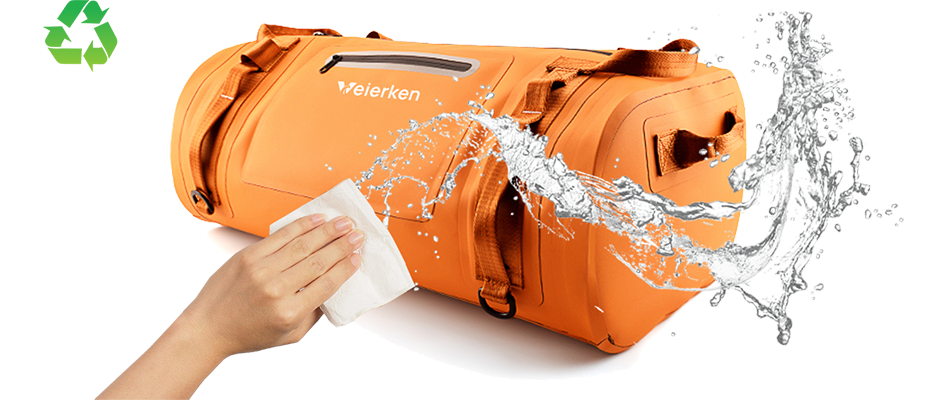
First, look at the waterproof rating. Is the bag rated IPX6 (protected against powerful water jets) or IPX8 (submersible)? For kayaking, where a capsize is always a possibility, IPX7 or IPX8 is often the gold standard for electronics storage. Examine the sealing mechanism—is it a standard three-roll closure, or does it utilize an airtight, pressure-rated zipper?
Material durability is another pillar. Check the denier count of the fabric (e.g., 500D vs. 1000D) and the type of coating used, such as TPU (Thermoplastic Polyurethane) versus PVC. TPU is generally more environmentally friendly, stays flexible in cold weather, and offers superior abrasion resistance.
Design Functionality for Kayakers
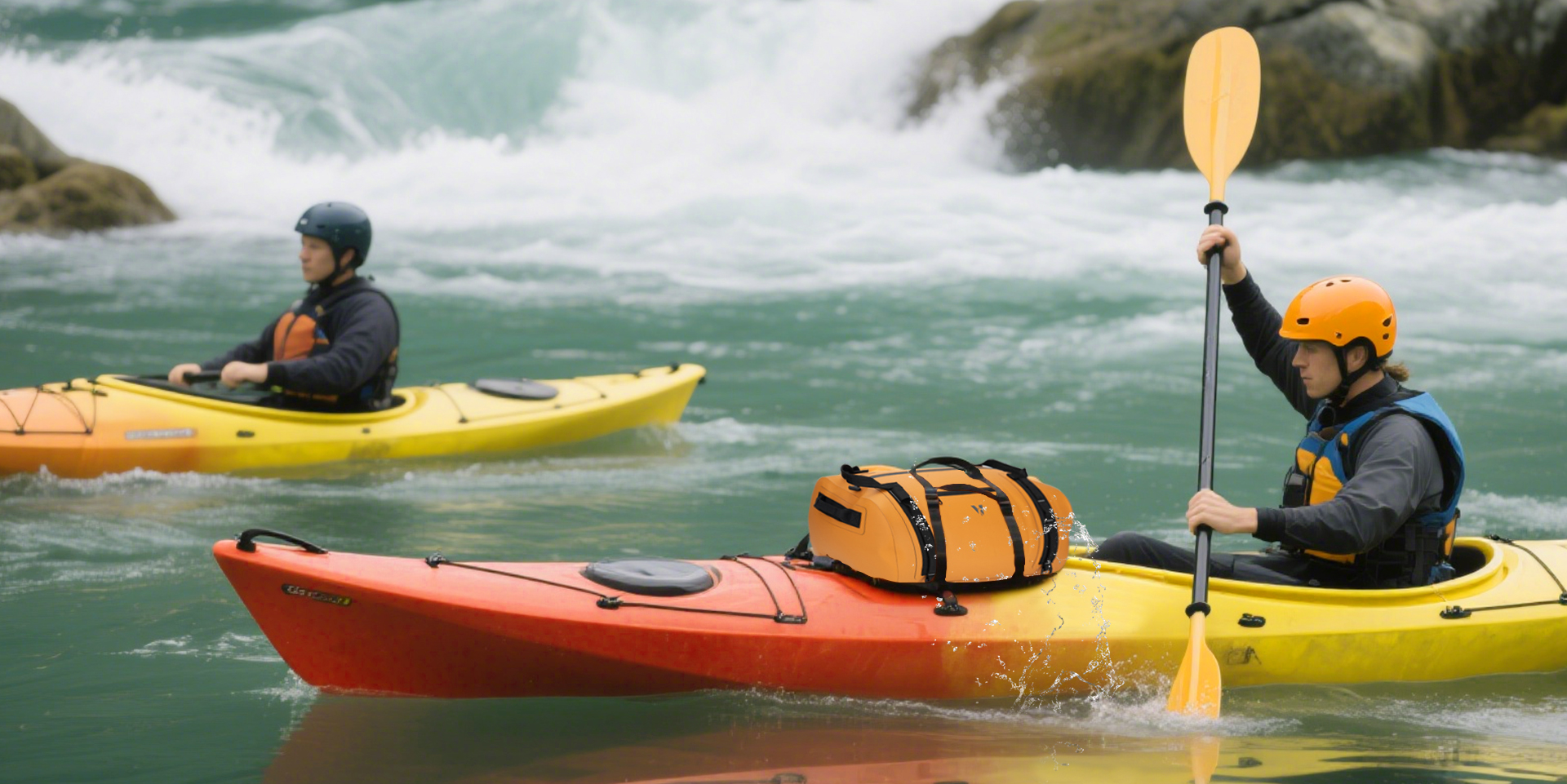
A bag isn’t a “kayaking bag” just because it’s waterproof; it must be functional on the water. Does the distributor offer bags with specific attachment points that align with standard kayak deck rigging? Are there high-visibility reflective strips for safety in low-light conditions? Brands like weierken often emphasize these small but critical design elements that show a deep understanding of the end-user’s environment.
Compliance and Quality Control
Never take a distributor’s word for it. Demand to see third-party testing reports. This includes waterproof testing, UV resistance certification, and material safety compliance (such as REACH or RoHS). If a distributor cannot provide documented proof of their quality claims, they are not a professional partner; they are a middleman taking a gamble with your money.
Step 3: Auditing Distributor Reliability and Infrastructure
A great product is useless if it arrives three months late or if the distributor disappears when a defect is found. This stage of the evaluation focuses on the “machinery” behind the product. You are looking for a kayaking bag distributor that offers stability and industry-specific expertise.
Industry Focus
Prioritize distributors who specialize in water sports or outdoor gear. A generalist distributor who sells everything from kitchenware to dry bags will lack the technical knowledge to help you troubleshoot a specific design flaw. A specialized team can provide insights into market trends, such as the rising demand for eco-friendly materials or integrated hydration ports.
Supply Chain Resilience
In the post-pandemic world, supply chain transparency is non-negotiable. Ask about their raw material sources. Do they have a steady supply of high-quality TPU? What is their production capacity during peak seasons? A reliable distributor should have a robust inventory management system that prevents “out-of-stock” disasters during your busiest sales months.
The Sample Testing Protocol
The most critical step in auditing reliability is the physical sample test. Once you’ve narrowed down your list, order samples and put them through the ringer. Submerge them in water for 24 hours. Leave them in direct sunlight. Overload the straps to see where the breaking point lies. If the distributor is confident in their quality, they will encourage this level of scrutiny.
Step 4: Analyzing Commercial Terms and Value-Add Services
The cheapest unit price rarely results in the highest profit. When evaluating a kayaking bag distributor, you must look at the “Total Cost of Ownership.” This includes shipping, duties, the cost of returns, and the value of the support they provide.
Pricing and Incentives
Look for a transparent pricing structure. Does the distributor offer tiered discounts for larger volumes? What are the payment terms—is there flexibility for long-term partners (e.g., Net 30 or Net 60)? Be wary of prices that seem too good to be true; they usually indicate compromised materials or unethical labor practices that could eventually lead to a PR crisis for your company.
Marketing and Sales Support
A top-tier distributor acts as a partner in your growth. Do they provide high-resolution product photography and videography? Do they offer technical data sheets that your sales team can use to educate customers? Some distributors, like weierken, provide comprehensive support packages that include staff training and co-marketing opportunities. This support can save your marketing department thousands of dollars in content creation costs.
After-Sales and Dispute Resolution
What happens when a customer returns a bag due to a manufacturing defect? A professional distributor should have a clear, written warranty policy. They should provide a dedicated account manager who responds to queries within 24 hours. Clarifying the “worst-case scenario” procedures before you sign a contract is the hallmark of an experienced buyer.
Step 5: Final Decision and Strategic Partnership Building
The final step is moving from evaluation to execution. Before committing to a massive order, perform a final background check. Look for industry reviews, attend trade shows like Outdoor Retailer or ISPO to see their presence, and if possible, speak with their current clients.
The Trial Order Strategy
Even if you are 95% sure about a kayaking bag distributor, start with a trial order. This isn’t just to test the product quality—it’s to test their communication, their shipping accuracy, and their packaging standards. Does the shipment arrive neatly packed, or are the bags crushed and creased? Is the documentation accurate for customs clearance?
Formalizing the Agreement
Once the trial order is successful, move toward a formal agreement. This contract should clearly outline quality standards, lead times, price adjustment mechanisms (in case of raw material spikes), and intellectual property protections. A clear contract is the best way to ensure that both parties remain accountable and that the partnership remains healthy for years to come.
Frequently Asked Questions (FAQ)
Q1: What is the most important waterproof rating I should look for in a kayaking bag distributor?
A1: For kayaking, you should look for at least an IPX6 rating for general storage (splash-proof) and IPX7 or IPX8 for items that might be submerged, such as phones or cameras. A professional distributor will have certified test results for these ratings.
Q2: Can I request custom branding (OEM) from a kayaking bag distributor?
A2: Most large-scale distributors and manufacturers offer OEM services. However, this usually comes with a higher Minimum Order Quantity (MOQ). You should ask for samples of their previous branding work to ensure their printing or embossing methods are durable.
Q3: How do I know if a distributor’s materials are truly “UV resistant”?
A3: UV resistance is crucial because salt water and sun can make cheap plastics brittle. Ask your distributor for the material specifications, specifically looking for UV-stabilized PVC or TPU. You can also ask for accelerated weathering test reports.
Q4: What is the typical lead time for a wholesale order from a kayaking bag distributor?
A4: Lead times vary depending on whether the items are in stock or made-to-order. For in-stock items, it’s usually 7–14 days. For custom or large-scale production runs, lead times typically range from 35 to 60 days, excluding shipping time.
Q5: Why is TPU preferred over PVC in high-end kayaking bags?
A5: TPU is more durable, more flexible in cold temperatures, and generally more environmentally friendly than PVC. While it is more expensive, it offers a better value proposition for “premium” or “professional” market segments.
Q6: How can I verify the reputation of a kayaking bag distributor?
A6: Check for their presence at major international trade shows, look for verified reviews on B2B platforms, and ask for client references. A transparent company like weierken will usually be happy to provide evidence of their track record.
Securing Your Supply Chain for Success
In the competitive outdoor market, your choice of a kayaking bag distributor is a foundational business decision. By following this step-by-step guide—from defining your market niche to conducting rigorous technical audits and trial orders—you mitigate risk and position your brand for sustainable growth.
Remember, a distributor is more than just a source of products; they are a vital partner in your brand’s story. Companies like weierken understand that their success is directly tied to your success. High-quality gear leads to happy paddlers, and happy paddlers lead to a thriving business.
Don’t leave your inventory to chance. If you are looking for a partner who prioritizes technical excellence, durability, and professional support, it is time to take the next step.
Are you ready to elevate your product line with industry-leading kayaking gear? Contact us today to request a quote, order samples, or discuss your custom manufacturing needs. Let’s build a partnership that stands the test of the water.