

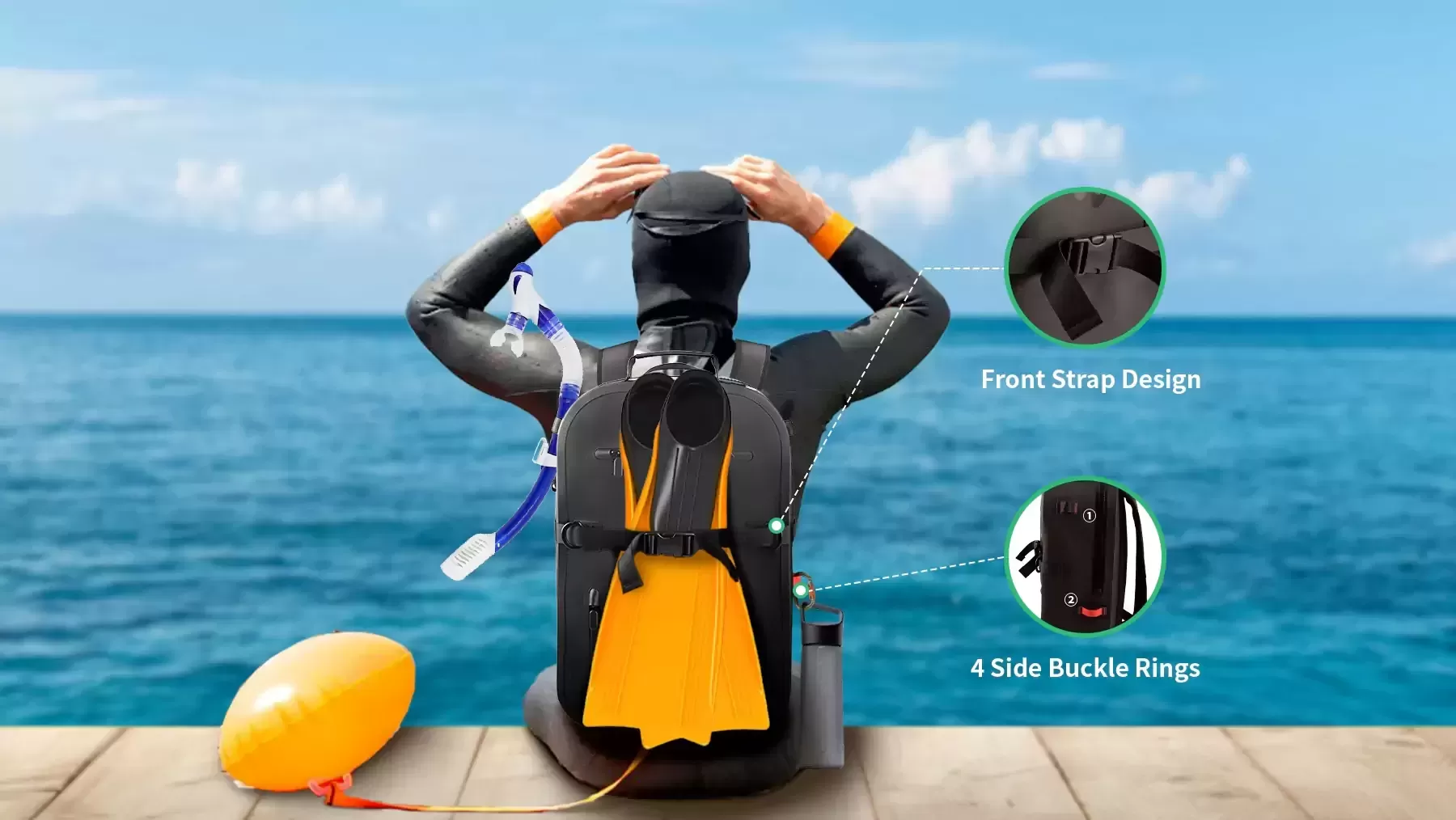
The beach environment places heavy demands on athletic luggage. High-salinity ocean spray corrodes exposed hardware, intense solar UV rays degrade surface coatings, fine silica sand clogs fabric weaves, and trapped moisture causes mildew inside wet compartments.
For sourcing managers, product developers, and sporting goods importers, choosing the wrong fabric leads to high return rates and poor product reviews. Knowledgeable beach sport bag manufacturers understand that effective waterproofing requires careful material selection tailored to harsh coastal environments.
At weierken, we assist global outdoor brands in navigating fabric specifications, balancing water resistance, weight, eco-compliance, and cost to build market-ready bag collections.
Deep Dive: Mainstream Waterproof Materials for Beach Sport Bags
Selecting the right base material forms the foundation of any outdoor sports bag. Different fabrics serve distinct performance tiers, price points, and end-use requirements.
TPU (Thermoplastic Polyurethane) Laminates
Thermoplastic Polyurethane represents the gold standard for high-performance outdoor and water sports gear.
Environmental Compliance: Non-toxic and free from phthalates, meeting strict European REACH and US California Proposition 65 standards easily.
UV and Hydrolysis Resistance: TPU resists yellowing, cracking, and breaking down under intense sunlight and constant water contact.
Cold-Flex Performance: Remains soft and pliable across wide temperature ranges without stiffening.
Applications: Ideal for 100% submerged dry bags, heavy-duty duffels, and internal dry-wet divider pockets.
PVC (Polyvinyl Chloride) Tarpaulin
PVC tarpaulin remains a popular choice when evaluating a TPU vs PVC beach bag material comparison for budget-focused or rugged utility lines.
High Abrasion Resistance: Excellent resistance against sharp rocks, rough gravel, and concrete boat ramps.
Cost Efficiency: Significantly lower raw material cost compared to TPU laminates.
B2B Considerations: Standard PVC contains plasticizers that face strict environmental regulations in Western markets. It can also become stiff under prolonged sun exposure if low-grade additives are used.
High-Denier Nylon and Polyester with DWR
Woven textiles coated with polyurethane (PU) backings and durable water repellent (DWR) surface finishes offer high versatility for gym-to-beach bags.
Fabric Density Options: Ranging from 420D lightweight nylon up to 900D/1200D woven polyester for heavy tote bags.
Style and Weight: Delivers a softer hand feel, rich textile textures, and lightweight carrying comfort.
Water Protection Level: Protects gear against light rain and splashes, making it suitable for hybrid beach totes rather than submersed dry packs.
Specialized Beach Features and Technical Construction
Beach sports bags require specialized structural features to manage wet swimwear, sandy towels, and saltwater exposure.
Sand-Proof and Drainage Mesh Integration
Combining heavy-duty rubberized mesh with solid waterproof panels creates functional dry-wet separation.
A specialized OEM dry wet separated beach bag factory inserts ventilated PVC or nylon mesh pockets into dedicated compartments. This allows damp gear to air out, draining excess water and sifting out trapped sand while keeping clean, dry clothes protected in adjacent sealed pockets.
Corrosion-Resistant Zippers and Hardware
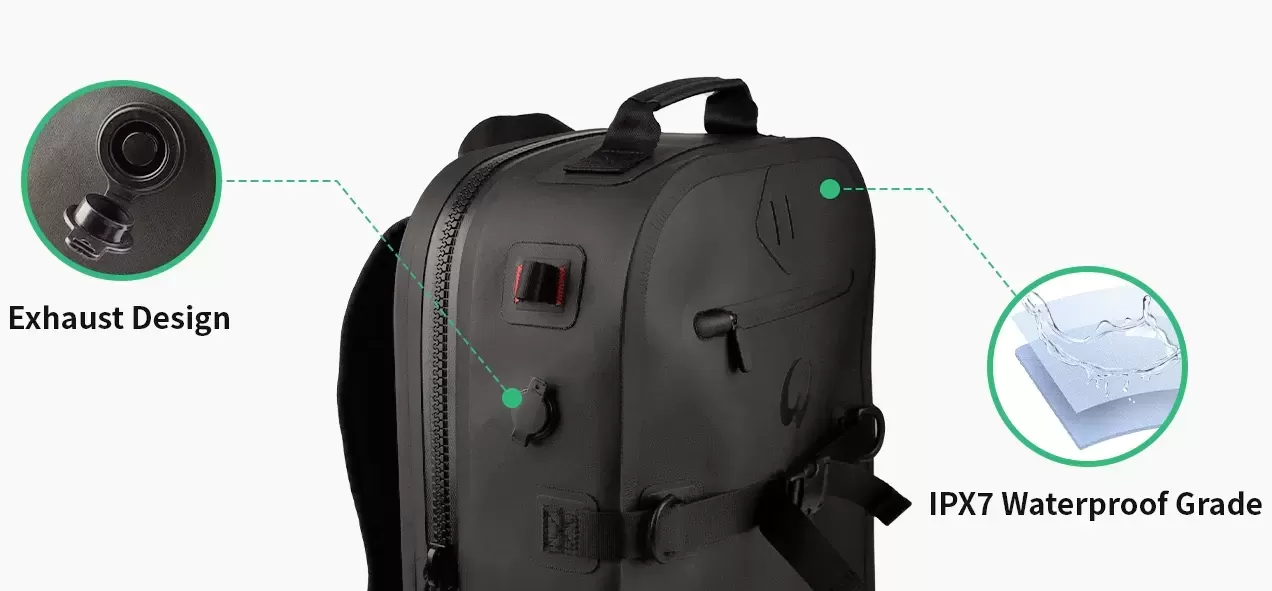
Standard metal zippers corrode rapidly when exposed to saltwater mist. Seawater leaves salt crystals behind that lock slider mechanisms within days.
Molded Plastic Zippers: Resins like YKK Vislon resist salt corrosion and operate smoothly despite sand exposure.
Airtight Waterproof Zippers: Polyurethane-coated zippers seal fully watertight compartments on technical sports duffels.
Non-Corrosive Hardware: Anodized aluminum or high-density acetal buckles prevent rust and latch failure.
Seam Construction: High-Frequency Welding vs. Taped Seams
Processing methods must match the chosen material to achieve target waterproof ratings.
Designing a custom waterproof duffle bag for beach sports requires selecting the right assembly technique:
High-Frequency (RF) Welding: Fuses TPU or PVC panels using radio frequency energy. It creates a seamless, 100% watertight bond without needle holes, making it the standard for submersible dry packs.
Stitched and Taped Seams: Traditional sewing machines join panels, and automated pressure rollers apply waterproof tape over internal seam lines. This suits light nylon or polyester sports bags.
To ensure long-term durability, factories process UV-resistant waterproof fabric for sport bags using precise heat and pressure controls during welding to prevent degrading the surface treatment.
Sustainable Waterproofing: Eco-Friendly Material Options
Environmental responsibility drives purchasing decisions across European and North American markets. Brands increasingly demand eco-conscious alternatives without sacrificing technical performance.
RPET Fabrics and Eco-Friendly TPU Films
Recycled Polyethylene Terephthalate (RPET) turns post-consumer plastic water bottles into durable polyester yarn. Combining RPET base fabrics with bio-based or solvent-free TPU coatings yields fully functional, environmentally friendly sports fabrics.
Partnering with eco-friendly waterproof beach bag manufacturers (RPET) helps outdoor brands reduce environmental impact and meet corporate ESG targets effectively.
GRS (Global Recycled Standard) Traceability
Top factories maintain GRS certification throughout their material supply chains. This certification guarantees full chain-of-custody tracking from recycled plastic flake processing to final bag assembly, giving retail consumers verified green credentials.
During middle-stage production planning, **weierken** works with certified fabric mills to supply complete transaction certificates (TC) for all eco-friendly material orders.
B2B Sourcing Guide: Specifying Requirements in Your Tech Pack
When working with a waterproof beach bag supplier, clear technical documentation prevents costly production misunderstandings.
Include these key performance parameters in your tech pack before requesting production quotes:
Define Hydrostatic Pressure Standards: Specify minimum water column resistance in millimeters. Standard beach totes require 3,000mm to 5,000mm H2O, while technical waterproof duffels demand 10,000mm to 20,000mm H2O.
Set Color Fastness Parameters: State required color fastness to sunlight (AATCC 16 rating Grade 4 minimum) and saltwater exposure to prevent premature fading.
Mandate Specific Compliance Tests: Request third-party laboratory verification for REACH, US California Proposition 65, anti-mold treatment (AATCC 30), and UV resistance.
Specify Hardware Tolerances: Detail pull-strength specifications for shoulder strap attachment points and carry handles under full load conditions.
Conclusion & Partnering for Success
Selecting the right combination of waterproof fabrics, anti-corrosive trims, and assembly techniques defines product longevity in competitive beach gear markets.
Working alongside experienced beach sport bag manufacturers ensures your product lines feature the latest fabric technologies, strict quality control, and compliant supply chain management.
By partnering with established manufacturers like **weierken**, you gain direct access to advanced RF welding lines, certified eco-friendly materials, and reliable OEM/ODM engineering support.
Ready to Launch Your Next Beach Sport Bag Line?
Looking for a reliable manufacturing partner for your upcoming outdoor collection?
Contact our product development team today to request a comprehensive material swatch book, order custom prototypes, or receive a competitive factory quote.
Request a Quote & Material Swatch Book
Frequently Asked Questions (FAQ)
1. What is the best waterproof material for a premium beach sport duffel bag?
TPU-laminated high-tenacity nylon (such as 420D or 840D) provides the best performance for high-end sports duffels. It offers complete waterproofing, exceptional tear strength, excellent UV stability, and remains non-toxic under global chemical compliance standards.
2. How do beach sport bag manufacturers prevent mildew in wet gear compartments?
Manufacturers integrate antimicrobial coatings into fabric backings and install dedicated mesh ventilation ports or breathable dry-wet dividers. These design features allow moisture vapor to escape while containing damp swimwear or sandy footwear separately.
3. Is TPU worth the extra cost over PVC for commercial beach bags?
Yes, especially for mid-to-high-end outdoor brands. TPU is lighter, safer for the environment, remains flexible in cold conditions, and resists UV degradation far better than PVC. TPU bags also pass Western eco-compliance regulations easily without risking phthalate flags.
4. Which zipper type holds up best against saltwater exposure?
Injection-molded plastic zippers (such as high-grade resin zippers) perform best in saltwater environments. Unlike brass or aluminum zippers, plastic teeth never corrode, rust, or lock up when exposed to salt residue or fine sand.
5. How can buyers verify that a bag factory uses genuine recycled RPET fabrics?
Buyers should request official GRS (Global Recycled Standard) Transaction Certificates (TC) issued by accredited testing bodies like Control Union or Intertek. These certificates trace recycled plastic materials from raw yarn processing down to final bag manufacturing batches.
6. What quality control steps does Weierken perform during custom beach bag production?
We perform incoming fabric hydrostatic pressure tests, in-line high-frequency weld air-leakage tests in water tanks, strap pull-strength load testing, and finished bag rain-chamber simulations to ensure total waterproof reliability before shipment.