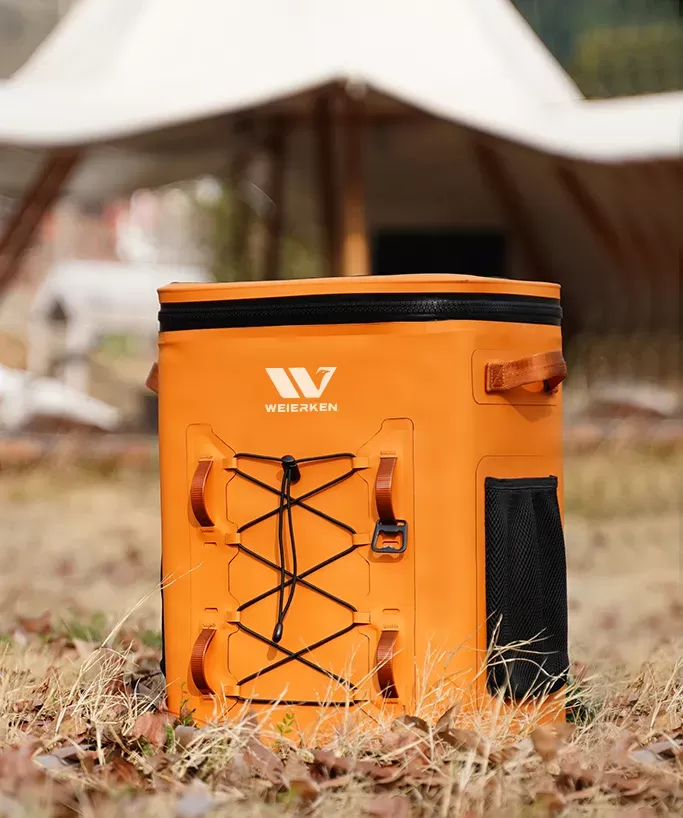

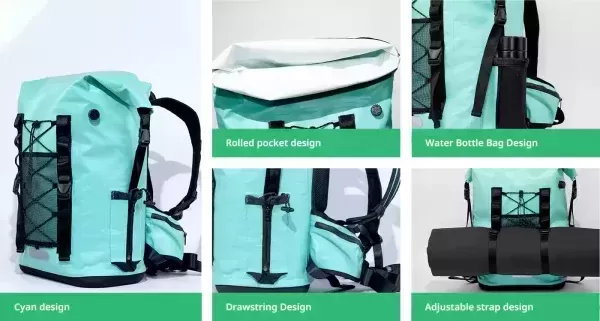
Water destroys cycling gear quickly. A sudden downpour during a long bikepacking trip tests every seam, fold, and zipper on a seat pack. When a saddle bag leaks, water ruins expensive electronics, spare clothes, and repair tools.
For bicycle brands, sourcing managers, and gear importers, a single batch of leaking bags causes endless warranty claims and bad reviews. Waterproof failures damage a brand's market reputation faster than almost any other product defect.
Leading bike saddle bag manufacturers do not rely on chance or basic spray coatings. They build reliable waterproof performance into products using technical textiles, specialized production machinery, and strict testing standards. Industry leaders like weierken rely on precise manufacturing processes to guarantee dry performance in extreme conditions.
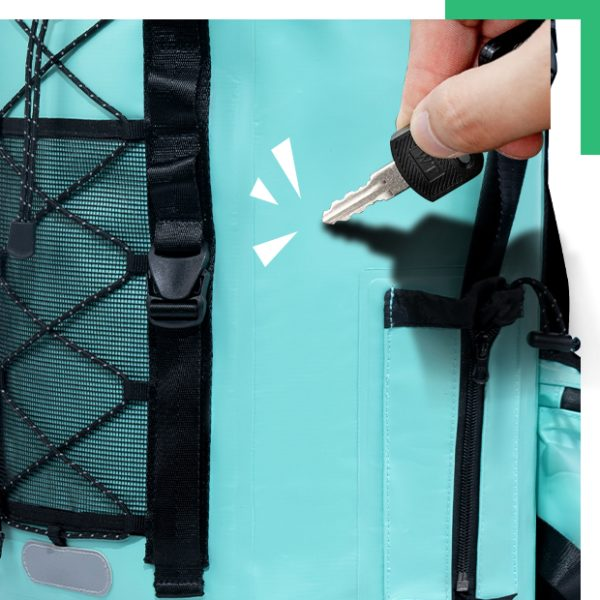
Raw Material Selection: The Foundation of Waterproofing
Waterproof quality begins long before production starts on the factory floor. If base materials fail under environmental stress, even flawless construction cannot save the final product.
High-Tenacity Base Fabrics
Professional bag factories select heavy-duty woven textiles that resist tears, abrasions, and constant road spray.
420D Nylon: Offers an ideal balance between lightweight handling and high tear resistance for performance road cycling.
840D TPU Nylon: Provides ultimate durability for rugged gravel grinding and multi-day off-road bikepacking.
Polyester Substrates: Deliver strong dimensional stability and cost-effective performance when laminated correctly.
TPU vs. PVC Coating Technology
The protective coating applied to the base fabric determines long-term waterproofing and flexibility. Top factories compare these coatings carefully before production.
A TPU coating bike saddle bag outperforms older PVC alternatives across every key metric. Thermoplastic Polyurethane (TPU) remains flexible in sub-zero temperatures, resists hydrolysis, and contains no toxic plasticizers. Polyvinyl Chloride (PVC) costs less but cracks over time when exposed to cold weather and UV rays.
A modern waterproof bicycle bag factory relies on dual-sided or single-sided TPU lamination. TPU bonds directly with nylon fibers, forming an impenetrable barrier against water penetration.
Hydrostatic Head Standards
Fabrics undergo hydrostatic head testing to measure water pressure resistance. Technicians apply a column of water to the fabric surface until three drops penetrate the material.
Premium bike saddle bag manufacturers mandate a minimum hydrostatic head rating of 10,000mm H2O. This benchmark guarantees that the fabric withstands continuous heavy rain and pressure from road spray generated by the rear tire.
Core Manufacturing Process: Stitching vs. Seamless RF Welding
How a factory joins fabric panels dictates whether a bag stays completely dry or allows water ingress over time.
The Limitations of Stitched and Taped Seams
Traditional sewing machines punch thousands of tiny needle holes through waterproof fabric. Factory workers must manually apply heat-seal tape over internal seams to cover these holes.
While seam taping works for casual rain jackets, it creates vulnerability in bike bags. Constant trail vibration, heavy loads, and repeated rolling cause inner tape to peel, yellow, and leak over time.
High-Frequency (RF) Welding Technology
Leading factories replace needles and thread with advanced welding machinery. A High-frequency welded bike bag contains zero needle punctures.
Radio Frequency (RF) welding directs high-frequency electromagnetic energy through overlapping TPU fabric layers. The electromagnetic field causes the molecules in the TPU coating to vibrate rapidly, generating internal heat that melts the TPU layers together.
Molecular Fusion: Fuses fabric panels into a single solid piece of material.
Permanent Seal: Eliminates seam degradation, peeling tape, and dry glue failure.
100% Watertight: Creates an airtight seam that prevents air and moisture transfer.
Utilizing a seamless bike bag manufacturing process allows factories to create structural seams that are actually stronger than the original fabric itself.
Roll-Top Closures and Waterproof Zippers
Even the best fabric and welded seams fail if water enters through the main opening. Factories focus heavily on opening design precision.
Roll-top closures offer maximum protection against water. Rolling the reinforced TPU top strip three times forms a tight physical baffle that blocks driving rain. When designs require quick access, factories integrate airtight zippers or YKK AquaGuard water-resistant zippers with molded zipper garages to stop water at the end of the track.
Factory-Level Quality Control: Testing Standards
Quality control separates elite manufacturers from low-cost operations. Reliable factories verify quality across three distinct stages: raw materials, assembly lines, and finished goods.
Incoming Quality Control (IQC)
Technicians inspect incoming fabric rolls before cutting begins. They test coating thickness, peel strength, and hydrostatic pressure resistance on batch samples.
In-Process Air Pressure and Bubble Testing
During active assembly at **weierken**, production line workers test welded sub-assemblies continuously.
Workers seal the bag opening and inject compressed air through a temporary nozzle.
They submerge the pressurized bag into a clear water tank.
Any escaping air creates immediate bubbles, pin-pointing microscopic gaps in the RF weld.
This rapid feedback loop allows operators to recalibrate RF welding dies immediately, keeping defect rates near zero.
Rain Chamber Testing (IPX6 Compliance)
Finished bags undergo rigorous laboratory testing. The **Waterproof testing standard for bike bags (IPX6/IPX7)** requires intense water spray exposure.
An IPX6 rain chamber blasts the saddle bag with high-pressure water jets from multiple directions for several hours. To pass, the internal compartment must stay 100% dry. IPX7 testing submerges sealed bags under one meter of water for 30 minutes to verify total submersion resistance.
Load-Bearing Stress Testing
Saddle bags experience constant shaking under heavy loads. Pneumatic test rigs pull saddle rail straps and seat post attachments under load cycles. This test ensures welded strap anchors do not tear away or weaken the waterproof shell during rough trail riding.
B2B Sourcing Guide: How to Audit a Waterproof Bag Factory
Sourcing managers must evaluate factory capabilities carefully before signing production contracts. Look for these key capabilities when auditing potential suppliers:
Verify Official Certifications: Confirm the factory holds ISO 9001 quality management certification and recent SGS or TÜV test reports for waterproof performance.
Inspect Plant Machinery: Ensure the facility owns dedicated RF welding stations and automated laser cutting machinery. Laser cutters melt fabric edges cleanly, preventing loose threads that disrupt RF weld quality.
Establish AQL Standards: Require your manufacturer to follow strict Acceptance Quality Limit (AQL) guidelines. Target an AQL 1.5 for major functional defects like seam leaks.
Assess Technical Support: Partner with an established OEM/ODM bicycle seat bag manufacturer that offers in-house prototyping, custom die design, and structural engineering advice.
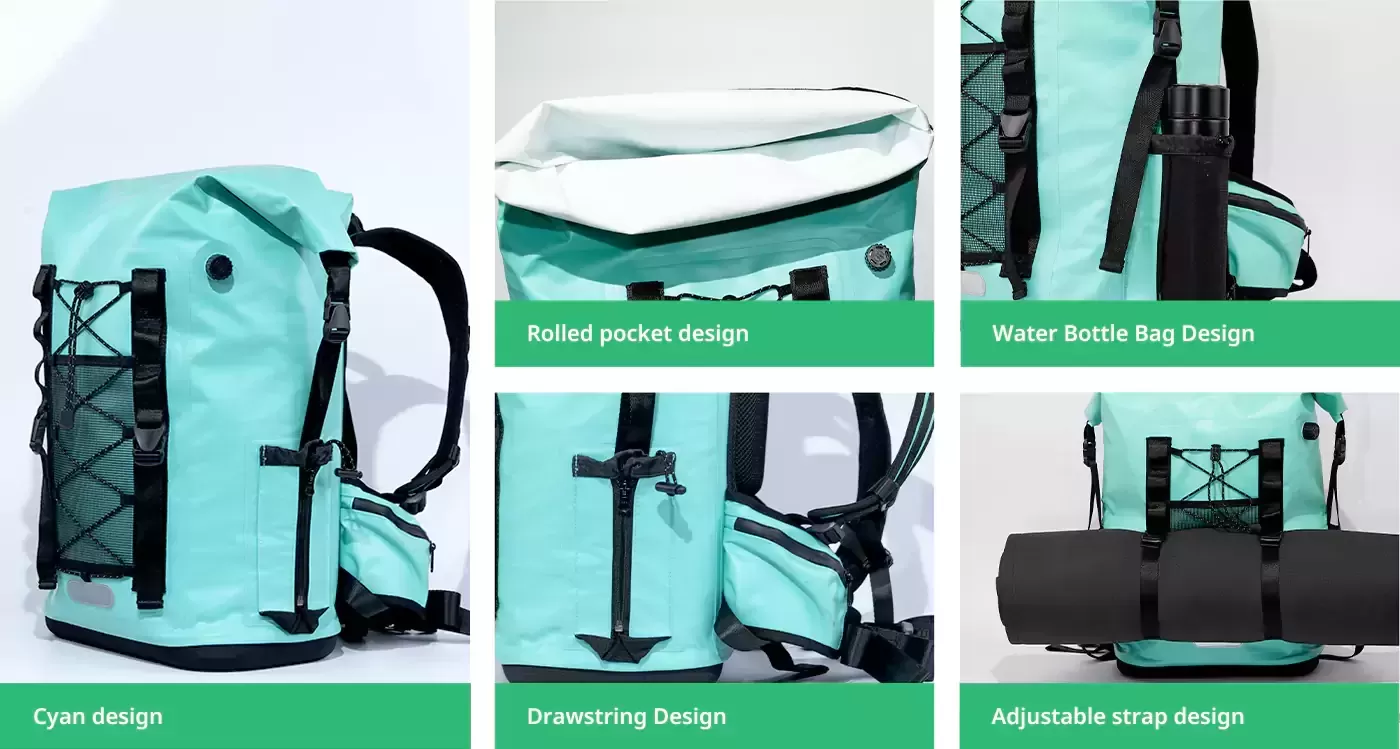
Conclusion & Partnering for Success
Consistent waterproof quality is not an accident. It demands technical fabrics, advanced radio frequency welding, and relentless factory testing at every stage of production.
When you partner with proven bike saddle bag manufacturers like weierken, you safeguard your product line against costly warranty returns. You give your customers reliable gear that keeps their essentials dry on every ride.
Ready to Upgrade Your Waterproof Bike Bag Line?
Looking for a trustworthy OEM/ODM partner with advanced high-frequency welding capabilities?
Contact the engineering team at weierken today to request a project quote, order custom samples, or review our comprehensive waterproof lab reports.
Request a Quote & Free Sample Report
Frequently Asked Questions (FAQ)
1. What is the difference between IPX6 and IPX7 waterproof ratings for bike saddle bags?
IPX6 rating means the bag withstands high-pressure, heavy water sprays from any angle without leaking inside. IPX7 rating means the bag can survive full submersion in water up to 1 meter deep for 30 minutes. Most bikepacking saddle bags target IPX6 for heavy rain, while roll-top designs with airtight zippers achieve IPX7.
2. Why is TPU coating preferred over PVC for high-end bike bags?
TPU (Thermoplastic Polyurethane) offers superior cold-weather flexibility, higher abrasion resistance, and excellent environmental compatibility compared to PVC. TPU fuses perfectly during RF welding and does not crack or off-gas hazardous chemicals like PVC does over time.
3. Can an OEM manufacturer create custom saddle bag shapes using RF welding?
Yes. Experienced bike saddle bag manufacturers custom-engineer aluminum and copper welding dies matching your exact bag geometry. Custom dies allow factories to produce unique bag shapes, integrated strap mounts, and custom logo placements effortlessly.
4. What is the standard minimum order quantity (MOQ) for custom waterproof saddle bags?
Standard factory MOQs for custom RF welded bags typically range from 500 to 1,000 units per style or colorway. This minimum covers custom fabric dye runs, TPU lamination setups, and specialized RF welding die manufacturing costs.
5. How do factories prevent water from leaking through strap attachment points?
Top factories do not stitch mounting straps directly through the main waterproof chamber. Instead, they use RF welding to fuse heavy-duty TPU patch anchors or Hypalon docks directly onto the outer bag surface. Straps attach to these welded docks, keeping the inner chamber completely hole-free.
6. What quality control documentation should I request from a bag manufacturer like Weierken?
You should request raw fabric hydrostatic head test reports (ISO 811), material safety data sheets (REACH/RoHS), factory ISO 9001 audit certificates, and finished product IPX water resistance test reports before approving mass production.