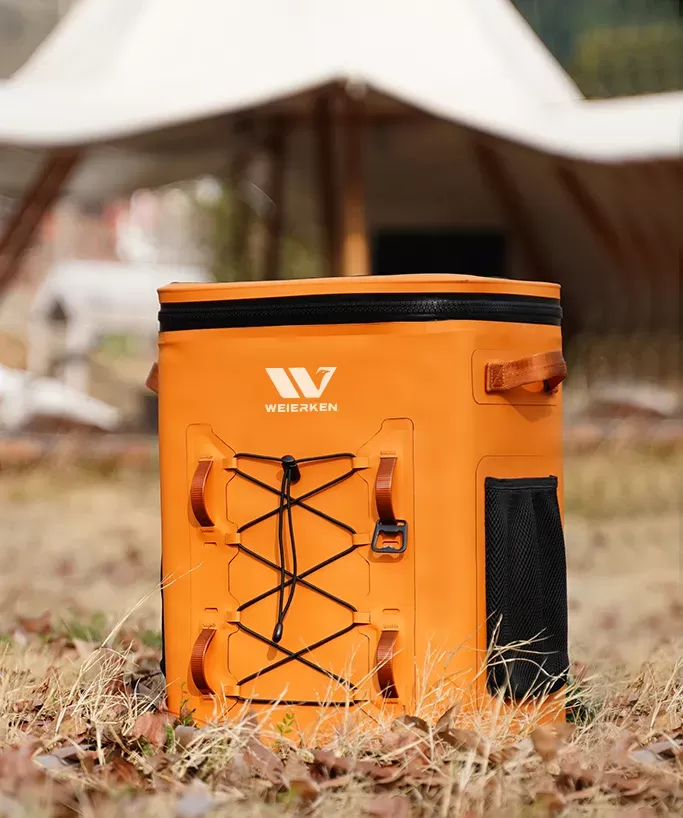

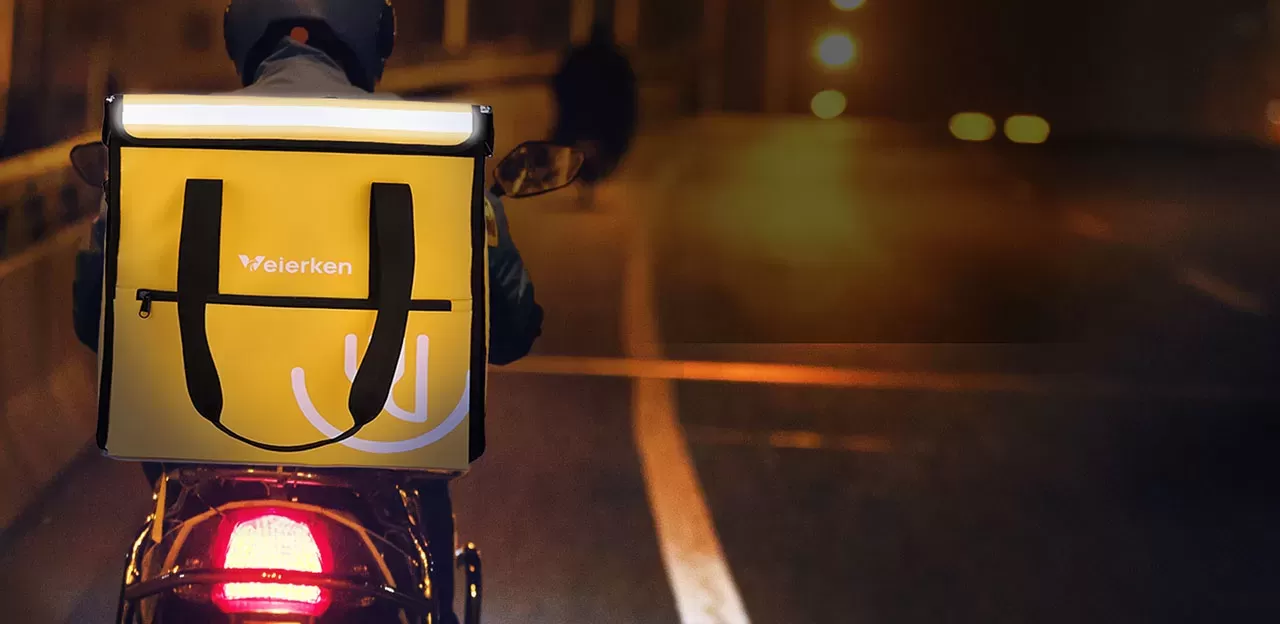
The food delivery sector has changed rapidly over the last few years. Standard, off-the-shelf delivery bags are no longer sufficient for businesses that want to stand out. Today, a delivery bag functions as a mobile billboard, a brand touchpoint, and a vital tool for courier comfort. Custom configurations are necessary to match specific vehicle types, transit times, and diverse food menus.
Many procurement managers realize that standard products do not fit their exact logistics models. Whether you transport piping-hot pizzas, delicate sushi, or frozen groceries, you need tailored gear. Choosing a dedicated food delivery bag maker that offers complete OEM services is the most effective way to turn your unique designs into durable, cost-effective products.
At weierken, we believe that a successful OEM partnership involves more than just sewing panels together. It requires deep collaboration during design, careful material selection, and rigorous quality testing. This article outlines the essential dimensions to look for when choosing an OEM partner for your delivery bag fleet.
1. Collaborative R&D and Co-Design Capabilities
A reliable custom food delivery bag manufacturer does not simply ask you for finished technical drawings. They should actively assist you in optimizing your initial sketches or concepts. A great OEM partner bridges the gap between a creative concept and practical, high-volume production.
What to Look For in R&D Services:
Design for Manufacturing (DFM): The engineering team should review your design to find potential structural weaknesses. They can suggest edits that reduce production costs without sacrificing the bag's insulation performance.
Ergonomic Optimizations: Carrying a heavy food delivery backpack OEM model for hours can strain a courier's back. Your manufacturer should offer custom back-support panels, padded shoulder straps, and chest buckles to distribute weight evenly.
Component Customization: The factory should help you select the right hardware. This includes weather-resistant zippers, heavy-duty plastic buckles, and high-visibility reflective strips that match your safety requirements.
Collaborative design ensures your custom bags perform reliably in the field. It also helps you avoid expensive design corrections after mass production has already started.
2. Custom Material Sourcing and Development
Your delivery routes, climate, and food types dictate the materials your bags require. A premier food delivery bag maker must have a robust supply chain to source or develop custom textiles and insulation materials.
Outer Fabric Options
The exterior of the bag must withstand rain, UV rays, and physical wear. A professional manufacturer should offer various high-performance fabrics, including:
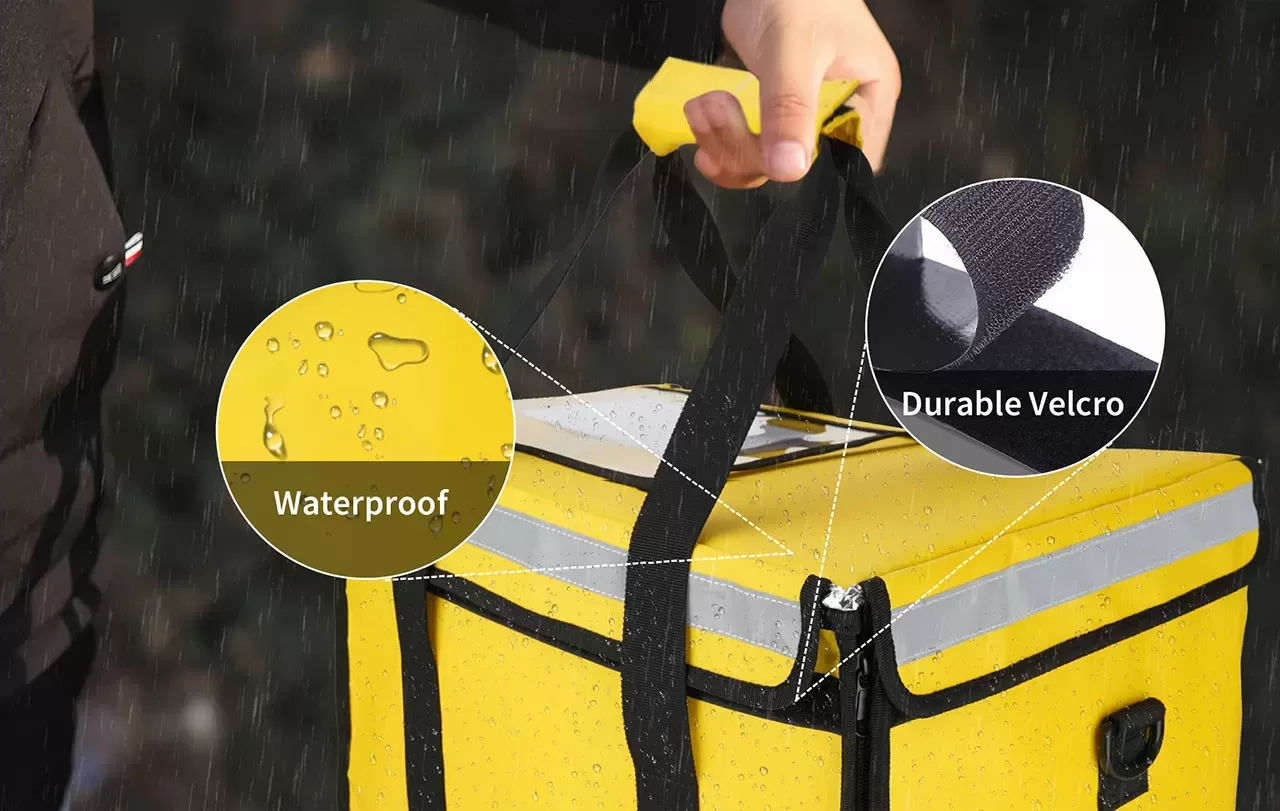
500D/1000D PVC Mesh Fabric: Completely waterproof, exceptionally durable, and very easy to wipe clean.
TPU-Coated Materials: Environmentally friendly, highly flexible in cold weather, and resistant to oil and grease.
Heavy-Duty Oxford Polyester: Offers a professional, fabric-like look while providing good water resistance when treated with a PU coating.
Insulation Layers
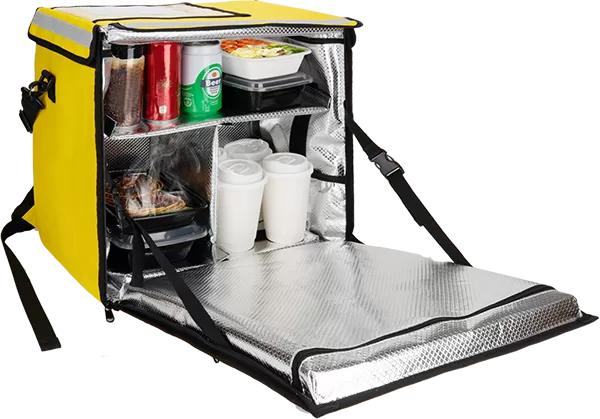
Different foods require different thermal properties. Your OEM supplier should offer various insulation densities and thicknesses, such as Expanded Polyethylene (EPE) foam, Polyurethane (PU) foam, or rigid Extruded Polystyrene (XPS) boards for structured boxes. They must also offer high-quality foil linings to reflect heat back toward the food containers.
Brand Color Matching
To maintain consistent branding, the manufacturer should offer custom dye services. They must match your exact brand colors using the Pantone Matching System (PMS) to ensure the bags align with your corporate visual identity.
3. Structured Prototyping and Verification
The transition from a 2D drawing to a physical product can reveal unexpected challenges. A structured prototyping process allows you to touch, feel, and test the product before committing to a major production run.
At weierken, we prioritize fast, accurate prototyping. We provide functional samples that let you evaluate material texture, color accuracy, and overall thermal efficiency in real-world conditions.
When selecting an OEM delivery bag supplier, ask about their typical sample turnaround times. A qualified factory should be able to deliver a functional prototype within 7 to 10 working days. They should also perform pre-shipment tests, such as load-carrying capacity and basic seam strength, to ensure the sample is ready for field trials.
4. Production Flexibility and Quality Control Consistency
B2B buyers often face fluctuating demand. You might need a small initial run of 500 bags for a regional test market, followed by a sudden order of 10,000 bags for a national expansion. Your chosen factory must have the capacity to handle these shifts.
Evaluating Factory Capacity:
Flexible Assembly Lines: The factory should run both automated heat-welding lines and traditional stitching lines. This allows them to scale production up or down depending on your specific bag design.
Reasonable Minimum Order Quantities (MOQs): A customer-focused supplier offers flexible MOQs for initial custom projects, allowing you to test new designs without overcommitting your budget.
Total Quality Management (TQM): The factory should enforce strict QC inspection points at every stage of production. This includes incoming material inspections, in-line stitching checks, and final cosmetic and functional reviews before packing.
This level of oversight ensures that the last bag off the assembly line matches the quality of the approved sample. Consistent quality is essential when purchasing custom insulated bags wholesale.
5. Intellectual Property Protection and Business Integrity
When you invest time and money into designing custom bespoke thermal delivery bags, you must protect your designs. You do not want your proprietary features or custom panel layouts appearing in a competitor's fleet.
Before sharing any drawings, ensure the manufacturer is willing to sign a legally binding Non-Disclosure Agreement (NDA). A reputable OEM manufacturer respects your intellectual property. They will never showcase your custom designs to other buyers or use your proprietary molds for other clients.
Ask potential partners about their data security policies. Verify how they handle digital design files and ensure they do not share your custom layouts with third-party sub-contractors without your explicit permission.
Build a Reliable OEM Partnership
Selecting the right OEM partner is a critical business decision. It requires a balanced evaluation of design capability, material sourcing, prototyping speed, production capacity, and trust. By choosing a comprehensive food delivery bag maker, you gain more than just a vendor—you secure a partner who helps protect your brand image and improves your delivery operations.
At weierken, we are committed to delivering high-quality OEM solutions that match your exact specifications. Our experienced team manages every step of the process, from initial design concepts to final quality control and shipping logistics.
Do you have a new custom design or concept ready for development? Contact our OEM specialists today to discuss your requirements, request a quote, or schedule a virtual tour of our production facilities.
Frequently Asked Questions
1. What is the typical MOQ for custom OEM delivery bags?
The Minimum Order Quantity (MOQ) depends on the complexity of your design and the materials required. For most custom projects, the MOQ starts around 500 units. This volume allows us to dye fabrics to your precise Pantone colors and manufacture custom molds efficiently.
2. How long does the prototyping stage take with an OEM delivery bag supplier?
A professional factory can typically produce a functional prototype within 7 to 10 business days after finalizing the design drawings. This timeline may vary slightly if your design requires specialized custom hardware or non-standard materials.
3. Can we match the exact corporate color of our brand logo?
Yes. By providing a Pantone color code, we can dye the outer fabric to match your brand guidelines. We also provide fabric swatches for your approval before starting mass production to ensure color accuracy.
4. Why is DFM (Design for Manufacturing) important for bespoke thermal delivery bags?
DFM helps identify potential assembly bottlenecks or structural weaknesses in your design. By modifying complex seams or adjusting pocket placements before production begins, we can improve the bag's durability while keeping unit costs within your budget.
5. How do professional manufacturers protect my proprietary designs?
A reputable manufacturer will sign a Non-Disclosure Agreement (NDA) before you share any design files. They also store all CAD files on secure internal servers and strictly limit access to the specific engineering and production teams working on your project.