
The global food delivery sector has moved beyond basic logistics. Today, delivery gear does more than keep food warm. It acts as a mobile billboard for brands and an essential tool for the delivery rider. Standard off-the-shelf options rarely meet the demands of different transit modes, such as motorcycles, bicycles, or foot delivery. Because of this, platform operators seek a specialized food courier thermal bag maker to develop tailored solutions.
A successful transition from a design concept to a high-volume product requires technical expertise. Brands like Weierken focus on translating raw sketches into cost-effective, durable equipment. When selecting a manufacturing partner, buyers must look beyond cheap unit prices. The right partner must balance design execution, rider ergonomics, material sourcing, and quality control.
1. The Shift from Generic Sourcing to Custom Engineering
For years, fleet buyers purchased generic insulated boxes. These standard models often ignored the daily physical strain on delivery personnel. A modern food courier thermal bag maker must prioritize rider comfort alongside thermal efficiency. Courier bags are no longer simple containers; they are complex ergonomic backpacks.
A professional food delivery bag maker understands that delivery routes differ. A bicycle courier in a rainy city requires a different setup than a motorcycle rider in a hot climate. Custom designs address these differences by adjusting weight distribution, ventilation, and mounting systems.
By shifting to an experienced custom food delivery bag manufacturer, platforms can specify details like:
Adjustable harness systems to reduce lower back strain.
Custom internal dividers to keep hot and cold items separate.
Aerodynamic profiles that reduce wind resistance for motorcycle riders.
Reinforced base plates to prevent the bag from sagging over time.
2. Collaborative R&D and Ergonomic Design
A reliable food courier thermal bag maker must offer more than simple contract sewing. They should act as a co-development partner. When you evaluate an OEM delivery bag supplier, analyze their Design for Manufacturability (DFM) capabilities. They must turn your 2D concepts into structurally sound 3D prototypes.
Ergonomic Suspension and Load Distribution
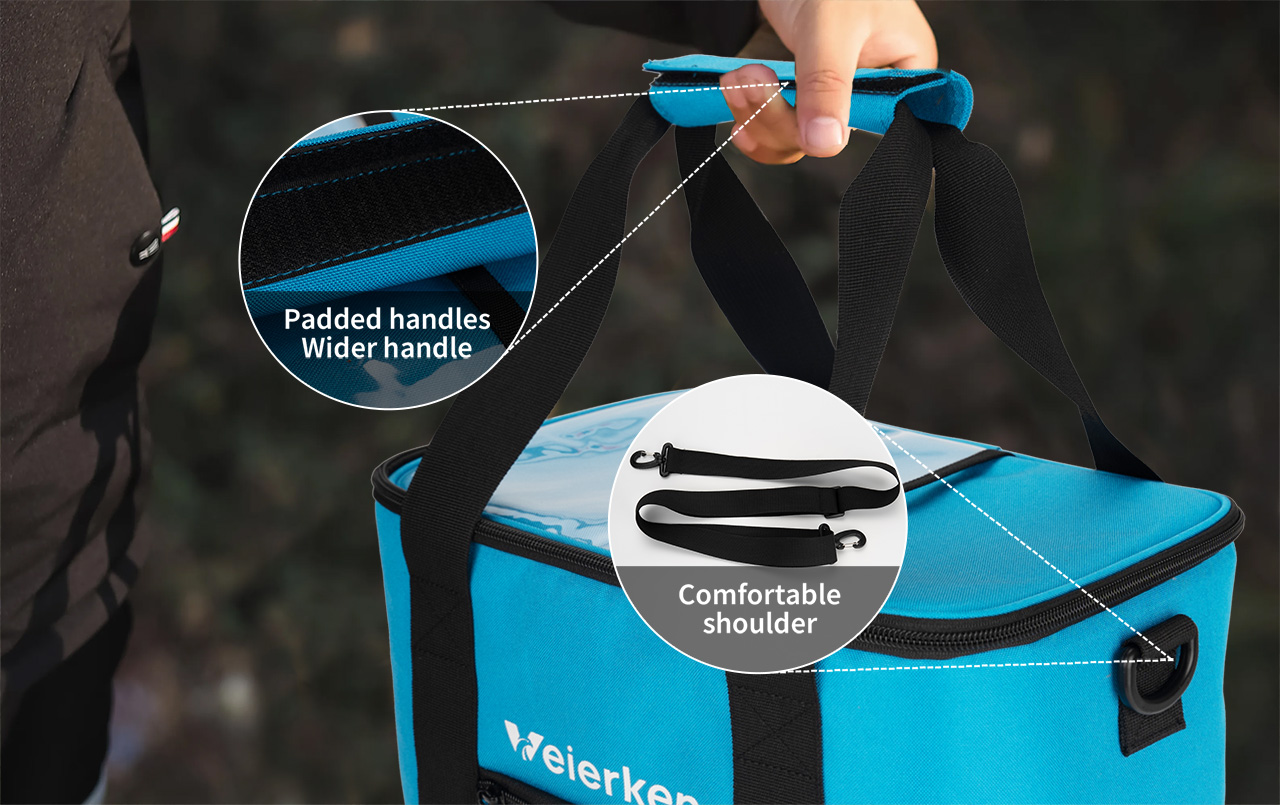
Riders carry heavy loads for consecutive hours. To prevent fatigue, the bag's harness must distribute weight toward the hips rather than the shoulders. A professional manufacturer will suggest molded EVA back panels, padded hip belts, and chest straps with quick-release buckles.
Functional Hardware Selection
Hardware failure is a common cause of bag retirement. Your manufacturing partner should offer a wide range of component options to match your budget and durability targets. These options include:
Waterproof zippers with molded pull tabs for easy use with gloves.
Duraflex or YKK plastic buckles that resist cracking in cold weather.
Heavy-duty D-rings for securing the backpack to motorcycle racks.
High-visibility reflective piping that complies with local road safety laws.
Through careful material selection and design refinement, an experienced food delivery backpack OEM can optimize the product's lifespan. This optimization reduces your fleet's overall replacement costs.
3. Material Sourcing and Thermal Performance
The material supply chain is the foundation of any premium delivery bag. Weierken and other specialized manufacturers maintain close relationships with raw material suppliers. This connectivity allows them to source specialized fabrics and insulation to meet strict performance metrics.
Selecting the Outer Fabric
The exterior material must withstand daily abrasion, UV exposure, and heavy rain. Standard options include:
500D/1000D PVC Tarpaulin: Highly waterproof, puncture-resistant, and easy to wipe clean.
TPU Double-Coated Nylon: Lighter than PVC, remains flexible in freezing temperatures, and is highly recyclable.
Water-Resistant Oxford Polyester: A cost-effective choice for lighter use, usually paired with a PU backing.
Optimizing the Thermal Insulation Core
A qualified food courier thermal bag maker will recommend insulation based on your target holding times. They will help you select the appropriate thickness and material type:
Expanded Polyethylene (EPE) Foam: Lightweight and flexible, ideal for collapsible backpacks.
Extruded Polystyrene (XPS) Rigid Board: Offers excellent structural support and thermal resistance, best for rigid motorcycle boxes.
Polyurethane (PU) Foam: Provides superior insulation for long-distance deliveries but adds more weight.
Brand Color Alignment
Your fleet represents your brand on the street. A professional custom food delivery bag manufacturer can dye fabrics to match precise Pantone color codes. This precision prevents color variance across production runs, keeping your brand identity consistent.
4. Rigorous Prototyping and Validation
Never transition directly from a design drawing to mass production. A structured prototyping phase is necessary to identify potential weak points. An efficient food courier thermal bag maker should deliver a physical sample within 7 to 10 days.
Once the sample is ready, it must undergo physical testing. Ask your OEM delivery bag supplier if they conduct the following in-house tests:
Load Suspension Test: Hanging a fully loaded bag for 72 hours to check for seam failure.
Zipper Cycle Test: Repetitively opening and closing zippers to ensure smooth operation under tension.
Water Spray Test: Exposing the bag to simulated heavy rain to verify the water resistance of the seams and zippers.
Thermal Retention Test: Monitoring internal temperatures over several hours using digital probes.
These validation steps confirm that the bag can withstand daily field use before you commit to custom insulated bags wholesale orders.
5. Flexible Production Lines and Quality Control
Seasonality and market growth can cause sudden changes in your bag inventory needs. Your chosen food courier thermal bag maker must have the production flexibility to handle these fluctuations. They should balance automated cutting and welding with skilled manual stitching.
For waterproof interiors, standard stitching is not enough. The factory should offer high-frequency welding or hot-air sealing. These techniques create seamless, leak-proof inner liners that prevent spilled liquids from seeping into the insulation layer.
A structured Total Quality Management (TQM) process should include several key checkpoints:
| Stage | Quality Control Focus Areas |
|---|---|
| IQC (Incoming) | Testing fabric waterproof ratings, zipper tensile strength, and foam density. |
| IPQC (In-Process) | Checking stitch density, seam tape alignment, and logo printing accuracy. |
| FQC (Final Assembly) | Verifying overall dimensions, zipper movement, and hardware attachment. |
| OQC (Outgoing) | Conducting random carton drop tests and checking packaging compliance. |
Choosing a partner with transparent quality control processes helps ensure that every batch of bespoke thermal delivery bags arrives without defects.
6. Intellectual Property Protection
When you invest in custom features, protecting your designs is a top priority. Innovative strap designs, custom pocket layouts, or proprietary folding mechanisms give you a competitive edge. A reputable food courier thermal bag maker will protect these assets.
Before sharing detailed drawings, ensure your manufacturing partner is willing to:
Sign a comprehensive Non-Disclosure Agreement (NDA).
Store your design files on secure, restricted-access servers.
Agree not to showcase your proprietary designs at public trade shows without permission.
Refrain from selling your customized molds to other clients.
A manufacturer with strong business ethics will protect your intellectual property, helping you maintain a unique presence in the delivery market.
Partner with a Trusted Manufacturer
Selecting the right food courier thermal bag maker involves evaluating more than just the cost per unit. It requires finding a partner that understands rider ergonomics, material science, and consistent quality control. Investing in durable, comfortable delivery gear supports rider safety and protects your brand's reputation.
At Weierken, we specialize in manufacturing high-quality, comfortable thermal bags tailored to your fleet's needs. We work with you from the initial design optimization to final mass production, ensuring your bags perform reliably in daily use.
Are you ready to develop your next custom delivery bag? Contact our team today to discuss your requirements, review material options, and request a detailed quote.
Frequently Asked Questions
1. What is the standard MOQ for custom food delivery bags?
The Minimum Order Quantity (MOQ) depends on the complexity of the design and the materials used. Generally, for a fully customized order with dyed-to-match fabric colors, the MOQ ranges from 500 to 1,000 units. For standard-color fabrics with custom logo printing, lower quantities may be possible.
2. How long does the prototyping and manufacturing process take?
An experienced food courier thermal bag maker can usually deliver a physical prototype within 7 to 10 working days after design approval. Once the sample is approved, mass production typically takes between 30 and 45 days, depending on the order volume and material availability.
3. Can you manufacture bags that are completely leak-proof?
Yes. To prevent food spills from leaking out, we use high-frequency welding or hot-air sealing on the inner foil lining. This heat-sealing process eliminates needle holes, creating an easy-to-clean, waterproof barrier inside the bag.
4. How do you ensure the bags remain comfortable for riders during long shifts?
We focus on physical ergonomics. This includes using thick S-shaped shoulder straps, padded mesh back support panels to improve airflow, and adjustable chest and waist straps. These features help distribute the weight evenly, reducing strain on the rider's neck and back.
5. Do you offer material options that comply with local food safety regulations?
Yes. All inner lining materials, such as aluminum foil and food-grade PEVA, can be sourced to meet strict food safety and environmental standards, including REACH, ROHS, and FDA-compliant specifications. Please share your local regulatory requirements with us during the inquiry phase.