
Sourcing beverage carriers for large delivery platforms or restaurant franchises is fraught with hidden operational traps. On paper, dozens of trading agencies pose as original manufacturers. In reality, many sub-contract your production to low-tier workshops, inflating unit prices by 15% to 30% and causing chronic delivery delays.
Drink delivery is unforgiving. A single seam failure or a weak divider dumps hot lattes or iced teas across a scooter floorboard. Commercial procurement managers cannot treat drink carriers as generic novelty items. You need a dedicated commercial drink carrier bag supplier that operates its own manufacturing floor and maintains strict quality controls.
Partnering with a proven direct manufacturer like Weierken gives enterprise buyers full control over bill-of-materials (BOM) costs, engineering revisions, and delivery schedules. To keep your supply chain secure, use these five direct sourcing rules before issuing your next purchase order.
Rule 1: Verify In-House Machinery and Audited Plant Capacity
The easiest way to identify a trading broker posing as a factory is to audit their machinery footprint. Assembling durable drink delivery bags requires specialized, capital-intensive equipment. Subcontractors cutting corners on cheap manual sewing machines cannot produce watertight, commercial-grade bags.
Core Production Machinery Checklist
When auditing a commercial drink carrier bag supplier, ask for continuous video walkthroughs or conduct a third-party on-site inspection. Look for these specific machines on their active factory floor:
CNC Digital Cutting Tables: Automated knife cutters ensure millimeter-level dimensional accuracy across heavy Oxford fabrics, rigid honeycomb sheets, and EVA foams. Manual hand-cutting causes fit variations that make modular cup dividers jam or wobble.
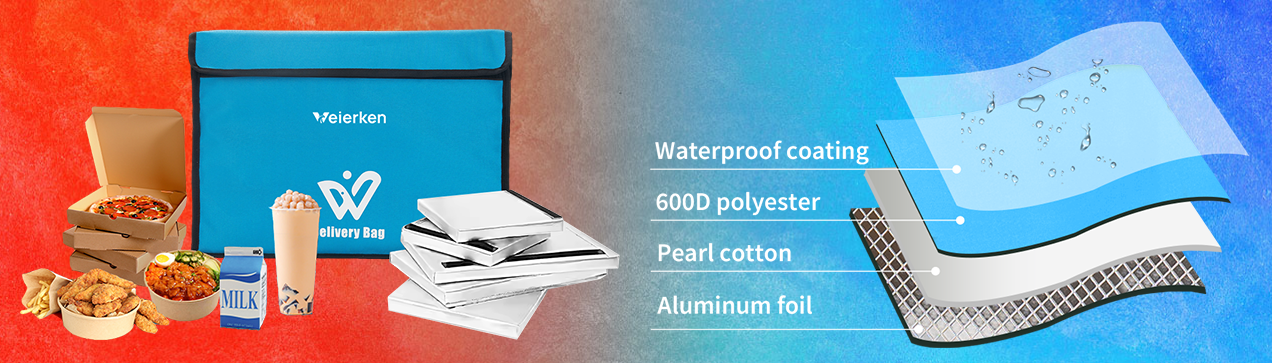
High-Frequency (HF) Welding Bays: Seamless, leakproof interior liners cannot be sewn. They must be fused using high-frequency RF welders that melt thermoplastic polyurethane (TPU) or PEVA into a solid, waterproof basin.
Programmable Pattern Stitching Machines: Heavy load-bearing joints, such as shoulder straps and side handle bases, demand automated box-X and bar-tack stitching patterns with strict stitch-per-inch (SPI) controls.
Factory Compliance and Scale
A legitimate bulk beverage carrier manufacturer operates under formal quality management frameworks. Demand recent audit reports for ISO 9001 quality management, along with Sedex (SMETA) or BSCI social compliance certifications. Verify that the supplier maintains an active production capacity of at least 80,000 to 100,000 drink carriers per month to absorb seasonal delivery peaks without outsourcing your order to unauthorized third parties.
Rule 2: Mandate Physical Stress and Thermal Decay Data
Brokers frequently submit pristine, hand-crafted "golden samples" built by sample masters. Once mass production starts, material substitutions occur. To prevent field failures, write explicit performance validation protocols into your purchase contract.
The 1.2-Meter Dynamic Drop Test
A standard 6-cup carrier carrying full large-format drinks holds roughly 3 to 4 kilograms of shifting liquid weight. Demand that your commercial drink carrier bag supplier run loaded dynamic drop testing on pre-production runs:
Fill the internal compartments to full capacity using liquid-filled cups sealed with standard lids.
Drop the loaded bag from a height of 1.2 meters onto a hard concrete surface at four distinct angles: flat bottom, side panel, top lid, and corner edge.
The internal dividers must remain locked in place, the base board must not fracture, and the exterior shell seams must show zero thread separation.
Thermal Decay Curve Reporting
Do not accept vague claims like "keeps drinks cold for hours." Professional food-grade drink carrier sourcing requires calibrated time-series data. Insist that the factory test samples inside a controlled environmental chamber using calibrated digital temperature loggers.
In a standard 25°C ambient environment, your product specification should demand cold drink retention below 5°C for at least 3 to 4 hours, and hot beverage retention above 60°C for at least 2.5 hours. Review the thermal decay curve graph before authorizing fabric cutting.
The 24-Hour Hydrostatic Watertightness Test
Spills happen during transit. If the interior liner has pinprick stitching punctures, sugary liquids drain into the inner open-cell or closed-cell foam. Trapped liquids rot, generate foul bacterial odors, and destroy the insulation. Require a 24-hour static water-fill test: fill the inner welded tub with 50mm of standing water. The bag must exhibit zero leaks, sweating, or base seepage.
Rule 3: Evaluate Collapsible Engineering to Minimize Ocean Freight
Drink carriers are lightweight but bulky. If you ship rigid, pre-assembled boxes across ocean trade lanes, your logistics costs will erode your profit margins. You end up paying thousands of dollars simply to ship empty air.
Flat-Pack Structural Engineering
A knowledgeable commercial drink carrier bag supplier employs in-house structural packaging engineers. They design carriers that collapse completely flat without creasing or weakening the internal stiffeners. Look for these specific design elements:
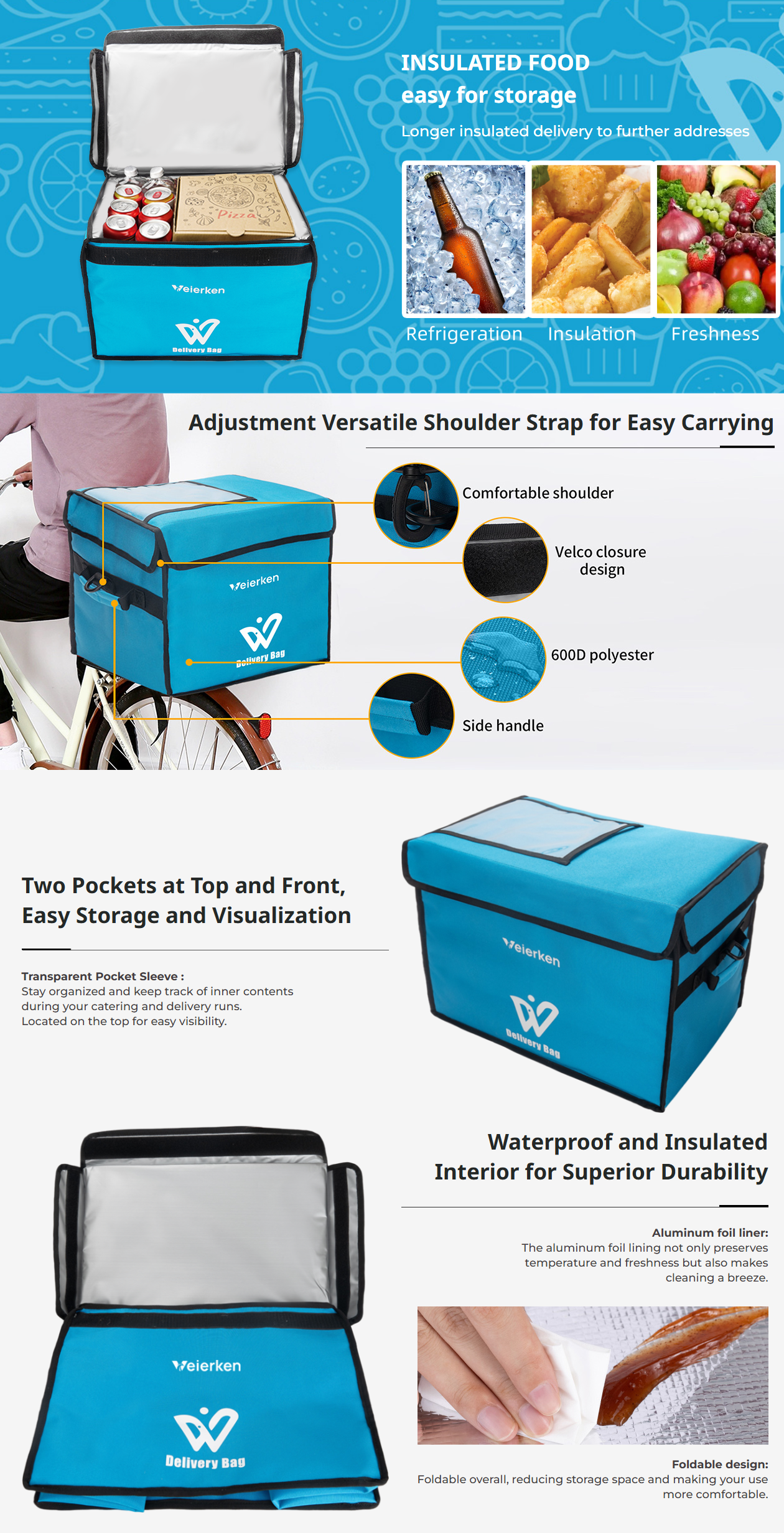
Fold-Line Indentations on Base Boards: Engineered hinge points across the composite base panel allow the floor to fold flush against the rear wall.
Detachable Honeycomb Dividers: Modular divider panels should detach rapidly and lie flat along the base of the master carton.
Flexible Perimeter Foam Profiles: Using memory-retention EPE or EVA foam allows the bag walls to compress flat during shipping and pop back into a square profile upon unboxing.
CBM Calculations and Container Loadability
Before confirming tooling or production, ask the factory for a detailed Container Loadability Plan. Compare the volume metrics for flat-packed units versus semi-assembled units.
Collapsible flat-pack engineering can cut outer carton volume (CBM) by 40% to 60%. Packing 4,000 collapsed carriers into a 40HQ container instead of 1,800 semi-rigid units cuts your ocean freight per unit in half. This optimization protects your landed cost against volatile international shipping rates.
Rule 4: Mandate Traceable Food-Contact Material (FCM) Compliance
Drink carrier linings sit near beverage cups, sip lids, and open straws. Low-cost workshops often use scrap plastics or industrial-grade recycled vinyl containing volatile organic compounds (VOCs). These materials emit harsh chemical smells that alter the flavor profile of delicate teas and coffees.
Direct manufacturers like Weierken solve this problem by sourcing only virgin, traceable food-grade raw materials for internal cavities. Enterprise buyers must verify chemical compliance documents before signing off on material lots.
International Regulatory Standards
Instruct your direct insulated bag factory to provide valid third-party test reports (from agencies such as SGS, TÜV, or Intertek) verifying compliance with:
FDA 21 CFR 177.1520 / 175.300: Verifies that inner plastic films, foil laminates, and coatings do not leach harmful chemicals under repeated food-contact conditions.
EU Regulation (EU) No 10/2011 & LFGB: Rigorous European standards testing overall migration limits (OML) and specific migration limits (SML) of heavy metals and plasticizers.
REACH Annex XVII: Confirms the absence of hazardous phthalates, azodyes, and organotin compounds within the exterior 900D/1680D fabrics, internal foams, and hook-and-loop fasteners.
Odor-Chamber Testing and Color Fastness
In addition to chemical screenings, require a standardized sensory odor test. Fabric samples are stored inside a sealed 60°C chamber for 24 hours to accelerate chemical off-gassing. Linings scoring above Grade 2 on standard odor sensory scales must be rejected. The exterior shell must also pass wet and dry rub-fastness testing to ensure that inks and surface dyes do not transfer onto courier clothing during rainstorms.
Rule 5: Secure Tooling Ownership and Agile Scalability Terms
Custom drink carriers frequently require specialized tooling: custom cutting dies, high-frequency copper welding molds for specific cup diameters, and injection molds for bespoke shoulder strap buckles or rubber base feet. Sourcing through trading intermediaries leaves your intellectual property vulnerable.
Tooling Rights and Mold Protection
When you pay for custom development under a custom drink delivery bags OEM arrangement, ensure your procurement agreement includes clear tooling clauses:
Buyer Intellectual Property: All custom dies, embossing rollers, and plastic molds paid for by the buyer remain the exclusive intellectual property of the buyer.
Exclusivity Guarantees: The supplier must agree in writing never to use your proprietary divider layouts or branded molds to fulfill orders for other clients.
Tooling Return Provisions: The contract should state that molds and tooling jigs will be transferred to your designated representative upon written notice.
Tiered MOQs and Buffer Capacity
Consumer beverage demand swings wildly based on weather, seasonal promotional launches, and marketing campaigns. A rigid commercial drink carrier bag supplier that only accepts massive, inflexible production runs can stall your rollouts.
Negotiate tiered Minimum Order Quantity (MOQ) structures. For instance, establish an annual framework agreement with an initial run of 1,000 to 2,000 units, backed by an agreement where the factory stocks pre-cut fabrics and hardware to produce quick-response buffer batches of 500 units within a 15-day turnaround.
Direct Sourcing Verification Matrix
Use this evaluation matrix to score prospective suppliers during your next bidding round:
Factory Directness: Does the vendor operate the facility, or are they a middleman collecting an export commission?
Technical Machinery: Are automated CNC cutters and high-frequency RF welders present and operating on the assembly line?
Structural Rigidity: Do the cup dividers utilize high-density closed-cell EVA or rigid PP honeycomb cores instead of cheap, soft sponge?
Leakproof Cavity: Is the inner liner completely fused with heat welds rather than needle-punctured seams?
Shipping Footprint: Does the carrier design fold flat to maximize carton loadability and lower ocean freight per unit?
Chemical Traceability: Can the supplier present current FDA, LFGB, or REACH safety test certificates from accredited labs?
Frequently Asked Questions
Q1: How do I tell if a drink carrier supplier is an actual factory or a middleman?
A1: Ask for a live, unannounced video tour showing the raw material warehouse, CNC cutting floor, and high-frequency welding machines in operation. Check their business registration and tax certificates to verify their registered industrial classification. Trading companies typically register under commercial services rather than direct industrial manufacturing.
Q2: What is the optimal foam density for drink insulation panels?
A2: Professional commercial drink delivery bags rely on high-density Expanded Polyethylene (EPE) or cross-linked Polyethylene (PEF) foam with a thickness between 8mm and 10mm, paired with 70D to 80D EVA cores for load-bearing dividers. Soft open-cell polyurethane sponge absorbs water and collapses easily, making it unsuitable for commercial beverage logistics.
Q3: How much freight can flat-pack collapsible engineering save on a 40HQ container?
A3: Flat-pack designs reduce shipping volume by 40% to 60% compared to rigid, pre-assembled bags. An optimized flat-pack layout can increase the volume of carriers loaded into a 40HQ ocean container from roughly 1,800 units to well over 4,000 units, slashing international freight costs per bag in half.
Q4: What certifications are mandatory for food-grade drink carrier sourcing in the EU and US?
A4: For the US market, internal food-contact materials must comply with FDA 21 CFR standards. For the European market, materials must comply with EU Framework Regulation (EC) No 1935/2004, (EU) No 10/2011, and German LFGB standards. Both markets require strict REACH SVHC chemical safety limits on outer fabrics and trims.
Q5: Who owns the tooling when I pay for custom cup divider molds?
A5: You must own the tooling outright. Always include an intellectual property and tooling ownership clause in your OEM agreement stating that all dies, molds, and patterns funded by your business remain your sole property and cannot be used for third-party commercial production.
Q6: What is the standard production lead time for an OEM commercial drink carrier order?
A6: A professional direct factory generally completes initial prototyping and engineering design within 7 to 10 working days. Mass production of 1,000 to 5,000 units typically takes 25 to 35 calendar days following golden sample sign-off and raw material lab verifications.
Secure Factory-Direct Manufacturing for Your Fleet
Cutting out intermediaries lowers unit costs, eliminates quality drift, and protects your operational timelines. A true commercial drink carrier bag supplier builds hardware capable of surviving thousands of motorcycle trips while keeping iced teas cold, coffees hot, and lid seals intact.
Weierken manufactures industrial delivery equipment, insulated beverage carriers, and heavy-duty courier backpacks for international delivery fleets, food platforms, and restaurant brands. Our production operations feature digital cutting tables, dedicated high-frequency welding lines, and rigorous in-house drop and thermal testing labs.
Take the risk out of your beverage logistics supply chain. Submit your cup dimensions, target volumes, and delivery criteria to Weierken today to receive engineering drawings, test documentation, and a direct factory quotation within 24 hours.