

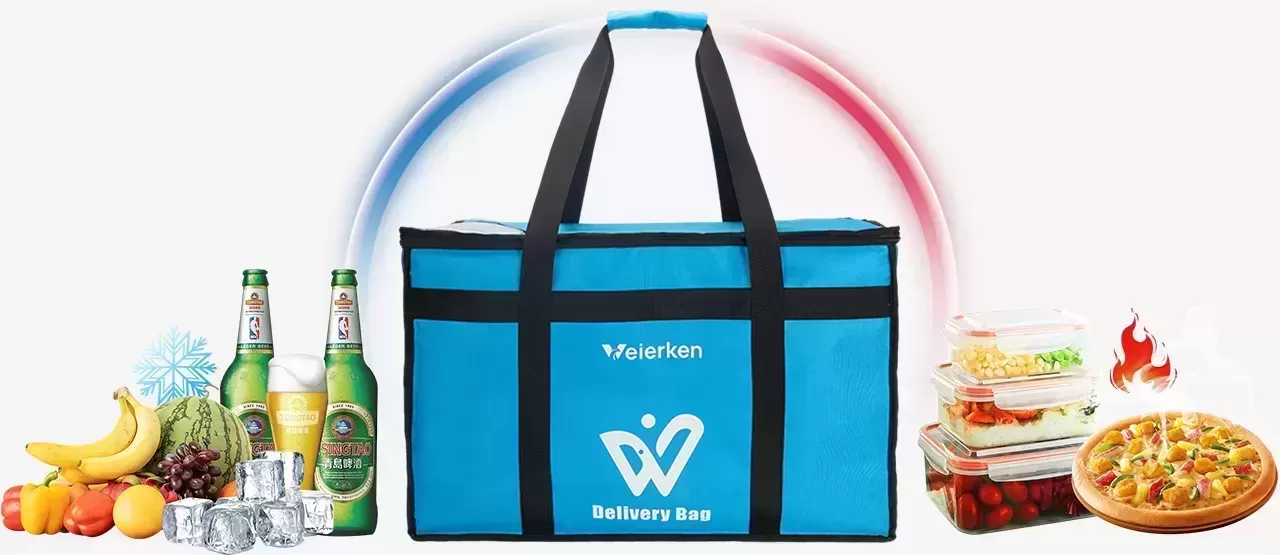
Drink delivery presents harsh physical challenges. A single spilled cup of specialty coffee or bubble tea ruins an entire order, triggers customer refunds, and degrades brand reputation. For couriers navigating potholes, sudden stops, and multi-floor staircases, standard food delivery bags simply do not work.
Delivery fleets frequently replace low-grade bags every few months. Flimsy dividers buckle, stitched seams leak fluids into the foam insulation, and cheap zippers burst during peak hours. Working with a dedicated multi-cup delivery bag OEM like Weierken helps logistics directors and restaurant chains engineer out these points of failure before mass production starts.
When sourcing commercial drink carriers at scale, procurement managers must look past surface aesthetics. You need rigorous structural, thermal, and material specifications. Below are four non-negotiable manufacturing benchmarks required to build a dependable, fleet-grade beverage carrier.
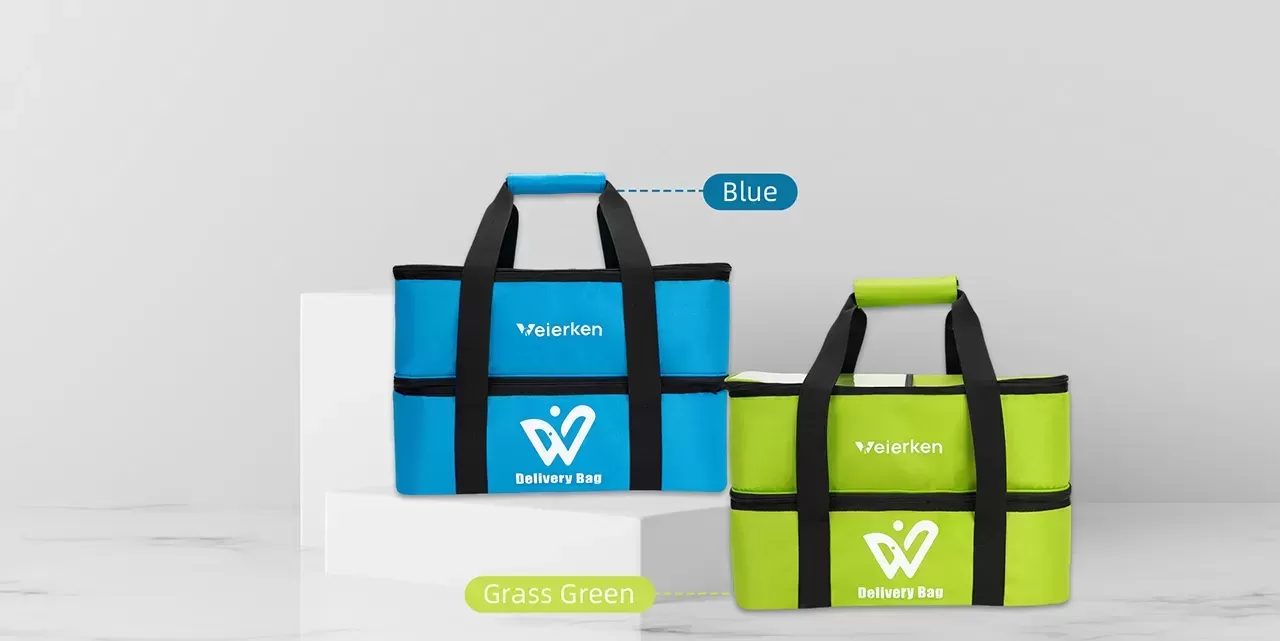
1. Anti-Spill Structural Engineering and Modular Dividers
Carrying four to eight tall beverages creates a high center of gravity. Liquid sloshes inside cups, generating dynamic momentum with every turn and stop. A reliable multi-cup delivery bag OEM must treat stability as a structural engineering problem rather than an afterthought.
Rigid Modular Divider Systems
Low-cost suppliers often use thin open-cell foam covered with polyester for internal partitions. This material crushes easily under lateral pressure, allowing cups to tilt. Professional commercial beverage carriers require rigid structural cores inside the dividers:
High-Density EVA Foam: Closed-cell EVA foam (70D to 80D hardness) absorbs road vibrations without collapsing sideways.
Polypropylene (PP) Honeycomb Panels: Encasing lightweight PP honeycomb boards within dividers provides vertical rigidity that resists the weight of adjacent packages.
Industrial Hook-and-Loop Fasteners: Wide hook-and-loop tracks (at least 50mm) sewn directly to the interior walls let couriers adjust compartments between 4-cup, 6-cup, and 8-cup layouts without divider slippage.
Reinforced Composite Base Plates
When couriers carry several liters of liquid, the bottom of a poorly constructed bag bows downward. This sag angles every cup inward or outward, breaking lid seals. A qualified custom insulated beverage carrier manufacturer installs a double-layer composite base plate.
This base typically pairs an engineered PP hollow sheet with high-resilience foam. It stays completely flat under dynamic weights exceeding 10 kilograms. The flat base keeps every beverage cup perpendicular to the road surface, regardless of external movement.
Elastic Retention Rings
Beverage cup diameters vary widely. An espresso cup measures around 70mm, while standard cold brew and boba cups measure 90mm to 98mm. Professional OEM bags feature heavy-gauge elastic retention loops above each slot.
These elastic bands grip the cup body below the lid flange. This secondary restraint prevents cups from leaping out of their compartments when a delivery scooter hits a speed bump.
2. Thermal Insulation and Seamless Leakproof Interiors
Maintaining temperature is essential for beverage quality. Iced drinks melt into watery syrups, and hot coffees arrive lukewarm if the thermal barrier fails. Worse, spilled dairy or sugary tea creates severe hygiene hazards if it seeps into internal padding.
Multi-Layer Thermal Lamination
A high-performance bulk cup delivery backpack relies on a balanced thermal sandwich. Each layer performs a specific thermodynamic task:
Radiant Barrier: The innermost layer uses food-grade aluminum foil or silver reflective TPU film to bounce radiant heat back toward hot drinks or away from cold drinks.
Thermal Decoupling Core: An insulation core of 8mm to 10mm high-density expanded polyethylene (EPE) or cross-linked polyethylene (PEF) foam slows conductive heat transfer.
Exterior Shield: Dense woven fabric blocks ambient wind and humidity from sapping interior thermal energy.
In standard factory testing at 25°C ambient room temperature, this composite construction keeps cold beverages under 5°C for up to 4 hours. It also keeps hot drinks above 60°C for 2.5 to 3 hours without active heating elements.
Seamless High-Frequency Heat-Sealing
Traditional needle stitching inside an insulated bag creates thousands of microscopic holes. When a beverage leaks, sugary liquid drains through these stitch lines into the internal foam core. Once inside, the trapped moisture breeds mold, creates foul odors, and destroys thermal performance.
A capable food-grade delivery bag factory uses high-frequency (HF) or ultrasonic welding to fuse the inner TPU or PEVA liner. This process creates a 100% seamless, leakproof interior well. If a cup pops its lid, the liquid pools safely in the welded base tub. Couriers can wipe it clean or wash the interior out with water without soaking the internal insulation.
3. Heavy-Duty Shell Fabrics and Industrial Hardware
Commercial delivery bags undergo severe physical punishment. Couriers slide them across concrete, cram them into scooter racks, and haul them through driving rain. Sourcing from a generic bag supplier often results in shredded fabric and split zippers within weeks.
Contracting with an experienced multi-cup delivery bag OEM ensures your product uses fleet-grade raw materials designed for high abrasion resistance.
Abrasion-Resistant Outer Shells
The exterior material must withstand daily scrapes and UV degradation. OEM factories typically utilize two primary material grades:
900D to 1680D Ballistic Oxford: Woven polyester or nylon with a heavy polyurethane (PU) backing offers superior tear strength, breathability, and professional aesthetics for urban couriers.
0.55mm Commercial PVC Tarpaulin: For humid, rainy regions, PVC knife-coated tarpaulin delivers complete waterproof protection, grease resistance, and simple wipe-down maintenance.
Stress-Point Reinforcements
The connection points where shoulder straps and carry handles meet the bag body endure massive shear stress. Standard straight-line stitching rips under load. OEM production facilities use automated bar-tack sewing machines to place dense, concentrated thread grids across all critical stress joints.
These joints feature heavy box-X stitching paired with internal webbing reinforcements. A durable multi-cup delivery bag OEM tests these anchor points by dropping a 15-kilogram load from a height of one meter across hundreds of cycles to verify seam integrity.
Industrial-Grade Fasteners and Zippers
Zippers fail more often than any other component on a delivery bag. A broken zipper takes the entire bag out of service immediately. High-capacity beverage backpacks require genuine YKK or heavy SBS water-repellent zippers (size #8 or #10).
These industrial zippers have large, self-lubricating teeth that resist snagging and jamming. They feature TPU-laminated tape that stops rainwater from driving through the zipper track during storms. At production facilities like Weierken, these zipper assemblies pass 10,000-cycle continuous pull tests before assembly approval.
4. Food-Contact Compliance and Fleet Brand Customization
A delivery bag functions as both a piece of logistics hardware and a visible brand touchpoint. If the bag looks messy or smells like cheap petroleum chemicals, it reflects poorly on the food brand. A qualified multi-cup delivery bag OEM aligns factory output with both regional health laws and corporate brand identities.
Food Safety and Non-Toxic Certifications
The interior lining sits right next to consumable food and drinks. Low-grade recycled plastics off-gas volatile organic compounds (VOCs). These chemical fumes can penetrate plastic cup lids and alter the taste of coffee or tea.
Procurement teams must demand verification that all internal materials comply with international safety regulations:
FDA / LFGB Standards: Validates that plastics and coatings do not leach harmful toxins through contact or moisture condensation.
REACH & RoHS Compliance: Confirms the absence of heavy metals, phthalates, and harmful plasticizers within the fabrics, foams, and trims.
Odor-Free Testing: Raw materials undergo chamber degassing before lamination to ensure zero chemical smells inside the finished bag.
Rider Safety and Hardware Integration
Fleet safety directly affects delivery operations and insurance overhead. OEM production runs should incorporate wide, high-visibility 3M reflective strips along the front, sides, and shoulder straps. This gives scooter riders 360-degree visibility during evening shifts and rainy weather.
Modern fleets also use telematics to track operations. Commercial bag makers can integrate hidden, weather-sealed interior pockets specifically designed for GPS tags or IoT temperature loggers. This lets managers track bag locations and monitor cold-chain compliance in real time.
Brand Consistency and Color Matching
Logistics fleets rely on distinct corporate colors to stand out on city streets. Professional OEM manufacturers maintain tight color accuracy through direct Pantone Matching System (PMS) dye formulations. They also use screen printing, high-frequency embossing, or heat-press transfers formulated with anti-cracking elastomeric inks to keep brand logos sharp through months of sunlight and rain.
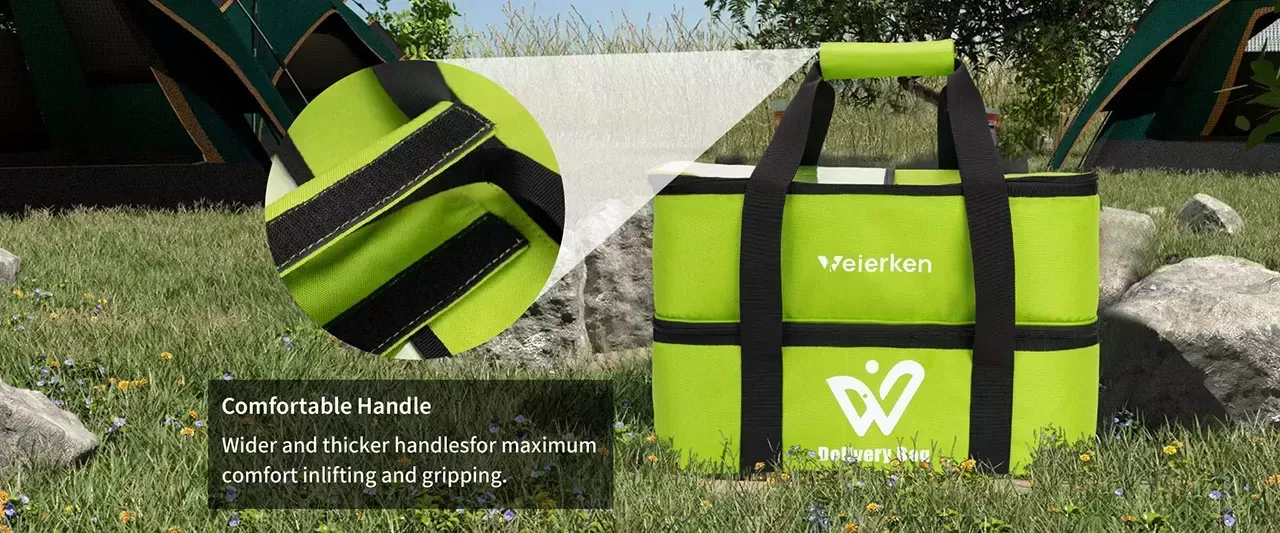
Commercial OEM Sourcing Verification Checklist
Before releasing a purchase order to a commercial drink delivery bag manufacturer, verify their production capabilities against this operational checklist:
Dividers: Are they reinforced with rigid EVA or PP hollow cores rather than soft open-cell sponge?
Floor Plate: Is there a solid, composite bottom panel that prevents base sagging under a 10kg load?
Seam Welding: Does the factory utilize high-frequency heat-sealing for the inner liner to create a truly leakproof cavity?
Hardware: Are all zippers industrial-grade #8 or #10 models from verified suppliers like YKK or SBS?
Seam Reinforcement: Are all handle and shoulder strap stress points secured with heavy bar-tack stitching?
Compliance Documentation: Can the manufacturer provide current FDA, LFGB, or REACH lab test reports for the lining material?
Frequently Asked Questions
Q1: What is the ideal cup capacity for a commercial drink delivery backpack?
A1: The most common operational standard is a 6-cup system with adjustable dividers. This layout accommodates small 2-cup drops while providing enough stability to scale up to 6 or 8 cups for large office orders. The bag should include removable dividers so drivers can reconfigure the cavity for combined food container and beverage drops.
Q2: Why is heat-sealed lining superior to stitched lining in a multi-cup delivery bag OEM project?
A2: Stitched linings pierce the waterproof fabric, creating small pathways for spilled liquids to reach the inner insulation. Once milk, tea, or soda enters the insulation layer, it cannot be cleaned out, causing bacterial growth, bad odors, and rot. High-frequency heat-sealed linings create a solid, watertight tub that completely blocks liquid penetration and allows easy sanitation.
Q3: What minimum order quantity (MOQ) should B2B buyers expect from a food-grade delivery bag factory?
A3: Standard OEM production runs typically start at 500 to 1,000 units. This volume allows factories to custom-dye exterior fabrics to exact corporate Pantone shades, set up custom high-frequency welding tooling, and run automated logo printing lines efficiently. Some suppliers offer smaller sample runs of 100 to 200 units using standard in-stock fabric colors.
Q4: How do commercial delivery bags handle different cup sizes simultaneously?
A4: Commercial bags use adjustable hook-and-loop divider panels combined with flexible elastic retention loops above each slot. The dividers adjust horizontally to fit wide cold drink cups, while the elastic loops secure the cup rims to keep narrow cups upright and steady during transit.
Q5: How can fleet managers evaluate thermal performance before placing bulk orders?
A5: Request pre-production golden samples and run controlled data-logger tests. Place calibrated digital temperature sensors inside hot and cold drink containers, load them into the bag, and monitor temperature changes across a four-hour window in your target operating environment. A commercial-grade bag should keep cold drinks below 5°C and hot items above 60°C for hours.
Q6: Can OEM manufacturers embed IoT and GPS tracking devices into the bag structure?
A6: Yes. Experienced manufacturers can build dedicated, padded pockets inside the bag lining to house GPS trackers, Bluetooth beacons, or temperature sensors. These compartments keep sensitive electronics protected from weather, spills, and courier tampering.
Build Better Beverage Delivery Fleets
Sourcing fleet equipment through an unqualified supplier leads to spilled drinks, unhappy customers, and repeated replacement costs. High-performing food delivery networks rely on proven manufacturing standards: rigid modular dividers, leakproof heat-sealed interiors, heavy-duty Oxford or PVC fabrics, and verified food-safe materials.
Weierken provides turnkey OEM and ODM manufacturing services for commercial delivery bags, insulated beverage carriers, and fleet backpacks. Our production lines use precision automated cutting, high-frequency welding bays, and comprehensive stress-testing labs to build durable carriers for delivery platforms and restaurant chains worldwide.
Protect your beverage cargo, lower fleet repair costs, and safeguard your brand on every route. Contact the engineering team at Weierken today to discuss your technical specifications or request a prototype quote.