For a bike saddle bag distributor, understanding the detailed breakdown of product costs is fundamental. It goes beyond simply comparing unit prices. True profitability and market competitiveness come from knowing what drives these costs and how to manage them smartly. This analysis will walk you through the five primary factors that determine the price of a bike saddle bag and provide a practical guide for budget planning. Whether you’re evaluating a new supplier like weierken or negotiating with existing partners, this knowledge is crucial.

1. Material Costs: Balancing Weight and Functionality
The choice of materials is where the core cost and performance equation is decided. A bike saddle bag distributor must navigate the trade-offs between durability, weight, weather protection, and price.
- Main Fabrics: Standard high-denier nylon (like 210D or 420D) offers good strength at a reasonable cost. Moving to branded fabrics like Cordura increases abrasion resistance and price. For the premium segment, ultralight materials such as silicone-coated X-Pac or Dyneema® Composite Fabrics (DCF) can cut weight dramatically, but their cost can be three to five times higher than standard nylon.
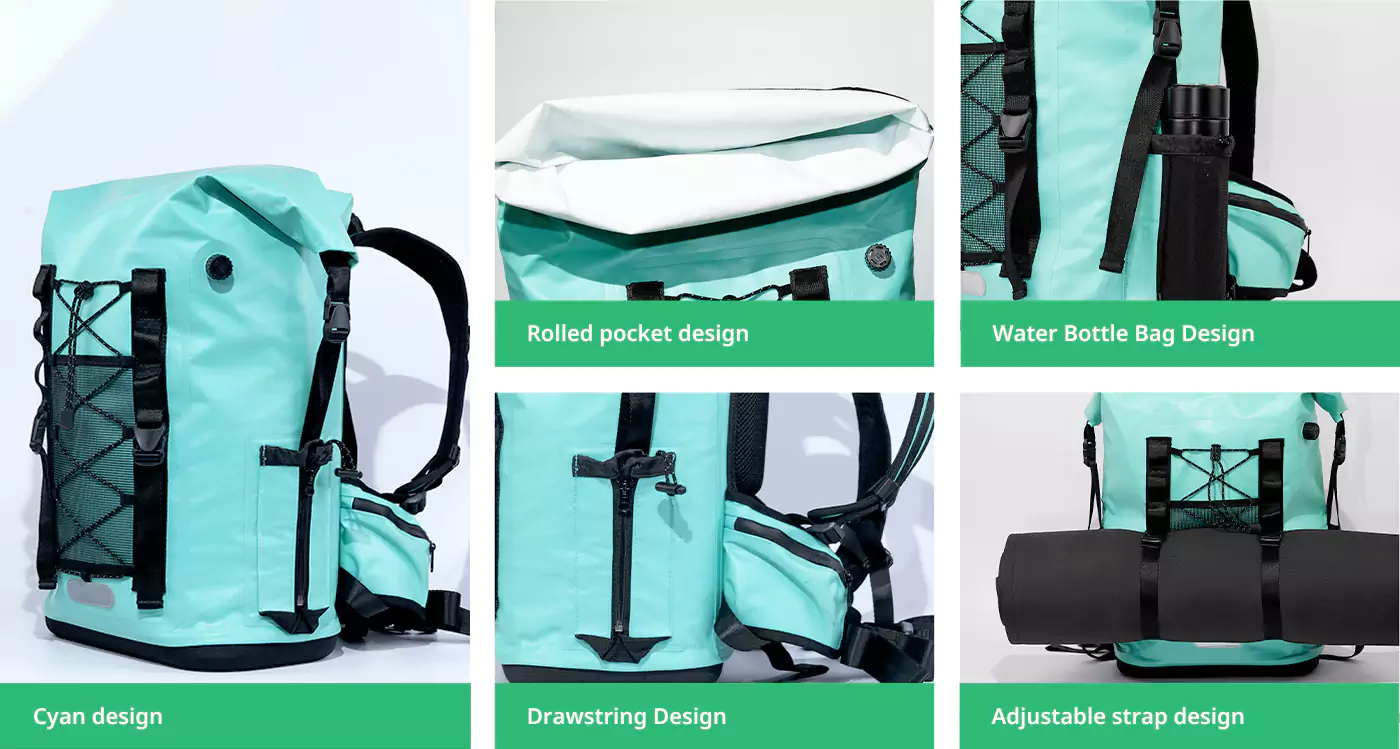
- Waterproofing Components: This is a major differentiator. A waterproof coil zipper with a laminated backing (e.g., AquaGuard®) is significantly more expensive than a standard zipper. Furthermore, the process of seam sealing—using high-frequency welding or waterproof tape—adds both material and labor costs.
- Internal Organization: Features like elastic tool loops, soft-lined compartments to protect frames, or lightweight internal stiffeners add to the Bill of Materials (BOM). Each extra piece of webbing, hook-and-loop panel, or plastic insert contributes to the final cost.
2. Design and Tooling Costs: The Initial Investment
The unique, often curved shape of a saddle bag requires substantial upfront investment. For a bike saddle bag distributor, these are typically amortized over the production order.
- 3D Pattern Development: Creating a bag that fits snugly under a saddle, avoids heel strike, and maintains an aerodynamic profile requires sophisticated 3D design and multiple prototype rounds. This R&D phase is a key cost driver.
- Specialized Tooling: Custom cutting dies for curved panels, molds for any internal plastic supports or buckles, and specialized fixtures for assembly represent one-time tooling costs. The order quantity directly impacts how much this cost adds to each unit.
- Ergonomic Testing: Rigorous testing of the attachment system—straps, buckles, and mounts—is essential to ensure no slippage or noise during rides. This validation process, often involving real-world testing, adds to the development timeline and cost.
3. Production and Assembly Complexity
The complexity of assembling a small, feature-packed bag has a direct impact on labor costs, a point every professional cycling accessories distributor should scrutinize.
- Precision Sewing: Sewing multiple layers of fabric, webbing, and hardware in a confined space demands skilled labor. Complex seams and reinforcements take more time, increasing the assembly cost.
- Waterproofing Processes: Steps like roll-hemming edges, meticulous seam sealing, and installing waterproof zipper garages are additional, labor-intensive stages that ensure quality but add cost.
- Component Integration: Adding integrated reflectors, rear light loops, or quick-release mechanisms means sourcing more parts and incorporating extra assembly steps.
4. Order Volume and Supply Chain Efficiency
Scale and logistics are fundamental economics. Your position as a reliable bike accessory distributor can be strengthened by smart planning in this area.
- Minimum Order Quantity (MOQ): Due to design and tooling costs, factories set MOQs. A lower MOQ results in a higher cost per unit, as fixed costs are spread over fewer items. Larger orders bring the unit cost down significantly.
- Supply Chain Geography: While China offers a mature supply chain and competitive costs for technical textiles, regions like Southeast Asia may present alternatives with different tariff or labor cost structures. The choice affects lead times and landed cost.
- Logistics and Packaging: Saddle bags require protective packaging to prevent deformation during shipping. The choice between sea freight (cost-effective but slow) and air freight (fast but expensive) must align with your inventory strategy.
5. Compliance, Testing, and Certification Costs
Ensuring product safety, durability, and market access involves unavoidable costs that protect both the distributor and the end-user.
- Durability Testing: Tests for UV resistance, colorfastness, salt spray corrosion (simulating sweat), and dynamic load cycling verify the product’s lifespan. These tests require investment in time and third-party lab fees.
- Chemical Compliance: Verifying that all materials meet standards like REACH or CPSIA is mandatory for key markets. This requires supplier documentation and sometimes independent verification.
- Industry Certifications: While not always mandatory, certifications or endorsements from recognized industry bodies can enhance marketability. The process of obtaining them is an additional cost.
Budget Planning Guide for Distributors
A strategic budget goes beyond unit price. Here’s a framework to build one.
- Define Your Product Tier: Clearly decide if you are sourcing an entry-level, enthusiast, or race-oriented product. This sets the boundary for material and feature choices.
- Separate One-Time and Unit Costs: Always get a clear breakdown. Itemize costs for tooling and design separately. Calculate what they add to the unit cost based on your projected total order volume over time.
- Apply Value Engineering: Work with your supplier to identify cost-saving opportunities that don’t hurt core performance. For instance, could a standard fabric be used on a non-critical panel? A partner like weierken can often provide valuable insights here, leveraging their experience in design-for-manufacturing.
- Request Tiered Pricing: Always get quotes for multiple order quantities (e.g., 500, 2,000, 5,000 units). This shows you the cost reduction curve and helps plan inventory purchases.
- Allocate for Quality Assurance: Dedicate 3-5% of your total order value to cover pre-shipment inspections, sample testing, and necessary certifications. This minimizes the risk of costly quality failures.
Frequently Asked Questions for Distributors
Q1: What is a typical MOQ for a custom bike saddle bag design?
MOQs vary greatly by factory and complexity. For a new custom design, expect MOQs between 500 to 2,000 pieces. Standard designs or stock modifications may have lower MOQs.
Q2: Where can we save costs without making the product look cheap?
Focus on value engineering inside the bag (simpler organizers), on the backside (non-visible fabrics), or by standardizing hardware (using common buckle types). The main exterior face and key features should retain quality.
Q3: How do I ensure waterproof claims are valid without expensive lab tests?
Require detailed material specs (e.g., zipper type, fabric hydrostatic head rating) from your supplier. Then, implement strict in-house water immersion tests on pre-shipment samples as a practical verification step.
Q4: Is it better to work with a specialized bag factory or a general soft goods manufacturer?
For technical cycling products, a specialized factory brings valuable expertise in materials, ergonomics, and cycling-specific requirements, which usually leads to a better final product and fewer development issues.
Q5: What are the key documents to request from a potential supplier like weierken?
Essential documents include a detailed cost breakdown (BOM), material safety datasheets or compliance certificates (REACH, etc.), a sample testing report, and clear terms for tooling ownership and warranty.
Understanding these cost factors empowers you to make informed decisions, negotiate effectively, and build a sustainable supply chain. A transparent and knowledgeable partnership between a bike saddle bag distributor and their manufacturer is key to bringing successful products to market.
Ready to discuss your next saddle bag project with a supplier who understands these complexities? Contact us today for a detailed quotation and see how we can help you optimize costs for your target market.