

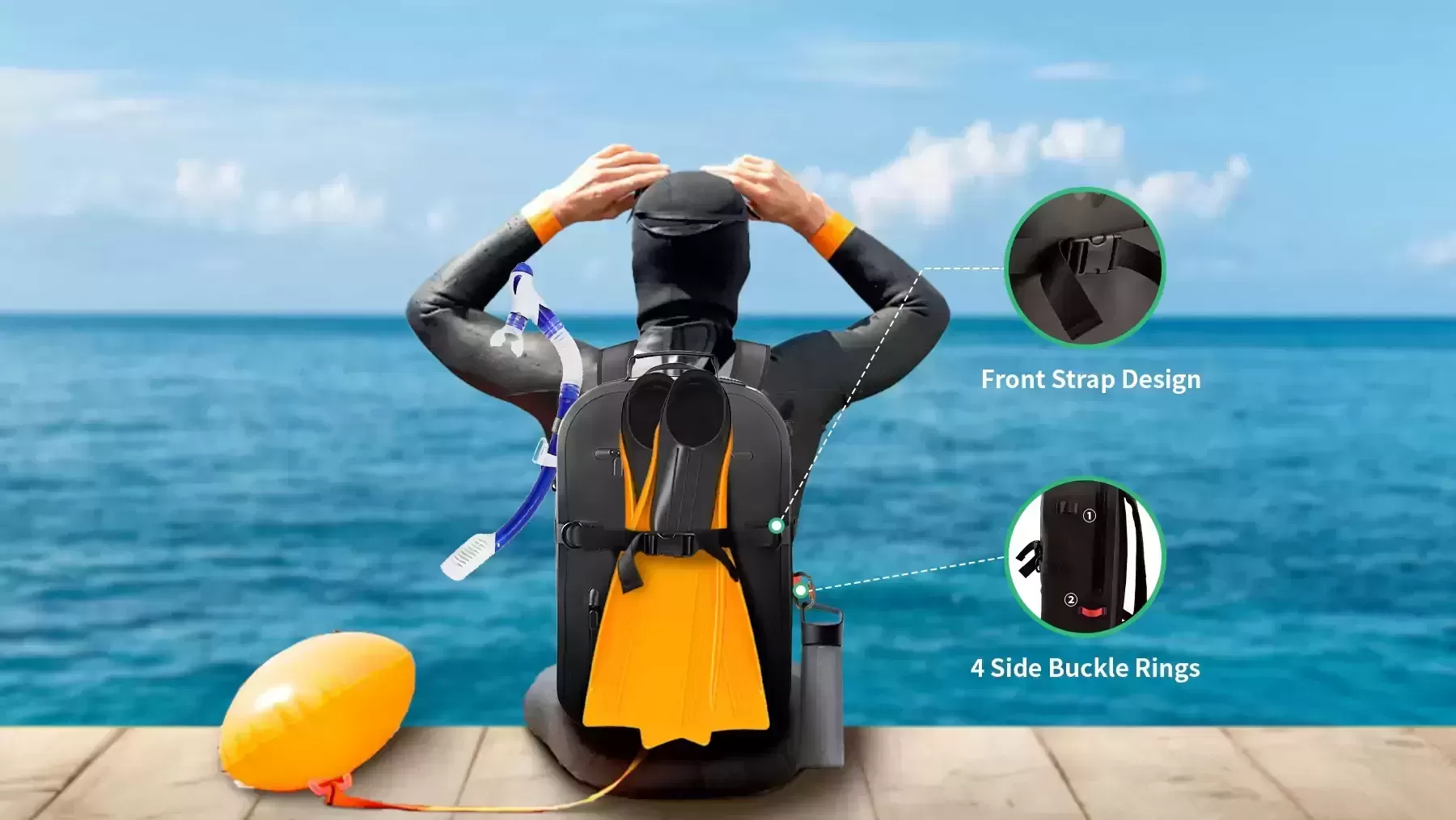
For outdoor brands and retailers, large mesh beach bags, waterproof dry utility packs, and oversized family totes are reliable summer sellers. However, rising container shipping rates and overseas warehousing fees can quickly erode your retail margins. Many buyers focus entirely on the unit manufacturing cost while overlooking how much they spend on shipping empty air.
Because beach sports bags are primarily soft-sided, they offer great opportunities for packaging optimization. Working with a smart beach sport bag maker like Weierken can help you redesign your packaging to save up to 20% to 30% on overall logistics and warehouse storage costs.
This guide explains how to optimize product folding, choose cost-effective materials, structure master cartons, and pre-label goods right on the factory floor to protect your bottom line.
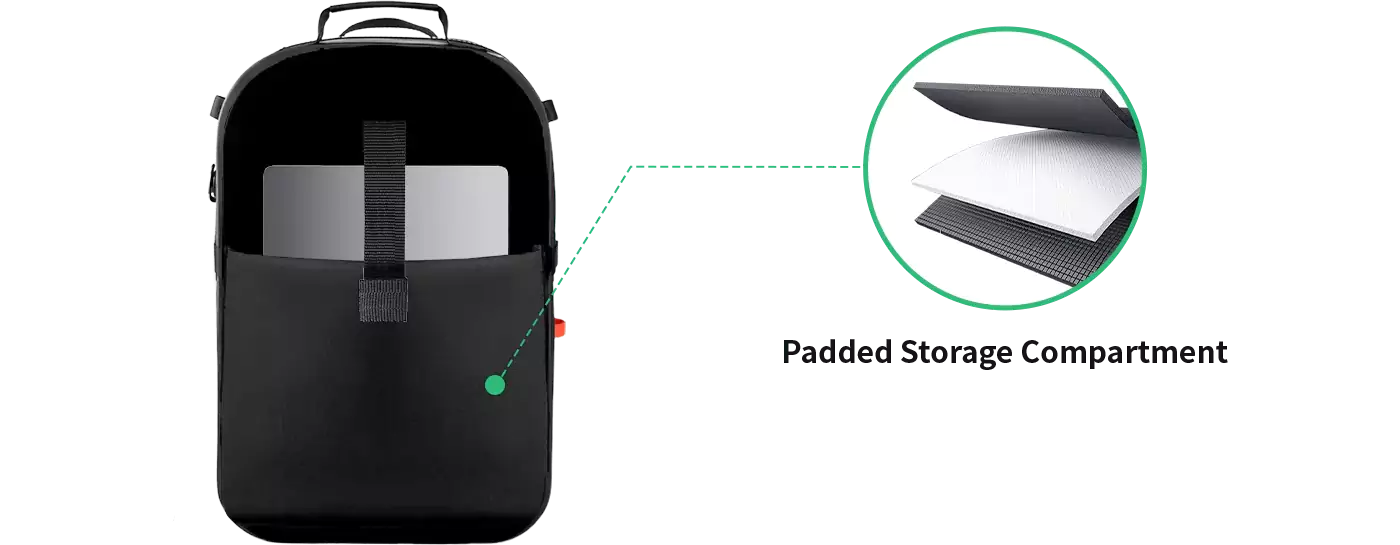
1. Minimizing Product Volume Through Folding and Compression
The main challenge with shipping beach gear is bulkiness. Mesh tote bags, heavy canvas, and structured sports gear take up significant volume if packed loosely. A experienced beach sport bag maker must use smart packing methods to maximize container utilization.
Standardized Folding and Rolling Techniques
Most mesh beach bags can fold flat or roll tightly without damage. Instead of simply laying bags flat in a box—which leaves empty pockets of air—our production lines test different folding patterns to find the most compact layout.
The Tri-Fold Method: Folding the outer edges inward and then folding the bag in half keeps the overall thickness uniform.
Roll and Strap: Some canvas beach bags roll into a cylinder shape, secured by their own shoulder straps or a simple paper band. This method works well for retail displays too.
Lay-Flat Handle Placement: Heavy-duty plastic handles or shoulder straps must lie flat along the bag's body. If packed poorly, stiff handles can bend and ruin the bag's shape during transit.
Evaluating Vacuum Packaging for Bulky Items
For larger orders of thick canvas beach totes or bags with integrated foam padding, vacuum packaging can be a practical solution. Sealed plastic bags are compressed to remove air before boxing.
This method works best for soft, non-rigid fabrics. If you are sourcing mesh bags from a custom mesh sport bag factory, we recommend testing a small sample batch first. This ensures the mesh fabric does not retain permanent creases after several weeks of compression inside a shipping container.
2. Selecting Cost-Effective Inner Packaging Materials
Inner packaging protects your products from dust, humidity, and friction during transit. However, your choices here directly affect your material costs and how customs officials tax your products.
OPP/PE Self-Adhesive Bags vs. Eco-Friendly Options
For standard retail projects, simple OPP (Oriented Polypropylene) or PE (Polyethylene) self-adhesive polybags offer the best balance of cost and protection. They are clear, moisture-resistant, and cheap to produce.
However, many international markets now impose packaging taxes on virgin single-use plastics. To avoid these fees, ask your beach sport bag maker to supply alternative packaging materials.
GRS-Certified Recycled Polybags: These bags contain 50% to 100% post-consumer recycled plastic. They help you meet local compliance rules without a major jump in price.
PLA Biodegradable Bags: Made from plant-based starches, these bags break down naturally but cost more. They are ideal for premium, eco-conscious outdoor brands.
Kraft Paper Bands: For minimalist packaging, a simple recycled paper sleeve wrapped around a rolled beach bag eliminates plastic entirely and reduces material costs.
At Weierken, we help clients match their inner packaging choice to their target market's environmental rules, helping them avoid unexpected eco-taxes at customs.
Multi-Pack Bundling for Lower-Priced Items
If you sell smaller, high-volume products like quick-dry mesh toy bags, packing them individually can be expensive. Packaging labor and label costs can quickly add up.
Instead, consider bundling your products into sets of two or three inside a single outer polybag. This approach spreads the cost of the inner bag, barcode labels, and factory packing labor across multiple units, helping to improve your overall margin.
3. Optimizing Master Carton Dimensions for International Shipping
Shipping companies calculate freight costs using dimensional weight (volumetric weight) or actual weight—whichever is higher. If your master cartons are too large or poorly packed, you will end up paying premium rates to ship empty space.
Designing Around Carrier and FBA Weight Limits
A smart OEM beach tote manufacturer should design your master cartons by working backward from major carrier limits. This is particularly important if you sell through third-party logistics (3PL) providers or Amazon FBA.
Amazon FBA, for example, has strict rules for incoming shipments. Standard cartons must not exceed 50 lbs (22.6 kg) or measure more than 25 inches (63.5 cm) on any side. If your boxes exceed these limits, you face repackaging fees or refused shipments.
By adjusting your carton sizes to fit these dimensions, you ensure your cargo qualifies for standard shipping rates and passes through warehousing centers without delays.
Double-Wall Corrugated Cartons (5-Ply)
While lightweight, single-wall boxes are cheaper, they often collapse when stacked in container transit. Collapsed boxes can damage your products and cause delivery delays at customs.
We recommend using double-wall corrugated shipping boxes (5-ply). These provide the structural strength needed to protect soft beach gear from being crushed, keeping your merchandise safe without adding excessive dead weight to your shipment.
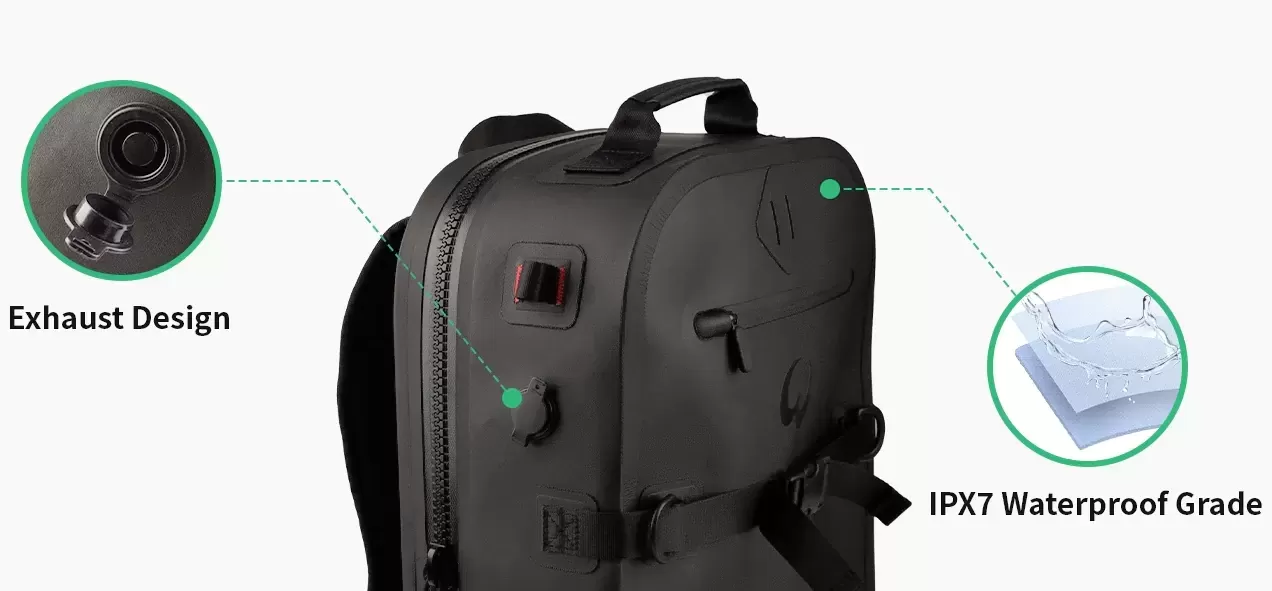
4. Shifting Retail Preparation to the Factory Floor
Handling labeling and retail assembly in destination warehouses (like those in the US, UK, or Europe) is expensive. Labor rates at these facilities can quickly eat into your profits. To keep costs down, have your beach sport bag maker complete these steps before shipping.
Using Minimalist Hangtags and Header Cards
Rigid, printed color boxes look great on retail shelves, but they are expensive, heavy, and easily crushed during sea transit. They also add significantly to the overall shipping volume.
For beach sports gear, simple paper hangtags or header cards are often a better choice. They display your brand and barcode clearly while allowing the product to fold flat, saving valuable space in your shipping containers.
Our design team at Weierken can help you create retail-ready paper hangtags that attach directly to the zippers or straps, giving you a clean look without the bulk of a cardboard box.
Factory-Level Pre-Labeling
Your factory partner should apply all necessary barcodes, regulatory labels, and carton markings directly on the assembly line. This preparation allows your products to go straight to warehouse shelves upon arrival.
FNSKU/UPC Barcodes: Applied directly to the individual product's polybag.
Suffocation Warnings: Printed clearly on all polybags with openings larger than five inches.
Carton Labels: Placed on two adjacent sides of each master carton, displaying weights, counts, and origin markings clearly.
Taking care of these details at the factory stage protects you from expensive 3PL repacking fees and helps speed up your inventory turnaround times.
5. Standard Packing Specifications: A Sourcing Checklist
Before confirming your production run, make sure to document all your packaging requirements. Use this checklist with your manufacturer to keep quality consistent and costs predictable.
| Packaging Phase | Key Specifications to Confirm | Expected Benefit |
|---|---|---|
| Folding Method | Documented folding guides with maximum height limits per unit. | Ensures consistent product thickness and flat packing. |
| Inner Polybag | Specific thickness (e.g., 1.5 mils PE), self-adhesive strip, and printed suffocation warnings. | Protects against moisture while meeting safety regulations. |
| Master Carton | 5-ply double-wall corrugated board with exact dimensions (e.g., 60 x 40 x 40 cm). | Prevents boxes from crushing and avoids shipping dimensional weight surcharges. |
| Barcoding | Factory-printed UPC or FNSKU labels placed on a flat, readable surface. | Avoids delays and expensive re-labeling fees at overseas warehouses. |
| Desiccant Packets | Silica gel packets included in every individual bag. | Prevents mold and mildew during long ocean shipments. |
6. Why Packaging Optimization is a Collaborative Process
True cost-efficiency is not about choosing the cheapest materials available. It is about analyzing folding techniques, carton dimensions, and retail preparation steps to reduce your overall logistics costs.
An experienced beach sport bag maker acts as a partner in this process, working to protect both your product quality and your bottom line. At Weierken, we treat packaging design as a core part of our manufacturing service, helping our clients keep their logistics smooth and cost-effective.
Frequently Asked Questions
1. How can we reduce shipping volume for beach bags during mass production?
The most effective way to **reduce shipping volume for beach bags** is through engineered folding patterns and flat-packing. By folding the straps inward and compressing the bags, we can fit more units into each master carton, reducing the total cubic meters (CBM) of your shipment.
2. Can a beach sport bag maker help us meet Amazon FBA packaging requirements?
Yes. A professional manufacturer should be familiar with FBA guidelines, including carton dimension limits (under 25 inches), weight caps (under 50 lbs), warning labels, and scannable barcode placement. Having these completed at the factory avoids costly chargebacks.
3. What is the difference in cost between standard OPP bags and GRS-certified recycled polybags?
GRS-certified recycled polybags generally cost about 10% to 20% more than standard virgin OPP/PE bags. However, using recycled plastics can help you qualify for lower import taxes in certain European markets, which often offsets the slightly higher material cost.
4. Why should we avoid rigid paper retail boxes for shipping large beach totes?
Rigid paper boxes cannot bend, which means they take up a lot of empty space inside shipping containers. They are also prone to denting and crushing during ocean transit, which can leave you with damaged packaging that is difficult to sell at retail.
5. Does vacuum packing damage mesh or TPU-coated beach sports bags?
It depends on the material. Polyester and nylon mesh can usually handle vacuum packaging without issues, but heavy TPU-coated materials or stiff foams may develop permanent creases if compressed for too long. We always recommend running a small compression test first.
Partner with a Cost-Conscious Manufacturer
Are you looking to optimize your product packaging, lower your shipping costs, and prepare your inventory for retail-ready distribution? The team at Weierken is here to help you design, manufacture, and package your beach gear efficiently.
Contact us today to review your specifications, request physical product samples, or get a detailed quote for your next production run.
Request a Packaging Quote Today