

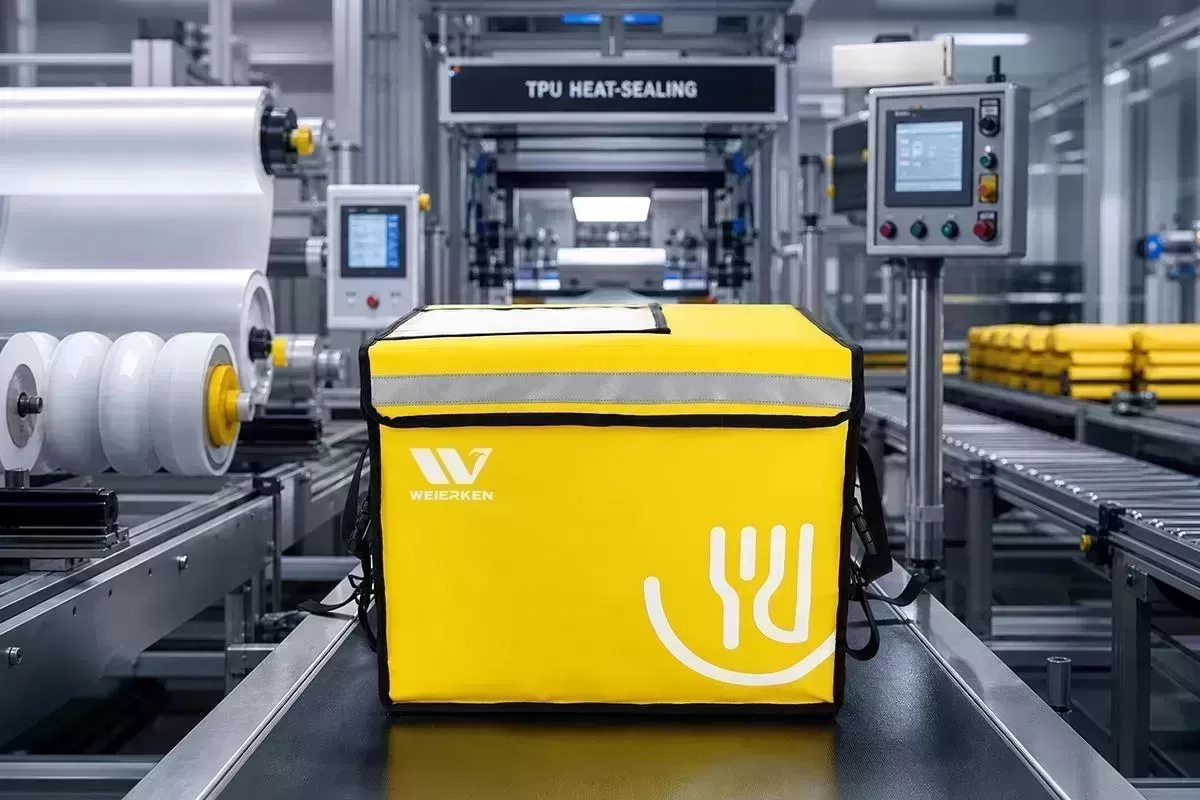
The global logistics sector is growing quickly. Instant delivery and last-mile courier services now require highly specialized equipment to keep operations running smoothly. Off-the-shelf carrying gear often fails under daily stress. Logistics fleets need durable, tailored options to protect their cargo, maintain thermal control, and keep riders comfortable during long shifts.
Working with an experienced courier delivery bag maker like weierken allows businesses to address these challenges directly. Customized carrying gear does more than transport goods. It acts as a mobile billboard, safeguards sensitive food or medical supplies, and improves fleet efficiency. This guide covers how professional manufacturing supports modern distribution networks.
Why Logistics Giants Prefer Custom Delivery Bags
Large delivery fleets rarely rely on generic carrying equipment. They require bags designed for their specific operating conditions. Standard bags often wear out within months, leading to high replacement costs and damaged items during transit.
Partnering with a dedicated bulk delivery backpack manufacturer helps fleet operators address several core operational challenges:
1. Brand Identity and Regulatory Compliance
A delivery fleet represents a brand on the street. Custom carrying solutions ensure that your company colors and logos are displayed clearly. Many cities also enforce strict safety laws for road-based workers.
Integrated reflective strips that meet EN ISO 20471 safety standards.
Dedicated attachment points for safety lights or GPS trackers.
Consistent brand presentation across thousands of riders.
2. Thermal and Environmental Protection
Whether delivering hot food, frozen groceries, or temperature-sensitive medicines, thermal preservation is critical. Standard canvas bags cannot maintain consistent temperatures over long journeys.
A specialized courier delivery bag maker solves this by using multi-layered insulation. These layers typically feature thick EPE foam, reflective aluminum foil, and rigid hollow boards that keep the bag's structure intact under heavy loads. This maintains food safety and product quality from the depot to the doorstep.
3. Rider Comfort and Load Distribution
Rider fatigue directly impacts delivery times and safety. Heavy-duty backpacks require smart ergonomic engineering to distribute weight evenly across the rider's torso.
For fleets utilizing a heavy-duty courier backpack supplier, key ergonomic features include:
Thick, padded shoulder straps made from breathable 3D air mesh.
Adjustable chest and waist buckles to prevent shifting during tight turns.
Padded back panels with air channels to reduce sweat and muscle strain.
By optimizing weight distribution, fleet managers can support rider well-being and maintain consistent delivery schedules.
Technical and Material Standards in Professional Manufacturing
To evaluate a courier delivery bag maker, procurement teams must look closely at material specifications. A bag's durability depends heavily on fabric choice, assembly methods, and hardware quality.
At weierken, we analyze every stress point to ensure the finished product can withstand daily outdoor use. Below are the key technical parameters B2B buyers should evaluate:
Fabric Selection: Durability vs. Weight
The exterior material must withstand scrapes, heavy rain, and UV exposure. Two materials dominate the professional logistics industry:
1680D Ballistic Nylon: Extremely resistant to tears and abrasions. It offers a professional, fabric-like finish and is ideal for dry goods and parcel delivery.
500D/1000D PVC Tarpaulin: Completely waterproof and very easy to clean. Dirt and grease wipe off instantly, making this fabric the standard choice for food delivery.
The table below summarizes how these materials perform across key operational areas:
| Material Type | Waterproof Rating | Abrasion Resistance | Ease of Cleaning | Primary Application |
|---|---|---|---|---|
| 1680D Nylon (PU Coated) | Water-resistant | High | Moderate | Parcel & Express Courier |
| 500D PVC Tarpaulin | Waterproof | Very High | Very High | Food & Cold Chain |
| TPU Coated Polyester | Waterproof | High | High | High-end Premium Delivery |
Assembly Methods: Stitching vs. Welding
The way panels are joined affects how well a bag keeps out water. Standard industrial sewing is perfect for structural areas and interior dividers. However, needle holes can let rainwater seep in during heavy downpours.
To resolve this, a professional waterproof mail bags bulk manufacturer uses high-frequency welding for exterior seams. This process melts the PVC or TPU panels together, creating a seamless, airtight bond that prevents water leakage.
Hardware and Fasteners
Zippers and buckles are often the first parts of a delivery bag to fail. When a zipper breaks, the bag becomes unusable. Using reliable brands like YKK or SBS ensures smooth operation over thousands of open-and-close cycles. For winter deliveries, buckles must be made of low-temperature resistant POM plastic to prevent cracking in freezing weather.
Key Factors When Choosing a Courier Delivery Bag Maker
Selecting a B2B supplier requires looking beyond the unit price. A low initial quote can lead to long lead times, poor quality control, or communication issues. Buyers should evaluate the following manufacturer capabilities:
1. Prototyping and Customization Support
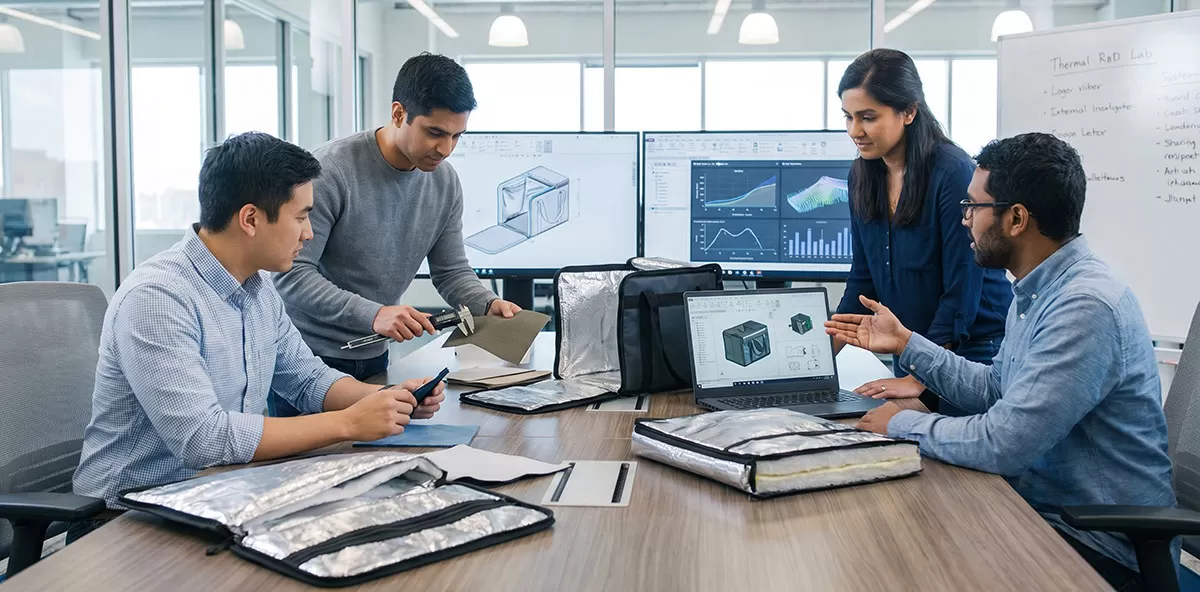
A reliable OEM delivery bag factory must be able to turn 2D drawings or 3D mockups into physical samples. During this phase, engineers check structural integrity, adjust strap placement, and test interior dividers. This step ensures the final product functions as expected before mass production begins.
2. Scale and Production Capacity
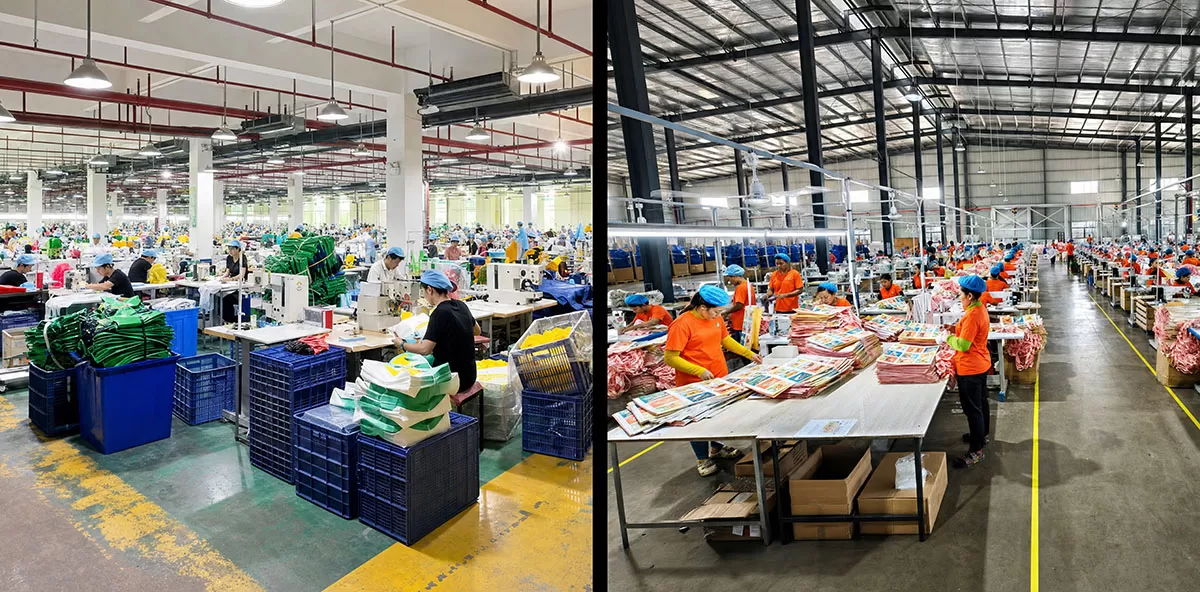
Logistics operators must prepare for seasonal demand spikes, such as Black Friday or end-of-year holidays. Ask potential suppliers about their monthly production capacity and minimum order quantities (MOQs). A supplier with automated cutting machinery and skilled assembly lines can scale up production quickly without compromising on quality.
3. Quality Standards and Certifications
Make sure the factory follows international quality management systems. Look for key credentials, including:
ISO9001 certification for consistent quality management.
BSCI social compliance audits for ethical manufacturing.
REACH or RoHS certification for materials, ensuring they are free from harmful chemicals.
How Weierken Solved Last-Mile Challenges
Practical examples show how custom designs improve delivery efficiency. Recently, weierken worked with a regional e-commerce delivery fleet that was facing high product damage rates during the monsoon season. Their standard backpacks let in water, which damaged customer packages and lowered their overall service rating.
We designed a custom solution using 500D PVC tarpaulin joined by high-frequency welding. We replaced standard zippers with waterproof zipper tape and added an overhanging storm flap. To make the bag easier to carry, we added a molded back panel that improved airflow and reduced physical strain on the riders.
After deploying these custom bags, the client reported a significant reduction in water-damaged packages. The reinforced base panels also helped the bags last twice as long as their previous carrying gear, reducing replacement costs over the year.
Choose the Right Partner for Your Logistics Needs
Using generic carrying gear can lead to damaged cargo, uncomfortable riders, and high replacement costs. Investing in custom gear designed by a professional courier delivery bag maker helps protect your packages and keep your fleet running efficiently on the road.
Weierken works closely with logistics brands to design and manufacture reliable custom logistics bags. Whether you need insulated delivery bags wholesale or heavy-duty backpacks, our team can help you build the right solution. Contact our product specialists today to discuss your requirements, request a prototype, or get a competitive quote.
Frequently Asked Questions
1. What is the typical MOQ for custom courier delivery bags?
The Minimum Order Quantity (MOQ) depends on the design and materials used. For standard custom styles, our MOQ generally starts at 500 units per order. This allows us to source specialized fabrics and set up efficient production lines. Please contact us to discuss your specific design needs.
2. Can you manufacture both thermal and non-thermal bags?
Yes. As an experienced courier delivery bag maker, we manufacture both styles. We can supply insulated delivery bags with multi-layer foil lining for food or medicine, as well as non-insulated, high-capacity backpacks for standard parcels and document delivery.
3. How do you test the waterproof performance of your bags?
We use several testing methods depending on your requirements. For waterproof bags, we use high-frequency welding on PVC/TPU materials and test the seams under pressure. We also perform rain simulation tests to ensure zippers, seams, and fabric coatings keep water out during heavy rain.
4. Do you offer OEM and ODM services?
Yes, we operate as a full-service OEM delivery bag factory. We can manufacture bags based on your precise design files, or our design team can help you create a custom layout based on your fleet's specific requirements.
5. What is the average lead time for a bulk order?
Once the prototype is approved and the deposit is received, mass production typically takes 30 to 45 days. This timeline can vary based on order size, material availability, and current factory schedules. We recommend planning your order well ahead of your peak delivery seasons.