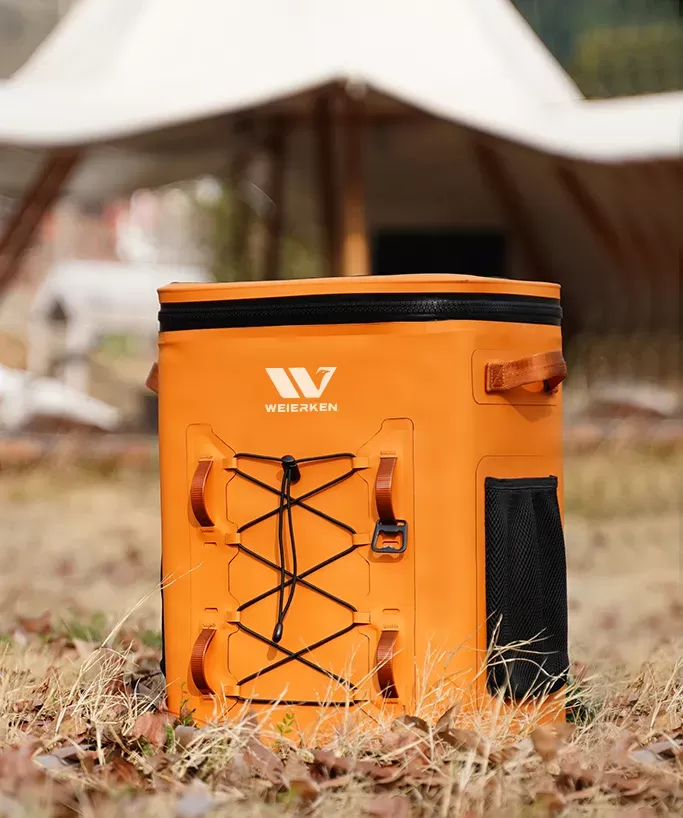

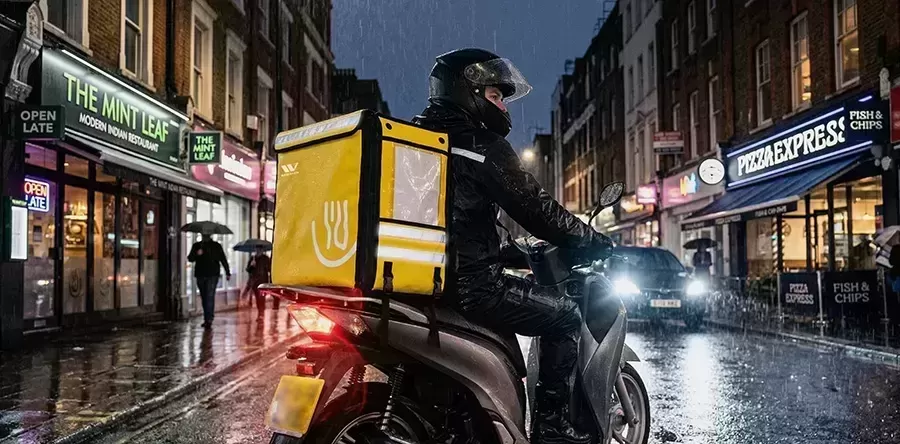
Last-mile logistics for fresh dairy products are notoriously difficult. Whether you run a subscription-based milk brand, an organic farm, or a local cold-chain delivery service, you face severe operational risks. Unlike hot meals, fresh milk, pasteurized dairy, and yogurts require tight, continuous temperature controls. Small packaging oversights often lead to spilled products, sour odors, and unhappy customers.
Operational teams frequently search for ways to reduce product waste and lower delivery complaints. Many of these issues do not stem from your vehicles or drivers. Instead, they come from using generic, low-quality carrying equipment. Partnering with a dedicated dairy delivery bag maker provides your fleet with custom-engineered tools that solve real-world transit problems.
As a seasoned manufacturer, Weierken designs high-performance thermal bags that protect delicate dairy shipments. In this article, we analyze four major last-mile delivery challenges and explain how a professional manufacturer resolves them.
Challenge 1: Warm Weather and Temperature Spikes on Multi-Stop Routes
Summer heat is the primary enemy of fresh dairy. When delivery drivers navigate multi-stop neighborhood routes, they must open and close their thermal bags dozens of times. Each opening lets warm ambient air inside, causing the internal temperature to rise. When pasteurized milk exceeds 8°C, bacterial growth accelerates rapidly, causing premature spoilage and souring.
Standard retail cooler bags simply lack the thermal mass and engineering to handle these conditions. A professional dairy delivery bag maker solves this challenge with advanced multi-layer thermal barriers and optimized cold-source placement.
Advanced Radiation and Convection Management
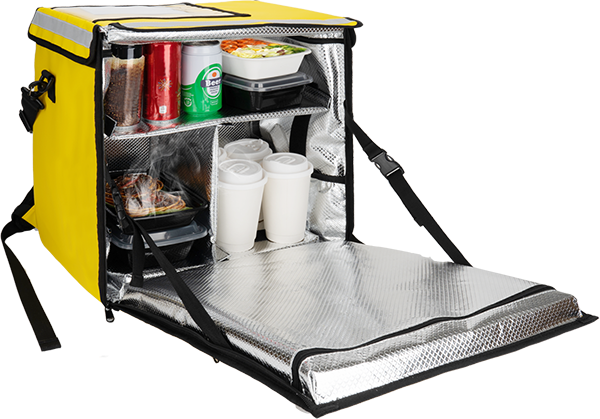
Reflective Insulation Linings: Manufacturers use high-purity aluminum foil or reflective PEVA sheets. These materials reflect up to 95% of radiant heat away from the dairy containers.
High-Density Foam Cores: Thick layers (usually 8mm to 12mm) of Expanded Polyethylene (EPE) or Polyurethane (PU) foam slow down conductive heat transfer from the outside air.
Dedicated Cold-Pack Compartments: An experienced manufacturer places specialized mesh pockets or zippered sleeves at the top or sides of the bag. This positioning allows cold air to circulate downward naturally, ensuring uniform temperatures.
These features keep the interior temperature within the safe 2°C to 8°C zone for up to 8 hours, even during hot summer routes with multiple stops.
Challenge 2: Broken Glass Bottles and Deformed Paper Cartons
Many organic dairies and subscription milk brands use glass bottles to project a premium, eco-friendly brand image. However, glass is heavy and fragile. Delivery routes on motorcycles or electric bicycles face constant vibrations, speed bumps, and rough road surfaces. Without proper internal support, bottles collide, crack, or shatter during transit.
Even paper cartons and plastic jugs suffer. When stacked loosely, the weight of the upper layers often crushes the bottom packaging, resulting in leaks and costly product losses.
Structural Rigidity and Modular Divider Systems
To eliminate physical damage, Weierken designs protective structural systems into every custom bag. We use lightweight materials that absorb impact energy without adding excessive weight to the driver's load.
Adjustable Foam Dividers: We fabricate custom-sized, Velcro-backed dividers using high-density EVA foam. Drivers can adjust these panels to lock bottles of different sizes securely in place, preventing movement.
Rigid Plastic Support Panels: Inserted lightweight hollow PP boards or fiberglass rod frames give the bag a rigid box-like structure. The bag maintains its shape whether empty or fully loaded, preventing crushing.
Padded Bottom Plates: Extra foam padding at the base of the bag absorbs road vibrations and protects bottle bottoms from hard vertical impacts.
Challenge 3: Spills, Leakage, Odor Buildup, and Sanitation Issues
Spills happen. A loose bottle cap or a punctured carton can quickly spill liquid milk directly into the bottom of a delivery bag. If your thermal bags feature traditional stitched seams, the liquid will seep through the needle holes and soak into the internal foam core.
Once milk enters the insulation layer, cleaning becomes impossible. Within hours, the trapped milk spoils, creating sour odors and hosting mold and bacteria. This compromise makes the bag completely unusable and violates basic food safety regulations.
Seamless Seals and Antimicrobial Materials
An experienced dairy delivery bag maker avoids needle-and-thread construction for internal compartments. Instead, they implement modern welding and advanced materials to create a highly hygienic, leak-proof thermal bag.
High-Frequency (HF) Welding: This process uses electromagnetic energy to fuse the TPU or PEVA inner linings together. It creates a single, continuous, and seamless barrier that prevents liquid from escaping into the foam.
Antimicrobial and Stain-Resistant Coatings: Manufacturers coat the interior lining with food-safe, mildew-resistant compounds that inhibit bacterial growth.
Easy-Wipe Surfaces: The ultra-smooth inner surfaces allow delivery staff to wipe away spilled milk, condensation, and dirt in seconds using a damp cloth and disinfectant spray.
Challenge 4: High Wear-and-Tear Leading to High Replacement Costs
Last-mile delivery is demanding work. Drivers constantly pull heavy bags in and out of vehicle racks, drag them across concrete pavements, and yank zippers open in a hurry. Low-end consumer-grade cooler bags rarely survive more than a few weeks of this intense daily rotation.
When plastic zippers split, straps snap, or bases tear, logistics managers must buy replacements. These frequent re-purchases drive up operational expenses and disrupt delivery schedules. Purchasing from an industrial-grade custom delivery bag manufacturer reduces long-term equipment costs.
Industrial-Grade Durability Standards
A specialized manufacturer uses heavy-duty components designed for thousands of open-close cycles. These robust materials withstand harsh daily wear:
Abrasion-Resistant Bases: The bottom of the bag features hard molded rubber feet or thick PVC patches. These guards keep the fabric off wet pavements and prevent wear from friction.
Reinforced Load-Bearing Straps: Shoulder straps and carrying handles feature cross-stitched box patterns (X-stitching) and heavy-weight nylon webbing to support heavy glass bottle shipments safely.
Industrial Zippers: Double-stitched, oversized, or waterproof zippers prevent teeth misalignment and withstand rough handling by busy couriers.
Investing in durable construction yields a much lower cost-per-delivery over the life of the bag, saving your business money in the long run.
Summary of Key Solutions
To help your logistics team make an informed decision, this table highlights how specialized manufacturing solves common last-mile delivery issues:
| Logistics Challenge | Consequence of Cheap Bags | Solution by a Professional Maker |
|---|---|---|
| Temperature Drops | Spoiled dairy, sour taste, customer returns | Multi-layer insulation and dedicated ice pack sleeves |
| Broken Bottles | Wasted inventory, messy cleanups, driver delays | Adjustable EVA dividers and rigid internal support frames |
| Internal Leakage | Sour odor buildup, mold, hygiene violations | Seamless high-frequency welding and easy-wipe linings |
| Rapid Wear-and-Tear | Frequent bag failures, high replacement costs | Industrial-grade fabrics, reinforced straps, and rubber bases |
Conclusion & Procurement Action Plan
Last-mile dairy delivery demands specialized packaging that protects your products from thermal, physical, and sanitary risks. A generic cooler bag cannot handle the daily abuse, temperature spikes, or cleanliness standards of the dairy industry. Partnering with a dedicated dairy delivery bag maker is the most reliable way to protect your cold chain, lower product losses, and build customer trust.
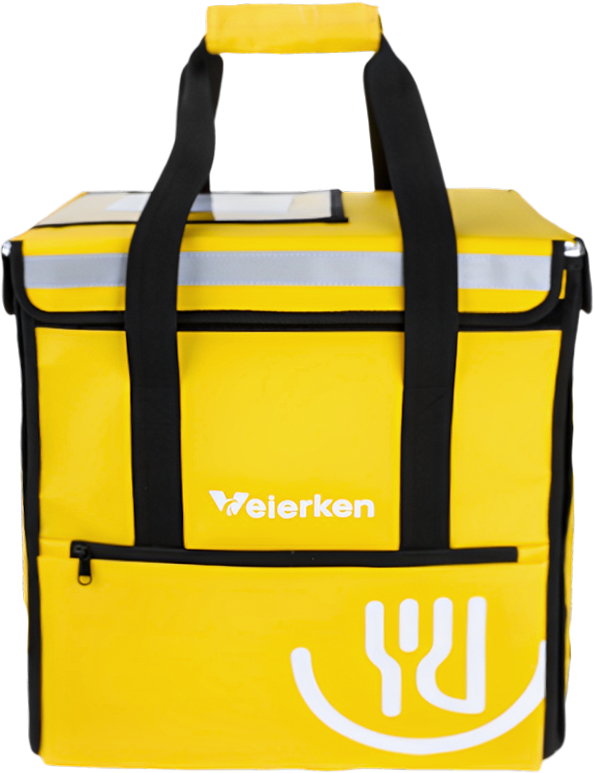
At Weierken, we manufacture durable, high-performance **insulated milk delivery bag** systems tailored to your specific bottles, delivery vehicles, and temperature requirements. Our engineering team helps you customize internal layouts, choose food-grade materials, and design durable exterior options that represent your brand professionally.
Optimize your last-mile logistics today. Send an inquiry to our team at Weierken to discuss your custom dimensions, obtain a technical quote, or request a sample for field testing.
Frequently Asked Questions
1. How long can an insulated milk delivery bag keep dairy below 8°C?
With high-quality multi-layer insulation (such as 10mm EPE foam) and properly sized gel ice packs, a high-performance bag can easily keep dairy below 8°C for 6 to 10 hours. The exact duration depends on the external ambient temperature and how frequently drivers open the bag.
2. Can a dairy delivery bag maker print our custom brand logo on the bags?
Yes. A professional manufacturer offers various custom branding options, including silk-screen printing, heat-transfer printing, and durable rubber patches. This turns your delivery fleet into mobile advertisements for your brand.
3. What materials are safest for the interior lining of a dairy bag?
Food-grade PEVA, TPU, and aluminum foil are the safest materials. They do not contain harmful plasticizers like phthalates or heavy metals. They comply with international food safety certifications such as FDA and LFGB, which is critical since dairy containers rest directly against them.
4. Why is high-frequency welding better than sewing for the inner compartment?
Sewing punches thousands of tiny needle holes through the fabric. If milk spills, it flows through these holes directly into the internal foam insulation, where it spoils and creates foul odors. High-frequency welding fuses the seams using heat and pressure, creating a completely seamless, leak-proof barrier.
5. What is the typical lifetime of an industrial-grade delivery bag?
When made with heavy-duty fabrics (like 1680D polyester or PVC tarpaulin) and premium hardware, a commercial delivery bag can easily last 12 to 24 months of daily use. In contrast, cheap consumer bags often fail within 2 to 3 months under similar delivery conditions.