

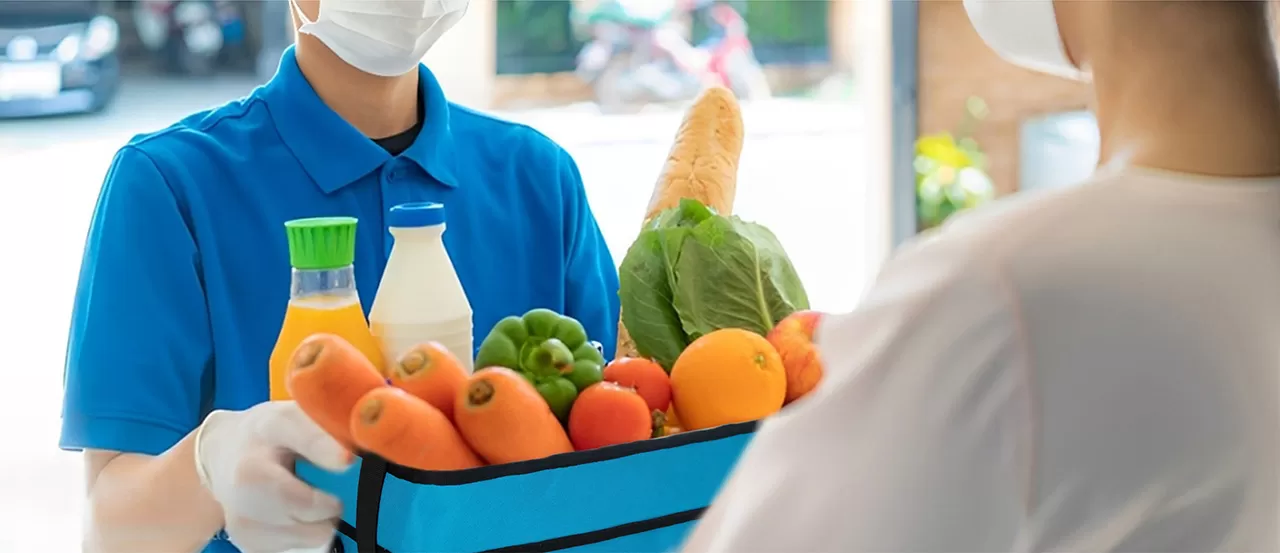
Many procurement managers start their search on global platforms and end up talking to trading companies. While traders offer variety, they often lack the technical depth required for high-performance products. If you want to build a brand, working with a direct lunch thermal tote factory is the most logical step. A direct partnership allows you to control every stitch, foam density, and zipper type.
Brands like weierken have spent years refining the bridge between design concepts and mass production. When you cut out the middleman, you gain more than just a lower price. You gain a seat at the engineering table. This guide explains how to navigate a direct factory partnership to create market-leading lunch totes.
Why Choose a Direct Factory Over a Trading Company?
The primary driver for most businesses is the bottom line. A direct lunch thermal tote factory typically saves you 15% to 30% compared to a middleman. However, the benefits extend far beyond the unit price. Direct communication with the production supervisor ensures that your specific requirements aren't "lost in translation."
Cost Efficiency: You receive factory-direct pricing without the hidden markups used by sourcing agents.
Technical Expertise: Talk directly to the engineers who understand Insulation Material Testing and structural integrity.
Sample Flexibility: Factories are more willing to provide low-cost or free samples for direct clients, and they own the molds.
Quality Traceability: You can audit the raw material batches and perform line inspections yourself.
By establishing a direct link with weierken or a similar manufacturer, you ensure that quality issues are solved in hours, not days. This agility is vital when launching a new product line in a competitive market.
Core Elements of Custom Lunch Thermal Tote Design
Before you contact a lunch thermal tote factory, you need a clear design roadmap. Don't just ask for a "good bag." Specify the technical details that define your target user’s experience. Here are five design pillars to consider.
1. Dimensions and Structural Layout
Consider the daily habits of your customers. Are they office workers carrying a single glass container, or families going for a weekend picnic? You can choose from classic box shapes, tote styles with wide tops, or even foldable designs for easy storage. Make sure to define the MOQ Requirements for different sizes, as custom molds for unique shapes might require larger volumes.
2. Insulation Performance Levels
Not all insulation is equal. Standard bags use 3mm EPE foam, which keeps food warm for about 1 to 2 hours. This is fine for short commutes. However, for "all-day" performance, you should request 6mm to 8mm XPE foam or even PU foam. Combine this with a heat-reflective aluminum foil liner to bounce thermal energy back toward the food. Always ask your lunch thermal tote factory about their Insulation Material Testing protocols.
3. Internal Partitioning and Functionality
Modern lunch bags are becoming "mobile kitchenettes." Think about adding adjustable dividers for different container sizes. An independent cutlery pocket keeps spoons and forks clean. If your customers carry both a hot meal and a cold salad, you need physical insulation barriers within the bag to prevent thermal migration.
4. Closure Systems
The closure is often the first point of failure. Zippers are the industry standard, but waterproof zippers offer a premium touch. Magnetic buckles provide easy one-handed access, though they require precise alignment. Roll-top closures are excellent for outdoor use because they prevent rain from entering. Your lunch thermal tote factory can help you choose the best balance between cost and seal integrity.
5. Ergonomics and Portability
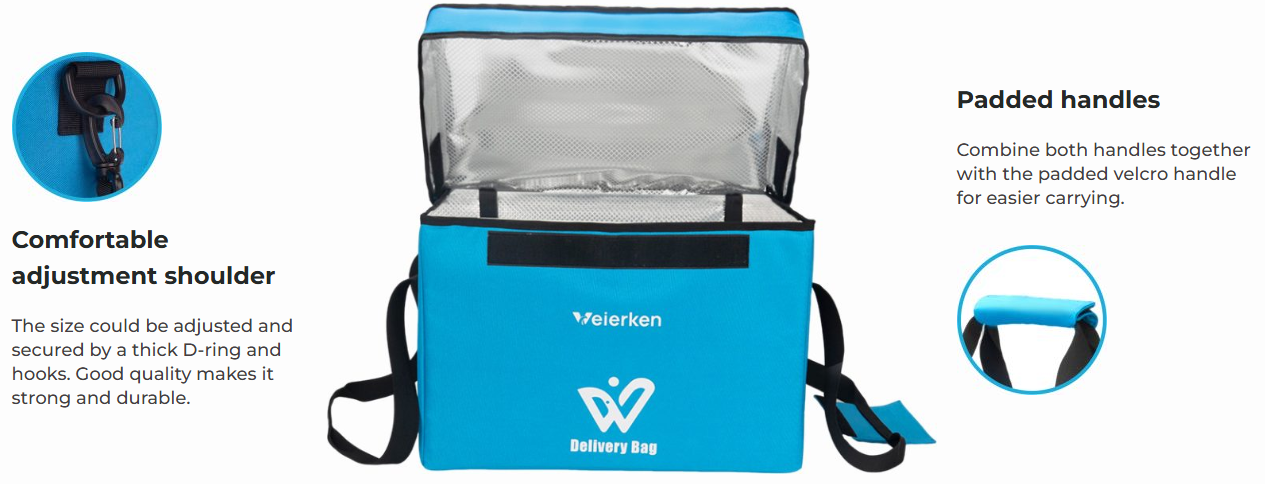
How will the user carry the bag? A simple top handle works for light loads. For heavier catering-sized totes, you need a removable, adjustable shoulder strap with a thickened pad. For kids, a backpack-style strap setup might be more appropriate. weierken often suggests silicone-grip handles to improve comfort during long carries.
The 5-Step Process for Custom Design Projects
Working with a lunch thermal tote factory requires a structured approach. Haphazard requests lead to manufacturing errors. Follow this five-step Bulk Order Process to ensure your project stays on track and within budget.
Step 1: Definition and Technical Files
Start with a detailed tech pack. This should include your sketches, dimensions, and a Bill of Materials (BOM). Specify the outer fabric (e.g., 600D Oxford), the insulation core, and the lining material. If you have a target price, be honest about it. The factory can then suggest material alternatives to hit that goal.
Step 2: Customized Sample Production
This is where the concept becomes reality. A standard sample usually takes 3 to 7 days. If your design requires new molds or custom-printed fabrics, expect it to take up to 15 days. You will likely pay a sample fee, but most factories refund this once you place a Bulk Order. weierken uses this stage to verify the stitch strength and overall look.
Step 3: Testing and Validation
Once you have the sample, put it through its paces. Don't just look at the color. Perform Insulation Material Testing by placing hot water inside and measuring the temperature drop every hour. Test the zippers 2,000 times. Drop the bag from a height of 1.2 meters while it is fully loaded. This is the time to find weaknesses, not after 5,000 units arrive at your warehouse.
Step 4: Pre-Production (Sealing the Sample)
After adjustments, the factory produces a "Gold Sample." You and the factory both sign this sample. It becomes the legal standard for the Bulk Order Process. Ensure you define the Quality Control Standards, including acceptable color deviations and size tolerances (usually ±3mm).
Step 5: Mass Production and Delivery
The factory begins cutting, sewing, and assembly. Ask for a production schedule with key milestones. You can request video updates or hire a third-party inspector to check the Quality Control Standards before the goods leave the lunch thermal tote factory. Finally, consider vacuum-compressed packaging to save on shipping costs.
Common Pitfalls and How to Avoid Them
Custom manufacturing is full of "traps" for the unwary. One common issue is the "material swap." A factory might use high-density foam for the sample but switch to a cheaper, lower-density version for the mass order. To prevent this, include specific foam density requirements (e.g., 25kg/m³) in your contract.
Another issue is color batch variance. If you don't specify a Pantone color, the factory might use "stock fabric" that varies slightly between orders. Always require a fabric swatching for every new batch. Finally, watch out for the MOQ Requirements. Some factories quote a low price but then demand a massive MOQ that kills your cash flow. Negotiate these terms early in the Bulk Order Process.
How to Lower Your Sourcing Costs
You can lower your costs without sacrificing quality if you are smart about design. First, standardize your materials. If your lunch thermal tote factory already stocks 210D polyester and 5mm EPE foam for other clients, using those materials will be cheaper than ordering a "special" fabric just for you.
Consolidate SKUs: If you have three different sizes, try to use the same zipper and handle hardware across all of them to increase your buying power.
Off-Season Ordering: Place your orders during the factory’s "slack" periods (usually after the Lunar New Year or before September). You can often negotiate a 5-10% discount.
Simplify the Interior: Every extra pocket or divider adds labor time. Ask yourself if that extra mesh pouch is truly necessary for your user.
Annual Frameworks: Commit to a yearly volume. This allows the lunch thermal tote factory to buy raw materials in bulk, lowering your per-unit cost.
By following these strategies, you build a sustainable business model that allows for healthy margins. weierken works closely with clients to find these "win-win" cost-saving opportunities during the design phase.
Frequently Asked Questions (FAQ)
1. What is the typical MOQ for a custom lunch bag?
Most lunch thermal tote factory partners require an MOQ of 500 to 1,000 pieces per color for full customization. If you use the factory's existing colors and materials, you can sometimes lower this to 200 or 300 pieces.
2. How long can a lunch tote keep food hot?
Depending on the Insulation Material Testing results, a standard bag lasts 2-3 hours. High-performance bags with 8mm foam and airtight zippers can maintain a safe temperature for up to 6 hours. Adding a heat pack can extend this even further.
3. Are the materials used in these bags food-safe?
Yes. A reputable factory uses Food-Grade Lining Materials like PEVA or aluminum foil that are BPA-free. You should always request FDA or LFGB test reports to confirm compliance with safety standards.
4. Can I add my own brand logo to the bag?
Absolutely. You can choose from silk-screen printing, heat transfer for colorful designs, or embroidery for a premium look. Some brands even use rubber or silicone patches for a modern aesthetic.
5. What is the lead time for a bulk order?
Once the sample is approved, mass production at a lunch thermal tote factory usually takes 25 to 35 days. This depends on the complexity of the design and the factory's current production queue.
Partner with an Expert Manufacturer
Building a successful product starts with choosing the right partner. A direct lunch thermal tote factory provides the technical foundation you need to scale. From Insulation Material Testing to the final Bulk Order Process, every step matters. At weierken, we treat your brand as our own, ensuring that every bag we produce meets the highest standards of durability and performance.
Don't settle for generic products that fail your customers. Take control of your supply chain and design a tote that stands out in the marketplace. Our engineers are ready to help you navigate the complexities of thermal bag manufacturing.
Are you ready to start your custom project? Contact us today to learn how we can bring your vision to life. Request a quote or a sample and let’s build something great together.
Inquiry Now for Your Custom Project
Expert lunch thermal tote factory services are just a click away. We offer full OEM/ODM support.
SEND AN INQUIRY