
Magnetic closures are rapidly replacing traditional zippers and hook-and-loop fasteners in the premium luggage industry. From a sleek tech pouch to rugged tank bags and elegant premium handbags, the "snap" of a magnet offers a user experience that feels both high-tech and high-end. However, manufacturing these products requires more than just basic sewing skills.
Finding a truly reliable magnetic opening bag factory involves a deep dive into their technical capabilities. The magnet isn't just an accessory; it is a structural component that dictates the bag's lifespan. Brands like weierken have mastered the art of integrating magnets into fabric, ensuring that the closure remains powerful yet easy to operate. This guide will help you audit potential partners and optimize your sourcing costs.
Part 1: Auditing a Magnetic Opening Bag Factory: Key Inspection Points
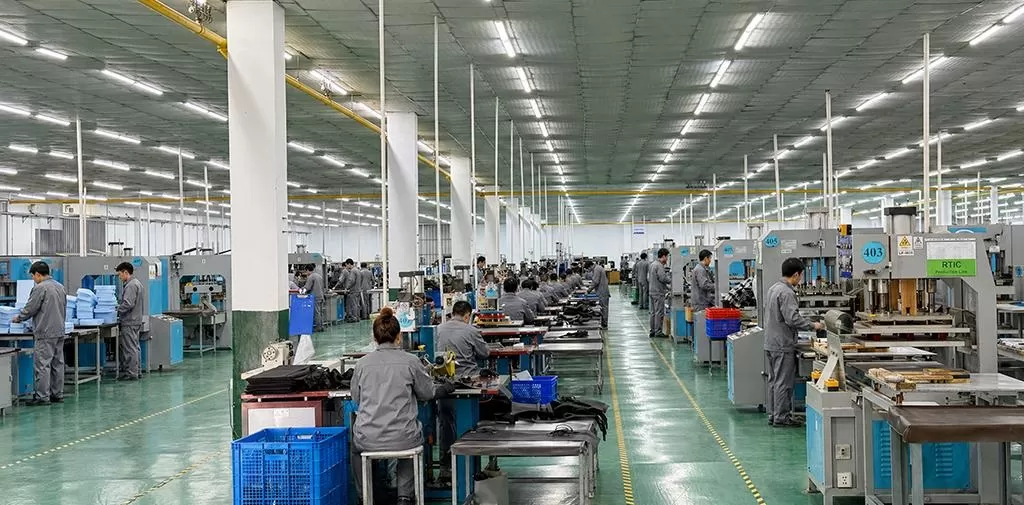
When you conduct a factory audit, you must look beyond the number of sewing machines. A specialized magnetic opening bag factory must handle raw magnets with extreme care. Here are the specific areas you need to verify to ensure product reliability.
1. Magnet Supply Chain and Quality Control
First, identify the type of magnets the factory uses. Are they Neodymium (NdFeB), Ferrite, or Rubber magnets? Neodymium is the strongest but prone to oxidation. Therefore, a reliable factory must ensure these magnets have a high-quality anti-rust hardware coating, such as Nickel-Copper-Nickel (Ni-Cu-Ni).
Magnetic Strength Testing: Does the factory own a Gauss meter or fluxmeter? They should test every batch of magnets for consistency. Demand a tolerance range, such as ±5%.
Aging Tests: Ask for reports on high-temperature and high-humidity tests (e.g., 70°C at 90% RH). This ensures the magnets won't lose their strength or rust in tropical climates.
Salt Spray Testing: For bags used in outdoor or maritime environments, anti-rust hardware is non-negotiable.
2. Encapsulation and Precision Stitching
How the magnet is "hidden" inside the fabric determines its durability. If a magnet shifts or breaks the fabric, the bag becomes useless. A top-tier magnetic opening bag factory uses specialized sleeves made of TPU or PP to house the magnets before they are sewn into the seams.
Look at the precision stitching around the magnet pockets. The stitch density should be high (5 to 6 stitches per cm) to prevent the magnet from "walking" or poking through the needle holes. Furthermore, check for polarity consistency. If the factory lacks a polarity inspection jig, you might end up with bags that repel each other when stacked, causing massive warehouse headaches.
3. Lifecycle and Drop Testing
A magnet that works today might fail after 1,000 uses if the internal housing is weak. Ask if the factory performs 10,000-cycle opening and closing tests. They should measure the "decay" of the magnetic pull after these cycles. Additionally, 1.2-meter drop tests are essential to ensure the magnets don't crack or dislodge upon impact.
Part 2: Evaluating OEM Service Capabilities
A reliable magnetic opening bag factory should act as a design partner, not just a contract sewer. Brands like weierken often assist clients in balancing magnetic force with fabric weight. Your factory should offer the following OEM services to make your product stand out in the market.
1. Customized Magnetic Pull Force
Different bags require different closure strengths. A small tech pouch might only need a 2N pull force for easy one-handed access. In contrast, a meal delivery bag needs a 5N to 8N force to stay closed under the weight of heavy containers. The factory should be able to adjust this by changing the magnet grade (e.g., N35 vs. N52) or the magnet dimensions.
Full-Edge Magnets: Continuous magnetic strips along the entire opening provide the best seal against dust and rain.
Segmented Magnet Points: Placing individual magnets at specific intervals reduces weight and cost while maintaining a secure "click."
Curved Openings: If your design features a U-shape or circular pocket, the factory needs specialized jigs to position flexible magnetic strips accurately.
2. Material Integration and Functional Features
Magnets can interfere with electronics or credit cards. A sophisticated magnetic opening bag factory will suggest adding RFID blocking layers or specialized shielding if the bag is intended for tech gadgets. They should also offer a wide range of outer fabrics, from 1680D ballistic nylon to eco-friendly recycled polyesters, all while ensuring the magnetic strength testing accounts for the fabric thickness.
3. Prototyping and Tooling Development
If your OEM project involves custom-shaped magnetic buckles with your brand logo, the factory must handle mold development. Standard prototyping should take 7 to 10 days, while complex hardware molds might take 20 days. Always request a functional sample to test the "tactile feel" of the opening before approving mass production.
Part 3: Sourcing Cost Optimization Strategies
Magnets are the most expensive component in these bags. If you don't optimize, your unit price will skyrocket. Here is how an experienced magnetic opening bag factory can help you save money without sacrificing quality.
1. Optimize Magnet Length and Layout
You don't always need magnets along the entire length of an opening. For a 40cm bag mouth, two 10cm strips at the ends might provide 90% of the security at 50% of the cost. Ask the factory to perform a "magnetic circuit simulation" to find the most efficient layout for your specific premium handbags or tool kits.
Using standardized magnet sizes (e.g., 10mm x 2mm) also reduces costs. Custom-sized magnets require the raw material supplier to set up new cutting lines, which adds to your lead time and price. Stick to the factory's "in-stock" magnet specifications whenever possible.
2. Choose the Right Material Grade
Not every bag needs Neodymium. If your product is a low-cost promotional item that won't face extreme temperatures, Ferrite magnets can save you 40% to 60% on component costs. However, a professional magnetic opening bag factory like weierken will warn you if a cheaper magnet will compromise the user experience. Always balance the brand's reputation against the savings.
Local vs. Imported: While Japanese magnets are famous for stability, modern Chinese Neodymium magnets are more than sufficient for 95% of consumer bag applications, offering a 30% price advantage.
Bulk Sourcing: Consolidate different SKUs to use the same magnet specification. This allows the factory to buy in bulk and pass the savings on to you.
Yearly Framework Agreements: Commit to an annual volume to lock in magnet prices, which can fluctuate based on rare-earth metal markets.
3. Packaging and Logistics Efficiency
Magnets are heavy and "sticky" in a shipping environment. If not packed correctly, they can damage each other or interfere with the ship's compass. A smart magnetic opening bag factory uses staggered stacking or cardboard spacers to neutralize the magnetic field. This allows for tighter packing and lower sea freight costs. Designing the bag to fold in a way that doesn't put stress on the magnets further reduces the shipping volume.
Why Expertise Matters in Magnetic Construction
Precision is everything. If the magnets are off by even 2mm, the bag will look crooked or fail to stay closed. This is why precision stitching and specialized assembly jigs are vital. When you work with weierken, you benefit from a decade of experience in solving these micro-technical challenges. We ensure that every magnetic opening bag factory process we oversee meets the highest international standards.
The transition from zippers to magnets is a significant upgrade for any brand. It signals innovation and luxury. By following this audit and sourcing guide, you ensure that your investment results in a durable, high-performing product that delights your customers.
Frequently Asked Questions (FAQ)
1. Will magnets in the bag erase my credit cards or damage my phone?
Most modern smartphones and credit cards are resistant to the small magnetic fields used in bags. However, a professional magnetic opening bag factory will still recommend a specific distance or shielding layer if the bag is designed specifically as a tech pouch for sensitive equipment.
2. How does the factory prevent magnets from rusting?
We use magnets with anti-rust hardware coatings like Ni-Cu-Ni or Epoxy. Furthermore, we encapsulate the magnet in a waterproof TPU sleeve before sewing it into the fabric, providing a double layer of protection against moisture.
3. Can I customize the "sound" of the magnetic closure?
Yes. The "click" sound depends on the magnet's strength and the thickness of the padding between the magnets. We can adjust the foam density to make the closure sound "soft and silent" or "sharp and mechanical" based on your brand's preference.
4. Are there any restrictions on shipping magnetic bags by air?
Yes, air freight has strict regulations regarding magnetic fields. If the magnetic pull exceeds a certain threshold at a specific distance, it must be labeled as "Magnetized Material." Our magnetic opening bag factory provides specialized shielding packaging to ensure your goods pass aviation safety checks without extra fees.
5. What is the typical MOQ for a custom magnetic bag?
Because magnets are sourced in bulk, the MOQ for custom magnetic opening bag factory orders is usually between 500 and 1,000 pieces. For standard designs with custom logos, we can sometimes accommodate smaller batches of 300 pieces.
Ready to Develop Your Next Magnetic Product?
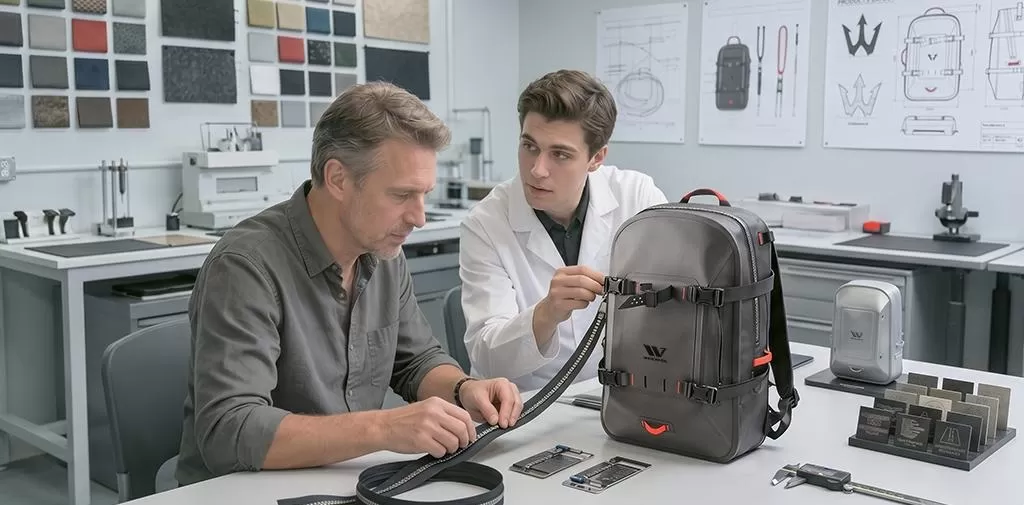
The market for magnetic-access gear is growing fast. Don't let technical hurdles slow you down. Whether you are designing tank bags for motorcycles or high-end premium handbags, we have the expertise to bring your vision to life. At weierken, we combine Magnetic Strength Testing with industry-leading assembly techniques.
Our team is ready to help you navigate the complexities of magnet sourcing, structural design, and cost control. We provide full transparency in our auditing and manufacturing processes, ensuring your brand stays ahead of the competition.
Contact us today to discuss your project. Request a quote or a prototype and see why we are the preferred partner for global brands.
SEND INQUIRY