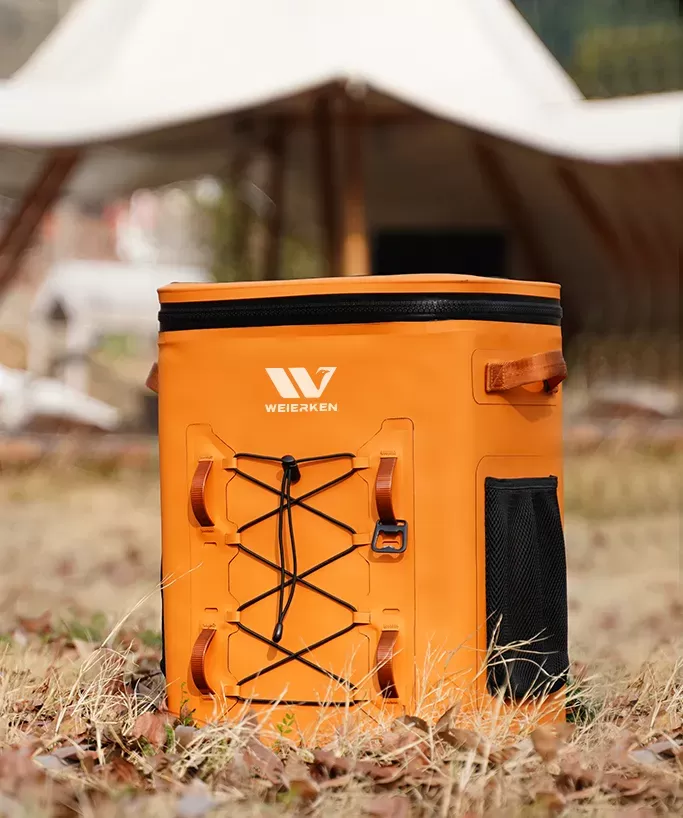

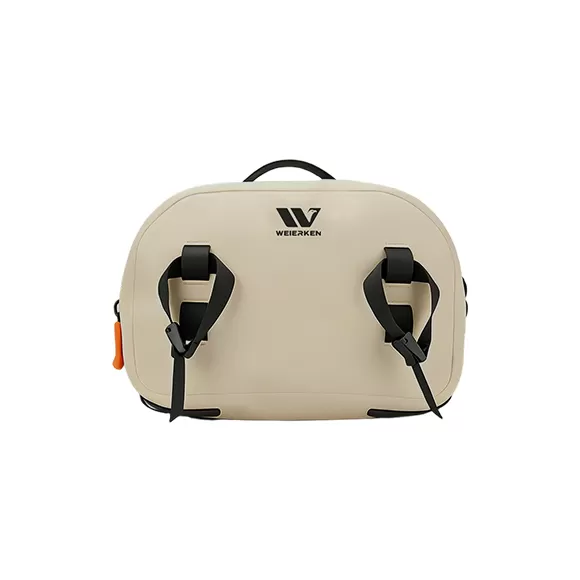
Fly fishing and wading gear markets are expanding fast. Modern anglers want minimal bulk and maximum mobility. Traditional fishing vests carry weight poorly, and full-sized backpacks force anglers to swing their bags around just to change a fly. Chest packs solve this problem by keeping terminal tackle, tools, and fly boxes right at eye level.
For brands and outdoor retailers, launching private label fishing chest packs offers an avenue into the technical gear space. A winning pack demands more than just adding a logo to a generic bag. Anglers push their gear through heavy downpours, saltwater spray, and thick riverbank brush. Your product needs exact technical specifications to survive the water.
This manufacturing guide breaks down the core structural decisions for custom chest packs: technical textiles, seam construction, waterproof zipper grades, and rigging mechanics. As an established OEM partner, Weierken helps outdoor brands turn these technical specifications into production-ready gear.
1. The Foundation: Fabric Selection for Custom Chest Packs
A pack's performance starts with its base textile. The chosen fabric directly determines water resistance, tear strength, total weight, and manufacturing method.
1.1 Performance Matrix: TPU vs. Cordura vs. Ripstop
Not all fishing gear operates under the same conditions. Matching the right textile to your target market's price point and performance demand is critical.
- TPU-Laminated Nylon (420D - 840D): Thermoplastic Polyurethane (TPU) film laminated onto high-tenacity nylon forms the gold standard for fully submersible packs. Double-sided TPU allows radio-frequency (RF) welding, which eliminates needle holes completely. Packs made from 840D TPU resist punctures from sharp hooks and rocky river bottoms while staying 100% waterproof.
- Cordura Nylon (500D - 1000D): Renowned for extreme abrasion resistance. Cordura performs well in rugged bushwhacking scenarios where sharp thorns shred lighter fabrics. While inherently porous, pairing 500D Cordura with an internal polyurethane (PU) backing and an exterior hydrophobic treatment creates a rugged, highly water-resistant shell.
- Diamond Ripstop Polyester (210D - 420D): A cost-efficient option for entry-level and lightweight fishing lines. The reinforced grid pattern stops small punctures from spreading. Ripstop polyester cuts unit costs and lowers total pack weight, though it lacks the sheer abrasion resistance of Cordura and the airtight nature of heavy TPU.
1.2 Coatings and Environmental Compliance
The chemical coating applied to your fabric determines its waterproof rating, measured by hydrostatic head pressure in millimeters (mmH2O).
A standard water-repellent pack requires a minimum rating of 5,000 mmH2O. Fully submersible wading gear, however, must withstand at least 15,000 to 20,000 mmH2O under active pressure.
Environmental regulations in North America and the European Union now strictly restrict traditional fluorinated coatings (PFAS/PFCs). For custom production runs, you must specify C0 DWR (fluorine-free durable water repellent). Pair this treatment with Bluesign-approved or GRS-certified recycled nylon to clear global retail standards and appeal to conservation-minded anglers.
2. Closures: Water-Resistant vs. Airtight Submersible Zippers
Zippers fail more often than any other component on outdoor packs. Water can enter through the fabric face, but it usually rushes straight through standard coil zippers. Choosing the right closure system establishes your pack's performance tier.
2.1 Water-Resistant PU Coated Zippers
Reverse-coil zippers coated with Polyurethane (such as YKK AquaGuard styles) work well for light rain, river splash, and morning dew. The rubberized polyurethane lips press together when zipped, deflecting moving water.
These closures are flexible, lightweight, and cost-effective. However, they are not submersible. If an angler wades chest-deep or drops the pack into a swift current, water pressure pushes past the polyurethane lips and floods the main pocket. Use these on secondary accessory pockets, exterior tippet sleeves, or budget-friendly private label fishing chest packs.
2.2 Airtight, Submersible Pressure Zippers
For true submersibility (rated IPX7 or IPX8), your pack requires mechanical tooth-locking airtight zippers. These units use interlocking vulcanized rubber or extruded TPU elements that form an airtight seal under tension.
Submersible zippers protect valuable electronics, car key fobs, and delicate dry flies even when held deep underwater. Keep these tradeoffs in mind during product development:
- Higher Unit Cost: Airtight zippers substantially increase Bill of Materials (BOM) costs compared to standard coil zippers.
- Pull Resistance: Airtight seals require higher initial pulling force. They require precise installation and lubrication during regular use.
- Assembly Method: Submersible zippers must be RF-welded or bonded with specialized waterproof seam tape directly to TPU shells. Standard stitching ruins their seal.
2.3 Pullers, Sliders, and Corrosion Defense
Saltwater ruins standard metal hardware. Salt crystals bind moving sliders, and brackish air corrodes aluminum pulls within weeks.
All private label production runs meant for coastal or saltwater flats fishing must specify corrosion-proof components. Use marine-grade POM (polyoxymethylene) plastic sliders or electro-coated, passivated zinc alloy hardware.
Equip primary zippers with oversized, rigid T-pulls or textured finger loops. Anglers frequently adjust their gear with cold, wet, or gloved hands, making micro-zipper tags frustrating to handle on the water.
3. Rigging, Harness, and External Gear Systems
A functional chest pack acts as an organized workstation. When a trout rises, an angler needs to swap flies, clip leaders, and apply floatant in seconds. The rigging layout makes or breaks the customer experience.
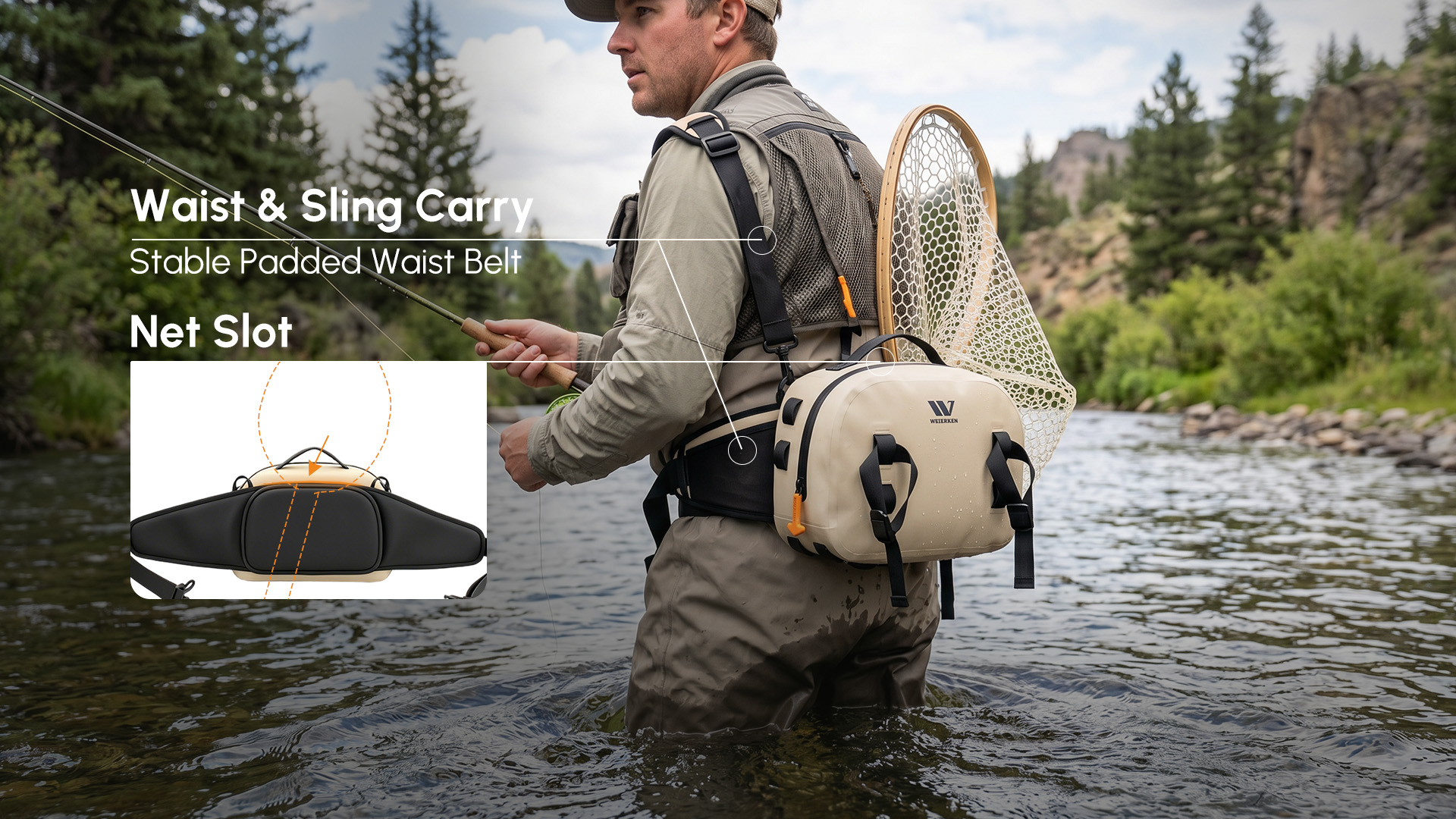
3.1 Ergonomic 4-Point Harness Design
Chest packs hold dense, heavy gear away from the body's natural center of gravity. A poorly engineered harness strains the neck and upper back after a few hours of casting.
- 3D Spacer Mesh Backing: Line both the harness yoke and pack backboard with breathable 3D air-mesh (typically 8mm to 10mm thickness). This structure cushions the chest, distributes shoulder load, and allows air to move freely during hot summer hikes.
- Modular Buckle Placement: Place low-profile, quick-release buckles at all four attachment points. This allows anglers to remove the harness entirely and mount the pack directly to the front shoulder straps of larger wader systems or multi-day backpacks.
3.2 Dedicated Tool Stations and Docks
Every piece of external hardware on your pack must serve a specific angling purpose. Loose tools snag on fly lines during casting, so streamline the pack's front face.
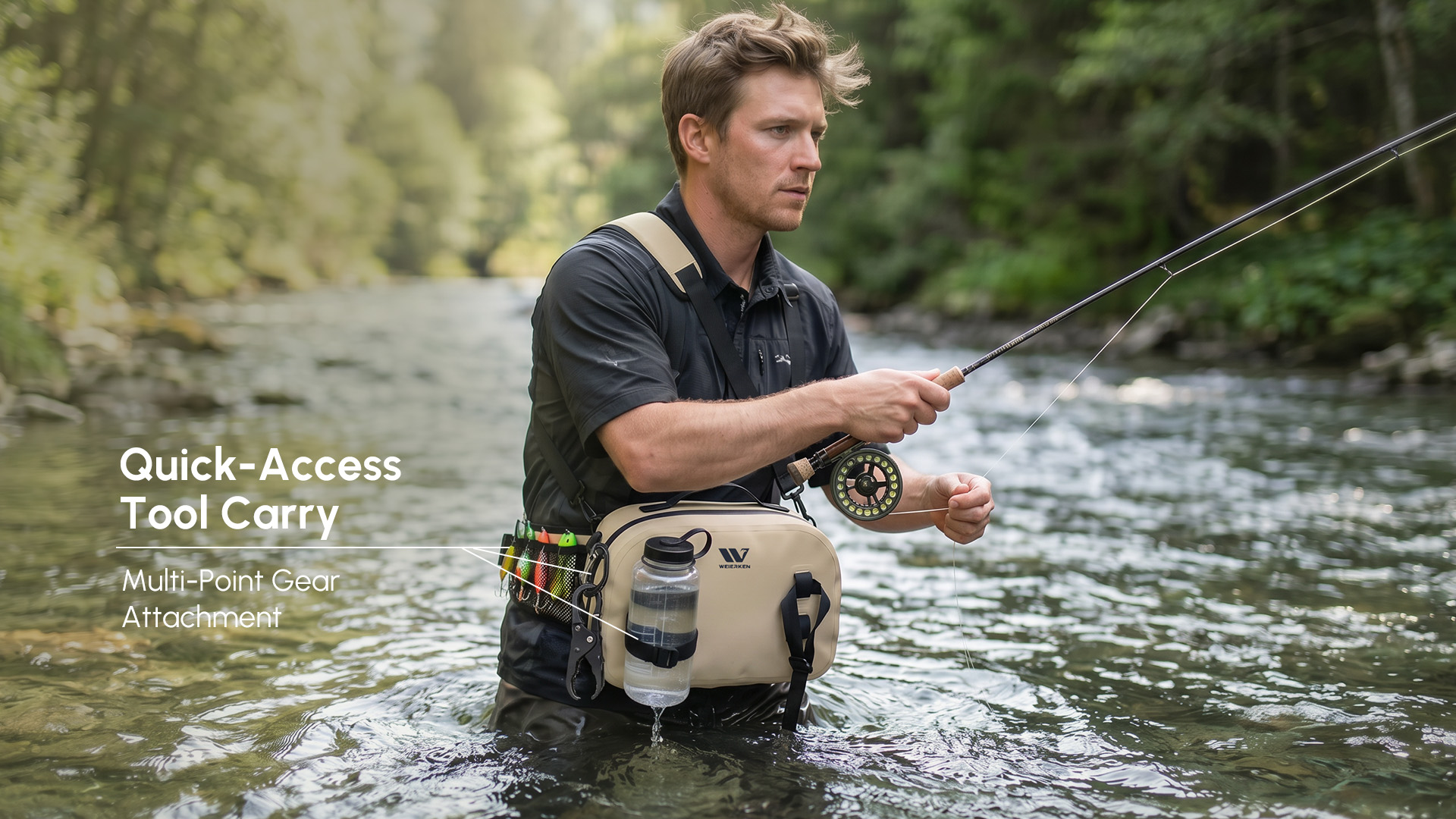
Incorporate molded, recessed docking stations for fishing forceps and hemostats. These docks hold tool tips flat against the pack face, held firm by hypalon retainers or hidden neodymium magnets. Add a molded tippet bar on the lower base to hold up to four standard tippet spools, secured with an elastic shock cord for rapid access.
Laser-cut Hypalon or TPU MOLLE loops provide a clean, modern aesthetic. Unlike bulky nylon webbing, laser-cut arrays lay flush against the fabric shell while providing solid anchor points for retractors (zingers), wading staff leashes, and floatant caddies.
Finish the front drop-down workstation with a hook-and-loop velcro field. Anglers use this base to mount replaceable, high-density EVA foam fly-drying patches.
4. Private Label Branding and Custom OEM Solutions
Moving from an initial concept sketch to high-volume manufacturing requires balancing structural design with brand identity. At Weierken, our engineering teams collaborate with OEM and private label clients to dial in these production variables.
4.1 Logo Application Methods
Traditional embroidery creates hundreds of needle perforations through face fabrics, destroying waterproof integrity. For technical fishing packs, use alternate branding methods:
- RF High-Frequency Welding: Fuses thin, durable TPU logos directly onto the shell material without heat damage or stitching.
- Molded Matte Silicone Badges: Delivers a clean, dimensional look that resists salt, sun, and dirt.
- Reflective Silk Screening: Uses retro-reflective inks to increase angler visibility during early morning hikes and late-evening fishing sessions.
4.2 Interior Architecture
Organizing internal gear matters just as much as setting up exterior tool docks. The main compartment should feature a drop-down work tray that opens to a rigid 90-degree stop using nylon support gussets. This stops tackle boxes from falling into the river when the pack opens.
Install high-visibility interior lining fabrics, such as safety orange, light grey, or lime green. Dark interior pockets swallow small items like hook files, split shot, and indicator packs in low light. Bright linings reflect ambient light and help anglers find small tackle quickly.
5. Quality Control: Testing Sample Packs
Before moving a production run through factory tooling, test your physical prototypes under field and laboratory conditions. A thorough testing process prevents costly product recalls and protects your brand's reputation.
- Water Submersion Tank Testing: Submerge the closed pack in a clear testing tank under 0.5 meters of water for 30 minutes. Check seams, zipper welds, and material folds for air bubbles or micro-leaks. Weigh the pack before and after to detect hidden internal water gain.
- Hardware Pull-Force Testing: Anchor harness straps and pull them to failure using a tensile test machine. Webbing anchor points, D-rings, and release buckles should hold 25 to 30 kg of direct pull force without tear-out.
- Continuous Salt Spray Exposure: Place all metal components and zipper sliders into an ASTM B117 salt fog chamber for 72 to 120 continuous hours. Reject any components showing signs of surface pitting, red rust, or bound sliders.
Frequently Asked Questions
Q1: What is the typical Minimum Order Quantity (MOQ) for custom private label fishing chest packs?
A1: Standard MOQs usually run between 300 and 500 units per colorway for cut-and-sewn designs using existing stock fabrics. For fully submersible packs requiring RF-welded tooling, custom TPU film colors, and airtight zippers, factory minimums typically range from 500 to 1,000 units to offset setup and mold costs.
Q2: Can we achieve complete submersible waterproofing with standard stitched construction?
A2: No. Every needle pass creates a hole in the fabric. While hot-air seam-taping covers stitch lines on PU-backed fabrics to stop rain, heavy water pressure during full immersion will eventually force moisture past the tape edges. Reliable IPX7 or IPX8 submersible performance requires RF welding or ultrasonic bonding on TPU-coated textiles.
Q3: What makes a chest pack specific to fly fishing compared to conventional lure fishing?
A3: Fly fishing chest packs require smooth, snag-free front profiles so loose fly line does not catch during double-haul casts. They also need specific features like tippet spools, drying patches, and forceps docks. Lure fishing packs focus more on deeper utility boxes, split-ring pliers sleeves, and heavier external lure-hanging rails.
Q4: How long does the product development cycle take from technical sketch to mass shipment?
A4: A typical OEM project takes 3 to 4 weeks for initial pattern cutting and sample delivery. After prototype sign-off, mass manufacturing generally requires 45 to 60 days, depending on technical material availability and custom hardware tooling needs.
Q5: Is it possible to use recycled fabrics without compromising waterproof ratings?
A5: Yes. High-grade post-consumer recycled nylon and polyester can match virgin yarns in tensile strength. When laminated with durable TPU films and coated with non-fluorinated C0 DWR, recycled fabrics deliver identical tear resistance and hydrostatic pressure ratings while meeting global environmental standards.
Building high-performing private label fishing chest packs requires balancing lightweight carry comfort with technical weather protection. Getting the balance right between 840D TPU fabrics, submersible closures, and modular harness rigging determines whether your gear stays on retail shelves or becomes an angler's favorite companion on the river.
Work with an experienced manufacturing partner to streamline material sourcing, avoid common sealing mistakes, and speed up your time to market. Weierken provides end-to-end design, tooling, welding, and mass-production services for technical outdoor brands worldwide.
Ready to develop your technical pack line? Contact our manufacturing team today to request a quote or order your initial prototype sample.