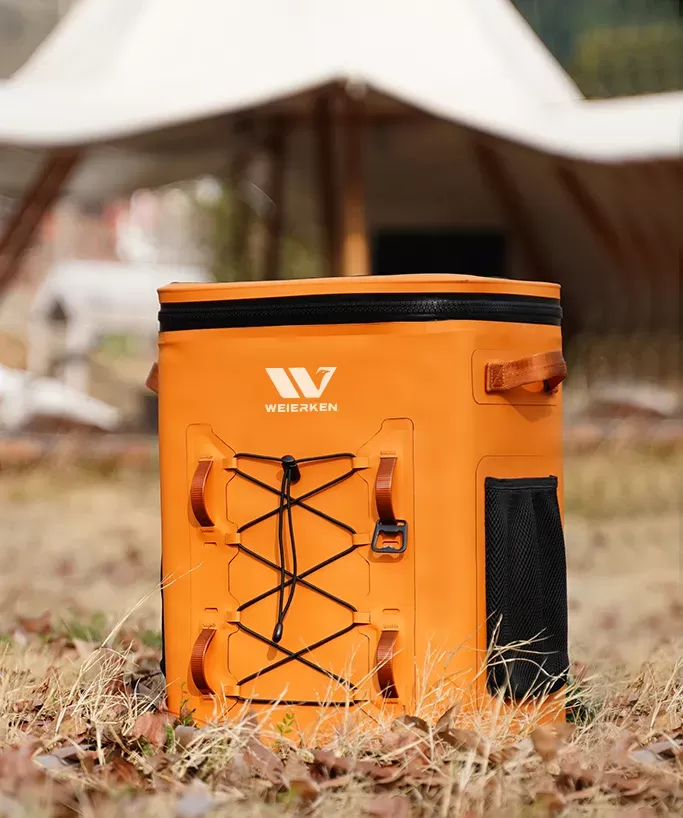

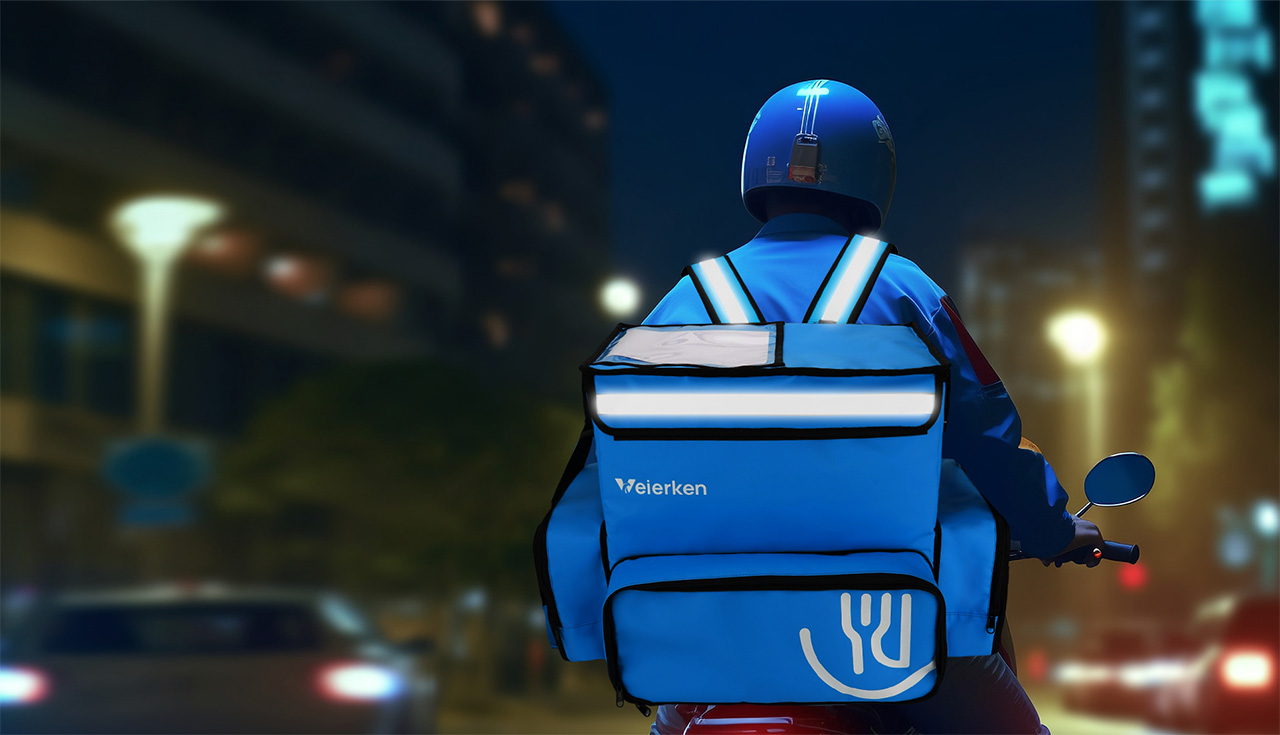
Abonnement-Mahlzeiten-Kit-Unternehmen und frisch zubereitete Lebensmittelplattformen stehen unter einem intensiven operativen Druck. Steigende Arbeitskosten, unvorhersehbare Kraftstoffpreise und strengere Vorschriften zur Verpackungsabfallvermeidung haben die Mängel von Einweg-Wellpappkartons und petroleum-basierten Schaumstoffeinlagen aufgezeigt. Das Entsorgen von zwanzig Pfund Pappe und Gel-Packs jede Woche frustriert umweltbewusste Abonnenten und schränkt direkt die Erfüllungsmargen ein.
Vorausschauende Supply-Chain-Direktoren ersetzen Einweg-Pappe durch zirkuläre, geschlossene Liefersysteme. Die Beschaffung von Industrieausrüstung erfordert einen spezialisierten Partner. Ein standardmäßiger Werbetaschenhersteller kann keinen Kühler bauen, der sechzig gewerbliche Waschzyklen übersteht und dabei rohe Proteine unter 4°C für zwei Tage am Stück hält. Führende Marken verlassen sich auf bewährte Produktionspartner wie Weierken, um Kühllogistiksysteme zu entwickeln, die aggressive gewerbliche Logistik überstehen.
Dieser Leitfaden analysiert die technischen Benchmarks, thermischen Materialinnovationen und globalen Fertigungsrealitäten, die Sie bewerten müssen, wenn Sie einen Hersteller von wöchentlichen Mahlzeitenlieferbeuteln im Jahr 2026 auswählen.
1. Kühllogistik-Engineering: Über grundlegenden Schaum hinaus
Das Hauptziel eines jeden Lieferbeutels ist der Schutz temperaturempfindlicher Lebensmittelprodukte. Wenn Milchprodukte, Geflügel oder Meeresfrüchte während einer unerwarteten vierstündigen Verzögerung auf der Veranda Mitte Juli warm werden, kann die daraus resultierende Lebensmittelsicherheitsgefahr Abwanderung auslösen und Ihrer Marke schaden. Geben Sie sich nicht mit Fabriken zufrieden, die einfach zusätzliche Schichten aus standardmäßigem expandiertem Polyethylen (EPE) Schaum hinzufügen.
Fortschrittliche Isolierverbundstoffe
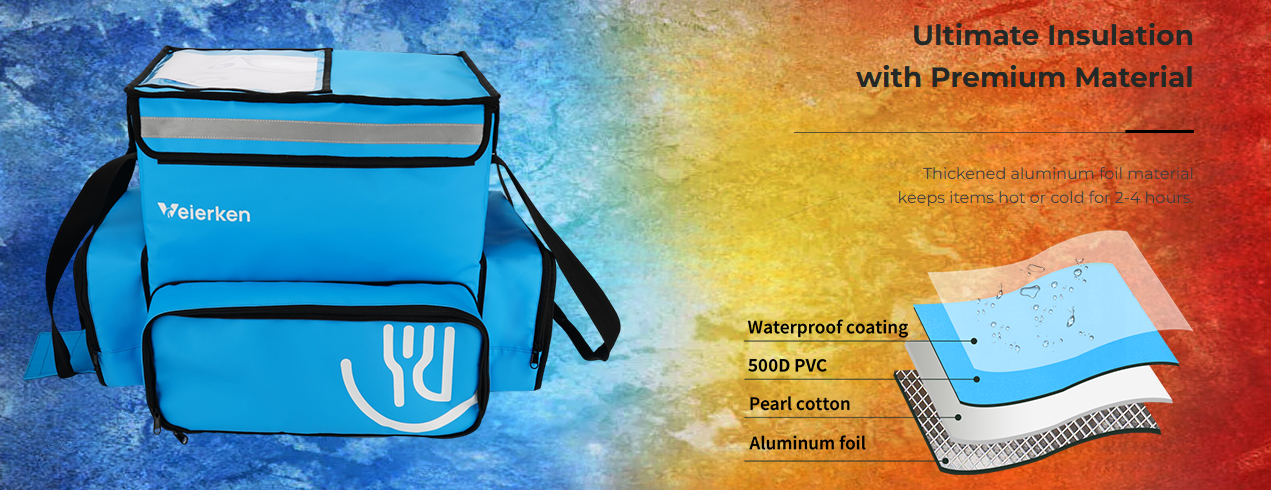
Top-tier isolierte Lebensmittel-Lieferbeutel-Fabriken entwickeln maßgeschneiderte Multi-Material-Thermosandwiches. Bewerten Sie, ob Ihr potenzieller Lieferant mit Hochleistungs-Isolierungstechnologien arbeitet:
Vakuum-Isolationspaneele (VIP): VIP-Einsätze bieten thermische Leitfähigkeitswerte (k-Werte), die weit überlegen sind gegenüber standardmäßigem Schaum. Die Integration von dünnen VIP-Paneelen in die Wände ermöglicht es den Beuteln, Temperaturen zwischen 2°C und 8°C (35,6°F bis 46,4°F) für 36 bis 48 Stunden bei extremer Sommerhitze aufrechtzuerhalten.
Aerogel-infused Stoffe: Aerogel-Decken bieten maximale thermische Widerstandsfähigkeit bei minimalem Volumen. Sie verhindern thermische Brücken an Ecken und Reißverschlussnähten, während sie den Beutel leicht halten.
Hochdichte geschlossenzellige PU/EVA: Dichte elastomere Schäume widerstehen über die Zeit der Kompression. Billige Schäume kollabieren nach drei Lieferwegen und hinterlassen Lufttaschen, die die thermische Retention zerstören.
Integration von Phasenwechselmaterial (PCM)
Lose Eispackungen in einen Beutel zu werfen, schafft ungleichmäßige kalte Zonen. Gefrierende Luft sinkt ab, wodurch Gegenstände oben anfällig für Verderb werden, während empfindliches Gemüse unten gefriert. Eine fähige Fabrik entwirft maßgeschneiderte Fächer für Phasenwechselmaterialien (PCM) oder Trockeneisblöcke. Diese speziellen Taschen maximieren die passive Konvektion und schützen empfindliche Blätter vor direktem Frostkontakt.
Nahtlose Radiofrequenz (RF) geschweißte Einlagen
Traditionelles Nähen sticht Tausende von Stichlöchern durch die innere Auskleidung. Wenn Eispackungen schwitzen, dringt Feuchtigkeit durch diese Löcher in die innere Isolationsschicht ein. Diese eingeschlossene Feuchtigkeit fördert Schimmelbildung, erzeugt unangenehme Gerüche und degradiert den Schaum.
Forderung nach nahtlosem Hochfrequenz-RF (Radiofrequenz)-Schweißen für alle inneren Nähte. Geschmolzen verklebte Nähte schaffen ein vollständig auslaufsicheres Becken. Wenn ein Knochenbrühe-Glas bricht oder ein Joghurtbecher während des Transports reißt, bleibt die Verschüttung enthalten und lässt sich leicht reinigen, ohne die Isolierung zu kontaminieren.
2. Entwickelt für zirkuläre Logistik: Haltbarkeit und Umlaufzeiten
Ein erfolgreicher Übergang zu zirkulären Lieferverpackungen hängt von der Kosten-pro-Fahrt-Metrik ab. Ein wiederverwendbarer Kühlbehälter für 25 $ der bei der vierten Fahrt bricht kostet Sie 6,25 $ pro Umlauf. Eine strapazierfähige Liefertasche für 35 $, die siebzig Umläufe abschließt, senkt die Verpackungskosten auf nur 0,50 $ pro Ablieferung. Bei der Prüfung einer Kühlkette Taschenfabrik sollten Sie deren mechanische Haltbarkeitsteststandards überprüfen.
Verschleißfeste Schalenstoffe
Liefertaschen werden ständig beansprucht. Fahrer ziehen sie über Betonauffahrten, werfen sie in Lieferwagen und stapeln sie sechs hoch in gekühlten Hubs. Suchen Sie nach Fabriken mit Erfahrung in strapazierfähigen Textilien:
900D bis 1680D ballistisches Polyester oder Oxford: Hohe Denierzahlen mit doppelseitigen TPU (Thermoplastisches Polyurethan)-Laminierungen widerstehen Oberflächenrissen und blockieren Regen, Matsch und Straßenschmutz.
Verstärkte Gleifüße und geformte EVA-Böden: Hochbelastete Basiszonen benötigen schützende Gummipuffer oder kompressionsgeformte Böden, die strukturelle Stoffe vom nassen Asphalt abheben.
Verstärkung an Stresspunkten und Hardware
Eine wöchentliche Liefertasche, die mit sechs Familienmahlzeiten, Getränkeflaschen und Kühlblöcken gefüllt ist, wiegt routinemäßig 12 bis 18 Kilogramm. Schwache Gurtbefestigungen versagen unter diesen Lasten. Ihr Fertigungspartner sollte computerisierte Muster- Bartack-Nähte und intern gekreuzte Gurtbänder verwenden, die sich vollständig um das Taschenchassis wickeln und die Last über die Basis verteilen.
Bestehen Sie auf übergroßen, staubdichten Reißverschlüssen (wie YKK #10 Spirale oder polyurethanbeschichtete wasserdichte Reißverschlüsse). Die Zähne des Reißverschlusses müssen hohen seitlichen Zugkräften standhalten, ohne sich beim Überfüllen zu öffnen.
Kollapsbares, platzsparendes Design
Leere Taschen zurück zu Ihren Fulfillment-Zentren zu bewegen, verbraucht teuren Frachtvolumen. Eine Fabrik mit starker struktureller Ingenieurkunst kann zusammenklappbare Wände bauen, die die Tasche auf 25 % ihres erweiterten Volumens zusammenfalten. Diese kompakte Grundfläche ermöglicht es den Partnern der Rücklogistik, viermal so viele leere Einheiten pro Palette zurückzuführen, was die Rücksendekosten direkt senkt.
3. Lebensmittelsicherheit, Sanitär- und Hygienekompliance
Die Wiederverwendung von Lebensmittelbehältern bringt Risiken der Kreuzkontamination mit sich. Rückgabetaschen kommen mit Küchentischen, Veranden und industriellen Waschsystemen in Kontakt. Ihr Lieferant muss Produkte entwerfen, die eine schnelle, zuverlässige Sanitärreinigung unterstützen.
Lebensmittelkontaktgrad-Zertifizierungen
Stellen Sie sicher, dass alle Innenmaterialien, die mit Mahlzeitenbehältern in Kontakt kommen, strenge globale chemische Sicherheitsprüfungen bestehen. Ihr Lieferant muss aktuelle Testdokumentationen von akkreditierten unabhängigen Laboren (SGS, Intertek oder TÜV) bereitstellen, die die Einhaltung von:
FDA 21 CFR 177.1520: Sicherheit für den direkten Lebensmittelkontakt für Polyolefin-Kunststoffe.
Europäischer LFGB & EU 10/2011: Umfassende Sicherheitsprüfungen, die bestätigen, dass keine giftigen Weichmacher, Blei oder flüchtige organische Verbindungen auf Lebensmittelverpackungen migrieren.
Reichweite & RoHS: Bestätigung, dass äußere Stoffe, Gurtbänder und Beschichtungen frei von gefährlichen Phthalaten, PFAS und schweren Metallen sind.
Antimikrobielle und geruchshemmende Technologie
Das manuelle Abwischen von Hunderten zurückgegebener Taschen verschwendet wertvolle Arbeitskraft. Führende Fabriken integrieren antimikrobielle Zusätze auf Silberionen- oder Zinkpyrithionbasis direkt in das TPU- oder PEVA-Innenfutter. Diese Chemie stört die bakteriellen Zellwände, verhindert saure Gerüche von Lebensmitteln und stoppt das Wachstum von Schimmel zwischen den Erfüllungszyklen.
4. Resilienz der Lieferkette und globale Zollstrategie
Handelsstörungen, Engpässe bei Versandcontainern und sich ändernde Zollrichtlinien können die Essenslieferbetriebe sofort stören. Ein einziger Produktionsengpass kann dazu führen, dass Sie während der Spitzenwochen ohne Verpackung dastehen. Die Bewertung eines kommerziellen Partners für isolierte Liefertaschen erfordert eine genaue Betrachtung ihrer Produktionsstandorte und Rohstofflieferketten.
Der "China + Südostasien" Dual-Hub-Vorteil
Die ausschließliche Abhängigkeit von einem einzigen Produktionsstandort schafft unnötige finanzielle und logistische Risiken. Führende Hersteller verteilen Fabriken über das Festland China und Südostasien, wie Kambodscha:
| Strategischer Faktor | Fabrik auf dem Festland China | Fabrik in Kambodscha |
|---|---|---|
| Kernbetriebsrolle | Schnelle Konstruktion, maßgeschneiderte Werkzeuge, Materialentwicklung, schnelle Mustererstellung. | Hochvolumige Zuschneide- und Nähmontage, Containerladungserfüllung. |
| Lieferketten-Ökosystem | Sofortiger Zugang zu spezialisierten technischen Stoffen, maßgeschneiderten Reißverschlüssen und Formen. | Zuverlässige gebundene Importe von verifizierten Komponenten mit niedrigen Arbeitskosten. |
| Zoll & Tarife | Unterliegt den Zöllen gemäß Abschnitt 301 beim Import in die Vereinigten Staaten. | Begünstigter Zollstatus und Zollbefreiungen für US- und EU-Märkte. |
| Beste Nutzung | Dringende Prototyp-Iterationen, Spezialproduktionen in niedrigem Volumen, Technologie-Upgrades. | Massenproduktionsstarts für landesweite kreisförmige Lieferprogramme. |
Die Zusammenarbeit mit einem Lieferanten, der eigene Werke in beiden Regionen verwaltet, bietet Ihnen das Beste aus beiden Welten. Sie profitieren von Chinas fortschrittlichem Ingenieur-Ökosystem, während Sie Volumenproduktionen aus Kambodscha beziehen, um die Landekosten zu senken und Ihre Margen gegen Handelsstreitigkeiten zu schützen.
Skalierbare Produktionskapazität
Abonnement-Lebensmittelprogramme sind auf regelmäßige Lieferpläne angewiesen. Arbeiten Sie nicht mit kleinen Werkstätten zusammen, die über keine Arbeitskräfte verfügen. Ein verifizierter Produktionspartner sollte über mehr als 50.000 Quadratmeter Produktionsfläche verfügen, eine stabile Belegschaft von 2.000 oder mehr qualifizierten Arbeitskräften beschäftigen und dedizierte Schweißlinien betreiben, um Spitzenaufträge ohne Fristüberschreitungen zu erfüllen.
5. Warum Weierken die strategische Wahl für kreisförmige Liefertaschen ist
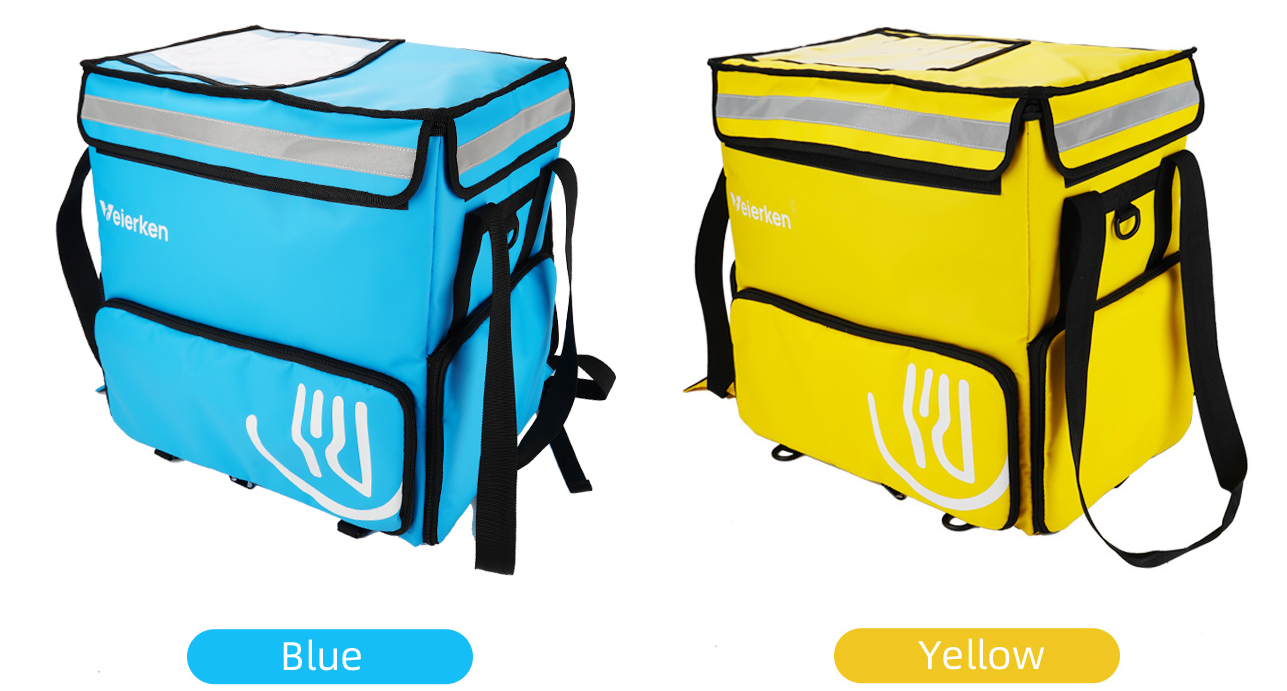
Die Verwaltung der technischen Details, der thermischen Retentionsleistung und der Handelsregeln von kreisförmigen Verpackungen erfordert einen erfahrenen Produktionspartner. Weierken bietet industrielle Fertigung, die speziell für geschlossene Lieferketten von Essenskits entwickelt wurde.
Gegründet im Jahr 2006 bringt Weierken zwei Jahrzehnte Erfahrung in der Präzisionsfertigung für technische Taschen, kommerzielle Lieferausrüstung und hochleistungsfähige thermische Isolationsprodukte mit. Mit drei eigenen Fabriken in China und Kambodscha, die über 80.000 Quadratmeter abdecken, beschäftigt Weierken 3.000 qualifizierte Arbeitskräfte, um massive, zuverlässige Produktionsläufe zu unterstützen.
Weierken bietet maßgeschneiderte OEM und ODM-Ingenieurdienstleistungen für die weltweit anspruchsvollsten Abonnement-Lebensmittelmarken:
Validierter Kälteschutz: In-house Umweltschränke testen thermische Retentionsprofile von -20°C bis +40°C und überprüfen, ob maßgeschneiderte Designs Ihre genauen Haltbarkeitsziele erfüllen.
Für harte Waschzyklen gebaut: Mit strapazierfähigen TPU-Beschichtungen, versiegelten RF-Schweißnähten und verstärkten Bartack-Stressverbindungen bewältigen Weierken-Taschen routinemäßig über 80 gewerbliche Reinigungs- und Lieferzyklen.
IoT-Asset-Tracking-Integration: Weierken näht maßgeschneiderte RFID-Chips, NFC-Tags und Barcode-Fenster direkt in das Taschenchassis, was Ihrer Logistikplattform eine Echtzeitverfolgung über Ihre gesamte Verpackungsflotte ermöglicht.
Verifiziertes Umwelt-Source: Als zertifizierter Anbieter liefert Weierken GRS-zertifizierte rPET-Stoffe, die aus recycelten Flaschen gesponnen werden, zusammen mit ungiftigen, recycelbaren TPU-Folien, um Ihre Unternehmens-ESG-Kennzahlen zu erreichen.
Vertraut von mehr als 2.000 globalen Marken und gewerblichen Liefernetzwerken kombiniert Weierken hohe Effizienz in großen Mengen mit tiefem technischem Fertigungs-Know-how.
Häufig gestellte Fragen (FAQ)
Q1: Welche thermischen Retentionsbenchmarks sollte ich für eine wöchentliche Essenslieferungstasche verlangen?
Ihre Taschen sollten die Innentemperaturen der Lebensmittel unter 4°C (40°F) für mindestens 24 bis 36 Stunden halten, wenn sie unter Außenbedingungen von 35°C (95°F) getestet werden. Für Routen, die gefrorene Waren oder Langstreckensendungen behandeln, suchen Sie nach Isolationssystemen, die -18°C (0°F) bis zu 24 Stunden lang mit Trockeneis oder gezielten Phasenwechselmaterialien aufrechterhalten.
Q2: Wie senken wiederverwendbare Lieferbeutel die Betriebskosten im Vergleich zu Kartons?
Einweg-Kartonagen, Luftpolsterfolien und Einwegkleber kosten zwischen 3,00 und 6,00 USD pro Sendung. Eine wiederverwendbare Kühltasche in Industriequalität, die 30 USD kostet und 60 Lieferzyklen übersteht, senkt Ihre Verpackungsmaterialkosten auf nur 0,50 USD pro Lieferung. Dieser Wechsel bringt erhebliche jährliche Verpackungseinsparungen bei hochvolumigen Abonnementrouten.
Q3: Können diese Lieferbeutel gewerbliche Hochdruckreinigung und Desinfektionstunnel überstehen?
Ja, vorausgesetzt, sie sind speziell für die industrielle Reinigung gebaut. Taschen, die mit TPU-laminierten Schalen, nahtlosen RF-geschweißten Innenfuttern und geschlossenzelligem EVA-Isoliermaterial gebaut sind, absorbieren während Hochdruckreinigungen kein Wasser. Sie vertragen Desinfektionsmittel und trocknen schnell, ohne innere Fasern zu verrotten.
Q4: Wie senken klappbare Designs die Kosten für Rücklogistik-Transport?
Standardsteife Kühler nehmen das gleiche Frachtvolumen ein, ob voll oder leer, was Rücksendungen teuer macht. Klappbare Lieferbeutel verwenden genutete Strukturpaneele und strategische Faltlinien, um auf etwa ein Viertel ihrer erweiterten Größe komprimiert zu werden. Dies ermöglicht es Routenfahrern und Paketdiensten, viermal so viele leere Einheiten in jedes Rückfahrzeug zu packen.
Q5: Wie reduziert die Beschaffung über Weierkens Einrichtung in Kambodscha die Importkosten?
Sendungen von Textiltaschen, die im chinesischen Festland hergestellt werden, unterliegen hohen Section 301-Zöllen zusätzlich zu den Basiszöllen. Die Beschaffung großer Produktionsläufe aus Weierkens vollständig konformer Fabrik in Kambodscha ermöglicht es nordamerikanischen und europäischen Käufern, diese strafenden Zölle zu reduzieren oder zu umgehen, was die Landekosten erheblich verbessert.
Q6: Können wir Barcode-Tracking oder RFID-Tags in das Taschendesign integrieren?
Ja. Eine spezialisierte Fabrik kann UHF-RFID-Transponder, NFC-Chips oder hochdichte QR-Code-Patches direkt in die strukturellen Nähte unter klaren, UV-beständigen TPU-Fenstern integrieren. Dies ermöglicht eine Hochgeschwindigkeits-Scannung durch automatisierte Sortierzentren und ermöglicht es Ihnen, den Verlust der Flotte, die Anzahl der Taschenwechsel und die Reinigungspläne zu überwachen.
Bauen Sie eine widerstandsfähige, nachhaltige Lieferflotte auf
Die Umstellung Ihres Abonnementdienstes auf zirkuläre Lebensmittelverpackungen erfordert die Bewertung des gesamten Lebenswerts anstelle der Verfolgung des niedrigsten anfänglichen Stückpreises. Der richtige Produktionspartner schützt Ihre Kühlkette, senkt Ihre Verpackungskosten pro Lieferung und isoliert Ihr Unternehmen von Lieferketten-Schocks.
Verbessern Sie Ihre Fulfillment-Operationen mit bewährter, industrietauglicher Ausrüstung. Kontaktieren Sie noch heute das Kühlketten-Ingenieurteam von Weierken, um Leistungsdaten zu überprüfen, eine Fabrikberatung anzufordern und Mustergeräte für Ihr Lieferprogramm 2026 zu sichern.