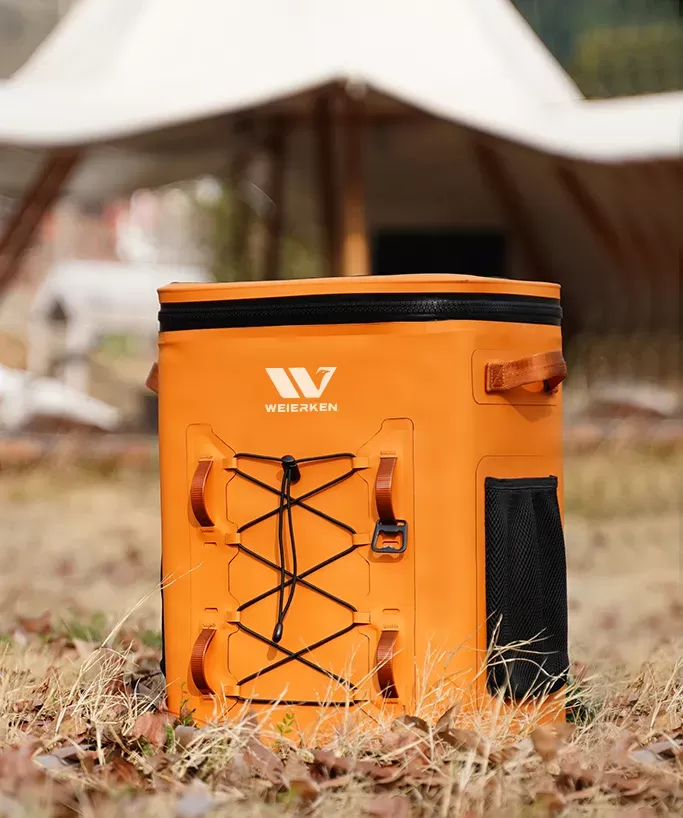

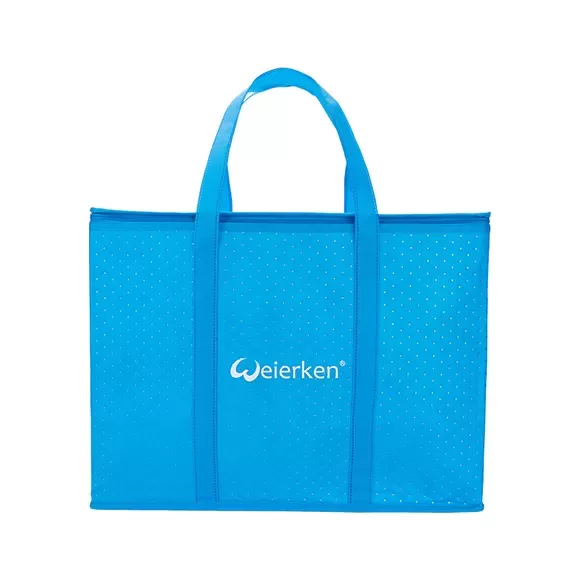
Die Marken für Essensabonnements stehen vor einem brutalen Test der Stückkosten. Die Kosten für die Kundengewinnung (CAC) bleiben hartnäckig hoch, während die Kundenabwanderung wenig Spielraum für Erfüllungsabfälle lässt. Doch einer der größten Lecks in der Gewinn- und Verlustrechnung versteckt sich direkt im Blickfeld: Einweg-Lieferverpackungen.
Jede einzelne Woche packen die Erfüllungsteams Mahlzeiten in Wellpappkartons mit Luftpolsterfolien und Kühlpacks. Ein Einweg-Set kostet zwischen 4,00 und 7,00 USD pro Versand. Das sind reine Betriebsausgaben (OpEx), die nach nur einem Versand verbrannt werden. Schlimmer noch, Ihre Abonnenten müssen jede Woche massive Pappstapel abbauen, was ein ansonsten großartiges Esserlebnis in eine Recyclingaufgabe verwandelt.
Der Wechsel von Einwegpapier zu kommerziellen, mehrfach verwendbaren Behältern verändert diese Gleichung vollständig. Die Investition in langlebige große isolierte Taschen für Essensabonnements verwandelt wiederkehrende Verpackungsabfälle in einen abschreibbaren Betriebsvermögenswert. Wenn Marken Importmakler ausschalten und maßgeschneiderte Lieferbeutel direkt von einem Industriehersteller wie Weierken beziehen, sinken die Erfüllungskosten innerhalb der ersten beiden Abrechnungszyklen um mehr als 70 %.
Die ROI-Mathematik der direkten Beschaffung: Kosten-pro-Fahrt-Ökonomie
Beschaffungsexperten können Investitionsausgaben nicht ohne verteidigbare Zahlen rechtfertigen. Um die tatsächliche Rendite (ROI) zu bewerten, beurteilen die Supply-Chain-Teams die Verpackung über die Kennzahl Kosten-pro-Fahrt (CPT):
CPT = (Anschaffungspreis + Frachtkosten) / Gesamte nutzbare Umsatzzyklen
Wenn Plattformen generische Taschen über inländische Händler kaufen, treiben hohe Aufschläge die Stückkosten in die Höhe. Handelsunternehmen schlagen importierte Waren um 40 % bis 60 % auf, um die Gemeinkosten zu decken, doch diese Einzelhandels-Taschen überstehen selten kommerzielle Routen. Im Gegensatz dazu produziert die direkte Partnerschaft mit einem industriellen OEM eine überlegene kommerzielle Bauweise zu einem nicht aufgeblähten Fabriktürpreis.
| Verpackungs- / Beschaffungsmodell | Anschaffungskosten | Durchschnittliche nutzbare Lebensdauer | Kosten-pro-Fahrt (CPT) | Jährliche Ausgaben (100.000 Lieferungen) |
|---|---|---|---|---|
| Einweg-Wellpappkarton + Innenverpackung | 5,00 USD / Set | 1 Fahrt (Weggeworfen) | 5,00 USD | 500.000 USD |
| Lokaler Händler (Lager wiederverwendbare Tasche) | 22,00 USD / Tasche | 40 - 50 Fahrten | 0,44 USD | 44.000 USD |
| Weierken Direkt OEM Fabrik Tasche | 9,50 USD / Tasche | 80 - 100 Fahrten | 0,095 - 0,11 USD | 9.500 - 11.800 USD |
Die finanzielle Schlussfolgerung ist klar. Bei über 100.000 jährlichen Lieferungen befreit der Wechsel zu industriellen wiederverwendbaren Verpackungen für Essensabonnements über 480.000 USD an Bruttomarge. Durch die direkte Zusammenarbeit mit einer erfahrenen Fabrik für isolierte Lieferbeutel in großen Mengen beseitigen die Beschaffungsleiter Handelsfriktionen, reduzieren Verpackungsabfälle und amortisieren das Vermögen schnell über die ersten 3 bis 4 Umläufe.
Ingenieurmäßige Haltbarkeit: Warum generische Kühlboxen kommerzielle Routen nicht bestehen
Die meisten kommerziell erhältlichen Kühlertaschen brechen innerhalb von Wochen nach der Hub-und-Spreizung-Verteilung zusammen. Eine typische Familiengröße-Abonnementbestellung enthält 8 bis 16 zubereitete Mahlzeiten zusammen mit gefrorenen Gelsteinen, was die Gesamtlast zwischen 15 kg und 25 kg drückt. Gewöhnliche Verbrauchertaschen reißen an den Nahtlinien, lecken geschmolzene Kondensation und verbiegen sich unter dem Gewicht.
Industrielle OEM-Produktion verlässt sich auf Strukturengineering, um eine echte Lebensdauer von 100 Fahrten zu sichern.
1. Anti-Sagging Basisunterstützung
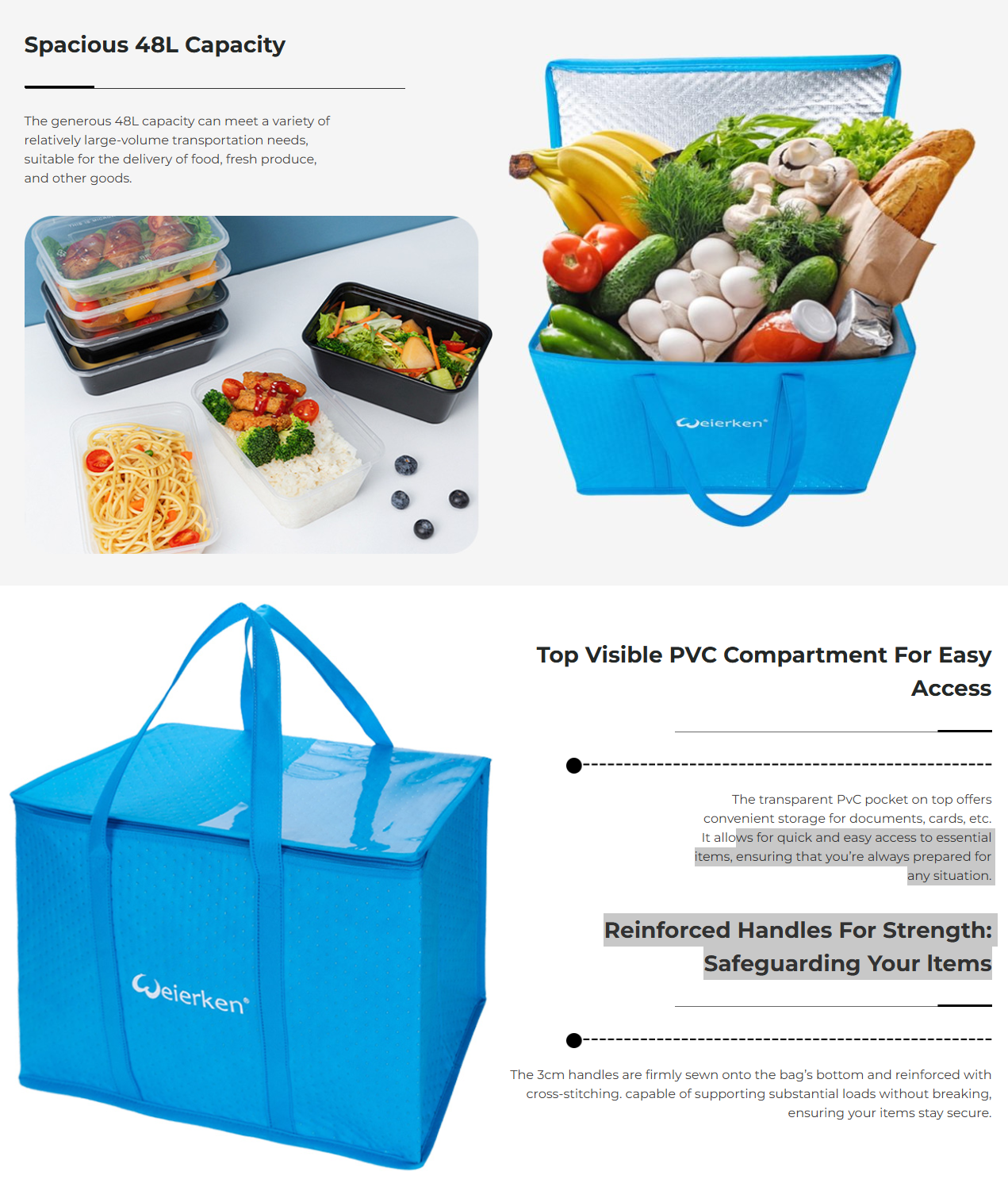
Wenn Lieferfahrer eine beladene Tasche an den Griffen aufheben, biegt sich eine schwache Basis in der Mitte durch. Dieses Durchhängen zerdrückt Essensschalen am Boden, bricht Folienversiegelungen und verursacht Kundenansprüche. Hochspezifizierte OEM-Taschen integrieren hochdichte Polypropylen (PP) oder Polyethylen (PE) Wabenbasisplatten. Diese strukturellen Einsätze verteilen schwere Lasten gleichmäßig und erhalten einen aufrechten, stapelbaren Fußabdruck in Lieferwagen.
2. Kontinuierliches Umwickeln tragender Gurtbänder
Oberflächen-genähte Gurte versagen unter industrieller Ermüdung. Ein gewerbliches Trägersystem erfordert hochfestes Polyester-Gurtband, das vollständig unter dem Boden der Tasche gewickelt ist. Die Last ruht in einer kontinuierlichen Gurtbandwiege, anstatt direkt auf dem äußeren Stoff der Hülle zu ziehen. Stark beanspruchte Befestigungspunkte erhalten computergesteuertes Box-X-Nähen und interne Bar-Tacking, um rauhen Fahrerhandhabungen standzuhalten.
3. Flachfaltende Kompression für Rücklogistik
Ein geschlossener Liefermodell bricht zusammen, wenn die Rücktransportkosten zu hoch sind. Rücktransportwege erfordern Taschen, die auf einen Bruchteil ihrer Arbeitsgröße komprimiert werden können. Erfahrene OEM-Ingenieure integrieren präzise Perimeterfalten und interne elastische Rückhalteschläuche. Fahrer können leere Taschen in fünf Sekunden zusammenfalten, wodurch das Rückvolumen um bis zu 80% reduziert wird. Dies senkt direkt die Rückversandkosten von 3PL und verringert den Staging-Fußabdruck im Depot.
2026 Zollschutz durch Dual-Hub-Produktion
Handelsinstabilität und strafende Zölle bedrohen die Margen bei maßgeschneiderten kommerziellen Gepäckstücken. Die Beschaffung ausschließlich aus inländischen Lagern bedeutet, dass die von den Distributoren weitergegebenen Zollgebühren getragen werden müssen. Im Gegensatz dazu birgt die Zusammenarbeit mit einer Fabrik, die ausschließlich auf ein einziges Land festgelegt ist, das Risiko plötzlicher Handelsstrafen, wie z.B. Section 301-Zölle, die unvorhersehbare Kosten für Importdeklarationen hinzufügen.
Weierken betreibt ein integriertes Dual-Hub-Produktionsnetzwerk in China und Kambodscha, um hochvolumige Abonnementmarken zu schützen:
China-Anlage (BOM-Integration & Technische Prototypenentwicklung): Schnelle Materialbeschaffung, fortschrittliche thermische F&E, schnelle Mustererstellung und maßgeschneiderte Hardware-Entwicklung.
Kambodscha-Anlage (Zollgeminderte Massenproduktion): Großangelegte industrielle Schneid- und Montagelinien mit bevorzugtem Handelsstatus. Sendungen, die in die Vereinigten Staaten, nach Europa und Australien gehen, umgehen hohe Zölle und generieren Einsparungen bei den Gesamtkosten von 15% bis 25% im Vergleich zu herkömmlichen Einzelfallrouten.
Diese Dual-Footprint-Architektur ermöglicht es Unternehmen im Bereich Essenskit, sich gegen regulatorische Überraschungen abzusichern, ohne die Standards für Rohmaterialien oder die Produktionsgeschwindigkeit zu opfern.
Unternehmensgröße: Warum Weierken direktes Sourcing-ROI vorantreibt
Großangelegte Lieferunternehmen können nicht auf kleine Fertigungsbetriebe setzen, die während der Spitzenzeiten überfordert sind. Gegründet im Jahr 2006 bringt Weierken fast zwei Jahrzehnte präziser Fertigung in die temperaturkontrollierte Logistik ein und bedient mehr als 2.000 internationale Marken.
Die Partnerschaft mit unseren Anlagen bringt dedizierte Betriebs-vorteile:
Industrieller Maßstab: Über 80.000 Quadratmeter Produktionsfläche auf drei eigenen Fertigungscampus, besetzt von mehr als 3.000 ausgebildeten Bedienern. Wir bewältigen problemlos Bestellspitzen von 20.000 bis 200.000 Einheiten während nationaler Rollouts.
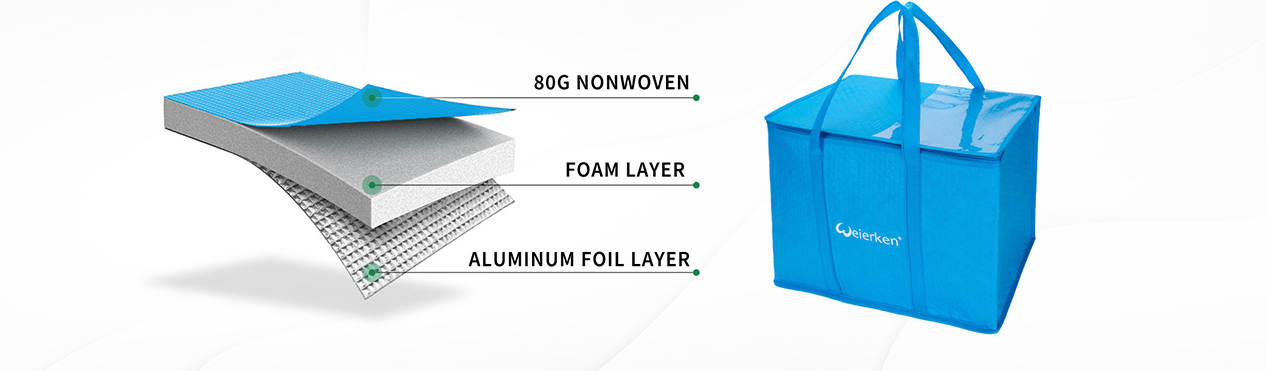
Direkte Rohmaterialbeschaffung: Wir beziehen strapazierfähige 900D/1680D TPU-laminierte Stoffe, geschlossenzellige, vernetzte Polyethylenschaumisolierung und auslaufsichere heißgepresste PEVA-Innenauskleidungen direkt von industriellen Mühlen, wodurch wir die Aufschläge von Drittanbietern aus Ihrer Stückliste entfernen.
Thermische Compliance-Validierung: Jede maßgeschneiderte isolierte Tasche wird strengen Tests in Umweltsimulationskammern unterzogen. Wir balancieren die Isolationsdicke gegen das Packgewicht, um die Temperaturen der Kühlkette unter 4 °C (40 °F) für 24 bis 48 Stunden aufrechtzuerhalten.
Dokumentierte ESG-Compliance: Wir bauen mit GRS-zertifizierten recycelten PET (rPET) Textilien und lebensmittelsicheren, PVC-freien Innenauskleidungen. Dies ermöglicht Abonnementmarken, nachweisliche Reduzierungen von Plastikabfällen zu zeigen und strengen Einzelhandelsanforderungen an die Nachhaltigkeit zu entsprechen.
Häufig gestellte Fragen
Q1: Wie halten große isolierte Taschen für Essensabonnements wiederholter industrieller Desinfektion stand?
A1: Kommerzielle Liefer-Taschen erfordern gründliche Reinigung zwischen den Ablieferungen, um die Lebensmittelhygienestandards zu erfüllen. Weierken stellt wiederverwendbare Innenauskleidungen aus dickem, lebensmittelechtem PEVA oder TPU her, die mit Hochfrequenz-Heißversiegelung anstelle von offenen Nähstichen montiert werden. Dies schafft ein 100% auslaufsicheres, nahtloses Innenleben, das chemischen Abwischungen, Hochdruckreinigungen und kommerzieller Sprühdesinfektion standhält, ohne Lebensmittelgerüche oder Feuchtigkeit aufzunehmen.
Q2: Was ist die optimale Isolationskonfiguration für 24 bis 36 Stunden Kältespeicherung?
A2: Die meisten Standard-Isoliertaschen verwenden billigen 5 mm offenen Zellenschaum, der im Laufe der Zeit zusammenfällt. Für die kommerzielle Essenslieferung kombinieren wir 10 mm bis 15 mm hochdichten, geschlossenzelligen NBR- oder EPE-Schaum mit äußeren Strahlungsbarrieren. Geschlossenzellige Strukturen nehmen keine Umgebungs-Kondensation auf und behalten ihre thermische Grenzleistung während Hunderter von Lieferläufen.
Q3: Wie verfolgen wir wiederverwendbare Taschen innerhalb eines geschlossenen Kundenetzwerks?
A3: Wir passen regelmäßig Taschen mit klaren, schallgeschweißten industriellen Vinyltaschen für Barcode-Frachtbriefe, individuell bedruckte QR-Codes oder integrierte UHF RFID-Tag-Taschen an. Diese Ergänzungen helfen den Sortiersystemen im Lager und den Lieferfahrern, Taschen automatisch ein- und auszuchecken, wodurch Verlust und die Raten verlorener Vermögenswerte in Ihrem Routenetzwerk gesenkt werden.
Q4: Was ist die standardmäßige Mindestbestellmenge (MOQ) für maßgeschneiderte direkte OEM-Fertigung?
A4: Unsere direkten Produktionsläufe in der Fabrik beginnen in der Regel bei 1.000 Einheiten für vollständig maßgeschneiderte Größen, außen bedruckte Marken und spezifische Isolationsspezifikationen. Für große Unternehmensnetzwerke zur Essenslieferung, die maßgeschneiderte Formen oder spezifische Sockelleistenkonfigurationen benötigen, liegen die Standardlaufgrößen typischerweise zwischen 5.000 und 50.000 Einheiten, die über phasenweise Versandpläne verteilt sind.
Q5: Wie beeinflusst der Versand aus Kambodscha die Gesamtlieferzeiten?
A5: Die anfängliche Werkzeugherstellung, die Vorbereitung der Rohmaterialien und die Pilotmuster laufen über unser zentrales Ingenieurbüro. Sobald die Massenproduktion in unser Werk in Kambodscha übergeht, entsprechen die maritimen Containertransitzeiten zu nordamerikanischen und europäischen Häfen den standardmäßigen regionalen Seefrachtzeitplänen. Am wichtigsten ist, dass die Vermeidung von Handelszöllen sofortige zweistellige Einsparungen bei Ihren Gesamtkosten ermöglicht.
Sichern Sie Ihre Fulfillment-Margen mit Direktbeschaffung vom Werk
Verpackungen sollten Ihre Meal-Kit-Marke schützen und nicht die Fulfillment-Margen schmälern. Jeder Dollar, der für Einweg-Wellpappe oder Zwischenhändleraufschläge verschwendet wird, ist Gewinn, der direkt von Ihrem Endergebnis abgezogen wird. Die direkte Beschaffung von Kühltaschen über Weierken bietet die Haltbarkeit, Skalierbarkeit und Zollvorteile, die Ihre Lieferoperationen benötigen.
Hören Sie auf, Maklergebühren zu zahlen und durch Einwegverpackungen zu gehen. Kontaktieren Sie noch heute das Logistik-Engineering-Team von Weierken. Fordern Sie ein Angebot an und lassen Sie uns eine maßgeschneiderte Gesamtkostenanalyse (TCO) und funktionale Prototypen für Ihre Lieferflotte erstellen.