
Shipping premium chocolate across long distances has always tested cold chain logistics. Premium chocolate demands a strict temperature envelope between 15°C and 18°C (59°F to 64°F). Fall outside this boundary, and cocoa butter separates, crystallizing on the surface as an unsightly white film known as fat bloom.
For decades, brands relied on expanded polystyrene (EPS) coolers and metallized bubble wraps to keep products cold. Those days are ending. Global packaging regulations taking effect by 2026 are forcing confectionery brands to rethink their shipping strategies. Manufacturers like Weierken are now engineering high-performance, plant-based alternatives that match traditional thermal insulation without leaving plastic waste behind.
The modern supply chain manager no longer asks if sustainable mailers work. They ask which sustainable materials deliver compliant, cost-effective performance under extreme summer conditions. This guide examines the next generation of temperature-controlled chocolate delivery bags designed to protect both your product and your margins.
1. The 2026 Confectionery Cold Chain: Regulatory Pressure Meets Strict Melting Points
Chocolate is notoriously unforgiving during transit. Ambient temperatures inside delivery vans often reach 40°C during peak summer months. If dark, milk, or filled artisan truffles absorb excessive ambient heat, their crystalline structure breaks down within hours.
Maintaining a steady temperature window protects more than just product shape. It protects flavor notes, snap, and gloss. Yet the packaging tools brands traditionally used to preserve these traits face aggressive regulatory phase-outs across key global markets.
The EU Packaging and Packaging Waste Regulation (PPWR): Enforcing strict recyclability mandates and minimum post-consumer recycled content targets by 2026. This law effectively removes non-recyclable multi-material laminate pouches from mainstream European distribution.
Extended Producer Responsibility (EPR) Laws in North America: Multiple US states (including California, Washington, and New York) are penalizing brands shipping unrecyclable materials with steep disposal fees.
Corporate Scope 3 Emissions Targets: Retailers and direct-to-consumer buyers increasingly reject single-use EPS foam boxes that clog household recycling streams.
Confectionery brands that switch early to eco-friendly cold chain packaging for chocolate gain a market edge. Those that wait risk sudden compliance fines, packaging tariffs, and frustrated customers left with bulky foam trash.
2. Material Engineering: Inside Next-Generation Thermal Mailers
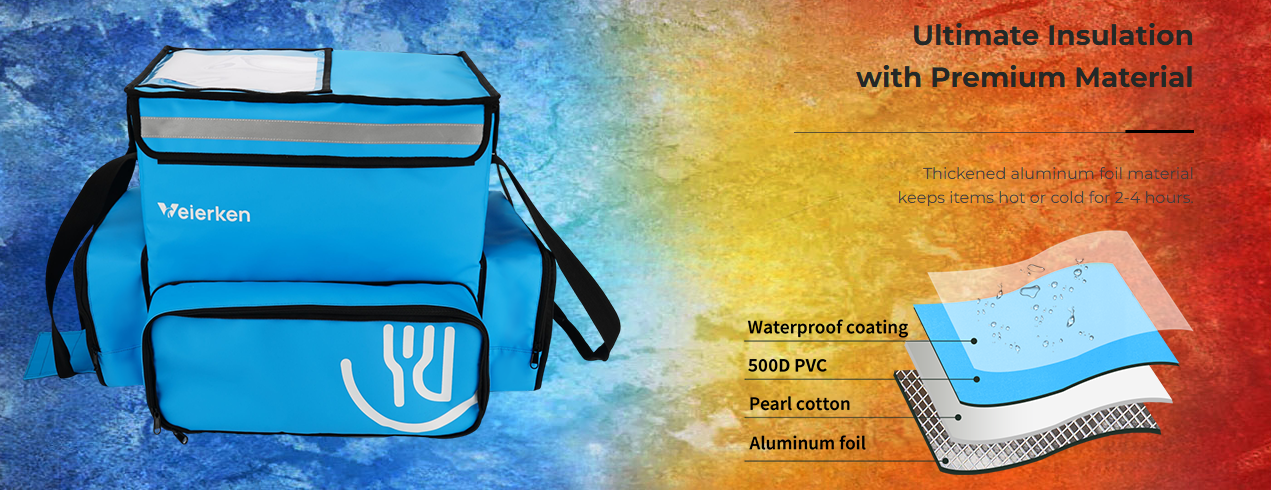
Replacing traditional plastic foam requires clever engineering. The core challenge lies in trapping air to block conductive heat while managing radiant thermal transfer. Modern biodegradable thermal delivery bags use renewable resources to create dense, multi-layer thermal barriers.
Engineered Kraft Paper and Trapped-Air Fiber
Paper insulation has become one of the most reliable options for DTC confectionery. These mailers use multiple plies of FSC-certified, fluted kraft paper or compressed cellulose fibers to replicate the dead-air insulation found in plastic bubble wrap.
Because the inner padding and outer sleeve share a single material stream, end consumers can place the entire pouch into their standard curbside paper bin. They deliver excellent thermal resistance (R-value) for 24- to 48-hour delivery cycles without requiring complex disassembly.
Bio-Based Foams and Mycelium Blends
When transit windows stretch toward 48 hours in high-heat zones, standard paper sleeves sometimes need extra structural support. Here, manufacturers utilize bio-based foams made from cornstarch, sugarcane waste, or agricultural residues.
These rigid and semi-rigid bio-inserts dissolve under warm running water or break down in industrial composting facilities within weeks. Mycelium-derived thermal pads—grown from fungal roots and crop stalks—provide custom-molded protection for fragile luxury chocolate gift boxes while resisting intense radiant heat.
Upcycled Wool and Natural Fiber Liners
Natural sheep wool washed and bound into breathable mats offers one of the highest R-values among natural fibers. Wool fibers trap microscopic pockets of air and naturally absorb moisture without feeling wet to the touch.
For cross-border chocolate shipments or high-value pralines, wool liners provide robust thermal stability. They frequently outperform conventional synthetic insulation over long durations, making them ideal for high-end chocolate shipping melt prevention in 2026.
Non-Toxic, Eco-Friendly Phase Change Materials (PCMs)
Insulation alone cannot keep chocolate cool; it only slows heat transfer. An effective temperature control system pairs insulating pouches with sustainable cooling agents.
Traditional gel packs contain polyacrylate synthetic polymers that turn into microplastics when disposed of in landfills. Next-generation ice packs utilize plant-based starches or food-grade salt-water solutions sealed in biodegradable kraft paper sleeves. Once melted, customers can cut open the pouch and discard the non-toxic contents down the drain or into their garden compost.
Pioneering manufacturers like Weierken design their temperature-controlled chocolate delivery bags to integrate seamlessly with these eco-PCMs. This prevents cold spots that cause sugar bloom while blocking outside heat waves.
3. Thermal Benchmarking: Can Sustainable Bags Protect Chocolate for 48 Hours?
Supply chain leaders cannot afford to gamble on packaging claims. If an eco-mailer fails on a hot day, melted inventory leads to costly customer replacements, damaged brand reputations, and wasted freight.
Rigorous environmental chamber tests show how modern sustainable materials stack up against legacy fossil-fuel packaging over a 48-hour summer profile (cycling between 24°C and 38°C):
Traditional EPS Coolers (1.5" wall): Keeps internal temperatures below 18°C for 48 to 60 hours. Downside: Non-recyclable curbside, high storage volume, heavy carbon footprint.
Standard Metallized Foil Bubble Bags: Keeps internal temperatures below 18°C for 18 to 24 hours. Downside: Contains mixed plastics and aluminum foils that cannot be processed in municipal recycling facilities.
Multi-Ply Paper Fiber Insulation Mailers: Keeps internal temperatures below 18°C for 36 to 48 hours when properly packed with eco-PCMs. Advantage: 100% curbside recyclable, ships flat, cuts storage requirements by up to 70%.
Upcycled Wool-Lined Pouches: Keeps internal temperatures below 18°C for 48 to 72 hours. Advantage: Exceptional thermal buffering and shock absorption, natural and compostable.
Managing Condensation and Moisture Damage
As cool ice packs meet warm outside air, condensation naturally forms. In standard paper bags, water droplets can weaken structural walls and bleed into the chocolate box, ruining its presentation.
Modern sustainable insulated chocolate mailers solve this with water-based dispersion coatings. These ultra-thin, water-repellent barriers stop moisture from soaking into the paper layers. Crucially, they repulp completely during the paper recycling process, leaving no plastic residue behind.
Structural Rigidity and Crush Resistance
Melt prevention means little if delicate chocolate shells arrive crushed. Multi-layer paper construction creates a cushioning shield against shocks and drops during parcel sortation.
The fluted and embossed paper cores absorb compressive loads, shielding delicate bonbons from transit impacts while keeping the internal air spaces intact.
4. B2B Sourcing Strategy: Total Cost of Ownership and Brand Impact
Switching from bulk EPS boxes to flexible, recyclable insulated pouches changes the unit economics of cold chain logistics. Procurement teams must evaluate total landed costs rather than focusing solely on individual unit prices.
Slashing Dimensional Weight (DIM Weight) and Freight
EPS boxes take up enormous amounts of space. Shippers end up paying freight carriers to transport empty air inside delivery trucks.
Flexible temperature-controlled chocolate delivery bags ship and store completely flat. This design delivers measurable operational savings:
Reduces warehouse pallet space for inbound packaging inventory by up to 60%.
Decreases dimensional weight charges during last-mile parcel shipping, lowering per-package courier rates by 15% to 30%.
Speeds up pack-station assembly, allowing fulfillment teams to pack more boxes per hour.
Unboxing Experience and Brand Loyalty
Today's luxury chocolate consumer pays close attention to how their order arrives. Opening a premium box of truffles only to find messy styrofoam peanuts or shredded plastic bubble mailers creates an immediate brand disconnect.
Clean paper mailers printed with water-based, non-toxic inks reinforce a brand's commitment to quality and sustainability. Customers can simply drop the package into their paper recycling bin, eliminating post-purchase disposal friction.
B2B Vendor Evaluation Checklist
Before signing supply contracts for custom recyclable insulated pouches B2B, ensure your prospective packaging partner meets these strict operational criteria:
Thermal Testing Certification: Does the vendor provide verified ISTA 7D or 7E temperature test reports matching your exact transit profiles?
Chain of Custody Certifications: Are the paper inputs verified by FSC (Forest Stewardship Council) or PEFC programs?
Recyclability and Compostability Standards: Does the packaging carry proven certifications, such as EN 13432 for compostability or standard PTS / Aticelca recyclability validation?
Production Scalability and MOQs: Can the supplier support seasonal volume spikes ahead of Valentine's Day, Easter, and holiday Q4 peaks?
At Weierken, our engineering teams balance these thermal and operational demands, helping brands transition seamlessly into sustainable cold chain systems.
5. Frequently Asked Questions
Q1: Can eco-friendly temperature-controlled chocolate delivery bags survive summer delivery temperatures above 35°C?
A1: Yes. When engineered with high-density paper fibers or upcycled natural wool and paired with appropriately sized eco-phase change materials, these sustainable mailers protect chocolate for 24 to 48 hours in summer conditions. You must adjust refrigerant ratios based on ambient route forecasts and parcel transit times.
Q2: How do paper-based insulated bags hold up against internal condensation?
A2: Modern mailers use water-based dispersion barriers on their inner liners. These coatings repel condensation droplets caused by thawing ice packs, preserving the structural integrity of the outer bag and keeping interior chocolate cartons dry without interfering with curbside paper recycling.
Q3: Are sustainable thermal pouches more expensive than traditional EPS packaging?
A3: While the unit purchase price of an advanced paper or wool pouch may sit slightly above low-grade styrofoam, the total cost of ownership is often lower. Flexible pouches store flat, significantly cutting warehouse storage costs and lowering dimensional weight charges during parcel transit.
Q4: Do these eco-friendly cold chain mailers fit into standard municipal recycling programs?
A4: Paper-based thermal mailers made from all-cellulose materials go directly into household paper recycling bins. Consumers do not need to separate liners from the outer sleeve. Bio-based foam alternatives are typically designed for commercial or home composting streams.
Q5: What certifications should procurement managers look for when sourcing recyclable insulated pouches?
A5: Look for FSC or PEFC certifications to ensure responsible wood fiber sourcing. For compostable mailers, check for BPI (Biodegradable Products Institute) or TÜV AUSTRIA OK Compost seals. Thermal performance should always be backed by independent ISTA 7D/7E test documentation.
Future-Proof Your Chocolate Cold Chain Today
Confectionery shipping in 2026 requires an operational balance between thermal protection, regulatory compliance, and customer satisfaction. Sticking with non-recyclable plastic coolers leaves your brand vulnerable to rising packaging taxes and negative consumer feedback.
Upgrading to sustainable packaging protects your delicate products across hot shipping lanes while proving your commitment to responsible business practices.
Ready to upgrade your logistics? Contact the cold chain packaging specialists at Weierken today to request a custom quote or order a validation sample kit of our high-performance temperature-controlled chocolate delivery bags.