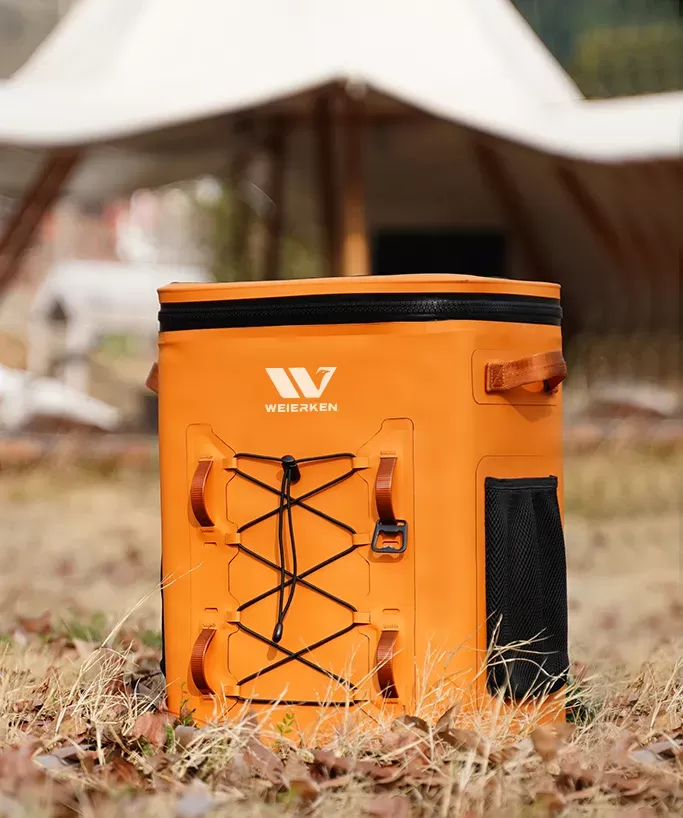

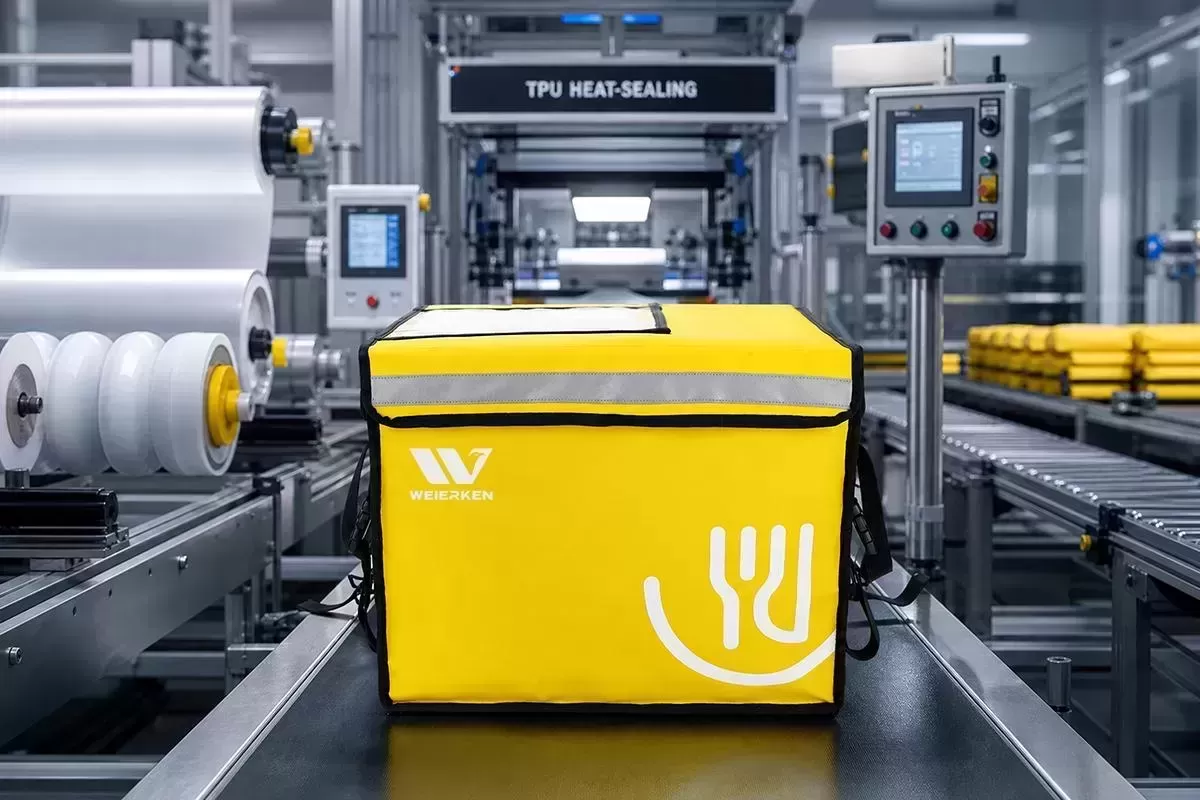
La distribución de última milla representa más del 30 por ciento de los costos totales de logística de la cadena de frío. También es donde ocurren con mayor frecuencia las fallas de temperatura. Cuando el embalaje aislante falla, los mariscos congelados se descongelan, los productos lácteos se estropean y los productos farmacéuticos biológicos pierden eficacia en cuestión de horas.
La mayoría de las operaciones logísticas dependen de contenedores térmicos genéricos y estándar. Este enfoque crea dos resultados costosos: sobreembalaje con exceso de hielo seco y espuma voluminoso, o subaislamiento con materiales baratos que resultan en una alta pérdida de carga. Los productos de catálogo estándar rara vez coinciden con sus vehículos de entrega exactos, tiempos de espera operativos o logística de retorno.
Un proveedor calificado de tote de entrega de cadena de frío debe operar como un socio de ingeniería en lugar de una simple fábrica de ensamblaje. Fabricantes como Weierken ofrecen diseño personalizado, pruebas térmicas y producción flexible para resolver desafíos reales de distribución. Si está negociando un contrato OEM para totes de entrega personalizados, exija estos cuatro servicios de ingeniería especializados.
1. Ingeniería Térmica Personalizada y Formulaciones de Materiales Avanzados
Los totes térmicos estándar generalmente utilizan espuma de polietileno genérica envuelta en papel de aluminio delgado. Estos artículos de catálogo ignoran la termodinámica de perfiles específicos de cadena de frío. Los productos congelados (-20°C), los perecederos refrigerados (2°C a 8°C) y los productos farmacéuticos a temperatura controlada (15°C a 25°C) requieren arquitecturas de aislamiento distintas.
Su proveedor de tote de entrega de cadena de frío debe ofrecer selección de materiales a medida según sus tiempos de retención objetivo y extremos de temperatura ambiente.
Paredes Compuestas de Múltiples Capas: En lugar de depender solo de polipropileno expandido (EPP) o poliuretano (PU) estándar, un OEM experimentado integra paneles de aislamiento al vacío (VIP). Combinar VIP con polietileno expandido de celda cerrada (EPE) crea paredes delgadas y altamente eficientes que maximizan la capacidad de carga interna.
Integración de Barrera Radiante: El proveedor debe unir películas de aluminio puro o poliéster metalizado a las capas exteriores o interiores. Esto refleja la radiación térmica externa lejos de los productos sensibles a la temperatura durante las entregas de verano.
Integración de Material de Cambio de Fase (PCM): La refrigeración pasiva depende de bloques fríos y paquetes de PCM. Su proveedor debe diseñar soportes internos personalizados, mangas o ranuras en el techo para sostener sus refrigerantes. La colocación adecuada evita que el aire frío se hunda de manera desigual y previene daños por escarcha de contacto directo a productos frescos o vacunas.
La ingeniería térmica no es un trabajo de adivinanza. Un proveedor capaz calcula tasas específicas de transferencia de calor, evalúa la pérdida conductiva a través de puntos de cierre y optimiza la construcción del tote para mantener temperaturas objetivo durante 24, 48 o 72 horas.
2. Ergonomía Estructural y Optimización de Logística Inversa
El rendimiento térmico importa poco si su embalaje destruye la eficiencia operativa de su flota. Las cajas de refrigeración rígidas y no colapsables consumen un volumen cúbico masivo en sus centros de distribución. Peor aún, devolver cajas rígidas vacías en rutas de retorno desperdicia capacidad del vehículo e inflaciona los gastos de combustible.
Un proveedor de tote de entrega de cadena de frío OEM debe diseñar características estructurales que simplifiquen las rutinas diarias de los conductores y reduzcan los costos de logística inversa.
Estructuras Colapsables de Alta Relación: Como un fabricante experimentado de totes térmicos plegables, el proveedor debe diseñar geometrías de plegado que reduzcan el volumen vacío del tote en un 60 a 75 por ciento. Los conductores que regresan pueden colapsar y apilar de cuatro a seis totes en el espacio de una sola unidad expandida.
Coincidencia Dimensional de Vehículos de Flota: Los tamaños de caja estándar dejan espacio sin usar en los vehículos de entrega. Su socio OEM debe adaptar las dimensiones del tote a su modo de tránsito exacto, ya sea que eso signifique bicicletas de entrega eléctricas, estanterías de furgonetas o palets Euro estándar de 1200x800. Maximizar la utilización del volumen reduce directamente su costo por entrega.
Refuerzo de Puntos de Estrés Industrial: Los mensajeros de última milla manejan los totes de manera agresiva. Exija cintas de alta resistencia continuas alrededor de todo el perímetro del tote, costuras reforzadas Box-X en los anclajes de las asas y patines de base moldeados para proteger contra la abrasión del concreto.
Cierres Herméticos Impermeables: Los cierres de bobina tradicionales filtran aire frío y permiten la penetración de la lluvia. Insista en cierres de poliuretano termoplástico (TPU) personalizados, herméticos e impermeables o juntas magnéticas autoadhesivas para detener el puente térmico a lo largo de las costuras superiores.
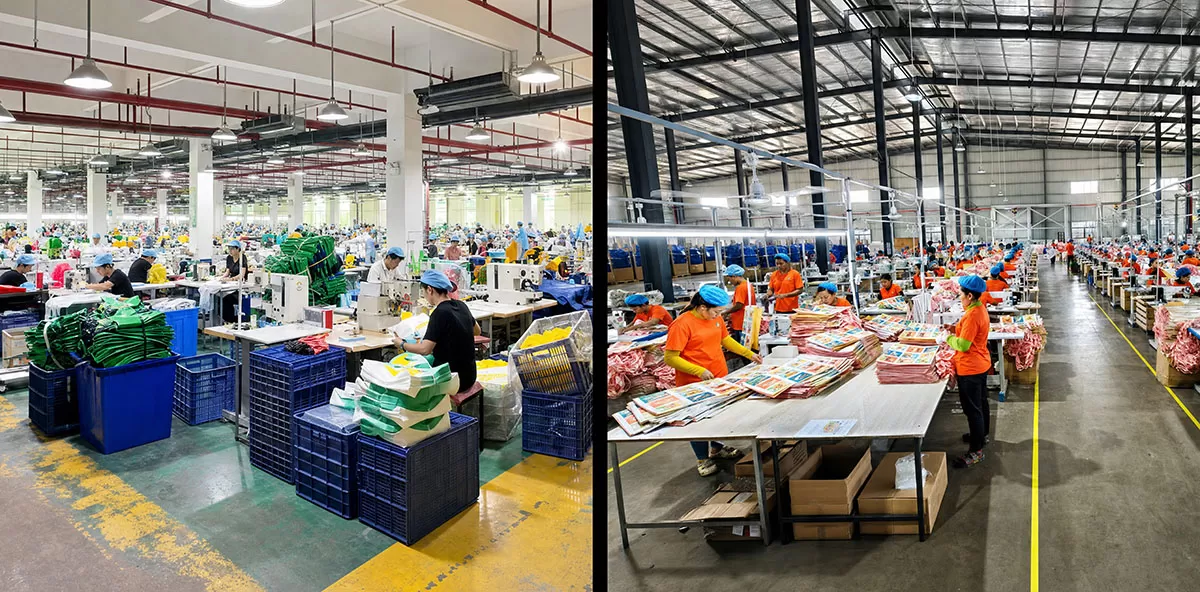
Weierken diseña totes personalizados para la cadena de frío utilizando costuras soldadas de alta frecuencia y bases reforzadas. Estos detalles estructurales aseguran que los totes sobrevivan a cientos de ciclos de entrega operativa sin fallos estructurales.
3. Integración de Sensores IoT y Preparación de Hardware Inteligente
Las plataformas modernas de distribución farmacéutica y de comestibles premium requieren transparencia de datos de extremo a extremo. Los equipos de logística rastrean la temperatura interna, la humedad relativa y las ubicaciones GPS en tiempo real durante el tránsito. Sin embargo, pegar etiquetas de sensores de posventa dentro de los totes conduce a dispositivos perdidos y forros rasgados.
Un proveedor de totes de entrega de cadena de frío con visión de futuro incorpora provisiones de hardware dedicadas directamente en la arquitectura del tote.
Bolsillos de Sensor Dedicados: La fábrica debe moldear o soldar bolsillos de TPU transparente y de grado alimenticio dentro de la cámara de carga interior. Estos bolsillos mantienen los registradores de datos seguramente alejados del contacto directo con el refrigerante, asegurando que los sensores registren la temperatura real del aire en lugar de la temperatura de la superficie del paquete.
Transparencia de Señal Inalámbrica: Las barreras de lámina metálica crean un efecto de jaula de Faraday que bloquea las transmisiones inalámbricas. Un OEM experimentado diseña ventanas de transmisión no metálicas en la pared compuesta. Esto permite que las señales de Bluetooth Low Energy (BLE), LoRaWAN o celulares transmitan datos sin abrir el tote.
Ventanas Externas de Visualización e ID: Los totes requieren bolsillos de TPU claros y exteriores para pantallas de estado de tinta electrónica, códigos QR escaneables o etiquetas de activos RFID pasivas para apoyar la clasificación automatizada y el escaneo en almacenes.
Integrar estas características durante la etapa de fabricación de OEM protege su hardware IoT, previene fugas térmicas y agiliza los procesos de registro en almacenes.
4. Validación Térmica Rigurosa en Laboratorio y Certificación de Cumplimiento
Muchos proveedores de bajo nivel prometen "retención de frío de 48 horas" sin datos empíricos de laboratorio que respalden sus afirmaciones. Cuando se exponen a condiciones de asfalto de verano de 38°C, estos contenedores mal diseñados fallan en cuestión de horas. Al evaluar a un socio de bolsa de entrega aislada de OEM, exija resultados de pruebas documentados y certificaciones regulatorias formales.
Pruebas de Perfil de Cámara Ambiental: Su proveedor debe proporcionar gráficos de degradación térmica generados en cámaras de prueba ambientales controladas. Las pruebas deben seguir estándares reconocidos como ISTA 7D o ISTA 7E, mostrando curvas de rendimiento a través de perfiles de temperatura de invierno y verano.
Certificaciones de Contacto Directo con Alimentos: Los materiales del revestimiento deben estar certificados como no tóxicos y libres de olores bajo la FDA 21 CFR 177 o el Reglamento (CE) No 1935/2004 de la UE. Las superficies deben resistir la colonización bacteriana y soportar la desinfección regular con soluciones de cloro o amonio cuaternario.
Documentación de Calificación Farmacéutica: Si distribuye productos farmacéuticos críticos en temperatura o ensayos clínicos, el proveedor debe ayudar con los protocolos de Calificación de Diseño (DQ), Calificación de Instalación (IQ) y Calificación Operativa (OQ) para satisfacer los estándares de Buenas Prácticas de Distribución (GDP).
Auditorías de Durabilidad Mecánica: Solicite datos de prueba verificados que muestren la resistencia a la separación del mango (calificada por encima de 1,000 Newtons), resistencia a la abrasión Martindale en la tela exterior y supervivencia en pruebas de caída desde 1.2 metros mientras está completamente cargado.
Comparando Proveedores Genéricos vs. Verdaderos Socios de Ingeniería OEM
Revise esta comparación operativa antes de elegir su próximo socio de empaque:
| Métrica de Evaluación | Proveedor de Catálogo Estándar | Socio OEM Ingeniero |
|---|---|---|
| Aislamiento Térmico | Espuma estándar, grosor fijo | Capas compuestas personalizadas (VIP/EPE) ajustadas a los tiempos de permanencia de la ruta |
| Flete Inverso | Cajas rígidas; cero ahorro de espacio | Diseños plegables ingenierizados que ahorran del 60% al 75% del volumen de retorno |
| Compatibilidad de Flota | Dimensiones de catálogo fijas | Dimensiones personalizadas diseñadas para máxima capacidad cúbica del vehículo |
| Preparación para IoT | Ninguna; los sensores deben estar pegados por dentro | Ventanas transparentes a RF integradas y ranuras para registradores seguras |
| Datos de Validación | Afirmaciones de marketing verbales | Informes de pruebas de cámara certificados por ISTA y declaraciones formales de materiales |
Preguntas Frecuentes
Q1: ¿Cómo prueba un proveedor de bolsas de entrega de cadena de frío la duración de retención térmica?
A1: Un proveedor profesional prueba las bolsas dentro de una cámara de prueba ambiental programable. Los técnicos colocan termopares multicanal calibrados dentro de la bolsa junto con materiales de cambio de fase especificados. La cámara ejecuta perfiles de temperatura ambiente simulados (como las condiciones de verano ISTA 7D que fluctúan hasta 40°C), mientras que los registradores de datos registran las curvas de temperatura interna hora por hora.
Q2: ¿Por qué es importante la capacidad de plegado para el diseño de bolsas de cadena de frío personalizadas?
A2: La logística de retorno es un gasto importante en los sistemas de empaque reutilizables. Los enfriadores rígidos ocupan el mismo espacio de carga vacíos que llenos, aumentando los costos de flete de retorno. Un diseño plegable se colapsa hasta el 25% al 40% de su volumen expandido. Esto permite a los conductores apilar unidades vacías de manera eficiente, ahorrando espacio de transporte y reduciendo los costos de envío de retorno.
Q3: ¿Qué hace que una caja de control de temperatura pasiva sea diferente de un sistema de refrigeración activo?
A3: Los sistemas pasivos dependen de un aislamiento de alta eficiencia (como espuma de celda cerrada y paneles de aislamiento al vacío) combinados con materiales de cambio de fase o hielo seco para controlar la temperatura sin energía externa. Los sistemas de refrigeración activos utilizan compresores integrados o elementos termoeléctricos que requieren una batería o fuente de energía del vehículo. Las bolsas pasivas ofrecen un peso tara más bajo, cero riesgo de falla mecánica y costos de adquisición iniciales mucho más bajos.
Q4: ¿Puede un proveedor de bolsas de entrega de cadena de frío integrar la marca corporativa sin comprometer el aislamiento?
A4: Sí. Un OEM experimentado aplica la marca a través de serigrafía, películas de transferencia de calor o insignias de goma moldeada directamente en el textil exterior antes de laminarlo al núcleo de aislamiento. Se evita coser logotipos a través de la pared compuesta terminada, ya que los agujeros de aguja crean fugas térmicas y comprometen la barrera impermeable.
Q5: ¿Cuáles son las cantidades mínimas de pedido (MOQs) típicas para bolsas de entrega de cadena de frío personalizadas?
A5: Para bolsas completamente personalizadas que involucran herramientas a medida, colores de tela especializados y moldes dimensionales personalizados, las MOQs estándar de fábrica suelen oscilar entre 500 y 1,000 unidades. Para modificaciones menores a una plataforma de herramientas existente, como agregar bolsillos para sensores o marca personalizada, las MOQs a menudo comienzan en 200 a 300 unidades.
Q6: ¿Cómo evitan los proveedores la acumulación de humedad y el crecimiento de moho dentro de las bolsas de entrega reutilizables?
A6: Los proveedores previenen el crecimiento bacteriano utilizando revestimientos internos soldados sin costuras y de alta frecuencia hechos de poliuretano termoplástico (TPU) no poroso o EVA de calibre pesado. Eliminar las costuras de aguja evita que los líquidos entren en la capa de aislamiento. Las superficies lisas y hidrofóbicas permiten al personal limpiar rápidamente la condensación, los derrames y los aerosoles desinfectantes entre entregas.
Asegure su cadena de frío con un socio OEM liderado por ingeniería
Confiar en contenedores genéricos de catálogo deja vulnerable a su flota de entrega a daños en la carga, aumento de costos de flete y quejas de los clientes. Elegir el proveedor adecuado de bolsas de entrega de cadena de frío significa obtener un sistema diseñado en torno a sus perfiles de temperatura específicos, dimensiones del vehículo y logística inversa.
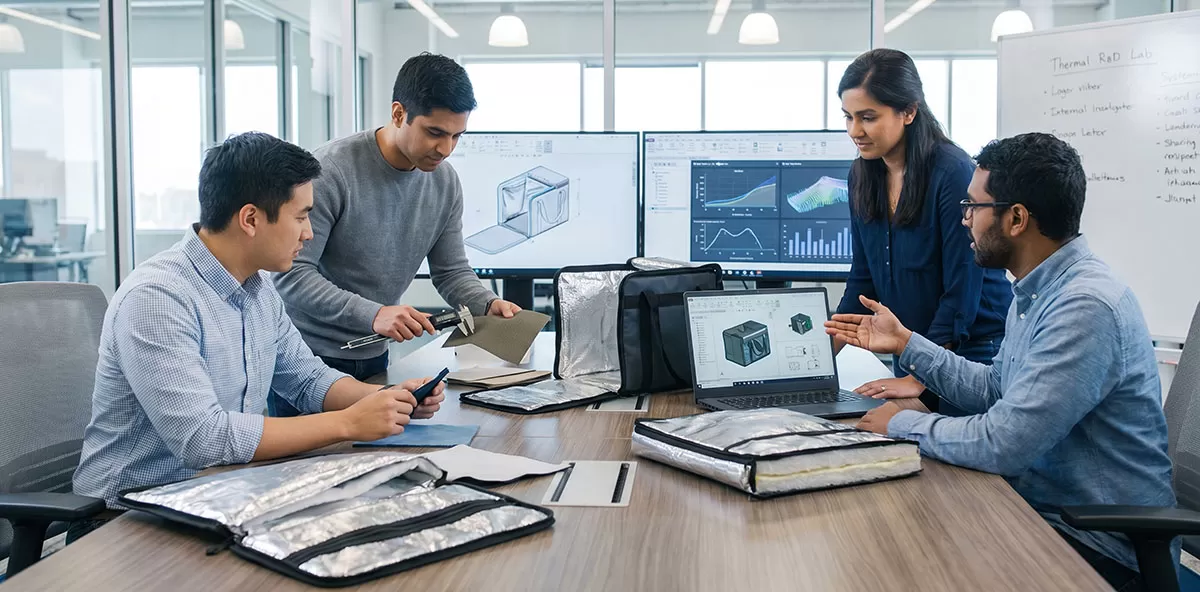
Weierken diseña y fabrica empaques de cadena de frío de grado comercial para la última milla, bolsas de entrega de alta resistencia y bolsas térmicas pasivas personalizadas para redes logísticas en todo el mundo. Nuestro equipo de diseño combina herramientas de simulación térmica con prototipado avanzado para resolver sus desafíos de distribución de última milla.
¿Listo para reducir la pérdida de carga y optimizar su flota de entrega? Contacte al equipo técnico de Weierken hoy para solicitar una consulta térmica, revisar los datos de pruebas en cámara ISTA o encargar un prototipo funcional construido según sus especificaciones exactas.