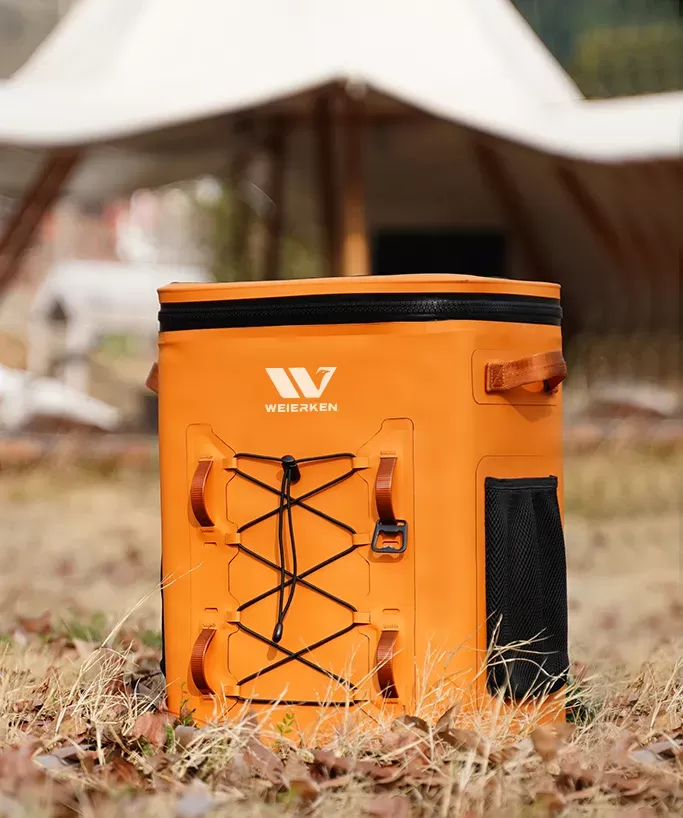

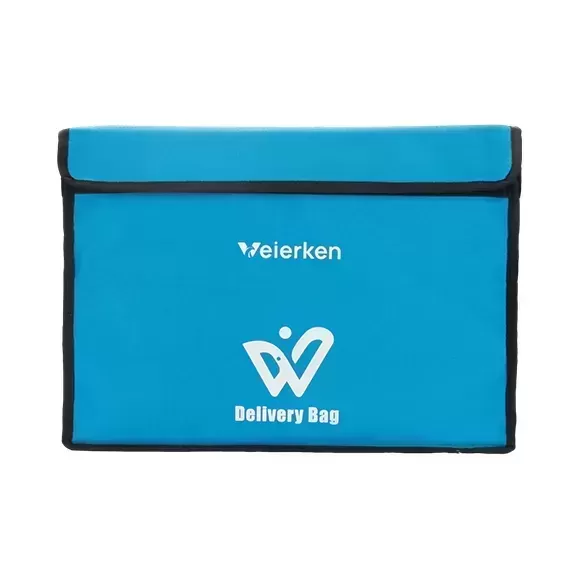
Los recipientes de sopa que gotean arruinan las relaciones con los clientes. La carne de ave tibia viola los códigos de salud. Los mangos endebles se rompen cuando tus mensajeros levantan pedidos de 25 kilogramos de las furgonetas de entrega. Para las cocinas comerciales y los centros de cumplimiento de supermercados, el fracaso del embalaje drena directamente los márgenes de beneficio.
Un enfriador de consumo estándar no puede sobrevivir a las brutales demandas de la logística O2O de alto volumen. Los operadores de flotas profesionales tratan a sus transportistas como equipos industriales vitales y embajadores de marca móviles. Invertir en bolsas de transporte de alimentos frescos personalizadas protege la integridad de tu cadena de frío, reduce el costoso desperdicio de alimentos y convierte cada bicicleta de entrega en publicidad a nivel de calle. Fabricantes como Weierken construyen estas bolsas específicamente para soportar el castigo comercial diario mientras mantienen ventanas térmicas estrictas.
Aquí están los diez mejores diseños de bolsas personalizadas diseñadas para equipos de catering de alto rendimiento, cocinas centrales y operaciones de entrega de supermercados modernos.
Catering Comercial y Bolsas de Comida Caliente de Gran Volumen
La logística de banquetes exige capacidades de carga pesadas, retención extrema de calor y cero inclinación durante el tránsito.
1. Transportadores de Bandejas Gastronorm (GN) de Tamaño Completo
Transportar asados humeantes o pasta caliente requiere recipientes que se ajusten a bandejas de alimentos de acero inoxidable o policarbonato estándar. Estos transportadores comerciales albergan múltiples bandejas de tamaño completo (1/1 GN) o bandejas de hotel de medio tamaño sin fallos de apilamiento.
Arquitectura Principal: Paredes de panal de composite reforzado envueltas en espuma de poliuretano densa.
Clasificación de Carga: Diseñados para soportar 30 kg o más sin que se hunda la parte inferior.
Mejor Adecuado Para: Catering corporativo, banquetes de bodas y catering de eventos fuera del sitio.
2. Bolsas de Catering Modulares de Múltiples Niveles con Divisores Removibles
Entregar costillas de barbacoa humeantes junto con ensaladas de papa frías en un vehículo generalmente crea contaminación térmica. Las bolsas de transporte de catering aisladas modulares de múltiples niveles resuelven este dolor de cabeza de temperatura dividida a través de paredes interiores reposicionables.
Arquitectura Principal: Particiones industriales de gancho y bucle de alta adherencia emparejadas con zonas térmicas duales.
Defensa de Higiene: Sellos de cámara independientes evitan que el vapor y los olores de los alimentos migren entre compartimentos.
Mejor Adecuado Para: Caterers de servicio completo que ejecutan cenas complejas de múltiples platos fuera del lugar.
3. Bolsas Térmicas Rodantes de Alta Resistencia
Transportar cajas de alimentos pesadas a través de amplios centros de convenciones o por largos pasillos de hospitales rompe la espalda de los trabajadores. Las unidades térmicas rodantes integran hardware industrial directamente en el marco de la bolsa para eliminar la fatiga física.
Arquitectura Principal: Mangos retráctiles de aluminio de grado aeroespacial y ruedas de goma que no marcan y absorben impactos.
Protección contra Impactos: Placas de fondo moldeadas de ABS que rebotan de los impactos de bordillos y escaleras ásperas.
Mejor Adecuado Para: Equipos de banquetes de hoteles, logística de catering de convenciones y transferencias dietéticas en hospitales.
4. Transportadores Rígidos Antiinclinación para Pasteles y Repostería
Los delicados postres en capas y los pasteles de varios niveles personalizados colapsan si un conductor de entrega frena bruscamente. Estas cajas rígidas mantienen la estabilidad horizontal en cada superficie de la carretera.
Arquitectura Central: Hojas interiores de PP ligeras y rígidas acompañadas de rejillas de silicona internas antideslizantes.
Punto de Acceso: Solapas con cremallera en la parte delantera que permiten a los conductores sacar artículos delicados horizontalmente sin tener que alcanzar desde arriba.
Mejor Adecuado Para: Panaderías artesanales, cocinas centrales de pastelería y entregas de postres de lujo.
5. Mochilas de Entrega OEM Expandibles
Los mensajeros urbanos en bicicletas y scooters enfrentan un tráfico brutal de paradas y arranques. Una mochila de entrega OEM para comestibles y comidas permite a los mensajeros de dos ruedas navegar por redes urbanas ajustadas mientras mantienen la comida de forma segura en posición vertical.
Arquitectura Central: Cremalleras de expansión con fuelle que aumentan la capacidad base hasta un 40% para entregas en horas pico.
Seguridad del Mensajero: Almohadillas lumbares de malla transpirable, clips de estabilización en el pecho y amplias bandas reflectantes.
Mejor Adecuado Para: Flotas de entrega urbana bajo demanda, cocinas fantasma y redes de mensajería de aplicaciones de terceros.
Supermercado O2O, Cadena de Frío y Bolsas de Comestibles Frescos
Los centros de cumplimiento de comestibles requieren velocidad, diseños a prueba de fugas para carnes crudas, y diseños que reducen los costos de logística inversa.
6. Bolsas a Prueba de Fugas Soldadas por RF Sin Costuras
El hielo derretido, los jugos de pollo crudo y las bolsas de mariscos que gotean arruinarán las bolsas ordinarias cosidas en días. Las costuras soldadas por radiofrecuencia (RF) eliminan completamente los agujeros de aguja, formando un interior impermeable de una sola pieza.
Arquitectura Central: Forros de TPU soldado por radiofrecuencia o EVA de grado alimenticio que sostienen agua en pie sin filtrarse.
Sanitación: Superficies interiores seguras para blanqueo que se limpian rápidamente entre entregas.
Mejor Adecuado Para: Distribución de mariscos vivos, entrega a domicilio de carnicería y logística de mercados húmedos.
7. Bolsas de Comestibles de Alto Cubo O2O
La velocidad de cumplimiento es todo en las operaciones de supermercado a domicilio. Los equipos que obtienen bolsas de entrega de comestibles comerciales al por mayor eligen bolsas de alto cubo adaptadas a los carros de supermercado estándar y cajas de recogida de plástico.
Arquitectura Central: Construcción de boca ancha y forma cuadrada que se mantiene abierta por sí sola durante la recolección rápida de artículos.
Manejo: Asas de cinta cruzada cosidas diseñadas para llevar botellas de leche pesadas y productos enlatados.
Mejor Adecuado Para: Entrega de tienda a puerta de cadenas de supermercados y cumplimiento de clic y recogida.
Los fabricantes industriales como Weierken adaptan frecuentemente estas dimensiones de alto cubo para que coincidan con el estante de vehículos de entrega regionales, asegurando que los conductores nunca desperdicien espacio de carga interior.
8. Bolsas de Devolución Plegables Ultra Delgadas
Las bolsas de entrega vacías ocupan un volumen masivo en el almacén durante la logística inversa. Las bolsas plegables se colapsan a una fracción de su tamaño de trabajo una vez que el cliente acepta el pedido.
Arquitectura Central: Paneles laterales ranurados que se pliegan completamente planos a menos de cinco centímetros de grosor en segundos.
Ahorros Logísticos: Reduce el volumen cúbico del viaje de regreso, permitiendo que los conductores empaquen docenas de vacíos de regreso al depósito fácilmente.
Mejor Adecuado Para: Kits de comidas por suscripción, CSAs de compartición de granjas programadas y flotas de entrega de circuito cerrado.
9. Bolsas de Cadena de Frío Listas para Sensores Inteligentes
Las carnes orgánicas de alto valor, los productos lácteos y los sistemas de preparación de comidas deben cumplir con una estricta documentación HACCP. Estas unidades especializadas integran dispositivos de seguimiento de cadena de frío pasivos o activos directamente en la pared de la bolsa.
Arquitectura Central: Ventanas de exhibición de PVC transparente externas y mangas de malla internas adaptadas para registradores de temperatura Bluetooth o USB.
Cumplimiento: Permite a los gerentes de control de calidad verificar la seguridad alimentaria sin abrir el sello y ventilar aire frío.
Mejor Adecuado Para: Tiendas de comestibles orgánicos de alta gama, comidas saludables de grado farmacéutico y transferencias entre instalaciones.
10. Bolsas de Transporte Ecológicas de RPET
Los consumidores modernos exigen empaques sostenibles. Obtener una bolsa térmica para alimentos de gran resistencia tejida con plásticos reciclados de consumidores coincide con tus objetivos de sostenibilidad ambiental sin sacrificar la resistencia al desgarro.
Arquitectura Central: Concha exterior hecha de tela RPET 100% post-consumo (botellas de plástico recicladas).
Valor de Marca: La impresión serigráfica de alta densidad resalta el compromiso de tu marca con la reducción de plástico justo en el exterior.
Mejor Adecuado Para: Cooperativas de alimentos ecológicas, tiendas de comestibles orgánicos y empresas de catering certificadas como B-Corp.
Lista de Verificación de Adquisiciones B2B: Materiales y Estándares de Construcción
No elijas el empaque solo por las etiquetas de precio. Una bolsa barata que se deshace en dos semanas cuesta mucho más en reemplazos y pedidos arruinados que una unidad industrial especificada correctamente. Revisa estos puntos de control estructurales antes de aprobar cualquier producción de bolsas de transporte de alimentos frescos personalizadas.
Concha Exterior: Cuentas de Denier y Lona
El poliéster 210D ligero se desgarra rápidamente en rampas metálicas de vehículos. Las operaciones pesadas exigen una durabilidad comercial real:
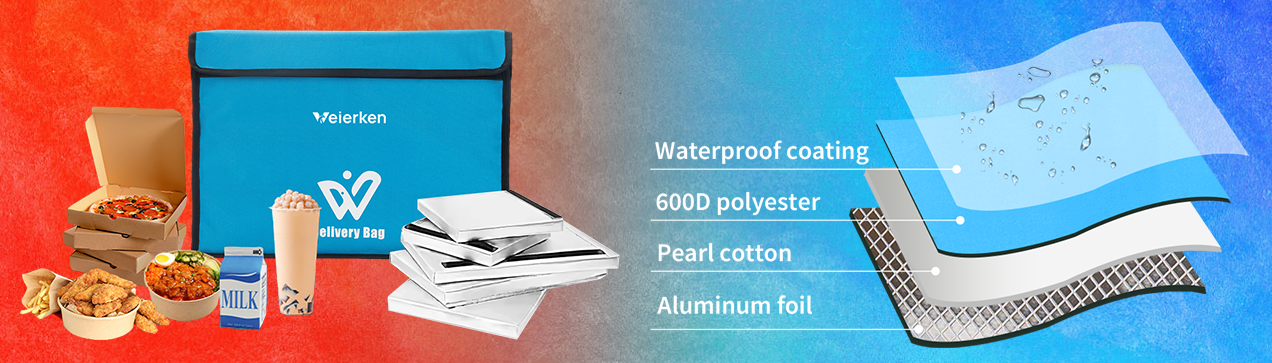
Tejido Oxford de 900D a 1680D: Alta resistencia a la abrasión, revestimiento PU repelente al agua y flexibilidad estructural excepcional.
Lona de PVC de 500D: La mejor opción para operaciones húmedas en cualquier clima. Completamente impermeable, fácil de limpiar y altamente resistente a los pinchazos.
Núcleos de Aislamiento: Encontrando el Equilibrio
El grosor de la espuma interior decide tus tiempos de retención:
Polietileno Expandido (Espuma EPE, 5mm - 10mm): Rentable, ligero y flexible. Ideal para entregas locales de 30 a 45 minutos.
Espuma de Poliuretano (PU, 15mm - 25mm): Densa y rígida. Mantiene los alimentos por encima de 65°C o por debajo de 4°C durante más de 2 a 3 horas.
Páneles de Aislamiento al Vacío (VIP): El estándar premium. Retención térmica inigualable para recorridos entre ciudades, aunque más costoso.
Sellos y Forros: La Defensa Contra Fugas
Las costuras interiores cosidas invitan a los líquidos a entrar en el núcleo de aislamiento, convirtiendo la bolsa en un criadero de bacterias y moho desagradable. Siempre especifica un transportador de preparación de comidas a prueba de fugas con forros sellados térmicamente o soldados por RF (PEVA o TPU) en lugar de cinta de aluminio cosida. Si la grasa o el hielo derretido se acumulan en la esquina, los trabajadores deben poder limpiarlo completamente con una manguera.
Hardware y Branding
Los cierres son los que más abusos reciben. Especifica cierres de bobina de nylon impermeables industriales #8 o #10 con tiradores reforzados. Para visibilidad de marca, elige impresión serigráfica de alta temperatura o transferencias térmicas que resistan el agrietamiento bajo la luz solar directa. Siempre añade piping reflectante a lo largo de los bordes para proteger a los conductores que realizan entregas nocturnas.
Preguntas Frecuentes
Q1: ¿Cuál es la cantidad mínima de pedido (MOQ) típica para bolsas de transporte de alimentos frescos personalizadas?
A1: Las producciones comerciales generalmente comienzan en 300 a 500 unidades para tamaños de bolsas completamente personalizados, telas teñidas a medida y hardware de marca privada. Algunos fabricantes ofrecen niveles de entrada más bajos que comienzan alrededor de 100 unidades si seleccionas colores de tela estándar de fábrica y modificas los moldes de marco existentes.
Q2: ¿Cómo se comparan los forros sin costuras soldadas por calor con los forros de aluminio cosidos estándar?
A2: Los forros de aluminio cosidos estándar utilizan costura de aguja que perfora la barrera impermeable. El líquido inevitablemente se filtra en la espuma interior, criando bacterias y causando malos olores. Los forros soldadas por calor o soldadas por RF fusionan el material, creando un recipiente hermético que contiene derrames y se limpia fácilmente.
Q3: ¿Cuánto tiempo pueden mantener temperaturas seguras las bolsas térmicas de alimentos de alta resistencia sin energía eléctrica activa?
A3: Los tiempos de retención dependen en gran medida de las condiciones ambientales exteriores, el volumen de alimentos y el aislamiento central. Las bolsas construidas con espuma de PU de alta densidad de 15 mm a 20 mm o espuma EPE mantienen los alimentos por encima de 65°C o refrigerados por debajo de 5°C durante 2 a 4 horas cuando están cargadas a capacidad con paquetes de gel o placas divisorias térmicas.
Q4: ¿Podemos agregar los sensores de seguimiento IoT de nuestra flota directamente en las bolsas de entrega de comestibles personalizadas?
A4: Sí. Puedes personalizar tus bolsas con bolsillos de malla interiores dedicados, ventanas de vinilo protector transparente o compartimentos base ocultos. Estos albergan balizas de temperatura Bluetooth Low Energy (BLE), etiquetas RFID o unidades de seguimiento GPS sin interferir con el manejo de alimentos.
Q5: ¿Qué tela exterior resiste mejor la lluvia intensa y la grasa?
A5: El toldo de PVC comercial 500D ofrece la mejor defensa. A diferencia de la tela tejida que necesita sprays repelentes al agua, el toldo presenta una superficie de goma impermeable. La grasa, la suciedad de la carretera y las salpicaduras de salsa se limpian fácilmente con un paño desinfectante húmedo.
Escala tus Operaciones de Entrega con Weierken
Los fallos en el embalaje cuestan credibilidad a tu marca y afectan el flujo de efectivo operativo. Weierken fabrica bolsas de transporte de alimentos frescos personalizadas resistentes y diseñadas específicamente para cadenas de supermercados, grupos de restaurantes de múltiples ubicaciones y proveedores de logística de cadena de frío de terceros. Ya sea que necesites una caja de pasteles anti-inclinación, una bolsa de mariscos soldada por RF o una mochila de mensajería ergonómica para flotas, nuestro equipo de ingeniería adapta cada costura, hebilla y pared divisoria para que coincida con tus tamaños de bandeja exactos y patrones logísticos.
Deja de reemplazar bolsas de entrega rotas cada mes. Contacta a nuestro equipo comercial B2B hoy para obtener renderizaciones digitales 3D gratuitas, solicitar una muestra o revisar nuestros precios de fabricación al por mayor.