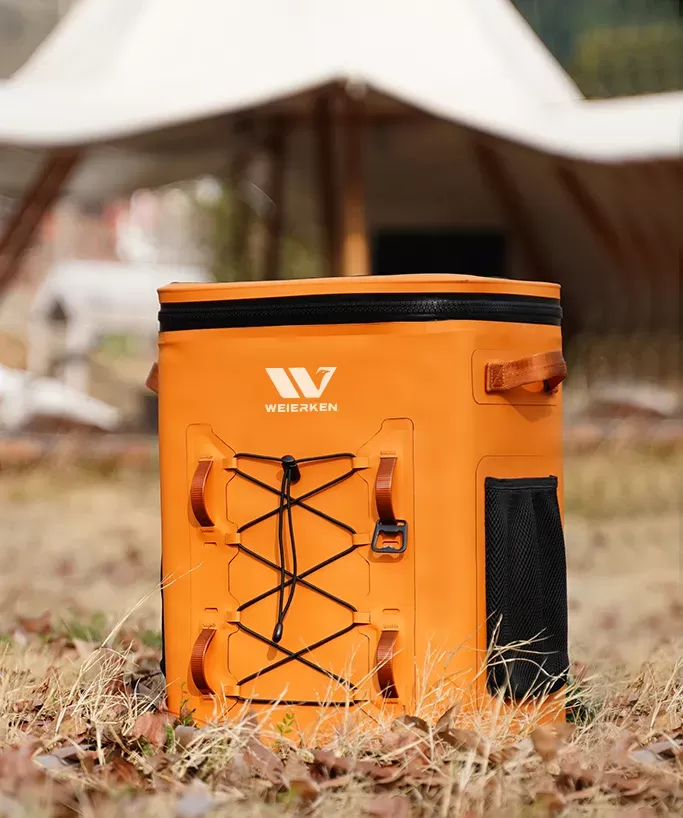

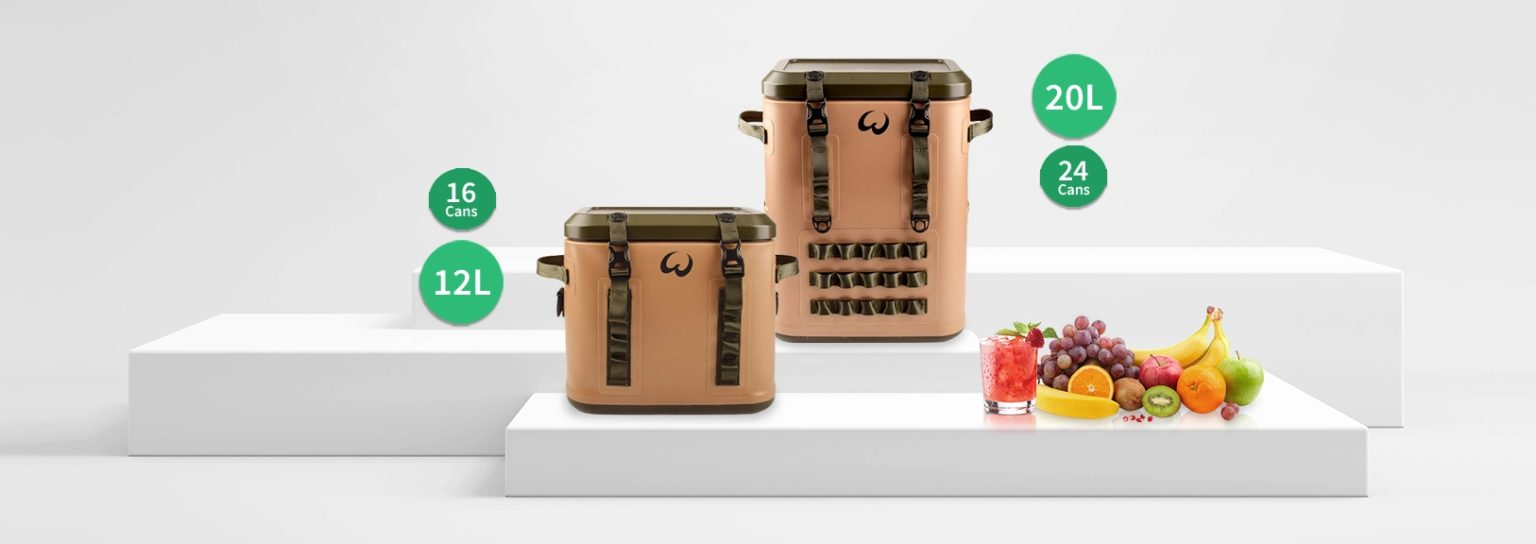
L'habitude quotidienne de transporter des repas équilibrés et pré-portionnés a évolué des scènes de bodybuilding compétitif vers des bureaux d'entreprise, des campus universitaires et des salles de sport commerciales. Les consommateurs exigent désormais des équipements thermiques haute performance qui gardent les aliments au frais pendant 8 à 12 heures tout en résistant à l'usure quotidienne. Cette demande explosive sur le marché représente une opportunité commerciale exceptionnelle pour les marques de style de vie, les influenceurs fitness et les détaillants d'articles de plein air.
Développer une marque nécessite de trouver le bon modèle de production. De nombreux propriétaires d'entreprise ont du mal à choisir entre la production OEM (Fabricant d'Équipement d'Origine) sur mesure et l'étiquetage privé à ODM (Fabricant de Design d'Origine) à retour rapide. Choisir le mauvais chemin peut immobiliser des capitaux dans un excès de stocks ou piéger votre marque dans des guerres de prix à faible marge. Des fabricants expérimentés comme Weierken aident les acheteurs à naviguer dans ces voies de fabrication pour protéger les marges et sécuriser les chaînes d'approvisionnement.
Ce guide décompose les différences fonctionnelles entre OEM et ODM, décrit les normes de fabrication thermique non négociables et fournit un cadre clair pour l'évaluation des usines afin de sourcer des sacs de refroidissement pour la préparation de repas en étiquette privée.

OEM vs. ODM : Quel modèle convient à votre stratégie d'étiquette privée ?
Avant de lancer des demandes de devis (RFQ), évaluez votre budget, vos capacités de conception internes et votre calendrier de mise sur le marché. OEM et ODM représentent des approches distinctes de développement de produits, chacune comportant des compromis spécifiques en termes de coûts d'outillage, de délais de livraison et de contrôle de la propriété intellectuelle.
OEM (Fabricant d'Équipement d'Origine) : Innovation sur mesure
Dans un arrangement OEM, votre marque possède le concept, les dimensions et les spécifications techniques. Vous fournissez à l'usine des packs techniques détaillés, une liste de matériaux (BOM), des dessins CAO et des références de performance des tissus. L'usine agit comme votre bras d'ingénierie de précision et de production.
Différenciation maximale de la marque : Vous contrôlez la taille des poches sur mesure pour des contenants de préparation de repas spécifiques, des manchons de bouteilles shaker dédiés et des emplacements de packs de glace propriétaires.
Contrôle de la propriété intellectuelle : Vous possédez les brevets de design et les moules, empêchant les concurrents de copier votre agencement exact.
Coûts initiaux plus élevés : OEM nécessite des frais d'outillage, des révisions d'échantillons et des Quantités Minimales de Commande (MOQ) plus élevées pour couvrir les productions de tissus sur mesure.
Le mieux adapté pour : Marques de fitness établies, lignes d'équipements de plein air haut de gamme et opérations directes aux consommateurs (DTC) financées avec des capacités de conception internes.
ODM (Fabricant de Design d'Origine) : Rapidité et faible friction
Dans un modèle ODM, l'usine conçoit, teste et valide l'architecture du sac de refroidissement. Vous sélectionnez une silhouette existante dans le catalogue de l'usine et la personnalisez avec votre identité de marque, y compris des logos en silicone, des étiquettes tissées, des tirettes de fermeture éclair de marque, des tissus assortis au PMS et un emballage de détail.
Mise sur le marché rapide : Évitez des mois de prototypage structurel et de tests d'ajustement des contenants. Lancez-vous en quelques semaines en utilisant des plans éprouvés sur le terrain.
Barrière financière plus basse : Les usines utilisent des matrices de découpe et des gabarits de production existants, réduisant considérablement les frais de mise en place initiaux et abaissant les MOQ.
Architecture partagée : Les concurrents peuvent sourcer le même motif de base, laissant le style, les combinaisons de couleurs et le marketing comme vos principaux différenciateurs.
Idéal pour : Vendeurs Amazon FBA, salles de sport de niche lançant des produits de marque, et startups testant l'intérêt des consommateurs avant de financer des moules personnalisés.
Comparaison Stratégique : OEM vs. ODM
| Métrique Stratégique | OEM (Fabrication Personnalisée) | ODM (Catalogue de Marque Privée) |
|---|---|---|
| Délai de Développement | 3 à 6 Mois (Outillage, Prototypage, Tests sur le Terrain) | 3 à 6 Semaines (Échantillonnage & Branding de Logo) |
| Capital Initial Requis | Élevé (Outillage, Minimums de Tissu, Préparation du Pack Technique) | Faible à Modéré (Matériaux de Stock Standard) |
| Quantité Minimum de Commande (MOQ) | Plus Élevée (Typiquement 1 000 à 2 000+ unités par production) | Plus Basse (Typiquement 300 à 500 unités par production) |
| Propriété du Design & PI | Le client possède tous les droits et moules de production | La fabrique conserve la propriété du modèle de base |
| Potentiel de Marge Bénéficiaire | Élevé (Les caractéristiques uniques commandent des prix de détail premium) | Modéré (Prix compétitifs sur des silhouettes communes) |
Spécifications Techniques pour les Sacs Isothermes de Préparation de Repas
Les sacs de préparation de repas subissent une utilisation quotidienne plus sévère que les glacières de pique-nique standard. Les utilisateurs les remplissent de contenants de repas lourds et rigides, de packs de glace, de shakers de protéines et de couverts. Les sacs mal construits échouent en quelques semaines : les doublures se déchirent, la condensation fuit dans les poches extérieures, et les sangles se déchirent sous des charges dynamiques. Lors de l'examen des échantillons de pré-production de l'usine, inspectez ces domaines techniques clés.
1. Architecture de Barrière Thermique Multi-Couche
Une rétention thermique cohérente dépend de la densité et de la composition des couches intérieures, et pas seulement de l'épaisseur de la coque extérieure. Une usine de sacs isothermes professionnelle fabrique des produits en utilisant une pile composite équilibrée :
Coque Extérieure (Résistance à l'Abrasion & aux Intempéries) : Recherchez du Polyester 600D, 900D ou 1680D avec un revêtement PU au dos. Les styles tactiques haut de gamme spécifient souvent des tissus Cordura 1000D ou des tissus laminés TPU résistants à l'eau.
Isolation Noyau (Retardation Thermique) : Évitez la mousse bon marché et de faible densité. Les sacs performants utilisent de la mousse EPE (Polyéthylène Expansé) à haute densité de 6 mm à 10 mm ou de la mousse EVA à cellules fermées pour maintenir des températures internes pendant 8 à 14 heures.
Doublure Intérieure (Barrière Radiant) : Les doublures professionnelles utilisent un composite en aluminium argenté de calibre lourd ou un film PEVA (Acétate de Vinyle de Polyéthylène) épais et sans couture qui renvoie le froid radiant dans la chambre alimentaire.
2. Soudure à Chaud Sans Couture vs. Couture Traditionnelle
Les aiguilles à coudre perforent des milliers de petits trous directement à travers les tissus. Si un contenant alimentaire s'incline ou si un pack de glace transpire, l'humidité s'infiltre à travers ces trous d'aiguille directement dans la couche de mousse intermédiaire. Cela entraîne des odeurs désagréables, de la moisissure et une croissance bactérienne dont les sacs ruinés ne peuvent pas se remettre.
Exigez la soudure par radiofréquence (coutures thermosoudées) pour tout le compartiment froid. Les doublures PEVA ou TPU sans couture contiennent complètement les liquides, permettant aux clients de nettoyer les déversements d'un simple coup de chiffon.
3. Compartiments Modulaires et Distribution de Charge
Les passionnés de préparation de repas apprécient l'organisation fonctionnelle. Inspectez la couture structurelle et la disposition spatiale de l'usine :
Zones Sèches & Froides Indépendantes : Des sections séparées empêchent la condensation humide de ruiner les barres protéinées, les suppléments, les fruits ou les comprimés stockés dans les poches supérieures ou latérales.
Renforcement des points de stress : Un sac de préparation de repas complètement chargé pèse entre 6 et 10 kg. Vérifiez que tous les supports de poignée, les anneaux en D et les languettes de sangle d'épaule disposent d'une couture en box-X et de renforts bartack capables de passer des tests de chute dynamique de 15 kg.
Fermetures éclair industrielles : Les fermetures éclair à bobine standard échouent rapidement aux coins. Insistez pour des fermetures éclair à bobine en nylon de #8 ou #10, ou des fermetures éclair inversées en PU résistantes à l'eau équipées de tirettes ergonomiques.
4. Conformité au contact alimentaire et approvisionnement durable
L'intérieur d'un sac de préparation de repas touche des ustensiles de cuisine, des bouteilles de boisson et des contenants de préparation alimentaire. Les marchés mondiaux imposent des réglementations strictes en matière de sécurité chimique. Assurez-vous que les matériaux de votre usine respectent :
FDA 21 CFR 177.1520 & LFGB : Les doublures intérieures doivent être non toxiques, sûres pour le contact alimentaire, sans BPA et sans plomb.
Portée & RoHS : Les tissus extérieurs et les boucles en plastique doivent être testés sans phtalates restreints, colorants azoïques et métaux lourds.
GRS (Global Recycled Standard) : Les grandes marques utilisent désormais des tissus rPET durables tissés à partir de bouteilles en plastique recyclées post-consommation pour séduire les consommateurs soucieux de l'environnement.
5 Signes d'un Fabricant de Sacs Fiable
La recherche dans les annuaires de sourcing en ligne renvoie des milliers de résultats pour des sacs à lunch thermiques. La plupart de ces annonces sont des intermédiaires commerciaux de petite taille ou des ateliers de vêtements généralisés sans lignes d'assemblage dédiées aux sacs isothermes. Utilisez ces cinq critères pour vérifier que vous traitez avec une installation de fabrication capable.
1. Actifs de Fabrication de Source Directe
Les entreprises commerciales gonflent souvent leurs capacités tout en sous-traitant la production à de petits ateliers de sous-traitance, ce qui augmente les coûts et nuit à la cohérence de la qualité. Demandez aux fournisseurs potentiels des vidéos non montées de leurs lignes de fabrication. Les usines de source véritable exploitent des lignes de soudage à haute fréquence, des machines de découpe de tissu numériques et des salles d'assemblage propres dédiées.
2. Fabrication à Double Hub et Atténuation des Tarifs
La volatilité du fret international et les tarifs commerciaux peuvent anéantir les marges de produit. Les fabricants progressistes exploitent des empreintes de fabrication doubles à travers la Chine et l'Asie du Sud-Est. Avoir accès à des usines à la fois en Chine continentale et dans des endroits comme le Cambodge permet aux acheteurs d'optimiser les tarifs douaniers et de contourner les perturbations de la chaîne d'approvisionnement d'origine unique.
3. Prototypage Dédié en Interne
Les marques de consommation à mouvement rapide ne peuvent pas se permettre d'attendre six semaines pour un échantillon brut. Un fabricant réactif dispose d'une salle d'échantillons indépendante dotée de créateurs de modèles dédiés. Ils devraient traduire un dessin CAO, un croquis 2D ou un échantillon de référence de concurrent en un prototype opérationnel dans un délai de 5 à 7 jours ouvrables.
4. Contrôle de Qualité Documenté (Normes AQL 2.5 / 4.0)
Prévenir les défauts pendant la production est beaucoup plus rentable que de les détecter à votre centre de distribution. Partenariat avec des usines appliquant des régimes d'inspection transparents à chaque étape :
IQC (Contrôle de Qualité à l'Entrée) : Tester les rouleaux de tissu entrants pour la résistance à la déchirure, la résistance à l'eau et la solidité des couleurs avant le début de la découpe.
IPQC (Contrôle de Qualité en Cours de Processus) : Inspecter l'intégrité des coutures, l'épaisseur de l'isolation et les joints soudés à chaud directement sur la ligne de couture.
FQC (Contrôle de Qualité Final) : Inspecter 100 % des sacs finis pour les fils lâches, la continuité des fermetures éclair et la conformité à l'emballage en utilisant des seuils statistiques AQL 2.5 majeurs / 4.0 mineurs.
5. Conformité sociale auditée et certifications des systèmes
Les détaillants réputés et les grandes plateformes de commerce électronique rejettent les fournisseurs qui échouent aux audits de travail éthique. Votre partenaire de fabrication doit détenir des certifications actuelles et vérifiables, y compris BSCI (Business Social Compliance Initiative), ISO 9001, et SEDEX (SMETA). Ces audits prouvent que l'usine traite les travailleurs de manière équitable, applique des mesures de protection de l'environnement et maintient des normes opérationnelles stables.
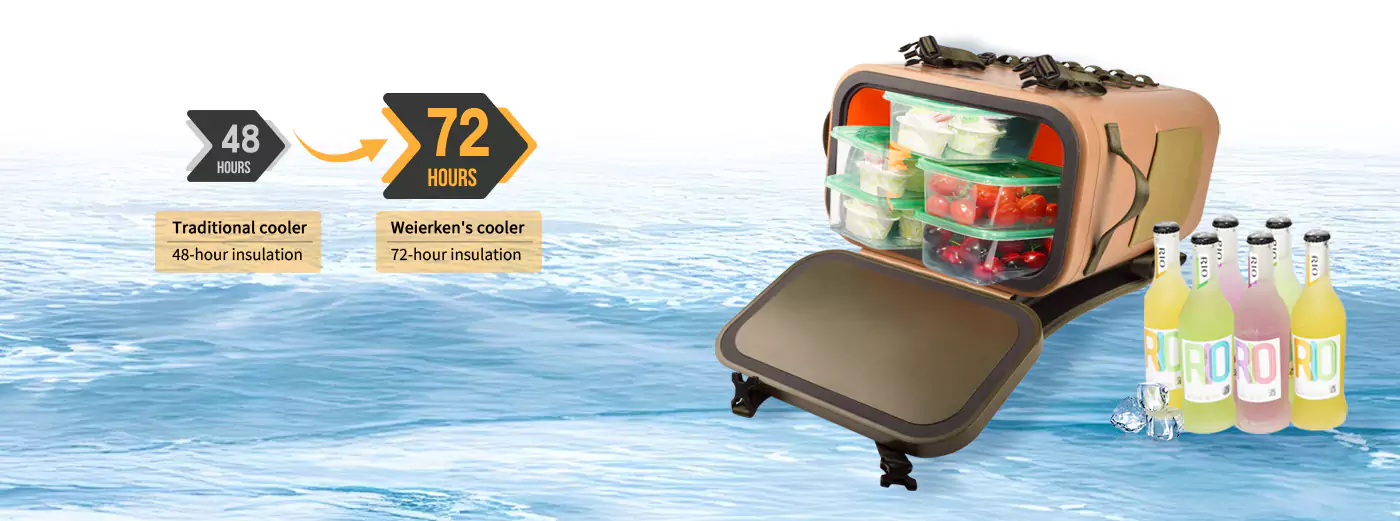
Partenariat avec Weierken pour votre programme de marque blanche
Naviguer dans les spécifications techniques, les sélections de matériaux et les politiques commerciales internationales nécessite un partenaire de production expérimenté. Weierken fournit des solutions de fabrication robustes pour des sacs isothermes de préparation de repas en marque blanche de qualité supérieure, combinant des décennies d'ingénierie de produits textiles avec une échelle mondiale.
Fondée en 2006, Weierken apporte 20 ans d'expérience dédiée aux sacs thermiques techniques, aux glacières de plein air et aux packs de livraison spécialisés. L'entreprise exploite trois centres de fabrication détenus en propre en Chine et au Cambodge, s'étendant sur plus de 80 000 mètres carrés. Soutenue par 3 000 travailleurs qualifiés en textile et en assemblage, Weierken assure des productions en grande quantité de manière fiable et ponctuelle.
La base de fabrication au Cambodge offre aux marques américaines et européennes un avantage tarifaire stratégique, réduisant les droits d'importation sans sacrifier la qualité de fabrication ou la vitesse de production. Les ingénieurs de modèles dédiés de Weierken donnent vie aux concepts rapidement, offrant un développement OEM complet aux côtés d'un vaste catalogue ODM construit sur des modèles éprouvés.
Chaque sac quittant les lignes de Weierken est conforme aux normes de contact alimentaire FDA, LFGB et REACH. Opérant sous les certifications BSCI et ISO9001, Weierken fabrique des équipements pour plus de 2 000 marques mondiales, chaînes de détail et partenaires commerciaux qui comptent sur une qualité sans compromis.
Questions Fréquemment Posées (FAQ)
Q1 : Quel est le MOQ typique pour les sacs isothermes de préparation de repas en marque blanche ?
Pour les commandes OEM personnalisées nécessitant une teinture de tissu unique et des outillages dédiés, les MOQ varient généralement de 1 000 à 2 000 unités par coloris. Pour les conceptions du catalogue ODM personnalisées avec votre logo, tirettes de fermeture éclair et emballage intérieur, les MOQ commencent plus bas, généralement entre 300 et 500 unités. Cela permet aux marques de tester la demande du marché avec un risque financier minimal.
Q2 : Comment les usines vérifient-elles que les doublures des sacs isothermes intérieurs ne fuient pas ?
Les usines de glacières commerciales effectuent des tests de submersion par remplissage d'eau. La doublure intérieure soudée est remplie d'eau, suspendue pendant 24 heures, et vérifiée pour détecter une chute de pression, des coutures qui fuient ou des infiltrations d'humidité. Les usines avancées utilisent également des tests de dégradation de l'air pour détecter les fuites par des trous d'épingle le long des joints soudés à haute fréquence avant l'assemblage final.
Q3 : Quelles certifications de qualité alimentaire devrais-je demander à mon usine de fournir ?
Demandez des rapports de test de matériaux actuels provenant de laboratoires tiers indépendants tels que SGS, TÜV ou Intertek. La doublure intérieure doit passer la norme FDA 21 CFR 177.1520 pour la distribution aux États-Unis ou les tests de conformité LFGB pour l'Union européenne. Confirmez que les matériaux sont certifiés sans BPA, sans plomb et sans phtalates.
Q4 : Combien de temps prend le développement d'échantillons pour OEM par rapport à ODM ?
Pour les modifications du catalogue ODM existant, le délai est rapide : les usines préparent généralement votre échantillon de marque en 5 à 7 jours ouvrables. Pour les projets OEM entièrement personnalisés nécessitant des moules matériels sur mesure, un dessin technique de modèle et une teinture de tissu spécifique, le prototypage prend de 14 à 21 jours ouvrables.
Q5 : Les sacs de préparation de repas en marque blanche peuvent-ils être fabriqués avec des tissus recyclés écologiques ?
Oui. Vous pouvez spécifier des tissus rPET certifiés GRS (Global Recycled Standard) pour la coque extérieure, les mailles de poche intérieure et les poignées tissées. Ces tissus sont fabriqués à partir de bouteilles en plastique recyclées, correspondant au polyester vierge en résistance à l'abrasion et en saturation des couleurs tout en aidant les marques à raconter une histoire de durabilité convaincante.
Q6 : Comment l'approvisionnement via l'installation de Weierken au Cambodge réduit-il les coûts d'importation ?
Les sacs isothermes fabriqués en Chine continentale font face à des droits de douane élevés de la Section 301 lorsqu'ils sont importés aux États-Unis. L'approvisionnement en biens finis via l'installation de Weierken au Cambodge aide les acheteurs internationaux qualifiés à éviter ces droits d'importation punitifs, améliorant les marges à l'arrivée tout en maintenant les chaînes d'approvisionnement en mouvement fluide.
Lancez votre ligne de marque blanche en toute confiance
Votre partenaire de production dicte la réputation de votre marque. Choisir entre des constructions personnalisées OEM et la rapidité ODM dépend de votre capital, de votre calendrier et de votre positionnement sur le marché. Quelle que soit la voie que vous choisissez, prioriser l'isolation à haute densité, les doublures soudées à chaud sans couture, les coutures renforcées et les matériaux de qualité alimentaire vérifiés protège votre entreprise contre les retours coûteux des clients.
Travaillez avec une équipe de fabrication expérimentée qui peut évoluer des premières séries de prototypes aux expéditions multi-conteneurs. Contactez l'équipe d'ingénierie de Weierken dès aujourd'hui pour discuter de vos spécifications cibles, examiner les catalogues ODM actuels et demander un devis d'usine et un kit d'échantillons pour votre prochain lancement de produit.