
_154315.webp "Green Delivery 2026: How a Restaurant Thermal Tote Maker Redefines Takeout Bags")
The global food delivery sector is approaching a critical regulatory shift. As we head toward 2026, major metropolitan areas are finalizing strict bans on single-use plastics. At the same time, consumers are vocal about packaging waste, demanding that brands match their convenience with actual sustainability.
For large restaurant chains and multi-location kitchens, traditional paper bags fail to hold the proper temperature during longer transit routes. Wet, soggy containers and lukewarm food destroy the customer experience. This is where a professional restaurant thermal tote maker like weierken steps in to bridge the gap between compliance and performance.
We are no longer just looking at a simple delivery container. The modern takeout bag is a highly engineered piece of equipment that must protect food quality while supporting a low-carbon supply chain. This article explores how modern manufacturing practices are reshaping delivery assets for 2026.
The 2026 Green Delivery Tipping Point
Corporate social responsibility is no longer a marketing option. It is a core operational requirement. Governments are taxing single-use materials, and municipal waste systems are rejecting mixed-material packaging that cannot be easily separated and recycled.
This leaves delivery operations directors in a difficult position. They need a system that ensures food safety and heat retention without relying on cheap, disposable plastics. The transition to high-quality, reusable thermal bags for food delivery has become the most viable path forward.
By partnering with an experienced restaurant thermal tote maker, brands can move away from continuous purchasing cycles of single-use paper and plastic. Instead, they invest in durable, circular delivery assets that pay for themselves over hundreds of trips.
Green Inside and Out: Re-Engineering Materials for Circularity
Historically, thermal bags relied on cheap construction. They typically featured a non-woven outer shell, a polyurethane foam core, and an aluminum foil lining. While these materials are cheap to produce, they are almost impossible to recycle because they are bonded together.
To prepare for 2026 standards, manufacturers are completely redesigning the composition of these bags. Modern material sourcing focuses on circularity, ensuring that every layer can either be recycled or composted at the end of its useful life.
Recycled Polyester (RPET) and Organic Cotton Shells
Post-Consumer RPET: Exterior fabrics are now woven from fibers derived from verified recycled plastic bottles, reducing reliance on virgin petroleum.
PFC-Free Waterproofing: We apply non-fluorinated, water-resistant coatings to protect bags from rain and spills without releasing harmful forever-chemicals into the environment.
Traceable Material Sourcing: Global Recycled Standard (GRS) certification ensures that every yard of fabric is fully traceable back to its source.
Plant-Based and Mono-Material Insulation
The middle insulation layer is crucial for temperature retention. Instead of petroleum-based foams, forward-thinking manufacturers now use recycled polyester fiber batting or plant-derived insulation boards. These materials offer comparable thermal resistance values without the heavy environmental footprint.
Using mono-material structures—where both the outer fabric and the inner insulation are made from polyester variations—allows the entire bag to be shredded and recycled together at the end of its lifecycle, eliminating the need for complex disassembly.
Biodegradable and Recyclable Liners
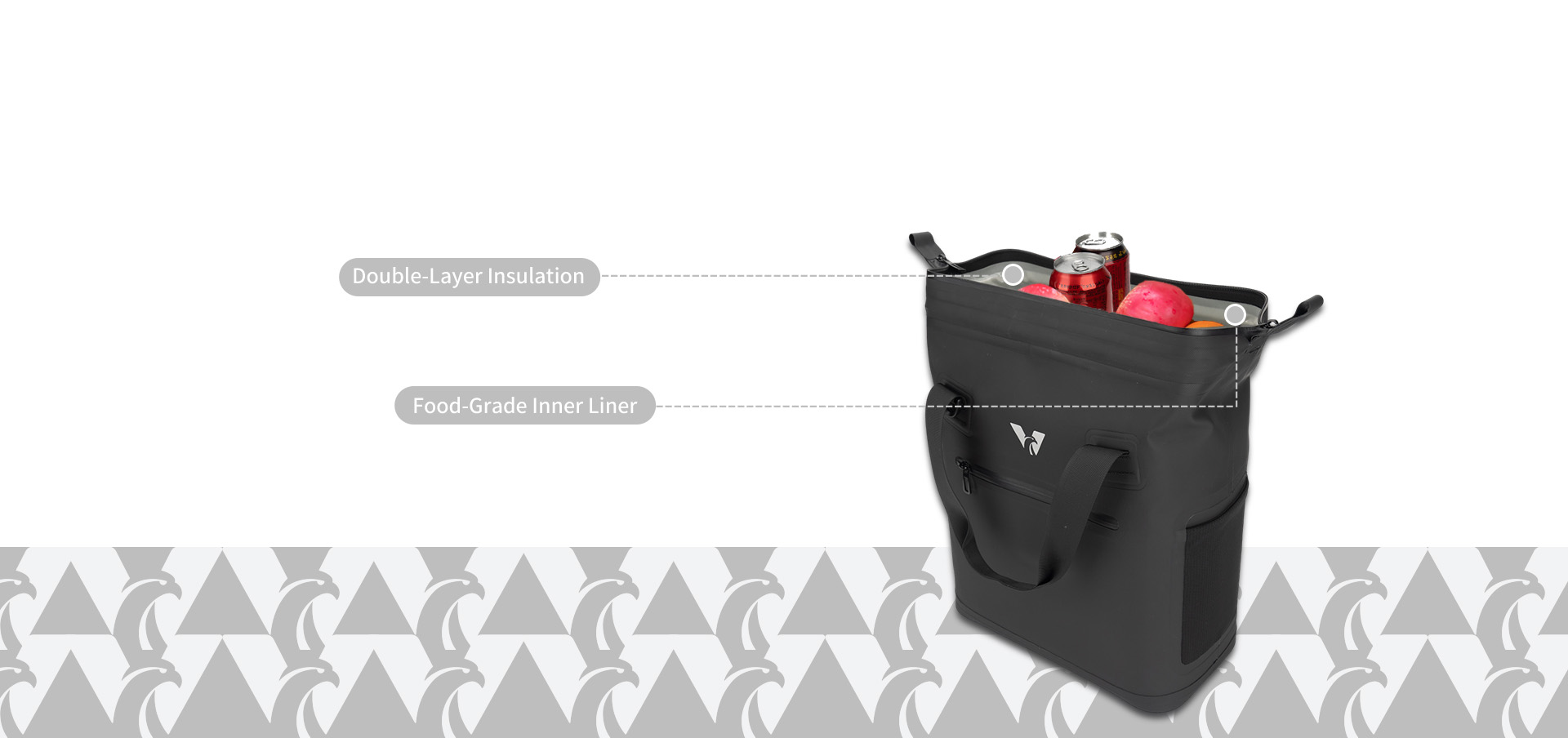
Inner linings must be leak-proof and easy to sanitize. Our manufacturing processes utilize food-safe, PVC-free thermoplastic polyurethane (TPU) films. These liners do not leach chemicals when exposed to high heat and moisture from hot food containers.
Solving Core Delivery Pain Points: Durability and Hygiene
A transition to reusable delivery assets only works if the bags can survive the daily rigors of third-party delivery networks. A low-quality bag that fails after twenty trips actually creates more waste and higher costs than disposable alternatives.
As a specialized restaurant thermal tote maker, weierken prioritizes structural integrity. Our focus is on maximizing the operational lifespan of every bag, driving down the overall cost-per-use for restaurant operators.
Engineering for a 200+ Cycle Lifespan
Reinforced Stress Points: Cross-stitch patterns and heavy-duty bar-tacks secure the carrying handles to the body of the bag, preventing tears under heavy loads.
Abrasion-Resistant Bases: Hard molded feet or double-layered rubberized panels protect the bottom of the bag from wear when placed on concrete or bike racks.
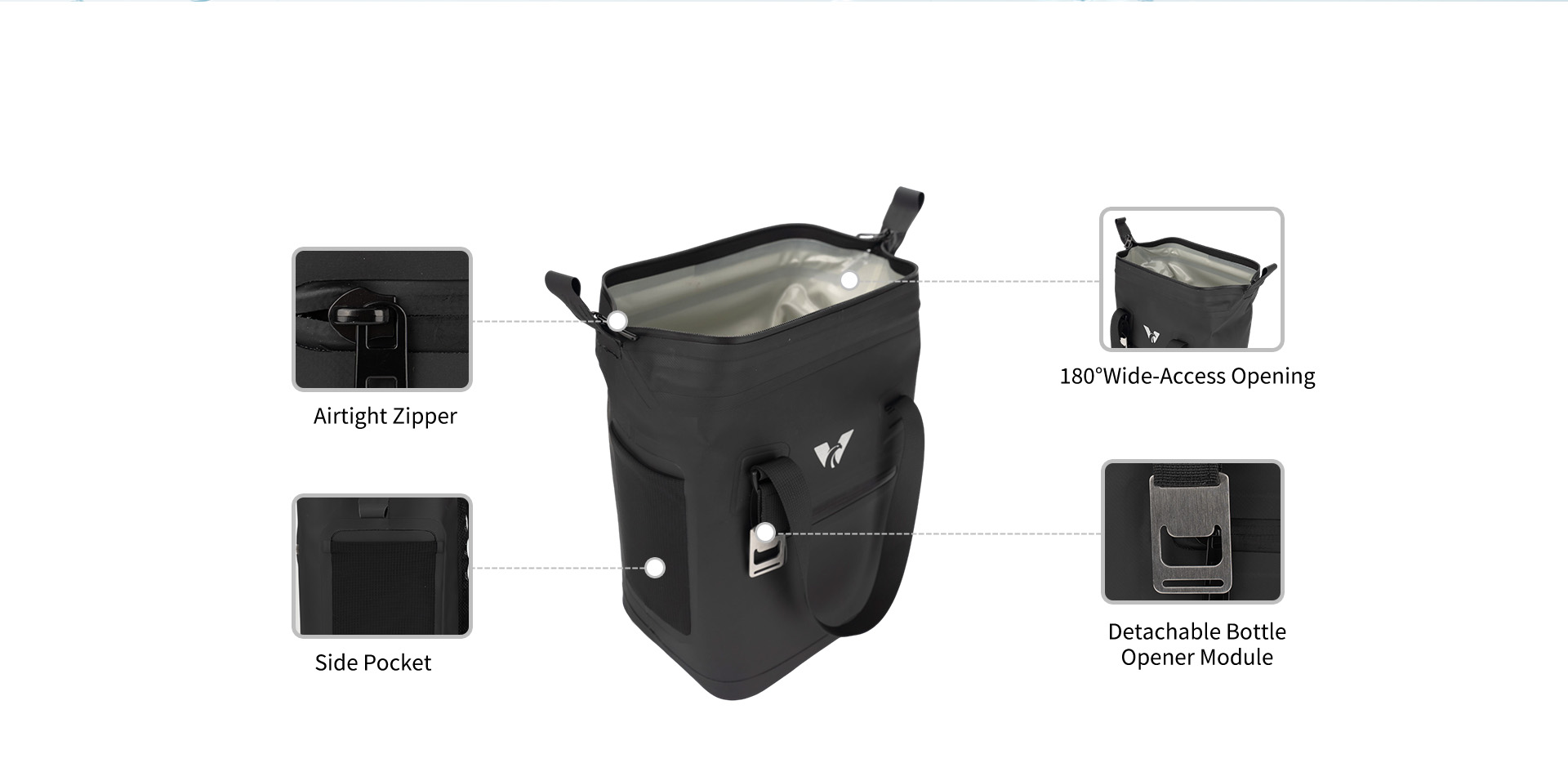
Industrial-Grade Closures: Marine-grade zippers or heavy-duty hook-and-loop systems ensure the bag remains tightly sealed over thousands of openings.
By focusing on these structural details, our bags can easily survive more than 200 commercial delivery cycles, dramatically lowering the long-term procurement expenses for high-volume delivery networks.
Hygiene and Food Safety Under High Humidity
When hot food is sealed inside an insulated bag, condensation forms rapidly. This warm, humid environment is a breeding ground for bacteria if the bag is not sanitized correctly. A simple wipe-down is not always enough to prevent cross-contamination.
To counter this, modern eco friendly insulated takeout bags feature seamless, heat-welded liners instead of stitched seams. This prevents liquids and grease from seeping into the insulation layer. Furthermore, we integrate food-grade silver-ion antimicrobial treatments directly into the liner material to actively inhibit bacterial growth and odor buildup between shifts.
Modular and Branded Design for Smart Operations
Modern delivery menus are diverse. A single order might contain piping hot ramen, cold sushi, and a frozen dessert. Transporting these items together without spoiling the temperature of one or the other requires intelligent internal design.
Customization is no longer just about printing a logo on the side of a bag. It involves designing a functional tool that speeds up packing times, minimizes delivery errors, and reinforces your brand identity at the customer's doorstep.
Flexible Internal Architecture
To accommodate diverse menus, manufacturers design modular, removable partition systems. Using lightweight, insulated dividers, delivery drivers can quickly configure a single bag to hold both hot and cold items simultaneously, keeping them separated by a reliable thermal barrier.
Smart Tracking and Digital Integration
NFC and RFID Integration: We can sew small, weatherproof pockets into the bags to house tracking chips, allowing delivery managers to monitor asset locations and cycle counts automatically.
Smart Temperature Indicator Windows: Clear, external pockets can hold digital temperature readers or color-changing thermochromic labels, reassuring customers that their food was held at a safe temperature throughout transit.
Clear Waybill Sleeves: Heavy-duty transparent pockets on the exterior keep order receipts visible and dry, reducing delivery mistakes during rush hours.
High-Quality, Low-Impact Brand Presentation
Your delivery bag is a walking billboard. To ensure your brand looks professional, we use advanced water-based soy inks for all custom printing. These inks provide vibrant, crisp logos that resist fading and peeling, even after repeated exposure to UV rays and sanitizing chemicals. This ensures your brand image remains clean and premium from the kitchen to the customer.
How to Vet a Compliant Manufacturer for 2026
Choosing the right partner for your packaging and delivery assets is a long-term decision. B2B buyers must look beyond cheap unit prices and carefully evaluate the regulatory compliance, ethical manufacturing standards, and supply chain stability of their suppliers.
When sourcing custom restaurant delivery totes wholesale, use the following checklist to evaluate potential manufacturing partners:
| Evaluation Criteria | Standard to Look For | Why It Matters for 2026 Compliance |
|---|---|---|
| Material Safety | FDA Food Contact Safe / REACH Compliance | Ensures no toxic chemicals or plasticizers migrate into food containers under high heat. |
| Recycled Content | GRS (Global Recycled Standard) Certification | Verifies the exact percentage of recycled materials used, protecting your brand from greenwashing claims. |
| Social Compliance | BSCI / Sedex Audited Facilities | Guarantees fair labor practices and safe working conditions throughout the production process. |
| Supply Chain Capacity | In-house testing labs and scalable production lines | Ensures consistent quality control and timely deliveries, even during peak seasonal demand. |
At weierken, we maintain strict adherence to these global standards. We understand that our clients’ brand reputations rely on our ability to deliver safe, durable, and highly functional products every single time.
Partner with a Reliable Restaurant Thermal Tote Maker
Preparing your delivery fleet for the regulatory environment of 2026 requires careful planning and the right partnerships. Transitioning to durable, circular delivery bags protects your food quality, lowers your long-term operating costs, and demonstrates your commitment to sustainable business practices.
Do not wait for packaging bans to disrupt your daily operations. Contact our team today to discuss your specific size requirements, insulation needs, and branding preferences. Let us help you design a delivery system that is built to last.
Are you ready to optimize your delivery network? Request a custom quote from our product experts today and see how our tailored thermal solutions can support your brand’s green transition.
Frequently Asked Questions
1. What makes a thermal tote truly eco-friendly?
A truly eco-friendly thermal tote uses traceable recycled outer fabrics like RPET, plant-based or mono-material polyester insulation, and PVC-free inner linings. Furthermore, it must be engineered for extreme durability so that it can be used hundreds of times, reducing the need for single-use alternatives.
2. How long can these bags maintain food temperatures?
Depending on the thickness of the insulation layer and the external ambient temperature, our professional thermal bags can hold hot food above safe serving temperatures (60°C / 140°F) for up to 45 to 60 minutes. Cold items can be kept chilled for even longer when paired with reusable gel packs.
3. Can we print our custom restaurant logo on the totes?
Yes. We offer comprehensive customization options for all bulk orders. We use water-based, non-toxic soy inks to print high-resolution logos on various parts of the bag, ensuring your branding is prominent, durable, and fully compliant with environmental standards.
4. Are these bags easy to sanitize between deliveries?
Absolutely. The interior linings are made from smooth, heat-sealed, food-grade materials that can be wiped clean with standard sanitizing sprays. There are no stitched seams or fabric borders inside the main compartment where food particles or moisture can hide.
5. What is the minimum order quantity (MOQ) for custom wholesale orders?
Our minimum order quantities vary depending on the level of customization, bag size, and specific material requirements. Generally, we work with mid-to-large sized restaurant chains and delivery platforms for bulk wholesale production. Please contact our sales department for specific MOQ details for your custom design.