


The food delivery industry relies heavily on maintaining temperature control. When food arrives cold, customers leave bad reviews, which directly hurts a restaurant's bottom line. For procurement managers, finding the right equipment is a critical business decision.
To secure consistent food quality during transit, you need to partner with an experienced restaurant thermal bag maker. However, navigating the global manufacturing market is challenging. Many suppliers claim to offer high quality, but few can meet strict industrial standards.
This article provides a practical evaluation framework for bulk buyers. We will cover technical specifications, manufacturing capacities, and quality control steps. This helps you choose a partner, such as Weierken, that aligns with your operational goals.
1. Material and Insulation Technology
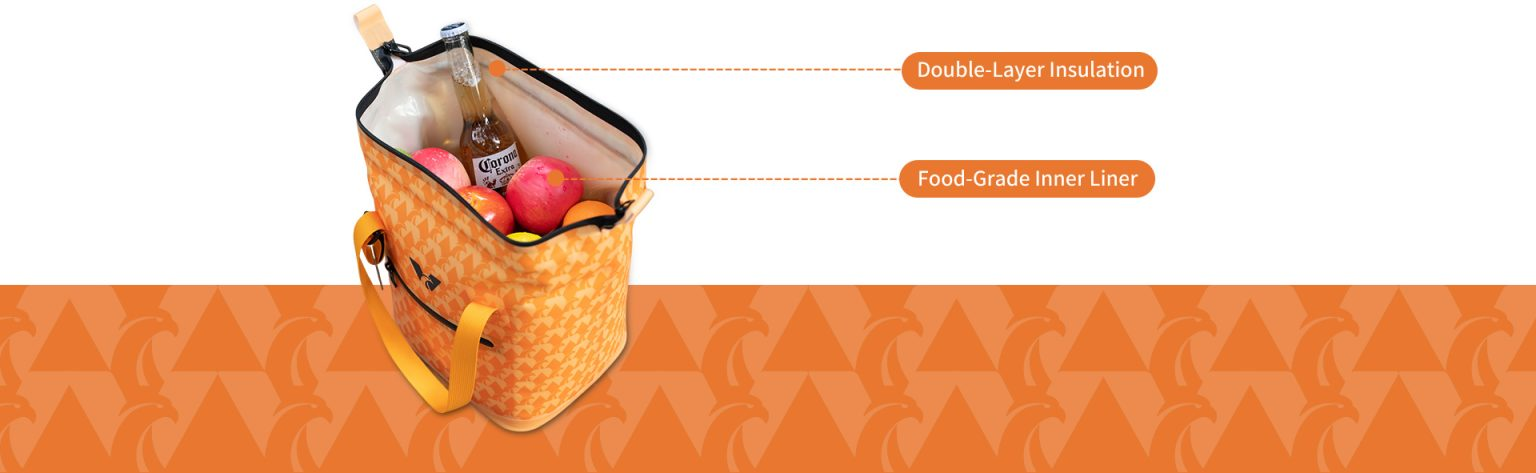
The performance of a thermal delivery bag depends entirely on its materials. A professional restaurant thermal bag maker should offer various options based on your specific delivery conditions. When sourcing, you must evaluate three core layers.
Inner Lining Materials
The lining comes into direct contact with food containers. It must be durable, safe, and easy to clean.
Aluminum Foil: This material offers excellent heat reflection and is budget-friendly. However, thin foil can tear easily under heavy daily use.
PEVA (Polyethylene Vinyl Acetate): This material is highly durable, flexible, and completely food-safe. It is much easier to wipe down and resist bacterial growth.
Insulation Core
The middle layer holds the temperature. The thickness and type of foam determine how long the food stays hot or cold.
EPE Foam (Expanded Polyethylene): Lightweight and flexible. A thickness of 5mm to 8mm is standard for short-distance trips.
PU Foam (Polyurethane): Offers superior thermal retention for long-distance deliveries. It is denser and retains structure better over time, though it increases the overall cost.
Outer Shell Material
The exterior must withstand harsh weather, rough handling, and constant friction.
Oxford Fabric (600D or 1680D): Highly resistant to tears and abrasions. The higher the denier (D) count, the thicker and more durable the fabric.
PVC Tarpaulin: Completely waterproof and extremely easy to clean. It is ideal for heavy-duty commercial use where weather protection is a priority.
2. Customization and Branding Capabilities
B2B procurement often requires unique sizes, branding, and functional features. A reliable custom insulated bag manufacturer must have the capacity to modify designs based on your technical drawings.
If you need to know how to wholesale food delivery bags that represent your brand well, look closely at these customization options:
Logo Printing Methods
Your brand logo needs to remain clear after months of sun exposure and rain. Ask your manufacturer about these printing techniques:
Silk Screen Printing: Best for simple, one-color or two-color logos. It is cost-effective for large production runs.
Heat Transfer Printing: Suitable for multi-colored, complex logos with gradients. It offers a smooth finish but can cost more.
Structural Additions
Standard bags rarely fit every delivery model. Your restaurant thermal bag maker should be able to integrate custom structural elements, such as:
Removable internal dividers for separating hot and cold items.
Built-in cup holders to prevent drink spills.
Integrated heating elements or power bank pockets for extra-long delivery times.
Reinforced carrying handles and padded backpack straps to reduce courier fatigue.
The standard sampling cycle for customized designs should range between 3 to 7 working days. If a supplier takes longer than two weeks for a basic sample, it may indicate a lack of design capacity.
3. Manufacturing Capacity and MOQ
Your supply chain requires consistency. A sudden shortage of delivery bags can disrupt logistics, especially during peak seasons or when expanding to new locations. It is vital to assess a factory's actual capacity before signing a contract.
When evaluating a potential restaurant thermal bag maker like Weierken, ask detailed questions about their production setup. This helps prevent future delivery delays.
Monthly Production Output: Ensure the factory has enough dedicated production lines to handle both your initial order and subsequent reorders.
Minimum Order Quantity (MOQ): For a fully customized order, a reasonable MOQ typically ranges from 500 to 1,000 units. Suppliers offering very low MOQs may be trading companies rather than direct factories.
Tiered Pricing Structure: Direct manufacturers should offer clear unit-price discounts as your order volume increases.
4. Quality Control and Compliance Standards
Quality issues can quickly ruin your delivery operations. Broken zippers or torn handles mean extra replacement costs and delayed shipments. A reliable factory must have a strict quality control system in place.
Before placing an order for bulk thermal delivery bags, request proof of compliance and inspect their testing procedures.
Key Certifications
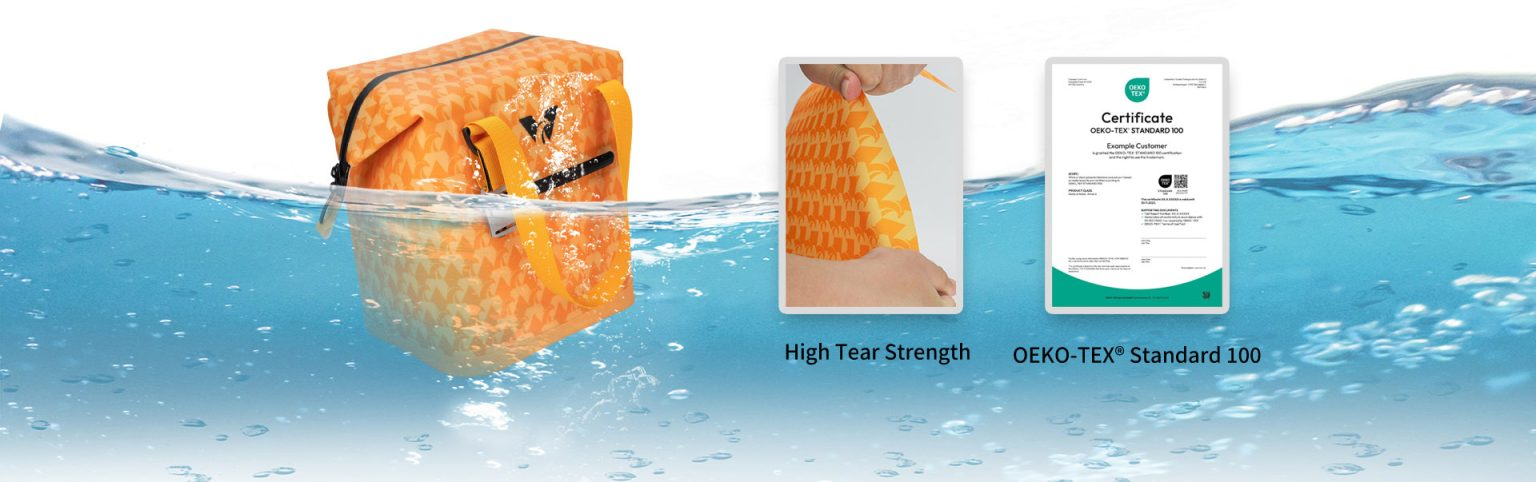
Ensure the manufacturer holds recognized international certifications. These documents prove they follow standardized management and safety practices.
ISO 9001: Verifies the factory operates under an internationally recognized quality management system.
Food Contact Safety (FDA / LFGB / REACH): The inner lining materials must comply with food safety regulations to ensure they do not emit harmful chemicals when heated.
In-House Testing Protocols
A professional restaurant thermal bag maker should perform standard durability tests on production line samples. Ask if they conduct the following evaluations:
| Test Name | Testing Method | Quality Objective |
|---|---|---|
| Load-Bearing Test | Loading the bag to maximum capacity and suspending it for 24-48 hours. | To ensure seams, straps, and rivets do not rip under stress. |
| Zipper Life-Cycle Test | Repetitive mechanical opening and closing of zippers (usually 3,000+ cycles). | To prevent zipper teeth from breaking or catching during daily use. |
| Thermal Retention Test | Placing hot containers inside and tracking internal temperature loss over 2 to 4 hours. | To verify the insulation foam meets the required thermal performance. |
We highly recommend scheduling a formal thermal bag factory audit. If you cannot visit the facility in person, ask the supplier to provide a real-time video walkthrough or hire a third-party inspection agency to verify their production quality.
5. Logistics, Trade Terms, and After-Sales Policies
Shipping large volumes of bulky items can be expensive. Thermal bags take up significant space, which directly impacts ocean and air freight costs. Your logistics strategy is just as important as the manufacturing process.
An experienced manufacturer should help you optimize packaging. Standard practices include vacuum compression or flat-packing the bags to minimize shipping volume. This step can reduce your overall transport costs significantly.
Additionally, clarify the trade terms (Incoterms) before finalizing the deal:
FOB (Free on Board): The manufacturer delivers the goods to the port, and you handle the international freight.
DDP (Delivered Duty Paid): The manufacturer manages the entire shipping process, including customs clearance and local delivery to your warehouse. This is ideal for buyers without dedicated import departments.
Finally, confirm the manufacturer’s defect policy. Even the best factories have a small percentage of defective products. A reliable partner will offer a clear policy, such as replacing defective items in the next shipment or providing a partial refund based on the Acceptable Quality Limit (AQL) standard.
Frequently Asked Questions
Q1: What is the typical lead time for a bulk order of food delivery bags?
For standard bulk orders of 1,000 units, production usually takes between 25 to 35 days after the sample is approved and the deposit is received. Highly customized designs may require an additional 5 to 10 days for custom tooling and material sourcing.
Q2: How can I perform a thermal bag factory audit if I cannot travel?
You can hire professional third-party inspection services like SGS or QIMA to conduct a physical audit. Alternatively, ask the restaurant thermal bag maker to arrange a live video call to show you their raw material warehouse, assembly lines, and testing equipment.
Q3: What makes PEVA a better lining than standard aluminum foil?
While aluminum foil is cost-effective, it tends to crease and crack over time. PEVA is a thicker, eco-friendly plastic material that resists tearing, prevents liquid leakage, and is far easier to sanitize daily.
Q4: Can I order custom logo food warmer bags bulk with different sizes in one order?
Yes, most manufacturers can accommodate multiple sizes within a single contract. However, keep in mind that each size will usually have its own separate MOQ requirement because of cutting machinery setups.
Q5: How do manufacturers ensure the shoulder straps do not tear?
Experienced makers use "cross-stitching" (also called box-X stitching) and metal rivets at key stress points. They also use heavy-duty nylon webbing instead of polyester to guarantee the straps can support heavy food loads.
Q6: Do these thermal bags support electric heating components?
Yes, a specialized custom insulated bag manufacturer can integrate heating plates or coils that plug into a vehicle's 12V outlet or a portable power bank. This setup keeps food hot over extended delivery routes.
Selecting the right restaurant thermal bag maker is a long-term investment in your brand's customer service. By focusing on insulation quality, material durability, clear customization terms, and structured quality testing, you can avoid common procurement issues.
At Weierken, we focus on manufacturing durable, high-performance thermal delivery bags designed for the commercial food industry. We assist global brands with tailored product designs, strict quality control, and reliable delivery schedules.
Ready to upgrade your delivery equipment? Contact our team today to request a custom quote or order a sample.