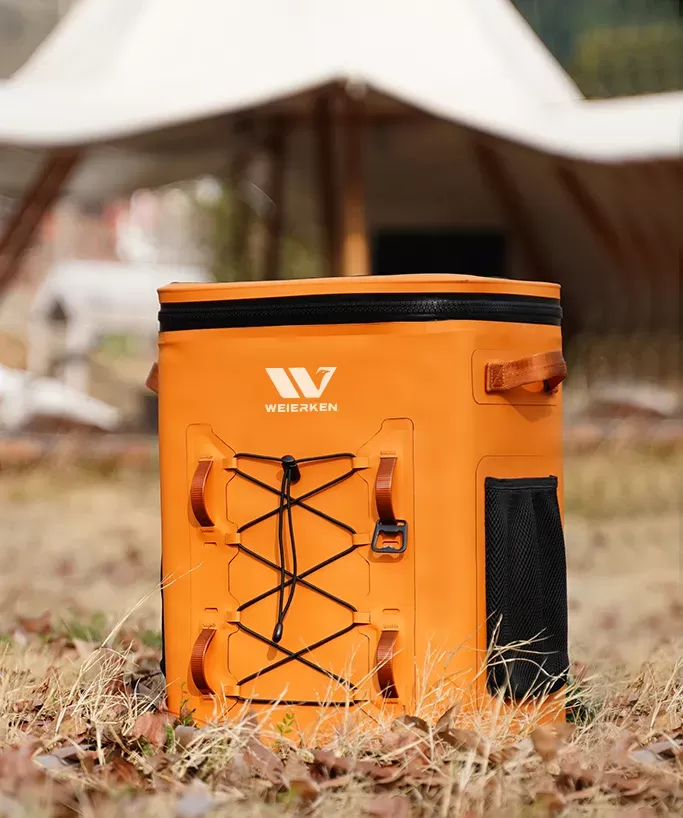

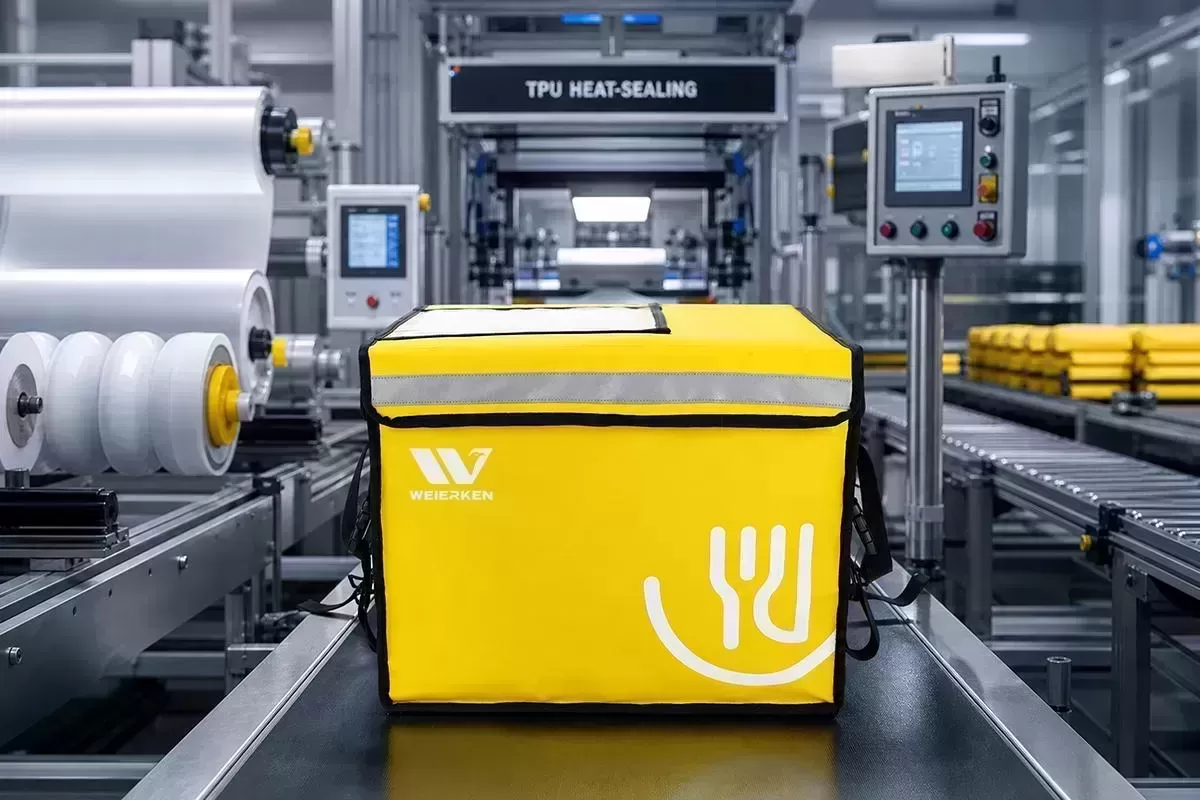
Green delivery is no longer just a marketing slogan. It now shapes the entire food service supply chain. As a dedicated catering delivery bag factory with years of production experience, we see these shifts firsthand. At weierken, we work closely with global food brands to turn environmental goals into practical shipping solutions.
The demand for sustainable transport is rising fast. Regulatory pressures and consumer preferences drive this shift. Bulk buyers now look beyond simple thermal retention. They want comprehensive, low-carbon solutions for their daily operations.
Below are the five key trends we have identified. These insights come from our work serving domestic and overseas B2B clients.
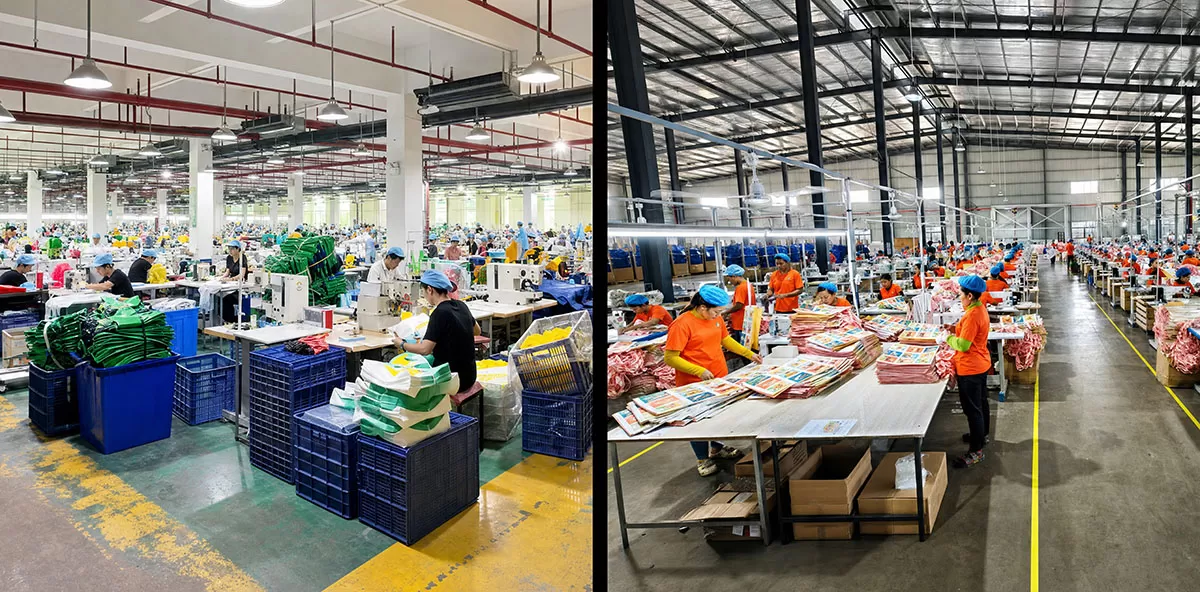
1. Material Revolution: From Single-Use to Reusable and Biodegradable
Historically, food logistics relied heavily on cheap, single-use bags. These bags combined standard PE film with thin aluminum foil. They offered low durability and went straight to landfills after one use. Today, major restaurant chains require more durable options.
As an experienced catering delivery bag factory, we are re-engineering our raw material sourcing. We now focus on two main paths to meet these industry shifts that every modern catering delivery bag factory must adopt:
RPET (Recycled Polyethylene Terephthalate): This material comes from post-consumer plastic bottles. It offers high tensile strength. It also extends the lifespan of reusable delivery bags to over one or two years of daily use.
Biodegradable Materials: For markets with strict plastic bans, we utilize PLA lamination. We also use kraft paper with plant-based water-resistant coatings. These meet strict European and Asian environmental standards.
Switching to these materials helps clients lower their carbon footprint. It also ensures compliance with regional environmental laws. Brands can secure their supply chains against future regulatory penalties by using certified biodegradable packaging.
2. Balancing Thermal Performance with Low-Carbon Manufacturing
B2B clients need solid thermal performance. However, they also examine how we manufacture these products. They want to know the carbon footprint of the production line itself. Reducing energy consumption during assembly is now a priority.
Our catering delivery bag factory addresses this by updating our manufacturing processes:
Water-Based Adhesives: We replaced traditional solvent-based glues with eco-friendly water-based alternatives. This reduction in volatile organic compounds (VOCs) improves factory safety. It also reduces environmental pollution.
Efficient Joining Techniques: We optimize our sewing and high-frequency hot-pressing processes. This reduces energy consumption per unit during mass production of insulated food delivery bags.
Graded Thermal Insulation Solutions: We do not offer a single generic option. Instead, we design graded systems based on delivery times. We offer 30-minute, 60-minute, and over 120-minute solutions.
This structured approach allows clients to choose the lightest, most low-carbon design for their specific delivery distances. Choosing a reliable catering delivery bag factory allows brands to avoid over-engineering and keeps material waste to a minimum.
3. Collapsible and Modular Designs to Cut Reverse Logistics Costs
Many food delivery platforms now run closed-loop recycling programs. They collect bags, sanitize them, and reuse them. However, returning empty, bulky bags to a central hub can be expensive. High transportation costs can ruin the budget of a green initiative.
At weierken, we developed new structures to solve this logistical bottleneck. As a flexible catering delivery bag factory, we focus on space-saving designs. Our manufacturing lines at our catering delivery bag factory are designed to handle these complex folding mechanisms:
Collapsible Hard-Bottom Structures: These bags fold down flat when empty. This reduction saves up to 70% of the bag's original volume during return transport.
Modular Inner Dividers: We use standardized dimensions. These fit neatly into standard outer delivery boxes. This simplifies cleaning, repair, and replacement of individual parts.
These features cut down storage space in delivery hubs. They also reduce the fuel needed for reverse transport. This lowers the total cost of ownership for fleet operators using reusable delivery bags.
4. Customized "Subtle Branding" and Compliance Labeling
Modern B2B clients want their branding to look professional and clean. They often avoid loud, glossy plastics. They prefer a more refined, eco-friendly aesthetic that aligns with their corporate values.
Our catering delivery bag factory offers branding methods that support this green image:
Debossed Logos and Water-Based Printing: We apply logos using water-based inks or direct debossing. This avoids thick, non-recyclable plastic films on the exterior of our custom thermal bags.
Integrated Compliance Labels: We print clear, certified labels directly onto the fabric. These include "100% Recyclable," "Bio-based Certification," and detailed washing guides.
These details help clients communicate their green initiatives directly to customers. It shows a clear commitment to sustainability without looking overly commercial. It turns every delivery run into a quiet statement of environmental responsibility.
5. Data Traceability and Batch Management
Large catering groups and multinational chains require full accountability. They must track the safety of every item that contacts food packaging. Regulatory bodies also demand clear documentation for commercial operations.
To support this, our catering delivery bag factory implements systematic tracking procedures:
Unique Batch Codes: Every production run gets a specific tracking code. This code links directly to its raw material certificates and supply chain history.
Verified Lab Testing: We ship every order with verified reports on temperature retention and wear resistance. This ensures the bags meet strict food safety standards.
This documentation helps clients during food safety audits. It also provides verified data for their corporate ESG (Environmental, Social, and Governance) reports. Buyers can easily prove the recycled content of their fleet packaging to stakeholders.
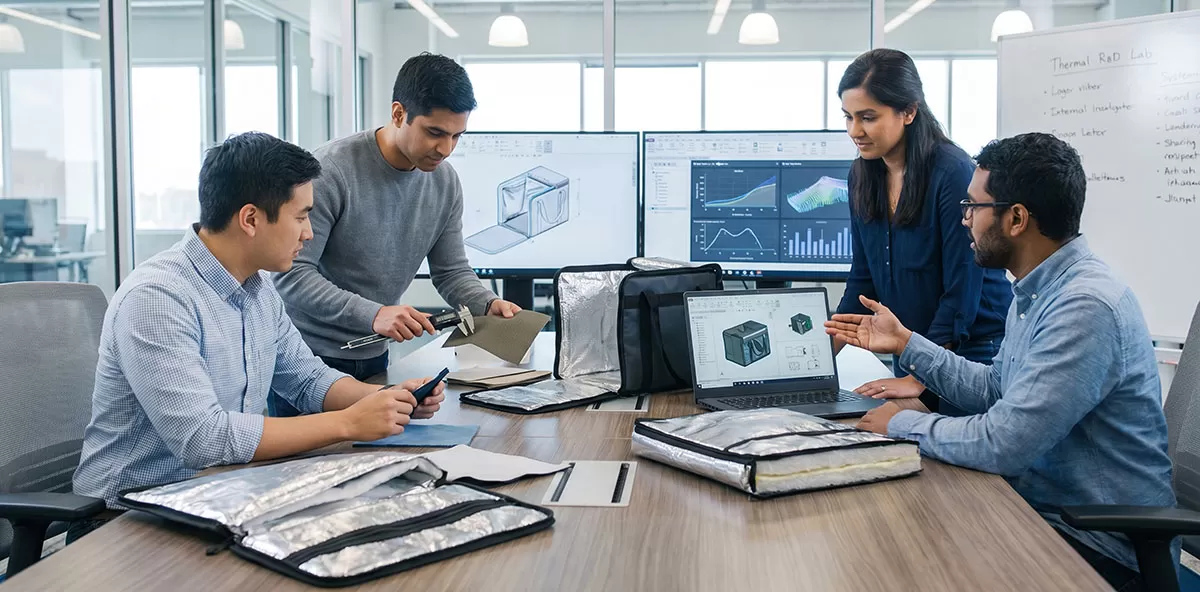
Working Toward a Greener Supply Chain
The transition to sustainable food transport is accelerating. Partnering with an experienced catering delivery bag factory helps brands adapt to these changes smoothly. Reliable thermal performance no longer has to come at the expense of the environment.
At weierken, we continuously refine our manufacturing processes to meet these rising standards. We offer custom designs, eco-friendly materials, and reliable thermal performance for global B2B clients. Collaborating with a professional catering delivery bag factory like us ensures your fleet stays compliant and efficient.
Are you looking to upgrade your delivery fleet with sustainable, cost-effective thermal bags? Contact our team today to discuss your specifications. We are ready to provide custom solutions tailored to your operational needs. Please reach out to request a quote or ask for material samples.
Frequently Asked Questions
Q1: What materials does a green catering delivery bag factory use to replace traditional plastics?
We primarily use RPET, which is made from recycled plastic bottles, and biodegradable alternatives like PLA-coated fabrics or kraft paper with plant-based water-resistant coatings. These materials offer the same durability as virgin plastics but with a significantly lower carbon footprint.
Q2: Can a catering delivery bag factory customize sizes for specific food containers?
Yes. We offer full OEM and ODM services. We can customize the dimensions, internal compartments, and shelving configurations of the bags to fit your specific meal boxes, drink holders, or outer delivery crates perfectly.
Q3: How does a catering delivery bag factory test the insulation performance of the bags?
We test our bags in specialized environmental chambers. We place temperature sensors inside the bags along with standard hot or cold food simulators. We then record the temperature curve over periods of 30, 60, and 120 minutes to verify real-world performance.
Q4: Why do brands prefer sourcing from a certified catering delivery bag factory rather than general trading companies?
Direct factories offer full traceability of raw materials, consistent quality control, and direct compliance certification. Working with a factory also allows for direct customization of low-carbon manufacturing processes and lower unit costs for bulk orders.
Q5: What is the average lead time for a catering delivery bag factory to produce a bulk order?
Lead times vary depending on the material availability and design complexity. Standard orders usually take between 30 to 45 days after design approval. For custom eco-friendly designs requiring special fabric certification, we recommend planning 60 days in advance.